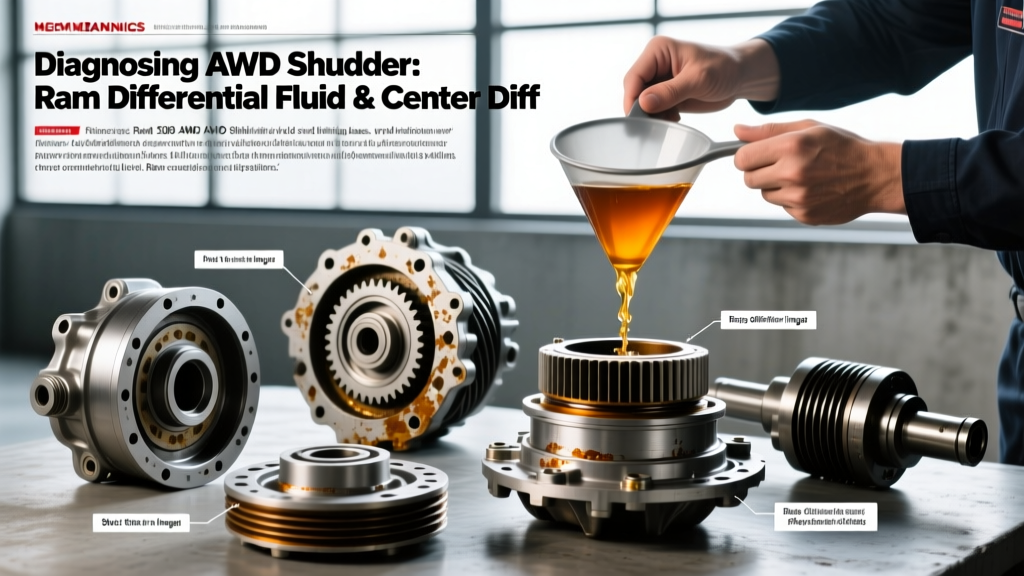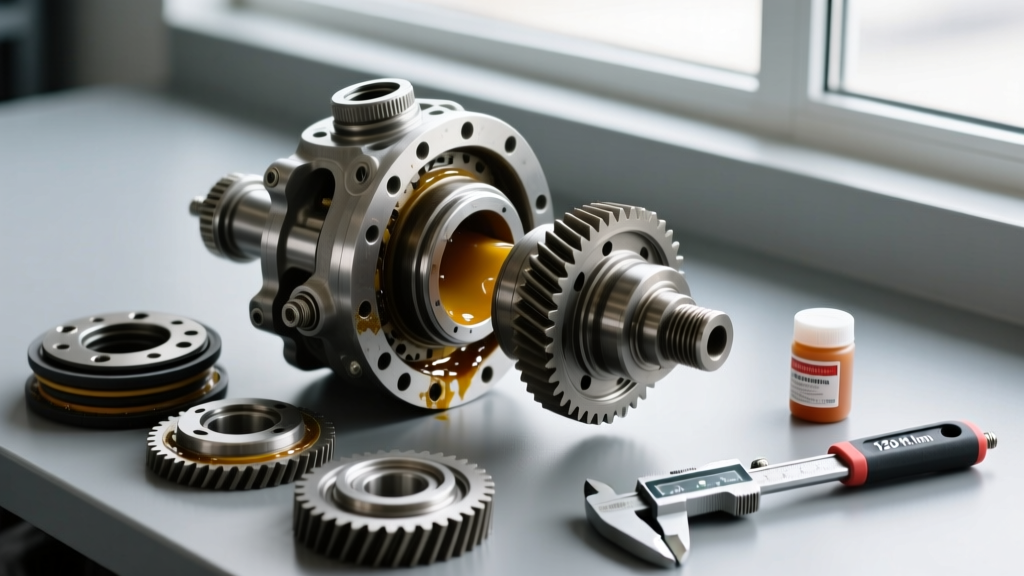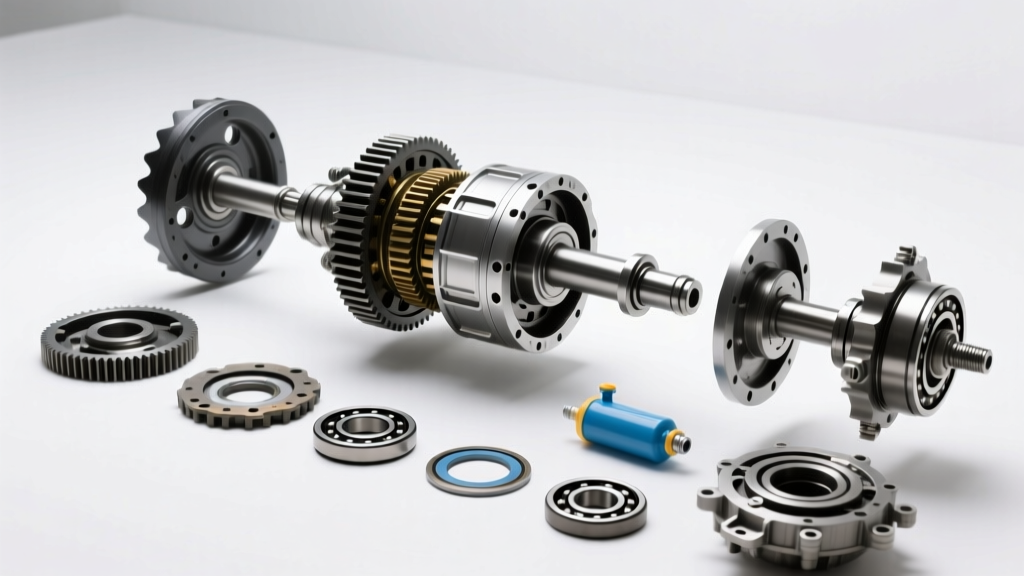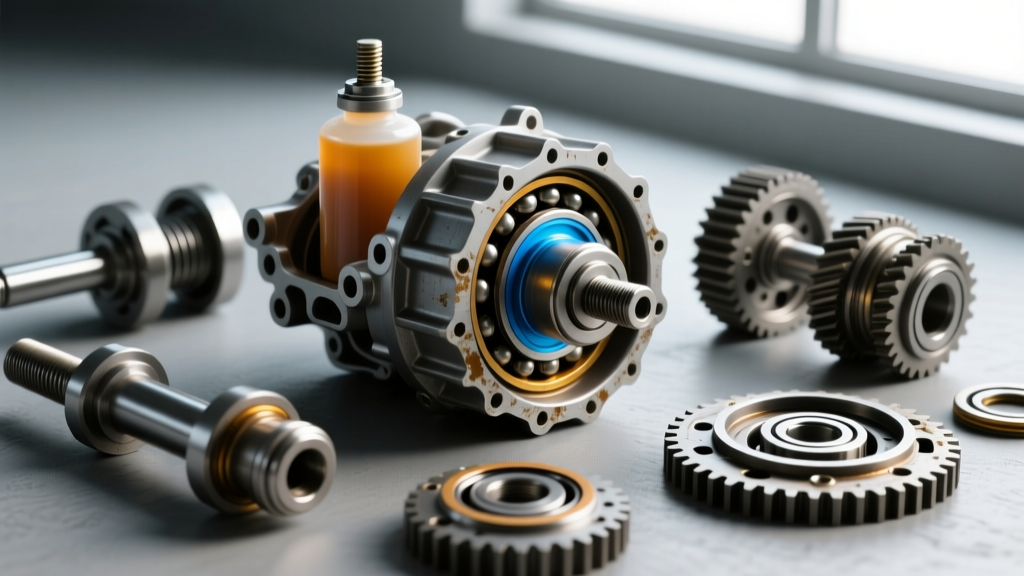
When performing a routine differential fluid replacement, most DIYers and even some quick-lube technicians stop at draining the old gear oil and pumping in fresh 75W-90 or 75W-140 synthetic. However, a fluid service is the perfect, albeit often missed, opportunity to evaluate the health of your differential bearings and axle seals. Ignoring these critical components can turn a simple $80 maintenance job into a $2,000 catastrophic gear failure.
The Hidden Cost of Ignoring Seals During Fluid Service
Fresh differential fluid will quickly find its way out of the housing if your seals are compromised. More importantly, a weeping seal is often the first external symptom of internal bearing wear. When a pinion or carrier bearing begins to fail, it introduces excessive runout and radial play. This movement destroys the sealing lip of your nitrile or PTFE seals, creating a vicious cycle of fluid loss, contamination, and accelerated gear wear.
Pinion Seal vs. Axle Shaft Seals: Failure Modes
Understanding where the leak originates dictates your repair strategy:
- Pinion Seal Leaks (Yoke Area): Often caused by a grooved companion flange sealing surface or a failing pinion bearing. Simply replacing the seal without addressing the grooved flange (using a speedi-sleeve or new yoke) guarantees a repeat leak within 5,000 miles.
- Axle Shaft Seal Leaks (Tube Ends): Frequently misdiagnosed. While a worn seal lip is common, a pitted axle shaft bearing surface or a clogged differential axle breather are equally culpable. A clogged breather causes internal pressure buildup as the gear oil heats up, forcing fluid past perfectly good seals.
Diagnostic Checklist: Bearing Noise vs. Gear Whine
Before tearing into the differential during your fluid service, perform a road test to isolate bearing noise from ring-and-pinion gear whine. Gear whine typically occurs under load (acceleration) or coast (deceleration) and is tied to specific resonant frequencies. Bearing noise behaves differently:
- Pinion Bearing Whine: A high-pitched whine that changes pitch when you abruptly lift off the throttle. It is directly tied to driveshaft speed.
- Carrier Bearing Rumble: A low-frequency rumble or growl heard at speeds above 20 mph, regardless of throttle position.
- Axle Bearing Roar: A cyclic growl that changes intensity when loading and unloading the suspension in corners. If the noise gets louder when turning left, the right axle bearing is likely failing.
Step-by-Step Bearing Preload & Seal Installation
If your diagnostic checklist or visual inspection confirms bearing wear, replacing them requires precision. The most critical aspect of differential bearing replacement is establishing correct pinion bearing preload. This is the rotational friction required to spin the pinion gear within its bearings.
Expert Tip: Ditch the OEM crush sleeve. Factory differentials use a one-time-use aluminum crush sleeve to set pinion preload. During a rebuild, upgrade to a solid pinion spacer kit (available from manufacturers like Yukon or Ratech). Solid spacers eliminate the risk of over-crushing the sleeve, which destroys new bearings instantly, and they maintain preload far longer under high-torque applications.
Critical Torque and Preload Specifications
Never rely solely on the massive pinion nut torque spec (often 150–250 ft-lbs) to set preload. You must use a beam-style inch-pound torque wrench to measure rotational torque. Below are baseline specifications for two of the most common light-truck differentials:
| Differential Model | Pinion Preload (Used Bearings) | Pinion Preload (New Bearings) | Axle Bearing Endplay |
|---|---|---|---|
| Ford 8.8-Inch | 8–14 in-lbs | 16–29 in-lbs | 0.001–0.006 in |
| GM 8.5/8.6 10-Bolt | 10–15 in-lbs | 20–30 in-lbs | 0.002–0.008 in |
| Chrysler 8.75 (489 Case) | 12–18 in-lbs | 22–32 in-lbs | 0.003–0.008 in |
Sourcing Premium Bearings and Seals
When sourcing replacement parts, avoid unbranded offshore kits. The differential operates under extreme shear loads and temperatures. Rely on Tier 1 suppliers like Timken, SKF, or National. For example, the Ford 8.8-inch rear end requires Timken SET10 (LM104948/LM104912) pinion bearings and a National 710990 pinion seal. For GM 10-bolt applications, Timken SET20 is the industry standard. Pair these with high-quality nitrile or Viton seals that resist the aggressive additives found in modern synthetic gear oils.
Tying It Back: The Right Fluid for Rebuilt Differentials
Once your bearings and seals are replaced, your differential fluid replacement strategy must match the hardware. If you have rebuilt the differential or installed a new limited-slip unit, the break-in period is critical. Use a high-quality conventional 80W-90 GL-5 gear oil for the first 500 miles to allow the ring and pinion to properly mate, then flush and refill with a full synthetic 75W-90 or 75W-140 for long-term protection.
If your differential utilizes a clutch-type limited-slip differential (LSD), do not forget the friction modifier additive. Without it, the clutches will chatter and bind during low-speed cornering, eventually destroying the carrier bearings you just installed. For comprehensive rebuild hardware and fluid recommendations, Yukon Gear & Axle provides excellent application-specific master overhaul kits.
2026 Cost Breakdown: DIY vs. Professional Axle Service
Understanding the financial landscape helps you decide whether to tackle bearing and seal replacement in your driveway or hand it to a drivetrain specialist.
| Service Item | DIY Cost Estimate | Professional Shop Cost |
|---|---|---|
| Basic Fluid Replacement Only | $40 – $90 | $120 – $250 |
| Axle Shaft Seals & Bearings (Per Side) | $60 – $120 | $350 – $600 |
| Pinion Seal Replacement | $25 – $50 | $250 – $450 |
| Full Bearing Overhaul (Master Kit) | $150 – $350 | $800 – $1,500+ |
As noted by the technicians at Drivetrain Specialists, attempting a full bearing overhaul without the proper bearing pullers, presses, and setup tools often results in incorrect gear backlash and premature failure. If you only need a pinion seal or axle seal replaced, DIY is highly feasible. If carrier and pinion bearings require replacement, professional setup is strongly recommended unless you possess dial indicators and inch-pound torque wrenches.
Final Thoughts on Drivetrain Longevity
A differential fluid replacement is never just about the fluid. It is a vital inspection point for the entire axle assembly. By proactively diagnosing seal weeps, listening for specific bearing frequencies, and adhering to strict inch-pound preload specifications, you ensure that your ring and pinion gears remain bathed in clean oil and perfectly aligned. Treat your differential with the same precision you would an automatic transmission, and it will easily outlast the rest of the vehicle.