The Thermal Challenge of the F-150 IFS Front Differential
When discussing the drivetrain of the modern Ford F-150, the rear axle often monopolizes the conversation, especially regarding towing and payload. However, the ford f150 front differential—specifically the Independent Front Suspension (IFS) setup found on 4x4 models—faces severe thermal challenges that are frequently overlooked. Whether your truck is equipped with the legacy Dana 44-style IFS or the newer, heavier-duty Super 8.8 IFS introduced to handle the torque of the EcoBoost and PowerBoost hybrid powertrains, heat is the ultimate enemy of gear longevity.
The 4WD Auto (4A) Factor in Modern F-150s
Starting with the 2015 generation and continuing through the 2026 models, Ford's 4WD Auto (4A) mode has become a staple for daily driving in variable weather. Unlike traditional part-time 4WD systems where the front driveline rests in 2WD, the 4A mode utilizes an active transfer case clutch that keeps the front driveshaft and front differential constantly engaged or rapidly cycling. This continuous operation generates significant baseline friction and heat in the hypoid ring and pinion gears, even on dry pavement. When you add off-road use, snow plowing, or heavy towing in 4High, the front differential fluid temperatures can easily exceed 250°F (121°C), accelerating gear oil oxidation and shearing.
Why the OEM Front Diff Cover Falls Short
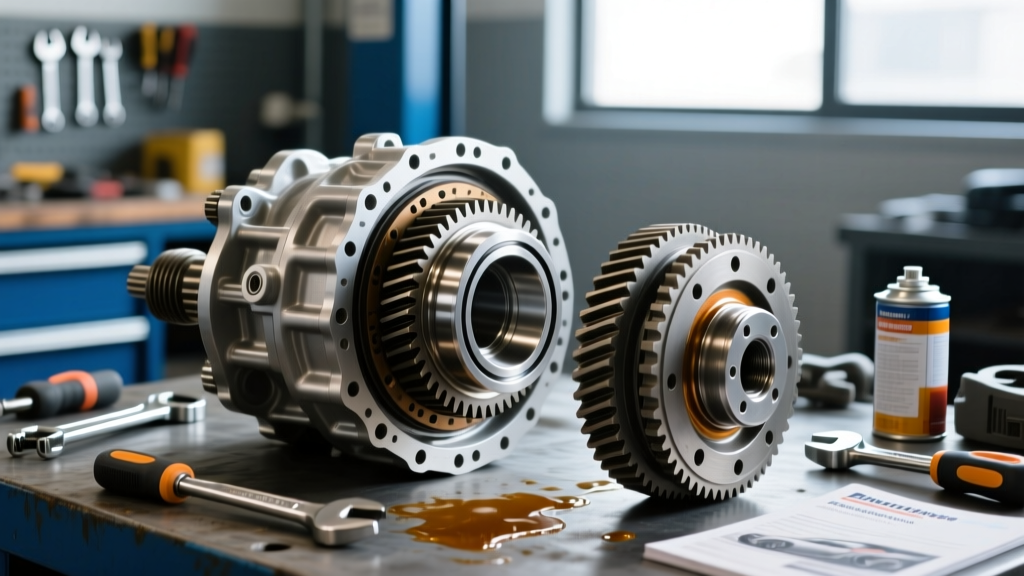
The factory front differential cover on most F-150 IFS axles is designed primarily for cost-efficiency and packaging constraints, not extreme thermal dissipation. Typically made from stamped steel or smooth-cast aluminum, the OEM cover lacks external cooling fins. Furthermore, the internal geometry is often flat, meaning it does not direct the churning gear oil over the hottest parts of the housing. As the 75W-85 or 80W-90 gear oil degrades from thermal cycling, its film strength weakens, leading to accelerated wear on the pinion bearings and ring gear teeth.
Top Aftermarket Differential Covers for Thermal Management
Upgrading to a finned, high-capacity aftermarket differential cover is one of the most cost-effective modifications you can make for your front axle. By increasing the fluid volume and adding surface area for convective cooling, you can drop operating temperatures by 20°F to 40°F under load. Below is a comparison of popular upgrade paths available in the market today, which you can explore further via Summit Racing's differential cover catalog.
| Cover Type / Brand | Material & Design | Fluid Capacity Increase | Estimated Price (USD) | Best Application |
|---|---|---|---|---|
| OEM Replacement | Stamped Steel / Smooth Cast | None (Stock ~1.5 qts) | $45 - $65 | Stock trucks, budget rebuilds |
| Motive Gear Finned | Cast Aluminum w/ External Fins | +0.2 Quarts | $90 - $130 | Light off-road, daily 4A driving |
| PML / Mag-Hytec Heavy Duty | A356-T6 Aluminum, Deep Fins, Magnetic Plug | +0.5 to +0.8 Quarts | $210 - $260 | Towing, plowing, aggressive 4WD |
Step-by-Step Installation and Torque Specifications
Installing a new front differential cover on an F-150 IFS requires precision. The front housing is aluminum, meaning the threads are susceptible to stripping if over-torqued. Follow this procedure to ensure a leak-free, structurally sound installation:
- Preparation: Jack up the front end and support the truck on jack stands. Remove the front skid plate if equipped. Place a drain pan capable of holding at least 2 quarts beneath the differential.
- Draining: Remove the fill plug first (always do this before the drain plug or popping the cover to prevent a vacuum lock). Remove the drain plug or unbolt the cover. If removing the cover, use a rubber mallet to break the RTV seal; never pry with a screwdriver against the machined aluminum mating surface.
- Cleaning: Scrape off all old RTV silicone from both the cover and the housing using a plastic gasket scraper. Wipe the mating surfaces with brake cleaner and a lint-free cloth. Inspect the inside of the diff for excessive metallic paste (a fine glitter is normal; chunks indicate bearing failure).
- Sealing: Apply a continuous 3mm bead of high-temp RTV silicone (such as Permatex Ultra Black or The Right Stuff) to the aftermarket cover. Allow it to skin over for 10 minutes if recommended by the manufacturer.
- Torque Sequence: Install the cover and hand-thread the M8 x 1.25 bolts. Torque the bolts in a crisscross pattern to 20 lb-ft (27 Nm). Do not exceed 22 lb-ft, as the aluminum IFS pumpkin threads will strip.
- Filling: Fill with the specified synthetic gear oil until it reaches the bottom of the fill hole threads. Reinstall the fill plug and torque to 25 lb-ft.
Pairing the Cover with the Right 75W-85 Synthetic Fluid
A high-capacity cover is only half of the thermal management equation. The fluid itself must withstand extreme shearing forces inherent to hypoid gear sets. For the modern F-150 front IFS, Ford typically specifies a 75W-85 Synthetic Hypoid Gear Oil to reduce parasitic drag and improve cold-weather shifting, though 80W-90 or 75W-90 synthetics are frequently used by the off-road community for added film strength. You can verify your specific year's OEM requirements via Motorcraft's official lubricant specifications.
When selecting a fluid, look for API GL-5 certification and high levels of Zinc Dialkyldithiophosphate (ZDDP) or Boron extreme-pressure (EP) additives. If your truck is equipped with an electronic locking front differential (rare, but present on some specialized Tremor or Raptor variants), ensure the fluid contains the necessary friction modifiers to prevent chatter, though most front IFS setups operate as open or brake-actuated limited-slip systems that do not require the same friction modifiers as the rear axle.
Diagnosing Thermal Breakdown and Fluid Shearing
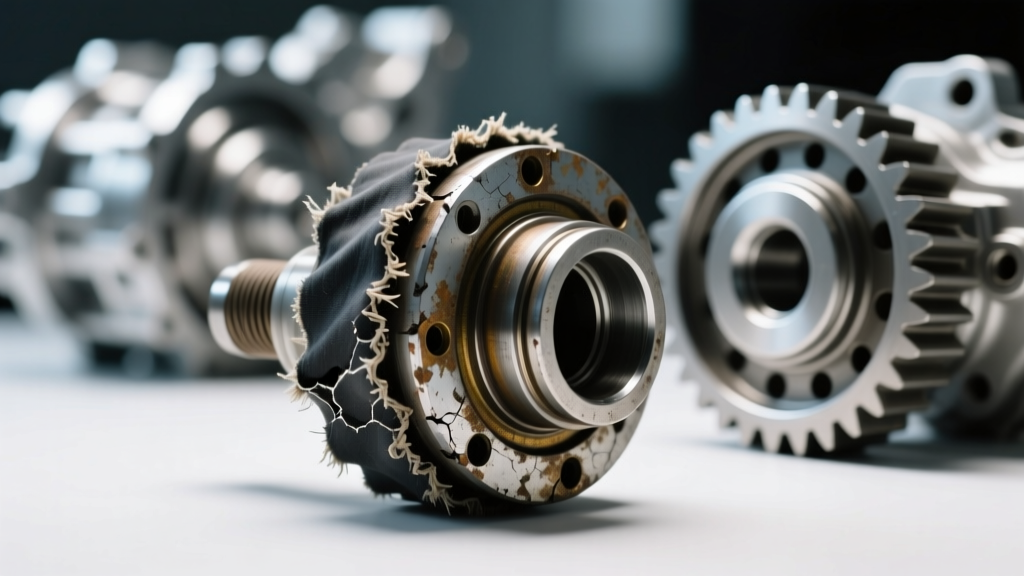
How do you know if your current front differential fluid has succumbed to thermal breakdown? Gear oil relies on long-chain polymers to maintain its viscosity across temperature ranges. When subjected to the intense localized heat of the pinion gear mesh (which can momentarily exceed 300°F at the tooth contact patch), these polymers shear.
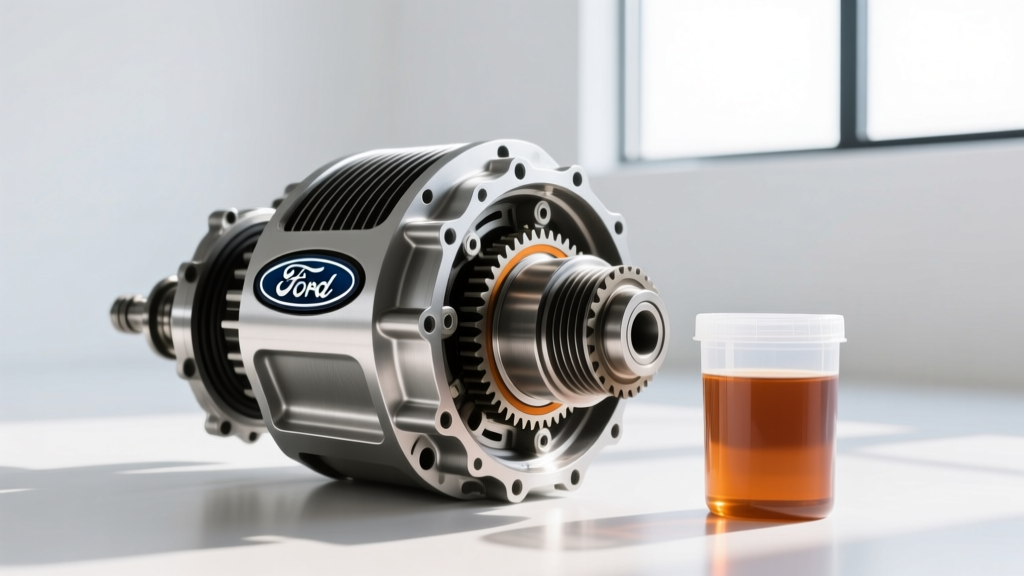
Expert Insight: If you drain your front differential fluid and it smells distinctly like burnt sulfur or has a dark, opaque, tar-like consistency rather than a translucent honey or amber hue, the oil has oxidized past its useful life. This is incredibly common in F-150s that frequently operate in 4WD Auto on dry, high-traction surfaces, as the front axle experiences micro-binding that generates massive amounts of heat.
For comprehensive troubleshooting on drivetrain noises and fluid states, etrailer's differential maintenance FAQ offers excellent visual guides on identifying gear wear patterns and fluid contamination.
The Role of Magnetic Drain Plugs
When upgrading your cover, ensure it features a high-strength neodymium magnetic drain plug. The front differential does not have a filter. As the ring and pinion wear, or as the needle bearings in the axle shafts degrade, microscopic ferrous particles circulate in the oil. A magnetic plug captures these particles, preventing them from acting as a lapping compound between the gear teeth. During your 30,000-mile fluid change intervals, inspecting the fuzz on the magnetic plug is the single best non-invasive diagnostic tool for the health of your F-150's front IFS axle.
Conclusion
The front differential of the F-150 is a marvel of packaging, allowing for independent suspension and rugged 4x4 capability. However, the thermal limitations of the OEM cover and standard fluid can bottleneck the system's durability, especially in the era of 4WD Auto and high-output twin-turbo engines. By investing in a finned, high-capacity aluminum differential cover and pairing it with a premium 75W-85 or 75W-90 synthetic gear oil, you actively extend the life of your ring, pinion, and bearings. Adhering to strict torque specifications and utilizing magnetic drainage ensures that your front axle remains cool, quiet, and reliable for hundreds of thousands of miles.