Do Formula 1 Cars Have a Clutch? The F1 vs. Automatic Reality
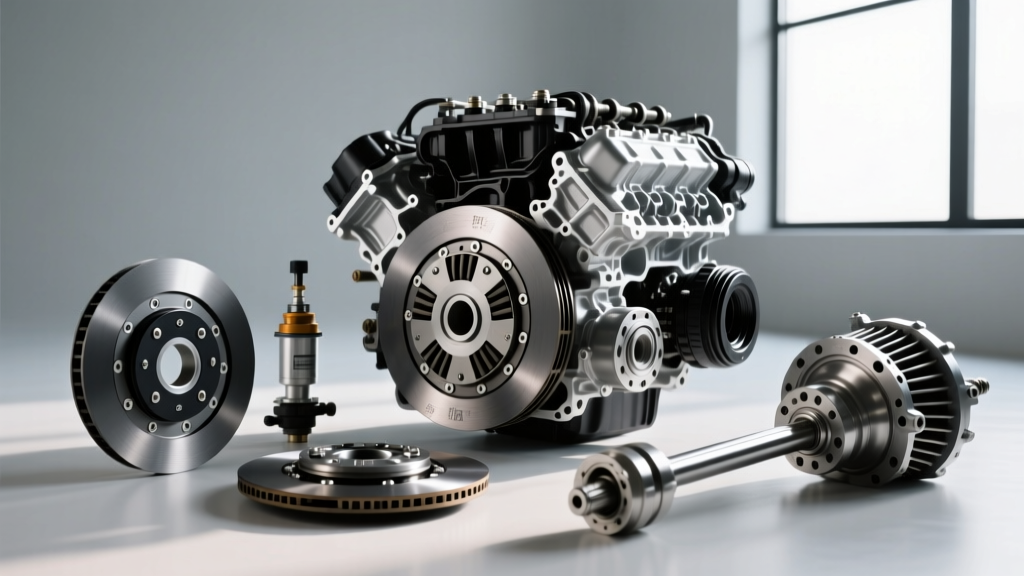
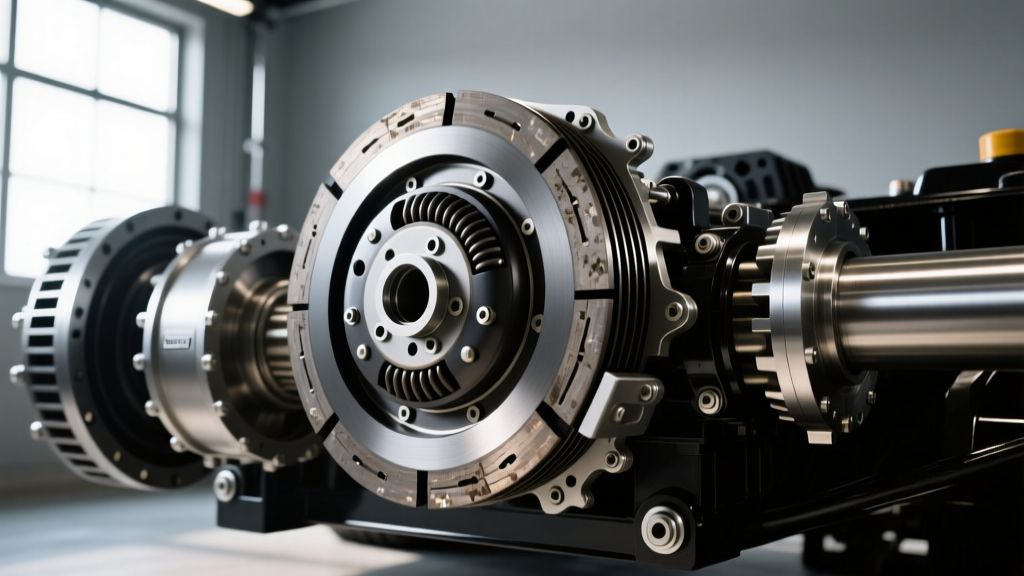
When automotive enthusiasts ask, do formula 1 cars have a clutch, the answer is a definitive yes—but it is entirely different from the clutch systems found in consumer vehicles. Modern F1 cars utilize a multi-plate carbon fiber clutch (typically manufactured by AP Racing or Sachs) that is roughly 150mm in diameter. However, this clutch is almost exclusively used for launching the car from a standstill and managing low-speed pit lane maneuvers. Once the car is in motion, the seamless-shift sequential gearbox uses electronic barrel actuators and dog rings to swap gears in under 30 milliseconds without interrupting torque or requiring a traditional clutch pedal.
In stark contrast, the automatic transmission in your daily driver does not rely on dog rings or seamless-shift barrel actuators. Instead, modern consumer automatics—such as the ubiquitous ZF 8HP or the GM 6L80/10L80 families—rely on a complex network of internal hydraulic multi-disc clutch packs to execute every single gear change. Understanding the engineering divide between an F1 launch clutch and consumer automatic transmission clutch packs is critical when diagnosing drivetrain issues. In this 2026 comparison and buyer's guide, we will explore how automatic transmission clutches operate, the most common failure points, and how to select the right replacement components when internal friction materials inevitably degrade.
The Anatomy of Automatic Transmission Clutch Problems
Unlike a manual transmission's single dry-friction clutch disc, an automatic transmission houses between four and six distinct clutch packs (often labeled Clutch A, B, C, D, etc., depending on the manufacturer). Each pack consists of alternating friction discs (lined with cellulose, Kevlar, or carbon-impregnated paper) and bare steel separator plates, all bathed in Automatic Transmission Fluid (ATF).
When the Transmission Control Module (TCM) commands a gear change, it routes pressurized hydraulic fluid to a specific clutch drum's apply piston. This compresses the friction and steel plates together, locking a specific planetary gearset component to the transmission housing or sun gear. ZF Group's official transmission documentation highlights that modern 8-speed and 10-speed automatics overlap clutch engagement and release phases to simulate the seamless power delivery seen in motorsport, but this constant slipping and locking generates immense heat and wear.
Clutch problems in automatic transmissions generally manifest in three ways:
- Friction Material Glazing or Burnout: Caused by low line pressure, degraded ATF, or aggressive towing, leading to RPM flares during shifts.
- Seal and Piston Blowouts: Hardened rubber O-rings or cracked aluminum pistons fail to hold hydraulic pressure, resulting in delayed engagement (especially noticeable when shifting from Park to Reverse).
- Mechanical Fatigue: Wave plates or snap rings shatter, sending metal debris directly into the valve body and mechatronic solenoids.
Diagnosing Clutch Problems in Modern Automatics (2026 Guide)
To effectively diagnose and repair automatic clutch failures, we must look at the two most prevalent transmission platforms on the road today: the GM 6L80/6L90 and the ZF 8HP series.
GM 6L80 / 6L90: The 3-5-R Wave Plate Catastrophe
The GM 6L80 and 6L90 transmissions are legendary for their torque capacity, but they suffer from a highly specific and devastating clutch problem: the failure of the 3-5-R clutch wave plate. This thin, corrugated steel plate is designed to cushion the engagement of the 3rd, 5th, and Reverse clutches. Over time, cyclic fatigue causes the wave plate to snap.
Symptoms: Sudden loss of 3rd, 5th, and Reverse gears. You may also notice metallic glitter suspended in the ATF when pulling the dipstick or dropping the pan.
The Damage: When the wave plate shatters, metal shards are forced into the clutch drum, scouring the friction discs and eventually migrating into the Transmission Electro-Hydraulic Control Module (TEHCM). The debris clogs the delicate solenoid screens, causing secondary line-pressure failures.
Repair Specs & Action Plan: A simple clutch pack swap is insufficient. A proper 2026 repair requires removing the transmission, splitting the case, and replacing the 3-5-R clutch hub, the wave plate, and the entire TEHCM unit. When reinstalling the bellhousing to the engine block, ensure you torque the bolts to 35 lb-ft (47 Nm). The TEHCM must be flashed with the latest GM calibration file using a bi-directional scan tool to relearn the clutch volume indices (CVI).
ZF 8HP (8HP70 / 8HP90): Mechatronic Seal Leaks and Clutch Slip
The ZF 8-speed automatic is a masterpiece of efficiency, found in everything from the BMW 3-Series to the Dodge Charger and Jaguar F-Type. However, its clutch problems are rarely caused by the friction materials themselves, but rather by the hydraulic system that feeds them.
Symptoms: Harsh downshifts, RPM flares specifically on the 2-3 or 4-5 upshifts, and a 'drivetrain malfunction' warning on the dash.
The Damage: The ZF 8HP utilizes a mechatronic unit that integrates the valve body and TCM. The plastic sealing sleeves and adapter rings that mate the mechatronic unit to the transmission case degrade and crack over time (usually between 80,000 and 110,000 miles). This creates an internal hydraulic leak. Clutches A and C starve for fluid pressure, causing them to slip and overheat, which rapidly glazes the friction discs.
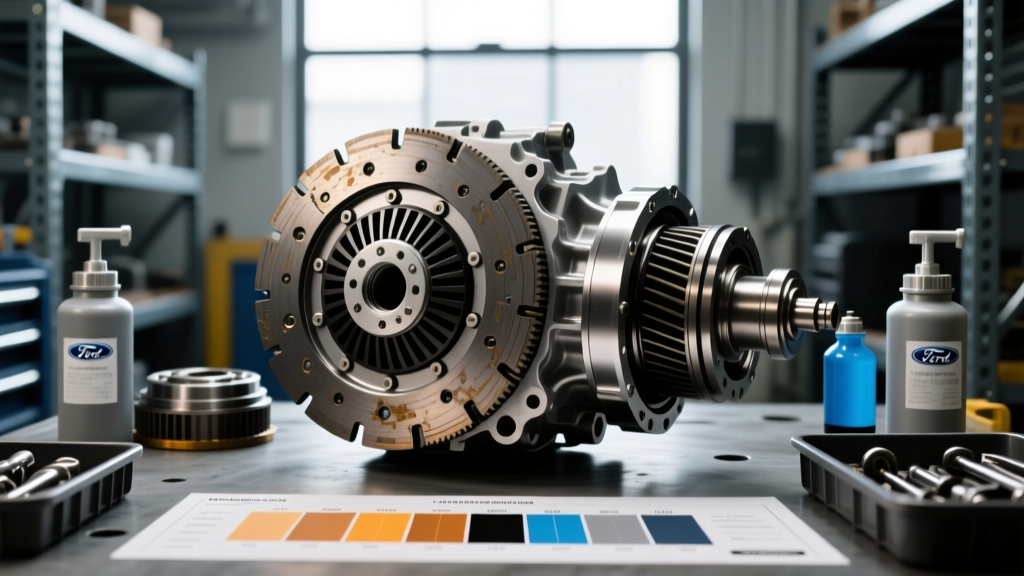
Repair Specs & Action Plan: Before condemning the internal clutch packs, perform a hydraulic pressure test. If line pressure drops at high RPM, replace the mechatronic sealing sleeve kit (ZF Part # 0501 216 243). If the clutches are already burned, a full teardown is required. When reassembling, the integrated transmission pan and filter assembly must be torqued to exactly 10 Nm (88 lb-in) in a specific crisscross pattern to prevent case warping. The dry-fill fluid capacity is 8.5 Liters of ZF LifeguardFluid 8; do not use generic multi-vehicle ATF, as the friction modifiers are incompatible with ZF's proprietary clutch paper.
Buyer’s Guide: Choosing the Right Automatic Clutch Replacement Kit
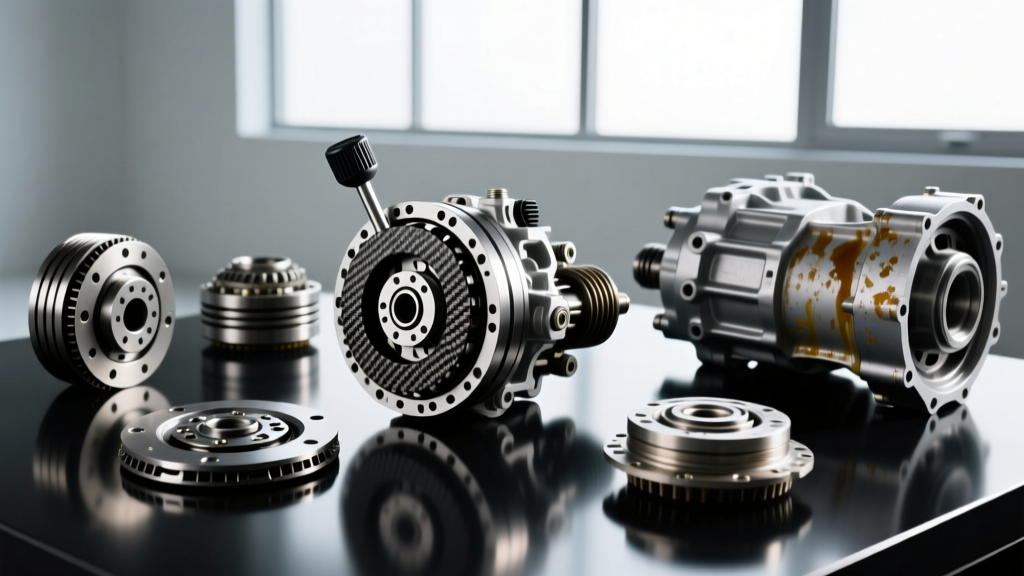
When rebuilding an automatic transmission, selecting the correct friction material is paramount. The market is dominated by three primary tiers of clutch kits. According to Raybestos Powertrain's GPZ friction technology data sheets, modern clutch materials must withstand significantly higher thermal loads due to the aggressive shift schedules programmed into 2020+ vehicle computers.
| Brand / Tier | Friction Material | Best Application | Est. Kit Price (2026) | Pros & Cons |
|---|---|---|---|---|
| OEM (ACDelco / ZF) | Standard Cellulose/Paper | Daily drivers, stock towing | $350 - $550 | Perfect shift feel; lacks high-heat durability for modified engines. |
| Raybestos GPZ | High-Energy Carbon-Kevlar | Heavy towing, tuned vehicles | $600 - $850 | Massive torque capacity; requires precise TCM tuning to avoid harsh shifts. |
| Alto Red Eagle | Proprietary Red Friction | Motorsport, drag racing, sled pulling | $700 - $1,100 | Extreme grip under high line pressure; not recommended for luxury comfort. |
Buyer's Tip: If you are rebuilding a ZF 8HP for a high-horsepower BMW or Supra, the Alto Red Eagle kit combined with an upgraded Sonnax line pressure booster is the gold standard. For a GM 6L80 in a Silverado used for towing, the Raybestos GPZ master kit offers the best balance of longevity and heat resistance.
Real-World Repair Costs and Labor Expectations
Addressing clutch problems in automatic transmissions is a labor-intensive endeavor. Unlike a manual transmission where the clutch can be swapped by dropping a subframe or unbolting the bellhousing in a few hours, automatic clutch packs require a complete transmission removal, teardown, and clean-room reassembly.
As of 2026, expect the following pricing structures at reputable drivetrain specialty shops:
- GM 6L80 Master Rebuild (Including TEHCM & 3-5-R Hub): $2,800 – $3,600 out-the-door.
- ZF 8HP Clutch & Mechatronic Seal Refresh: $3,500 – $4,800 (largely due to the cost of OEM ZF LifeguardFluid and mechatronic adapter rings).
- Diagnostic Fee: $150 – $250 (Covers bi-directional scanning, line-pressure testing, and CVI analysis).
Final Verdict: F1 Tech vs. Daily Driver Longevity
So, do formula 1 cars have a clutch? Yes, but it is a specialized, ultra-lightweight launch device that avoids the constant friction-wear cycle of consumer vehicles. Your automatic transmission, however, is performing thousands of microscopic clutch engagements every time you drive to the grocery store. By recognizing the early symptoms of automatic clutch degradation—such as RPM flares, delayed engagements, or harsh downshifts—and investing in high-quality friction materials like GPZ or Red Eagle during a rebuild, you can ensure your daily driver achieves motorsport-level reliability without the motorsport-level maintenance budget.