The Short Answer: Do Formula One Cars Have a Clutch?
When watching a Formula One grid start, the seamless launch of 20 cars often leads enthusiasts to ask: do Formula One cars have a clutch? The answer is an unequivocal yes. However, the clutch in a modern F1 car bears almost no resemblance to the single-plate organic or Kevlar clutches found in street vehicles. F1 utilizes an ultra-compact, multi-plate carbon-on-carbon clutch assembly actuated by electro-hydraulic valves controlled via steering wheel paddles. There is no traditional clutch pedal; instead, the driver uses a bite-point paddle to manage slip during race starts.
For track-day builders, time-attack competitors, and motorsport engineers, understanding how these exotic F1 clutches fail provides a masterclass in high-performance drivetrain diagnostics. By analyzing the root causes of F1 clutch failures, we can better select, install, and maintain the multi-plate carbon and sintered iron clutches available in the aftermarket. This guide breaks down F1 clutch failure modes and transitions into a comprehensive buyer's guide for translating this technology to your own track build in 2026.
F1 Clutch Architecture and the 2026 Hybrid Era
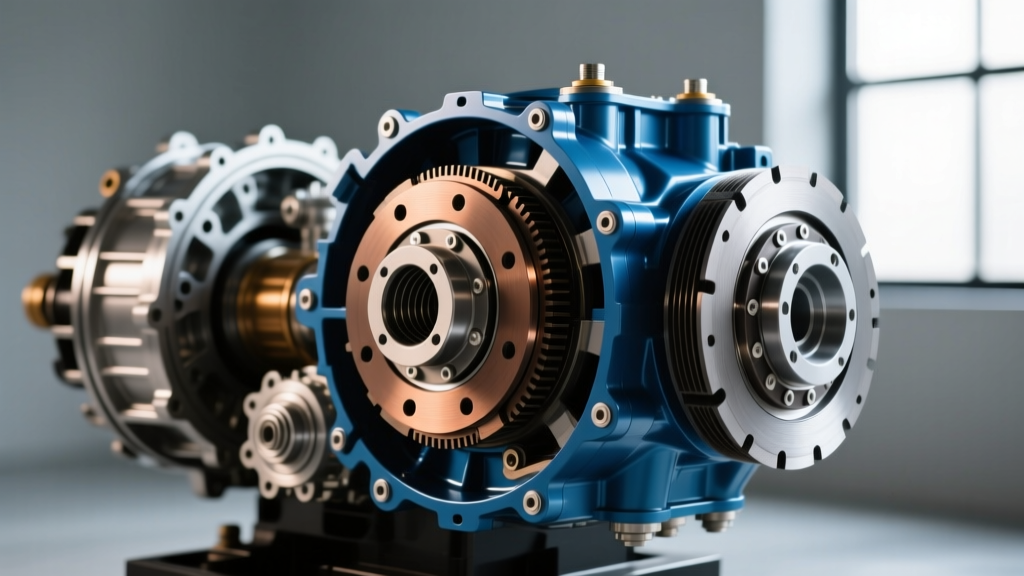
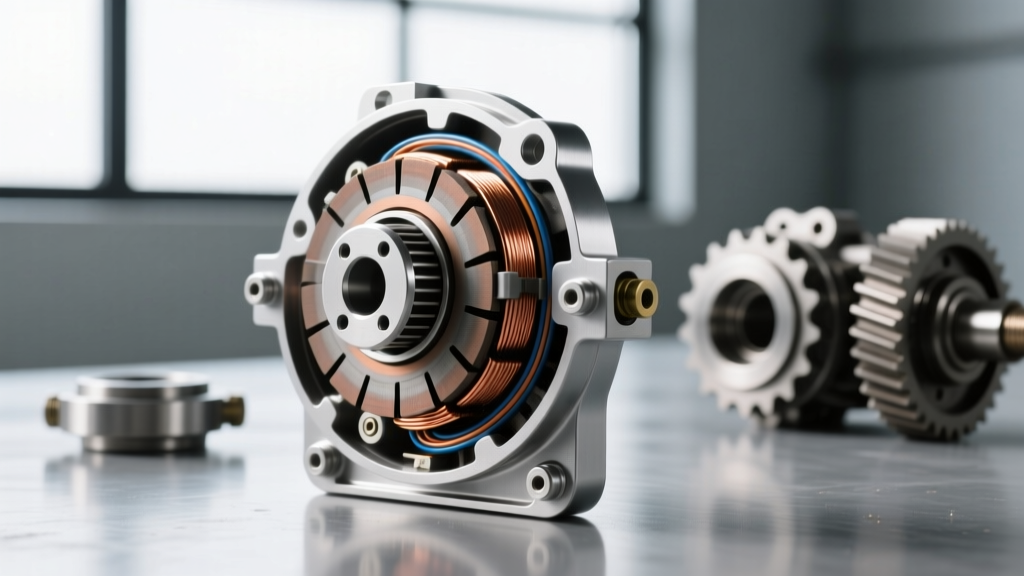
Modern F1 clutches are marvels of minimalism. To minimize rotational inertia and lower the car's center of gravity, the clutch assembly is typically limited to roughly 80mm to 90mm in diameter. It features three to four carbon friction plates interleaved with carbon steel separator plates. Despite its small size, it handles immense thermal loads during the deliberate slip phase of a race start.
With the FIA's 2026 power unit regulations drastically increasing the electrical output of the MGU-K (Motor Generator Unit-Kinetic) to 350kW, the instantaneous torque delivery at zero RPM places unprecedented shock loads on the clutch hub and input shaft splines. This makes understanding failure modes more critical than ever for anyone running high-horsepower hybrid or turbocharged track cars.
Root Cause Analysis: F1 Carbon Clutch Failure Modes
When an F1 clutch fails, it is rarely due to simple friction material wear. The failure modes are deeply tied to thermal dynamics, metallurgy, and hydraulic actuation. Here is a root cause analysis of the three primary failure modes.
1. Thermal Glazing and Matrix Breakdown
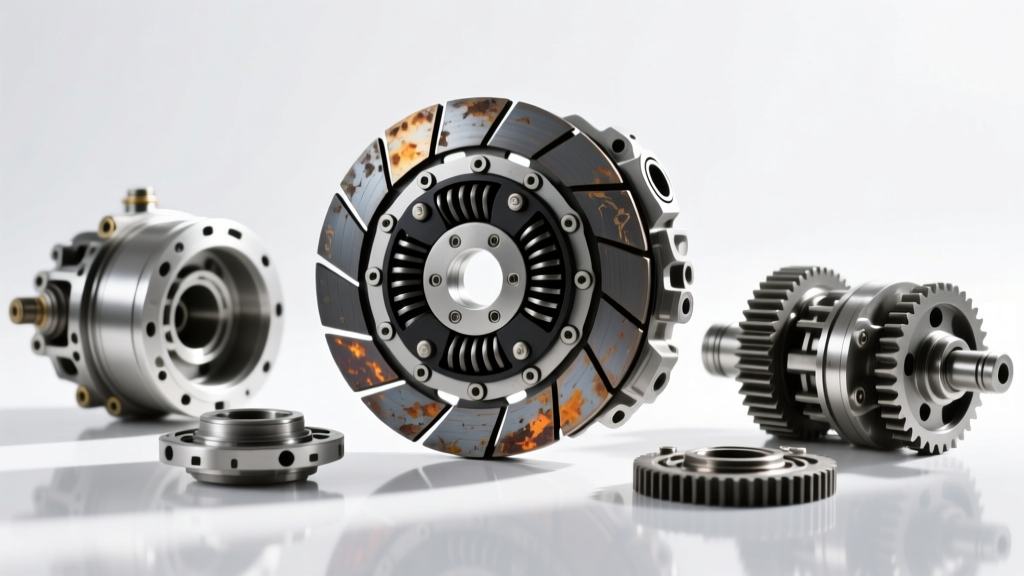
Unlike organic street clutches that slip best when cool, carbon-on-carbon clutches require extreme heat (typically 400°C to 600°C) to achieve optimal friction coefficients. However, if the clutch slip is mismanaged during a start or a pit-lane launch, surface temperatures can exceed 800°C. At this threshold, the carbon matrix begins to oxidize and glaze. The friction surface becomes glass-like, resulting in catastrophic clutch slip under load. In severe cases, the resin binder vaporizes, leaving behind a fragile, porous carbon structure that shatters under torque.
2. Spline Fretting and Hub Shear
The input shaft splines on an F1 gearbox are coated to reduce friction, but the instantaneous torque spikes from the hybrid system can cause micro-welding and fretting corrosion. If the clutch hub binds on the input shaft due to fretting, the clutch will fail to disengage, leading to missed shifts and gearbox damage. Root cause analysis often points to inadequate spline lubrication or harmonic vibrations from the drivetrain that accelerate spline wear.
3. Electro-Hydraulic Actuator Cavitation
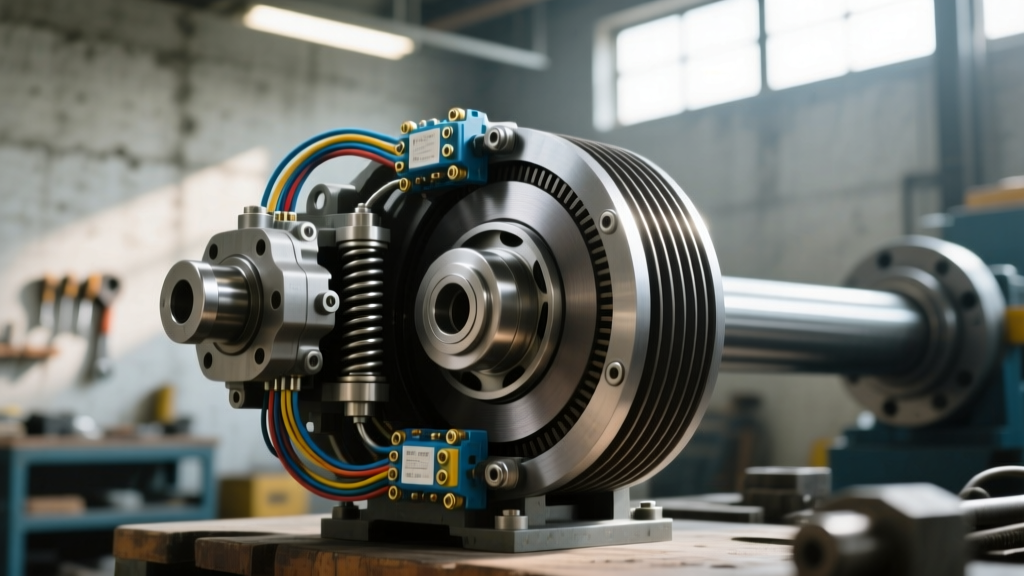
F1 clutches rely on high-pressure hydraulic fluid (often exceeding 1,500 psi) actuated by servo valves. If the hydraulic fluid degrades or absorbs moisture, the intense heat radiating from the carbon clutch pack can cause the fluid to boil inside the actuator piston. This cavitation results in a spongy, inconsistent bite point, making it impossible for the driver's ECU mapping to accurately modulate clutch slip.
Track Buyer’s Guide: Translating F1 Tech to Your Build
While you cannot purchase a genuine 80mm F1 clutch for your project car, the aftermarket offers multi-plate carbon, cerametallic, and sintered iron clutches that utilize identical engineering principles. When shopping for a track clutch, your choice of friction material dictates your failure modes and drivability. Below is a comparison of top-tier track clutch options for 2026.
| Material Type | Brand / Model Series | Max Torque Capacity | Avg. Price (USD) | Engagement & Failure Profile |
|---|---|---|---|---|
| Carbon-on-Carbon | Tilton OT-II 7.25" (55-Series) | 900 lb-ft | $4,200 - $4,800 | Requires heat to bite. Prone to glazing if slipped excessively at low RPM. Ultra-lightweight. |
| Cerametallic | Exedy Hyper Multi (HMT Series) | 650 lb-ft | $1,100 - $1,600 | Aggressive street/track compromise. Resists glazing better than carbon but harsh on street drivetrains. |
| Sintered Iron | AP Racing 7.25" Multi-Plate | 850 lb-ft | $1,800 - $2,400 | Extremely durable, handles high slip without glazing. Heavy engagement; requires frequent spline lubrication. |
Buyer's Verdict: If you are building a dedicated time-attack or hill-climb car where weight and rotational inertia are paramount, invest in a Tilton carbon clutch. If your build is a dual-purpose track/street car that sees heavy stop-and-go traffic where low-speed slipping is unavoidable, a cerametallic or sintered iron setup from AP Racing or Exedy will prevent the thermal glazing failure mode inherent to carbon.
Diagnostic Protocols and Installation Torque Specs
Preventing clutch failure in a multi-plate track setup requires strict adherence to installation protocols and hydraulic maintenance. The most common root cause of premature track clutch failure is improper setup, not material defect.
Critical Installation Specifications
- Flywheel to Crank Bolts: Always use new ARP or OEM bolts. For typical 3/8" UNF flywheel bolts, torque to 45-50 lb-ft using red Loctite 271. For smaller 5/16" UNF bolts (common in Tilton aluminum flywheels), torque to 25-28 lb-ft with medium Loctite 243.
- Clutch Hat to Flywheel: Torque the clutch cover (hat) bolts in a star pattern. For 1/4" UNF bolts, the spec is typically 18-22 lb-ft. Over-torquing will distort the clutch cover, leading to uneven clamp load and immediate chatter.
- Spline Lubrication: Never use standard chassis grease on the input shaft splines. High centrifugal forces will throw the grease onto the friction plates, causing slip. Use a dedicated molybdenum disulfide (Moly) paste or the specific grease provided by the manufacturer, applying only a micro-thin film.
Hydraulic Diagnostics and Fluid Selection
Track clutches generate immense radiant heat. Using standard DOT 3 or DOT 4 fluid in a track car without a dedicated cooling system is a recipe for vapor lock. Upgrade to a high-boiling-point fluid like Castrol React SRF or AP Racing PRF 660. When bleeding the system, use a pressure bleeder set to 25-30 psi. Gravity bleeding is insufficient for multi-plate clutches, as air easily becomes trapped in the complex internal galleries of the slave cylinder release bearing.
Expert Diagnostic Tip: If your multi-plate clutch begins to chatter aggressively upon engagement, measure the total pack wear. Using a feeler gauge between the pressure plate and the friction disc stack, check the wear limit. For most 7.25" multi-plate setups, if the total wear exceeds 0.040" to 0.060", the diaphragm spring has lost its clamping geometry. No amount of hydraulic adjustment will fix this; the clutch pack must be rebuilt.
Final Thoughts on High-Performance Clutch Systems
Understanding the engineering behind Formula One clutches demystifies the extreme demands placed on motorsport drivetrains. While F1 teams have the budget to replace carbon clutch packs every few races, privateer track builders must rely on proper root cause analysis, precise torque specs, and intelligent material selection to ensure reliability. Whether you choose a Tilton carbon setup for ultimate weight savings or an AP Racing sintered iron unit for brute durability, respecting the thermal and mechanical limits of your clutch system is the key to consistent, failure-free lap times.