The Evolution of Drivetrain Noise Diagnosis
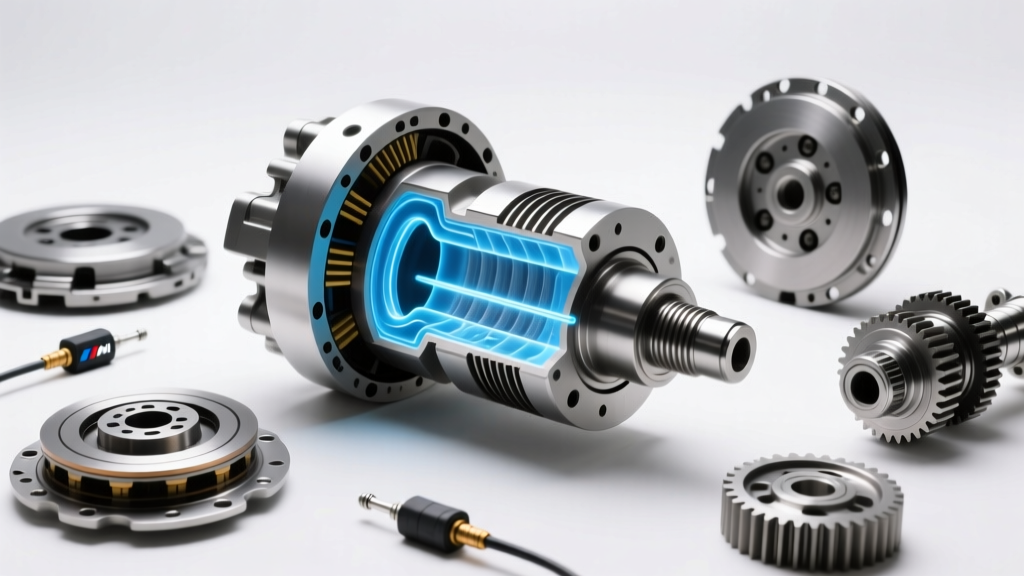
As we navigate the automotive landscape of 2026, the traditional open differential has largely been replaced in performance and luxury segments by sophisticated electronic Limited-Slip Differentials (eLSD) and torque-vectoring units. Platforms utilizing the ZF HA4098 or the GKN Twinster eAxles rely on intricate hydraulic circuits to modulate clutch pack engagement. When these units develop whining, binding, or chattering noises, the root cause is rarely simple gear wear. Instead, it is often a hydraulic fault.
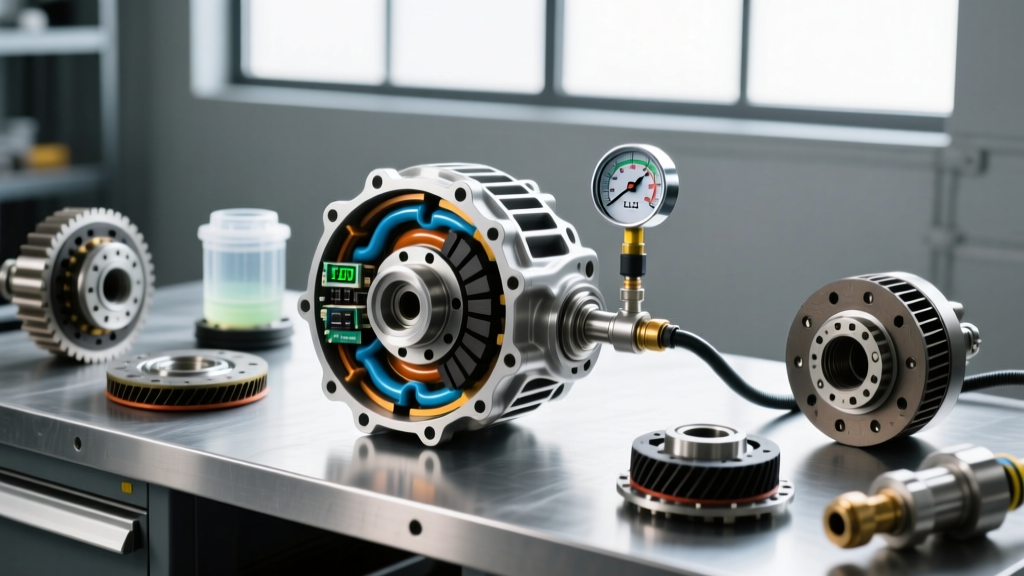
Expert technicians now rely on a differential pressure gage to measure the pressure delta across the eLSD's internal hydraulic filter and clutch feed circuits. A restriction here starves the clutch pack, causing micro-slip (chatter) or incomplete lockup (binding noise) during cornering. This guide details the exact methodology for using pressure diagnostics to isolate eLSD noise, complete with factory specifications and fluid requirements.
Acoustic Profiling: Identifying the Noise Signature
Before connecting your diagnostic equipment, you must accurately profile the acoustic signature of the differential. eLSD failures present differently than traditional ring-and-pion gear wear.
- Coast-Down Whine (40-60 MPH): Often indicates a failing pinion bearing or improper gear backlash, but in eLSDs, it can be caused by the clutch pack dragging due to a stuck proportional solenoid.
- Low-Speed Cornering Chatter: The classic hallmark of eLSD fluid degradation or a clogged internal filter, preventing the clutch from modulating smoothly.
- High-Frequency Hiss or Cavitation Noise: Points directly to a restricted suction tube or a collapsed hydraulic filter, starving the pump.
Why a Differential Pressure Gage is Mandatory
Standard OBD2 scanners can only read the commanded solenoid duty cycle, not the actual hydraulic result. If the internal filter is clogged with friction material, the TCM might command 80% clutch pressure, but the physical line pressure will drop. By installing a differential pressure gage across the filter housing or clutch feed orifice, you can measure the exact pressure drop (Delta P). A high differential pressure reading confirms a hydraulic restriction before you ever tear down the differential casing.
Diagnostic Table: eLSD Pressure & Noise Correlation
Use the following reference table when evaluating hydraulic data alongside acoustic symptoms. Data based on common ZF and GKN torque-vectoring eAxle architectures.
| Symptom / Noise | Commanded Pressure (PSI) | Actual Measured Pressure (PSI) | Delta P (Filter Drop) | Probable Root Cause |
|---|---|---|---|---|
| Severe Cornering Chatter | 180 PSI | 95 PSI | 85 PSI (High) | Clogged internal eLSD filter; starved clutch pack. |
| Highway Coast-Down Whine | 0 PSI (Open) | 45 PSI (Bleed) | N/A | Stuck open solenoid valve; dragging clutches. |
| Binding / Tire Hop on Turns | 250 PSI | 245 PSI | 5 PSI (Normal) | Incorrect fluid friction modifier; degraded fluid. |
| Cavitation Hiss at 50+ MPH | 150 PSI | 60 PSI (Fluctuating) | N/A | Cracked pickup tube O-ring; aerated fluid. |
Step-by-Step: Testing with a Differential Pressure Gage
To properly troubleshoot an eLSD hydraulic circuit, you need a digital differential pressure gage capable of reading up to 300 PSI with a 0-5V analog output that can be logged alongside OBD2 CAN data. The Ashcroft XPM4 or an equivalent automotive-grade transducer is the industry standard for this task.
1. Preparation and Port Access
Elevate the vehicle on a four-post lift to allow suspension droop, which changes the internal fluid level and can expose suction leaks. Locate the eLSD hydraulic test port. On many GM and Ford performance applications, this requires removing the rear cover and installing a specialized test plate (e.g., GM special tool J-46254 equivalent) that features integrated Schrader valves for the pump feed and clutch apply circuits.
2. Baseline Fluid Verification
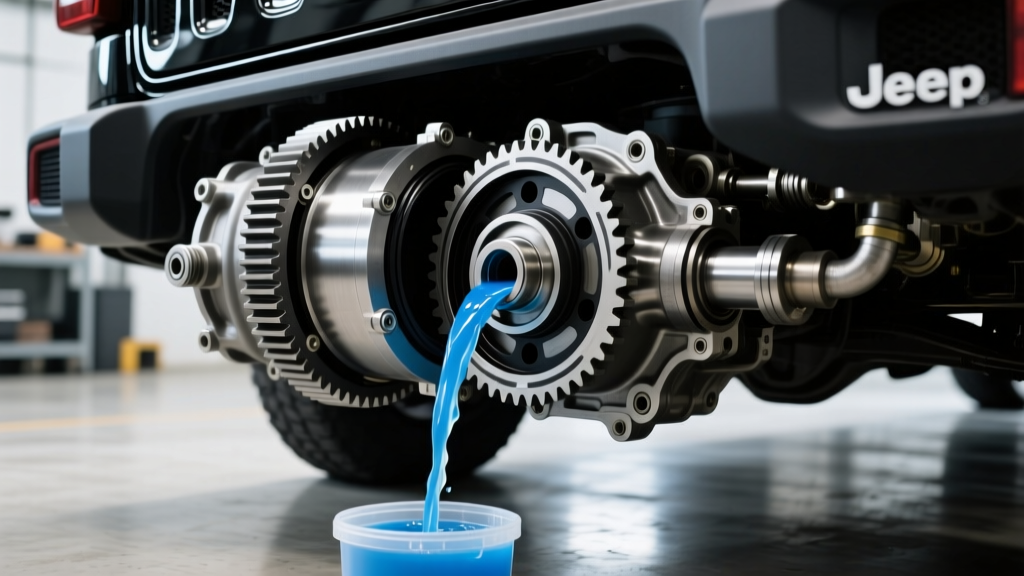
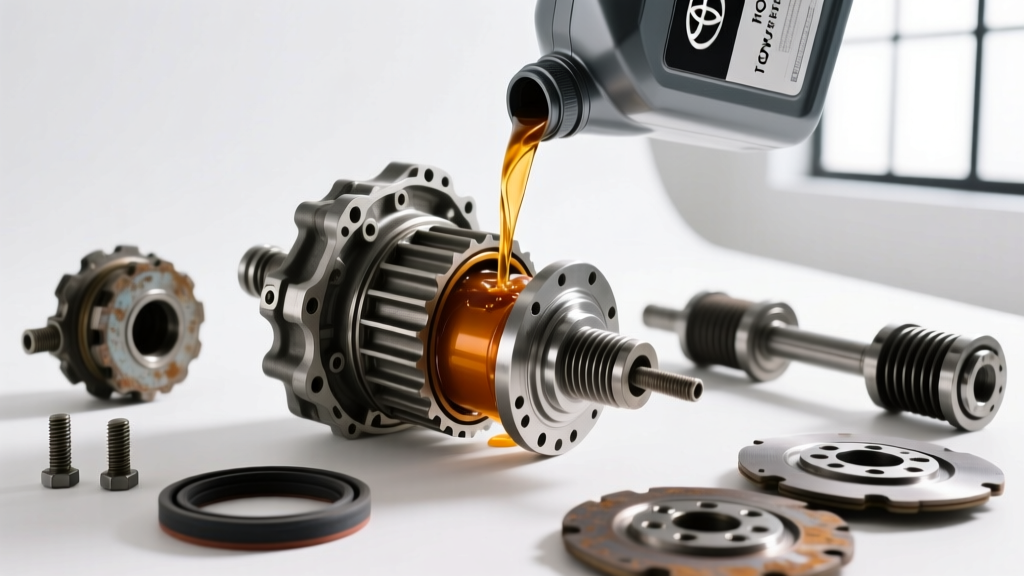
Never test hydraulic pressure with degraded fluid. Drain and refill the unit with the exact OEM specification. For most modern ZF-based eLSDs, this requires a specialized fluid like ZF LifeguardFluid 12 or an equivalent synthetic 75W-85 with proprietary friction modifiers. Standard 75W-90 GL-5 gear oil will destroy the carbon-fiber clutch linings in an eLSD within 500 miles, causing the very chatter you are trying to diagnose.
3. Measuring the Delta P
Connect the high-pressure side of your differential pressure gage to the pump output, and the low-pressure side to the post-filter clutch feed circuit. Run the drivetrain on the lift using a scan tool to manually command the eLSD solenoid to 100% duty cycle.
Expert Insight: A healthy eLSD hydraulic filter should show a differential pressure (Delta P) of less than 15 PSI at maximum pump volume. If your gage reads a Delta P exceeding 40 PSI, the filter is saturated with clutch material, and the pump is cavitating. The resulting noise is the pump screaming for fluid, not gear failure.
Addressing the Root, Not Just the Symptoms
If your differential pressure gage confirms a restriction, simply changing the fluid will not solve the issue. The internal filter is typically non-serviceable without a complete differential teardown. However, if the Delta P is normal but the clutch is still chattering, the issue lies in the fluid's friction coefficient or the solenoid calibration.
Solenoid Relearn and Calibration
After performing any fluid service or solenoid replacement, you must execute a TCM clutch volume relearn. This process uses the transmission control module to stroke the solenoid and map the exact volume of fluid required to achieve clutch lockup. Skipping this step will result in harsh engagements and premature wear. According to diagnostic procedures outlined by ZF Group, the relearn requires the fluid to be between 40°C and 60°C (104°F - 140°F) to account for thermal expansion and viscosity changes.
When to Rebuild vs. Replace
Troubleshooting advanced eAxles requires a cost-benefit analysis. If your pressure diagnostics reveal a failed internal pump or severely scored clutch drums (indicated by metallic debris and a total loss of line pressure), you must decide between a rebuild and a remanufactured unit exchange.
- eLSD Rebuild Costs: Expect to pay between $1,200 and $1,800 for OEM clutch packs, seals, and friction modifiers, plus 6-8 hours of specialized labor.
- Remanufactured Exchange: Typically ranges from $2,500 to $4,000 depending on the core charge and vehicle application (e.g., Cadillac CT4-V Blackwing or BMW M3 G80).
Always consult the latest service bulletins on ALLDATA or OEM portals before ordering parts, as manufacturers frequently update the solenoid calibration files and friction material compositions for these complex differentials.
Conclusion: Trust the Data Over the Ear
Modern drivetrain acoustics are heavily dampened by EV-style NVH treatments and complex AWD coupling logic. Relying solely on auditory diagnosis is a relic of the past. By integrating a differential pressure gage into your diagnostic workflow, you can pinpoint the invisible hydraulic faults causing eLSD noise, saving hours of misdiagnosis and ensuring the longevity of the drivetrain.