The Great Misconception: eCVT vs. Belt-Driven CVTs
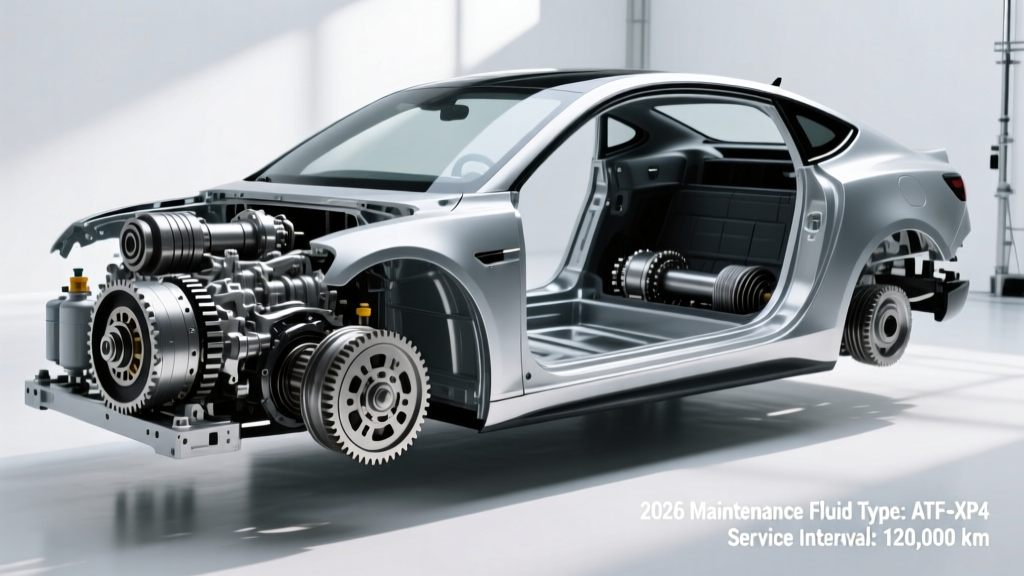
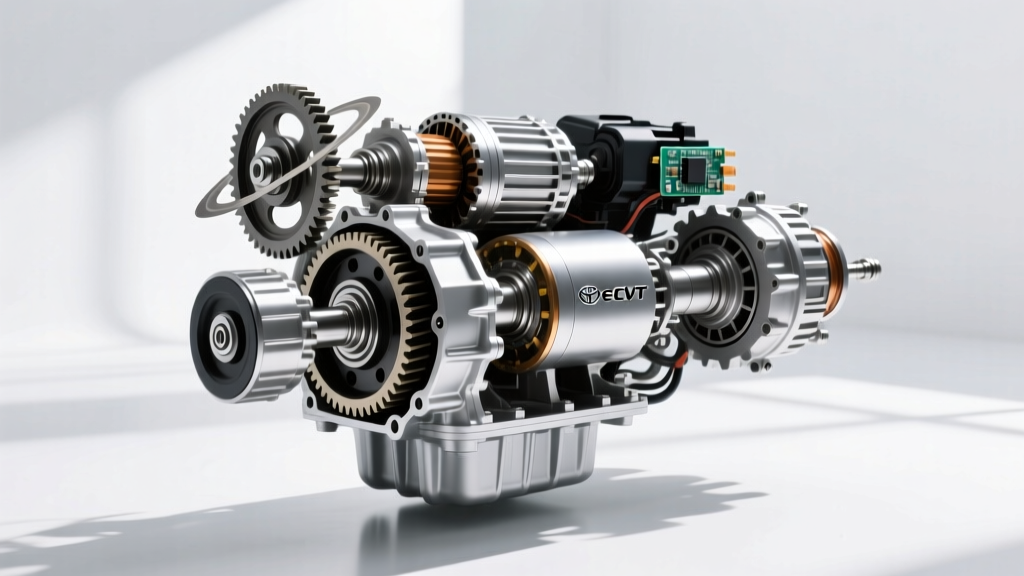
When hybrid owners research what is difference between cvt and automatic transmission maintenance, they often stumble upon advice meant for belt-driven pulley systems. This is a critical error. The 'CVT' in a Toyota Prius, Ford Escape Hybrid, or Honda Accord Hybrid is an electronic Continuously Variable Transmission (eCVT). Unlike the Jatco JF011E or Subaru Lineartronic systems that rely on steel push-belts and variable-diameter pulleys, an eCVT utilizes a planetary gearset and motor-generators to blend power. There are no belts to snap, no chains to stretch, and no torque converters to overheat.
As we navigate the 2026 automotive landscape, hybrid powertrains are more prevalent than ever. Yet, the preventive maintenance protocols for eCVTs remain widely misunderstood. Treating an eCVT like a traditional stepped automatic (such as the ZF 8HP) or a mechanical belt-CVT will lead to improper fluid selection and premature failure of the hybrid transaxle's internal electric motors.
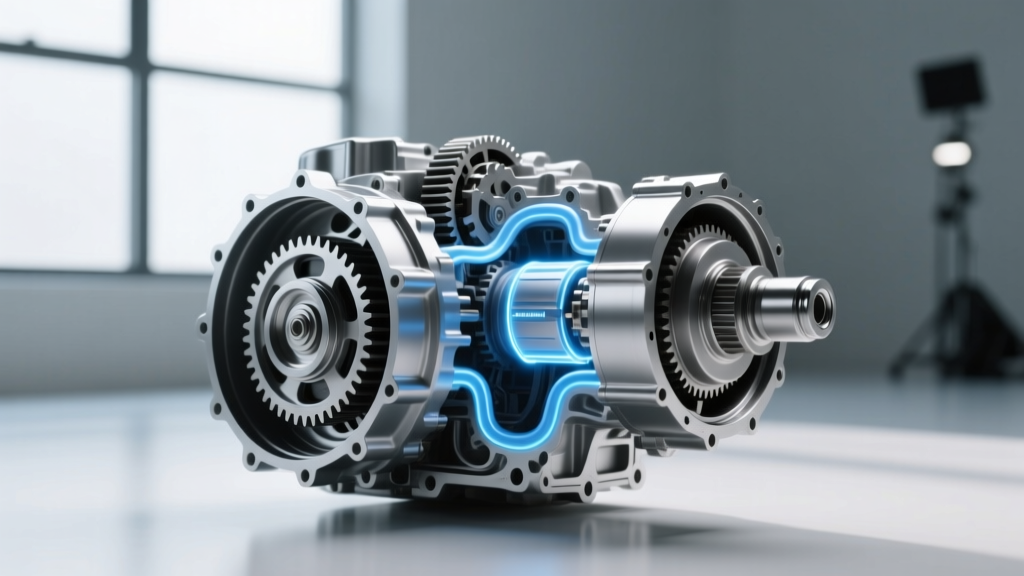
Expert Insight: 'An eCVT is essentially a power-split device. The fluid inside doesn't just lubricate gears; it acts as a dielectric coolant for the motor-generators (MG1 and MG2). Using the wrong ATF variant can cause dielectric breakdown and catastrophic inverter faults.' — ASE Certified Master Technician
Architectural Breakdown: What Is the Difference Between CVT and Automatic Transmission Designs?
To understand the maintenance requirements, we must first look at the mechanical DNA. A traditional automatic uses hydraulic clutch packs and a torque converter. A belt-CVT uses hydraulic pressure to clamp pulleys. An eCVT uses permanent magnet synchronous motors and a planetary gear carrier. Below is a technical comparison of the three architectures.
| Feature | eCVT (Hybrid Power-Split) | Traditional Automatic (e.g., ZF 8HP) | Belt/Chain CVT (e.g., Jatco JF016E) |
|---|---|---|---|
| Core Mechanism | Planetary Gearset + Motor-Generators | Torque Converter + Clutch Packs | Variable Pulleys + Steel Belt/Chain |
| Fluid Function | Gear Lube + Dielectric Motor Coolant | Hydraulic Actuation + Clutch Cooling | Pulley Clamping Pressure + Lube |
| Common Failure Point | Inverter / Bearing Wear (Rare) | Clutch Pack Wear / Valve Body | Belt Slip / Pulley Scoring |
| Fluid Change Interval | 60,000 - 100,000 Miles | 60,000 - 100,000 Miles | 30,000 - 60,000 Miles |
Preventive Maintenance: Toyota P-Series eCVT (P610 / P710 / P810)
Toyota’s transaxle family powers millions of vehicles, from the Prius to the RAV4 Hybrid and Sienna. The P610 and newer P710/P810 transaxles are marvels of reliability, but they are not 'lifetime' sealed units, despite what some dealership service writers might claim.
Fluid Specifications and Capacities
- Required Fluid: Toyota Genuine ATF WS (World Standard). Do not use CVT fluid or generic multi-vehicle ATF.
- Drain and Fill Capacity: 3.4 Liters (3.6 Quarts) for most FWD P610 applications; AWD-e models with a separate rear motor may require slightly more total system volume.
- Strainer Part Number: 35330-47010 (Only replace if dropping the pan; a standard drain-and-fill does not require pan removal).
Torque Specifications and DIY Protocol
The eCVT case is made of lightweight aluminum alloy. Over-torquing the drain or fill plugs will strip the threads, requiring a costly case replacement or helicoil repair.
- Level the Vehicle: The car must be perfectly level on jack stands or a lift.
- Remove Fill Plug First: Located on the side of the transaxle case. Torque spec: 39 Nm (29 ft-lbs).
- Remove Drain Plug: Located on the bottom pan. Torque spec: 39 Nm (29 ft-lbs). Inspect the magnetic ring on the plug. A fine metallic paste is normal; large chunks or glitter indicate internal bearing failure.
- Refill and Level: Pump in 3.4L of ATF WS through the fill hole until it begins to weep out.
Preventive Maintenance: Ford HF35 eCVT
Found in the Ford Escape Hybrid, Maverick Hybrid, and Fusion Hybrid, the HF35 transaxle operates on a similar power-split principle but utilizes entirely different fluid chemistry. According to Ford Motorcraft guidelines, the HF35 requires MERCON ULV (Ultra Low Viscosity) fluid. Using older MERCON LV or ATF WS will result in improper hydraulic pressure to the lockup clutches and motor-generator cooling channels.
The 150,000-Mile Myth vs. Real-World Servicing
Ford’s official maintenance schedule often lists the HF35 fluid as a 'lifetime' or 150,000-mile interval under normal driving conditions. However, independent hybrid specialists universally recommend a drain-and-fill every 60,000 to 80,000 miles. The dielectric properties of MERCON ULV degrade over time due to thermal cycling from the internal electric motors. A 5.4-quart drain-and-fill costs roughly $60 in fluid and takes 45 minutes, a fraction of the cost of replacing a failed HF35 unit.
The Critical 40°C Leveling Protocol
Unlike a traditional automatic transmission that might have a dipstick for checking fluid levels at operating temperature, most modern eCVTs utilize a precision overflow plug. The fluid level is highly sensitive to temperature due to thermal expansion.
To properly set the fluid level, the transaxle must be brought to exactly 40°C (104°F). Professional shops use bi-directional OBD2 scan tools to read the internal transmission temperature sensor (TFT). For DIYers, this means the vehicle must be idling, shifted through the gears to circulate fluid, and measured using an infrared thermometer on the transmission pan. If the fluid is too cold, it will overfill; if too hot, it will underfill, leading to motor-generator cavitation and whining noises under heavy acceleration.
Cost Analysis: Dealership vs. Independent vs. DIY (2026 Pricing)
Understanding the financial aspect of hybrid ownership is crucial for long-term maintenance planning. Below is the current market pricing for an eCVT drain-and-fill service.
| Service Provider | Average Cost (FWD Hybrid) | Pros & Cons |
|---|---|---|
| Dealership | $180 - $260 | OEM fluid guaranteed, but often pushed as 'lifetime' so you must specifically request it. |
| Independent Hybrid Specialist | $130 - $170 | High expertise, proper TFT temperature leveling, supports local business. |
| DIY (At Home) | $45 - $65 | Requires OBD2 scanner for temp reading and a fluid transfer pump. Highest ROI. |
Final Thoughts on Hybrid Drivetrain Longevity
The debate over automotive engineering standards often highlights the brilliance of the power-split eCVT. By eliminating the torque converter and friction bands found in traditional automatics, engineers have created a transmission that routinely outlasts the engine it is bolted to. However, this longevity is entirely dependent on the dielectric health of the transmission fluid. By adhering to strict 60,000-mile drain-and-fill intervals, utilizing exact OEM fluid specifications like ATF WS or MERCON ULV, and respecting aluminum torque limits, your hybrid's eCVT will easily surpass the 250,000-mile mark without missing a beat.