The Anatomy of Clutch Fade in High-Output Singles
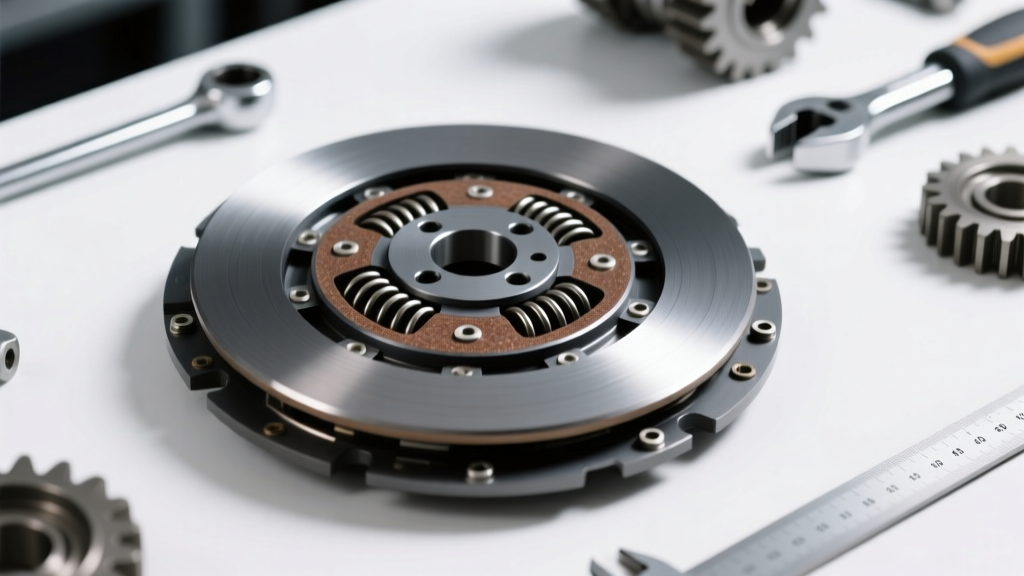
When maintaining the drivetrain of high-output, single-cylinder platforms like the Honda CRF450R or the TRX450R ATV, the clutch basket is the primary wear interface. Unlike automotive multi-clutch packs found in a ZF 8HP or the wet clutch modules of a 6L80 transmission, powersports clutches rely on a compact stack of friction and steel plates bathed in engine oil. Over time, thermal cycling and mechanical slip degrade the friction material, leading to lever fade, slipping under load, and ultimately, catastrophic basket notching.
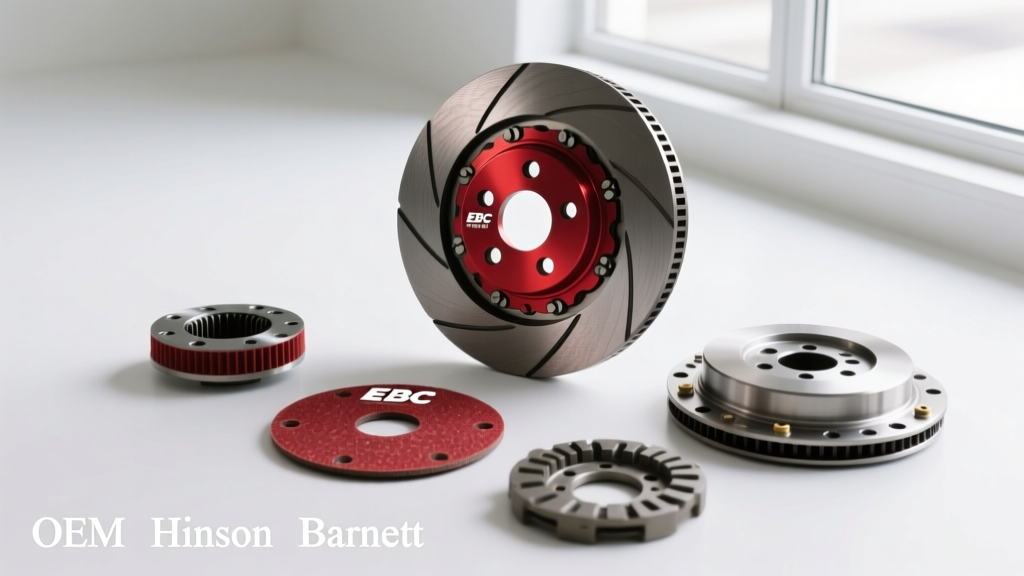
As an automotive and powersports transmission specialist, I frequently see riders ignore preventive maintenance until the clutch lever reaches the handlebar. In this 2026 guide, we are conducting a rigorous brand comparison centered around the highly popular EBC clutch kit CK1149, pitting it against OEM Honda, Hinson Racing, and Barnett components to determine the best preventive maintenance strategy for your specific riding profile.
Deep Dive: EBC CK1149 vs. The Competition
Choosing the right replacement stack is not just about grabbing the cheapest box on the shelf. The metallurgy of the steel plates and the compound of the friction discs dictate heat dissipation and bite characteristics.
EBC Brakes CK1149 Heavy Duty Clutch Kit
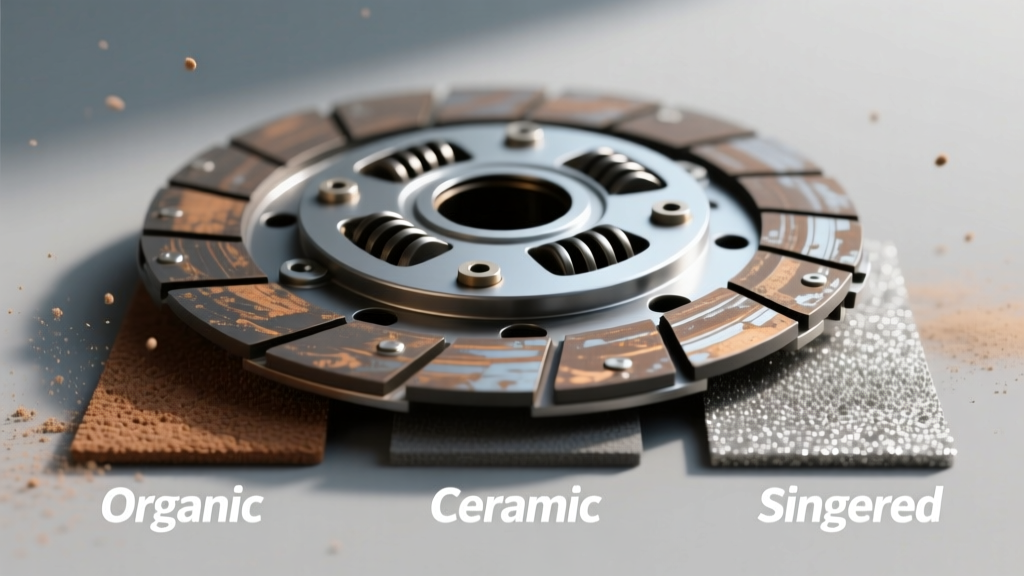
The EBC clutch kit CK1149 is engineered as a direct OEM replacement with a focus on heavy-duty durability. The kit includes EBC’s proprietary high-density friction plates and heavy-duty clutch springs. The friction material utilizes a specialized cork and Kevlar-aramid fiber blend that offers a progressive engagement feel, crucial for modulating power out of tight berms. The included springs are typically wound from a thicker gauge wire, offering a 10% to 15% increase in clamping force over stock Honda springs. Priced around $140 to $160, the CK1149 represents the sweet spot for weekend warriors and amateur racers who need increased clamping force without sacrificing lever feel.
OEM Honda Replacement Stack
The OEM Honda friction disc set (Part # 22200-MEN-A80) and corresponding springs are designed for broad usability. The OEM friction material is primarily a paper/cellulose-based compound. While it provides incredibly smooth, linear engagement and excellent lever feedback, it is highly susceptible to thermal glazing when subjected to the heavy slipping required in deep sand or slow-speed technical trails. A full OEM stack replacement will cost between $180 and $220. For trail riders who prioritize lever smoothness over raw holding power, OEM remains a viable, albeit softer, option.
Hinson Racing Clutch Kit
Hinson approaches the clutch pack from an aerospace perspective. Their complete clutch kits (often exceeding $280) feature proprietary friction materials paired with high-tensile steel plates that are surface-ground to microscopic tolerances. Hinson’s heavy-duty springs are famous for their resistance to heat-induced sag. However, the aggressive bite point of a Hinson stack can be fatiguing on the left hand during long endurance rides, making it strictly a race-day preventive maintenance choice for professional and high-level amateur motocross racers.
Barnett Carbon Fiber / Kevlar Kits
Barnett offers premium friction plates utilizing either carbon fiber or Kevlar faces. Carbon fiber offers unparalleled heat resistance and an incredibly aggressive initial bite, but it requires a precise break-in procedure and can accelerate wear on the inner clutch hub if not paired with Barnett’s own steel plates. Pricing hovers around $170 to $200. Barnett is the go-to for desert racers and ATV riders who demand absolute lock-up at high RPMs.
Head-to-Head Brand Comparison Matrix
| Brand / Kit | Friction Material | Spring Stiffness | Est. Price (2026) | Ideal Application |
|---|---|---|---|---|
| EBC CK1149 | Cork / Kevlar Blend | +15% over OEM | $140 - $160 | Amateur MX, Trail, Woods |
| OEM Honda | Paper / Cellulose | Baseline (100%) | $180 - $220 | Casual Trail, Vet Riders |
| Hinson Racing | Proprietary Synthetic | +25% over OEM | $280 - $320 | Pro MX, Supercross |
| Barnett Carbon | Carbon Fiber | +20% over OEM | $170 - $200 | Desert Racing, GNCC |
Preventive Maintenance: Inspection Thresholds and Torque Specs
Regardless of whether you install the EBC CK1149 or a Hinson kit, preventive maintenance requires strict adherence to measurement thresholds. Guessing the condition of your clutch stack leads to premature failure. During your top-end rebuild intervals, pull the clutch cover and perform the following measurements:
- Friction Plate Thickness: Measure at four equidistant points using a micrometer. The standard thickness is 3.00 mm. The absolute service limit is 2.80 mm. If any plate falls below 2.82 mm, replace the entire stack to maintain uniform clamping pressure.
- Steel Plate Warpage: Place the steel separator plates on a machined surface plate. Slide a feeler gauge under the plate. The maximum allowable warpage is 0.10 mm. Warped plates create localized hot spots that will instantly glaze your new EBC friction discs.
- Spring Free Length: Use digital calipers to measure the uncompressed length of the clutch springs. The OEM standard is 43.2 mm. The service limit is 41.5 mm. The heavy-duty springs in the CK1149 kit will measure slightly longer when new, but must be discarded if they compress below 42.0 mm after a season of hard riding.
- Clutch Basket Notching: Inspect the aluminum fingers of the inner hub and outer basket. Even minor notching (as small as 0.2 mm) will prevent the new friction plates from disengaging fully, causing the bike to creep forward in gear and drag through corners. Use a fine-tooth file to dress minor notches, or replace the basket if the grooves exceed 0.5 mm.
Critical Torque Specifications
Improper torque is the leading cause of catastrophic drivetrain failure in single-cylinder engines. Always use a calibrated torque wrench:
- Clutch Center Locknut: 59 lb-ft (80 Nm). Crucial: You must use a brand-new lock washer and stake it properly into the crankshaft groove after torquing.
- Clutch Spring Bolts (M6): 8.7 lb-ft (12 Nm). Apply a medium-strength threadlocker (e.g., Loctite 243) to prevent vibration-induced backing out.
Fluid Selection and Pre-Installation Protocols
The friction material in the EBC CK1149 and its competitors is entirely dependent on the chemical makeup of your engine oil. Modern automotive oils contain friction modifiers designed to improve fuel economy. These modifiers will coat the clutch plates and cause immediate, irreversible slipping.
Always verify that your engine oil meets the JASO MA or MA2 standard. The Japanese Automotive Standards Organization (JALOS) explicitly defines the friction coefficients required for wet clutch compatibility. Oils lacking the JASO MA2 certification will void the performance of any aftermarket clutch kit.
For the CRF450R and TRX450R, a high-quality 10W-40 JASO-MA2 certified oil (such as Honda GN4 or Amsoil MCF) is mandatory. The total fluid capacity is typically 1.25 Liters.
The Pre-Soak Rule: Never install dry friction plates. Before assembly, submerge the new EBC or OEM friction discs in a pan of clean 10W-40 engine oil for a minimum of two hours. This allows the porous cork and Kevlar matrix to absorb the lubricant fully. Installing dry plates and immediately firing the engine will cause instantaneous dry-friction glazing, effectively ruining the $150 kit before your first lap is complete.
Final Verdict: Which Kit Belongs in Your Crankcase?
For 85% of riders performing preventive maintenance on Honda 450cc platforms, the EBC clutch kit CK1149 is the definitive choice. It bridges the gap between the rapid wear of OEM paper plates and the harsh, expensive reality of full-blown race kits like Hinson. By pairing the CK1149 with strict adherence to the 2.80 mm friction limit, precise 59 lb-ft center nut torquing, and JASO-MA2 fluids, you will secure hundreds of hours of fade-free, predictable drivetrain performance.