Understanding the Eaton 2050 Easy Pedal System
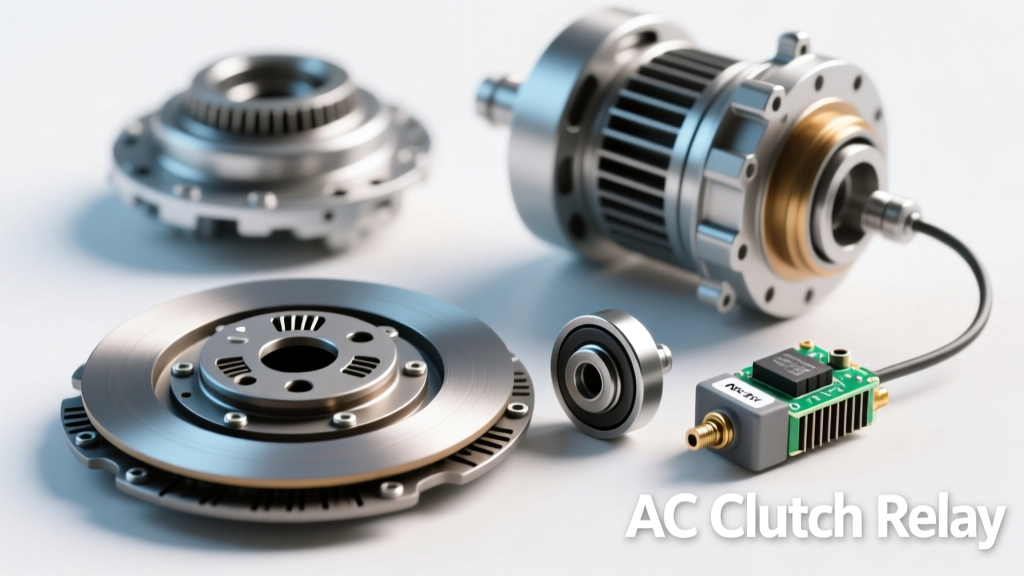
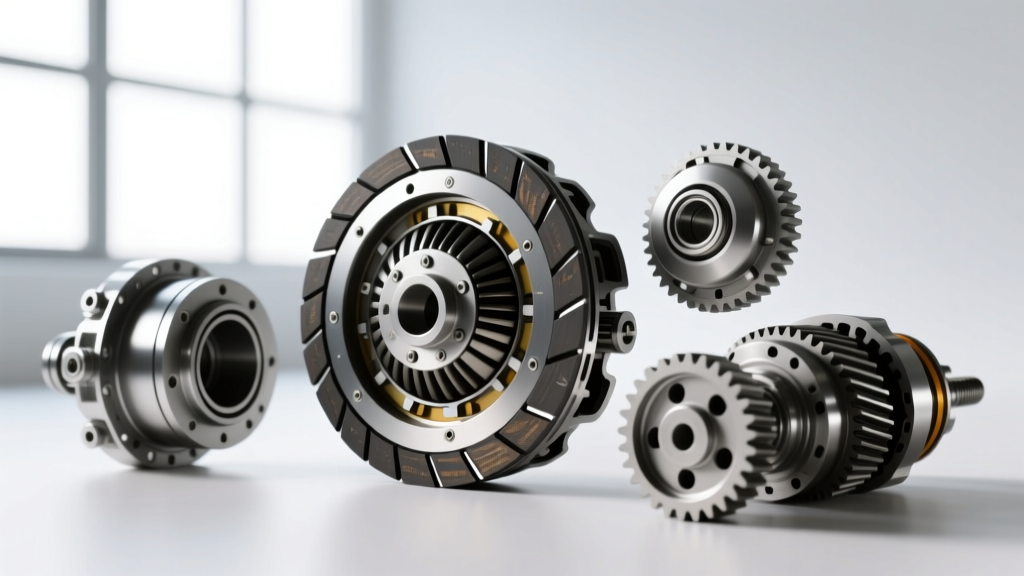
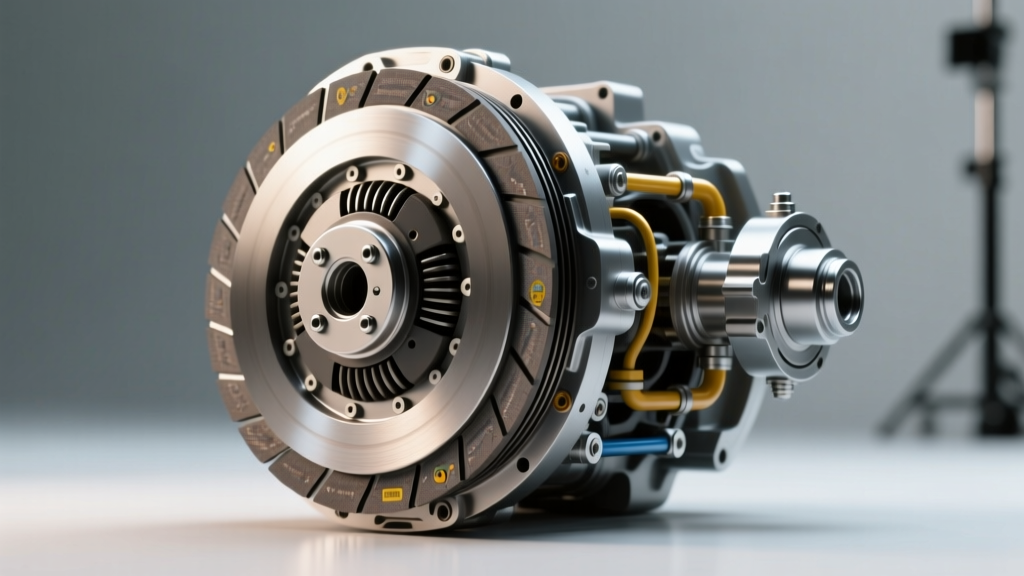
In the heavy-duty trucking industry, managing high torque outputs without causing driver fatigue is a constant engineering challenge. Class 8 trucks equipped with Eaton Fuller 13, 15, or 18-speed manual transmissions (such as the RTLO-18918B or FRO-16210C) frequently rely on the 15.5-inch 2050 lb-ft 2050 easy pedal clutch assembly. This twin-plate system utilizes a specialized diaphragm spring and pedal assist geometry to reduce pedal effort from a grueling 400+ lbs down to a manageable 45-60 lbs.
However, when hydraulic, mechanical, or friction components begin to degrade, the pedal feel changes drastically. A failing clutch system doesn't just cause shifting issues; it compromises the clutch brake squeeze, leading to gear grinding and premature synchronizer wear. Below is a comprehensive, model-specific diagnostic guide for troubleshooting soft, hard, spongy, and vibrating clutch pedals in heavy-duty applications featuring the Eaton 2050 EasyPedal system.
Diagnosing Soft and Spongy Clutch Pedals
A soft or spongy pedal is almost exclusively a symptom of hydraulic actuation failure or aeration within the clutch release system. Modern heavy-duty trucks use a hydraulic master cylinder paired with a Concentric Slave Cylinder (CSC) or a hydraulic release bearing to actuate the EasyPedal diaphragm spring.
Hydraulic Aeration and Fluid Degradation
Brake fluid (typically DOT 3 or DOT 4, depending on the OEM specification) is highly hygroscopic. Over time, it absorbs moisture from the atmosphere, which lowers its boiling point and introduces microscopic air bubbles into the hydraulic lines. When the driver presses the pedal, the compressible air absorbs the hydraulic pressure, resulting in a spongy feel.
- Diagnostic Test: Pump the clutch pedal rapidly 10 times, then hold it to the floor. If the pedal slowly 'sinks' or feels mushy, air or internal master cylinder bypassing is present.
- Clutch Brake Squeeze Check: Measure the distance from the floor to the pedal when fully depressed. The Eaton specification for clutch brake engagement requires 0.50 to 0.75 inches of 'squeeze'. A spongy pedal will often bottom out before achieving this squeeze, preventing the clutch brake from stopping the input shaft and causing severe grinding when engaging first or reverse gear.
Concentric Slave Cylinder (CSC) Internal Leaks
The CSC operates in a high-heat environment near the bell housing. If the internal seals degrade, fluid bypasses the piston. Unlike an external leak, an internal leak leaves no puddle on the ground, making it a hidden culprit for a soft pedal that refuses to disengage the twin-plate clutch fully.
Troubleshooting Hard or Stiff Pedal Effort
When the 2050 easy pedal clutch lives up to its name, pedal effort is remarkably low. If the pedal suddenly feels like it requires 150+ lbs of force to depress, the mechanical advantage of the EasyPedal system has been compromised.
Pedal Assist Over-Center Spring Failure
The mechanical pedal assembly in the cab features an over-center assist spring designed to help push the pedal past the initial resistance point of the diaphragm spring. If this spring breaks, detaches, or loses tension, the driver must manually overcome the entire initial load of the 2050 lb-ft clutch cover. Inspect the pedal box under the dash for a broken or unseated assist spring.
Release Bearing Quill Binding
The clutch release bearing rides on a machined sleeve (the quill or bearing retainer) on the front of the Eaton Fuller transmission. If this surface is deprived of high-temperature grease, or if clutch dust accumulates and creates burrs, the bearing will bind. This binding translates directly into a stiff, notchy pedal feel. During a clutch replacement, the quill must be polished with fine emery cloth and lubricated with a molybdenum-disulfide (moly) based grease. Never use standard chassis grease, as it will melt and migrate onto the friction discs.
Pilot Bearing Seizure
The pilot bearing supports the tip of the transmission input shaft. If it seizes due to water ingress or lack of lubrication, the input shaft remains partially driven by the engine even when the clutch is fully depressed. This creates immense drag, making the pedal feel artificially stiff and causing the truck to creep forward in gear.
Addressing Pedal Vibration and Chatter
Vibration felt through the clutch pedal—especially during the engagement 'bite point'—indicates an issue with the friction interface or the flywheel assembly.
Twin-Plate Intermediate (Floater) Plate Issues
The 15.5-inch 2050 lb-ft setup utilizes a twin-plate design with an intermediate floater plate. This plate features damper springs designed to absorb torsional vibrations from high-torque diesel engines (like the Cummins X15 or Paccar MX-13). If these damper springs fracture or collapse, the floater plate will rattle and chatter against the flywheel and rear friction disc during engagement, sending harsh vibrations up the hydraulic column and into the pedal.
Flywheel Runout and Hot Spots
Diesel engines produce massive low-RPM torque spikes that can cause localized overheating on the cast-iron flywheel. This creates hardened 'hot spots' and warps the friction surface. According to Eaton's official clutch service guidelines, flywheel runout must not exceed 0.005 inches. Excessive runout causes the release fingers to oscillate as the clutch cover rotates, which the hydraulic system translates into a rapid, pulsating vibration at the driver's foot.
Eaton 2050 EasyPedal Diagnostic Specifications
Adhering to exact measurements is critical when servicing Class 8 heavy-duty clutch systems. Use the following reference table during diagnostics and reassembly.
| Specification / Component | Target Measurement / Value |
|---|---|
| Clutch Cover to Flywheel Torque | 60 - 70 lb-ft (Star Pattern Sequence) |
| Flywheel to Crankshaft Torque (Cummins ISX/X15) | 165 - 185 lb-ft |
| Pedal Free Play | 1.50 - 2.00 inches |
| Clutch Brake Squeeze (Floor to Pedal) | 0.50 - 0.75 inches |
| Maximum Flywheel Runout | 0.005 inches |
| Friction Disc Spline Lash | 0.010 - 0.015 inches (Max allowable wear) |
| Hydraulic System Fluid | DOT 4 Brake Fluid (or OEM Mineral Oil) |
Step-by-Step Hydraulic Bleeding Procedure
If a soft or spongy pedal is diagnosed, a proper hydraulic bleed is mandatory. Gravity bleeding is rarely sufficient for heavy-duty trucks due to the long hydraulic line runs and the elevated position of the CSC.
- Verify Fluid Type: Confirm whether the OEM requires standard DOT 4 brake fluid or a specific mineral-based hydraulic fluid. Mixing the two will destroy the CSC seals.
- Pressure Bleed Setup: Connect a pressure bleeder to the master cylinder reservoir at 15-20 PSI.
- Open the CSC Bleeder: Locate the bleeder screw on the concentric slave cylinder inside the bell housing (accessed via the inspection cover).
- Flush and Monitor: Allow fluid to flow until it is completely free of micro-bubbles. Tap the hydraulic lines with a rubber mallet to dislodge trapped air pockets.
- Verify Squeeze: Close the bleeder, remove the pressure tank, and measure the clutch brake squeeze. If the 0.50 - 0.75 inch spec is not met, the master cylinder pushrod may require adjustment under the dash.
Cost Analysis and Replacement Thresholds
When diagnostics confirm internal CSC failure, broken diaphragm fingers, or collapsed twin-plate dampers, a full teardown is required. Industry data and repair databases referenced by FleetOwner indicate that heavy-duty clutch replacements are a significant investment.
- Eaton 15.5" 2050 lb-ft Twin Plate Kit: $1,400 - $2,200 (Includes clutch cover, two friction discs, floater plate, and release bearing).
- Flywheel Resurfacing/Replacement: $400 for resurfacing (if within thickness specs) or $800 - $1,200 for a new OEM casting.
- Hydraulic Master/Slave Cylinder Assembly: $350 - $600.
- Labor Costs: 10 to 14 hours of shop time. At an average heavy-duty shop rate of $165/hr, labor ranges from $1,650 to $2,310.
Total Expected Repair Cost: $3,800 to $6,710. Because the labor to remove the transmission (often an Eaton Fuller 18-speed weighing over 700 lbs) is so intensive, it is highly recommended to replace the master cylinder, slave cylinder, and flywheel simultaneously if the clutch kit is being replaced due to age or high mileage.
Final Thoughts on Preventative Maintenance
The 2050 easy pedal clutch is a marvel of heavy-duty engineering, but it requires respect and proper maintenance. Never 'ride' the clutch pedal on downhill grades, as the resulting heat will glaze the twin friction discs and warp the intermediate plate. Furthermore, ensure that the cab-mounted pedal free play is checked every 50,000 miles; a lack of free play keeps constant pressure on the release bearing, leading to premature bearing failure and eventual damage to the clutch cover's release fingers.