The Hydraulic Handshake: Master and Slave Cylinder Dynamics
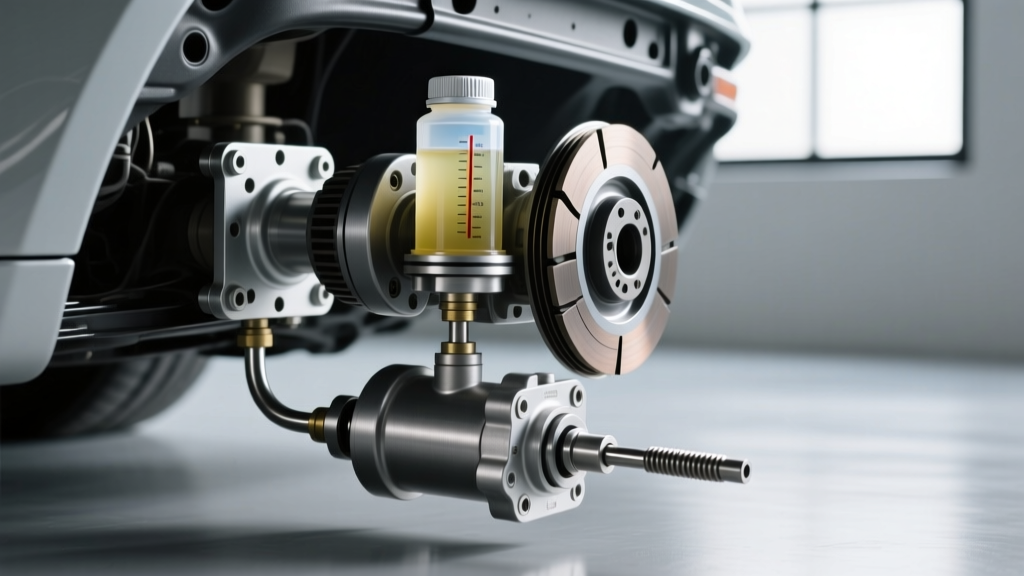
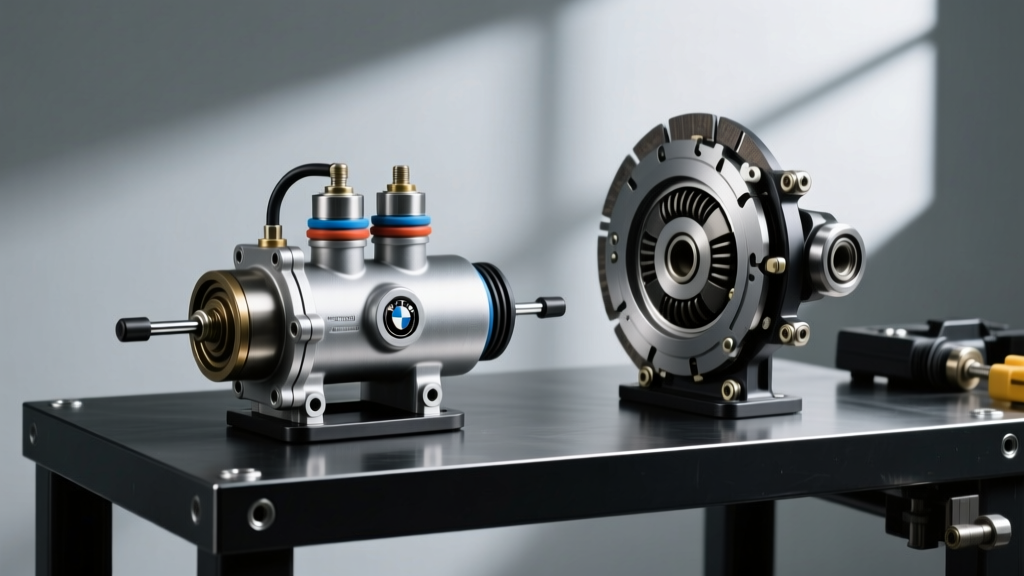
When troubleshooting manual transmission drivetrains, the hydraulic clutch system operates as a closed-loop force multiplier. For enthusiasts and mechanics alike, the BMW E36 platform remains the ultimate benchmark for studying external hydraulic clutch actuation. However, as these vehicles age and swap culture evolves into 2026, understanding how the E36 clutch master cylinder interacts with different clutch slave cylinder types is critical for accurate symptom diagnosis.
A spongy pedal, fluid loss, or failure to disengage the clutch can stem from multiple points in the hydraulic circuit. Misdiagnosing a failing concentric slave cylinder (CSC) as a master cylinder issue—or vice versa—leads to wasted labor and unnecessary parts replacement. This guide breaks down the distinct slave cylinder architectures, provides a definitive troubleshooting matrix, and details the exact specifications needed to restore hydraulic integrity.
External vs. Concentric Slave Cylinder Types
To diagnose a fault, you must first understand the mechanical endpoint of your hydraulic fluid. Clutch slave cylinders generally fall into two distinct architectural categories, each with unique failure modes and diagnostic footprints.
External Mounted Slaves (The E36 Standard)
The external slave cylinder is mounted directly to the exterior of the transmission bellhousing. A pushrod extends from the cylinder bore to actuate a mechanical clutch fork, which in turn pivots the release bearing against the pressure plate diaphragm.
- Diagnostic Advantage: Leaks are immediately visible on the outside of the bellhousing. Pushrod wear and clutch fork pivot ball degradation can be inspected without dropping the transmission.
- Common Applications: BMW E36 (Getrag 250 / ZF S5D 310), Honda K-Series, Ford Tremec T-5 setups.
Concentric Slave Cylinders (CSC)
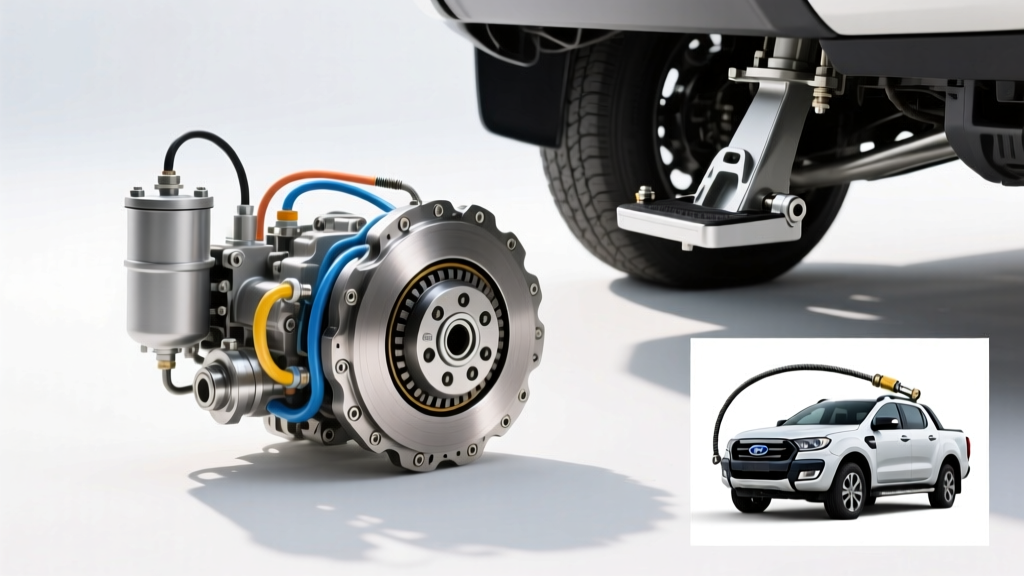
Modern vehicles and many engine-swap configurations utilize a Concentric Slave Cylinder. The CSC eliminates the mechanical clutch fork entirely, wrapping around the transmission input shaft. It acts as both the hydraulic actuator and the release bearing.
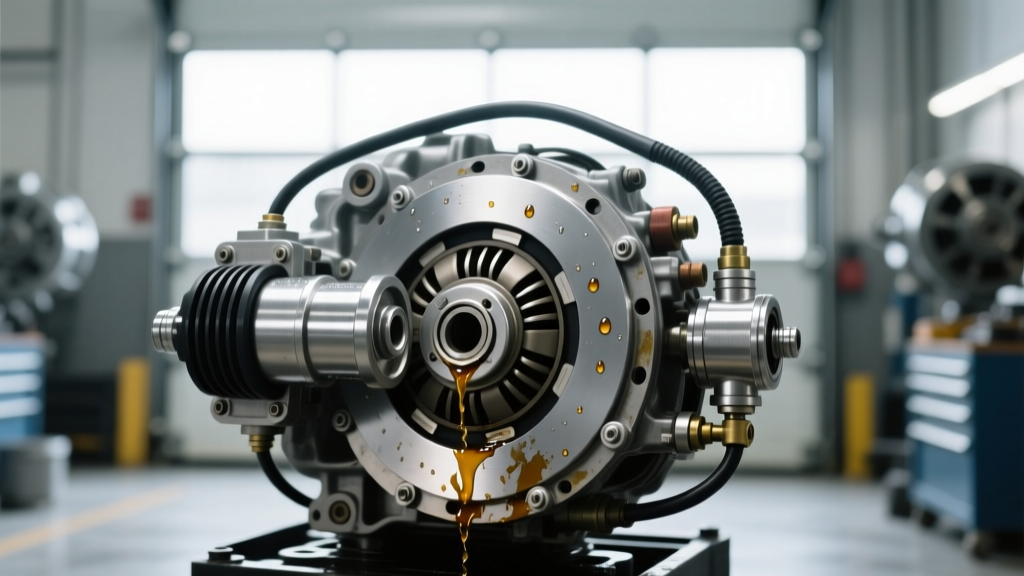
- Diagnostic Challenge: The CSC is housed entirely inside the bellhousing. A hydraulic seal failure will dump DOT 4 fluid directly onto the clutch friction disc, often masquerading as a sudden, catastrophic clutch slip rather than a hydraulic fault.
- Common Applications: BMW E46/E90, GM LS/LT hydraulic throwout bearings, modern Subaru 6-speeds.
Symptom Diagnosis Matrix: Master vs. Slave Failures
Use the following diagnostic matrix to isolate the root cause of your hydraulic failure. This is particularly useful when evaluating the E36 clutch master cylinder against external and concentric slave variants.
| Symptom | Master Cylinder Indicator | External Slave Indicator | Concentric Slave (CSC) Indicator |
|---|---|---|---|
| Pedal sinks to floor at stops | High (Internal bypassing past primary cup seal) | Low (Unless massive external leak) | Low (Unless massive external leak) |
| Fluid on firewall / pedal box | High (Rear pushrod seal failure) | None | None |
| Fluid on bellhousing exterior | None (Unless hard-line ruptured) | High (Boot tear / piston seal failure) | Low (Weep hole may drip) |
| Sudden clutch slip / no engagement | Low | Medium (Pushrod snapped) | High (CSC seal blew, fluid on friction disc) |
| Grinding on gear engagement | High (Incomplete stroke / air in system) | High (Worn pivot ball / bent fork) | Medium (CSC bearing collapse) |
Deep Dive: E36 Clutch Master Cylinder Failure Modes
The OEM E36 clutch master cylinder features a 19.05mm (3/4-inch) bore. As of 2026, finding reliable New Old Stock (NOS) or high-quality aftermarket replacements requires vigilance against counterfeit parts on secondary markets. According to FCP Euro BMW Replacement Parts, sticking to OE manufacturers like Sachs or FTE is mandatory for pedal longevity.
Internal Bypassing (The Phantom Drop)
If you hold the clutch pedal depressed at a red light and it slowly creeps toward the floor, but you see no external fluid leaks, the master cylinder's internal primary cup seal has failed. Fluid is bypassing internally from the high-pressure side back into the reservoir. Diagnosis: Clamp the soft hydraulic hose near the master cylinder output. If the pedal holds firm with the clamp in place, the master cylinder is internally bypassing and requires replacement.
The BMW Plastic Hard-Line Degradation
A unique quirk of the E36 and E46 hydraulic systems is the factory plastic hard-line that routes from the master cylinder to the slave. Over decades of heat cycling, this nylon line becomes brittle and develops micro-fractures near the firewall grommet. Always inspect this line before condemning the slave cylinder.
Slave Cylinder Edge Cases and Troubleshooting
External Slave Pushrod Pitting
On the E36 Getrag and ZF transmissions, the external slave cylinder pushrod is exposed to road debris. If the rubber accordion boot tears, moisture causes pitting on the steel pushrod. When the cylinder retracts, this pitted surface shreds the internal wiper seal, leading to rapid fluid loss. Fix: Replace the slave cylinder and the clutch fork pivot ball simultaneously, as a worn pivot ball accelerates pushrod angularity and boot tearing.
CSC Bearing Noise vs. Input Shaft Wear
When diagnosing a modern CSC setup, a growling noise that changes pitch when the clutch pedal is depressed is often misdiagnosed as transmission input shaft bearing wear. Because the CSC is the release bearing, hydraulic pressure forces the CSC bearing against the spinning pressure plate diaphragm. If the noise appears only under pedal load, the CSC bearing has failed hydraulically or mechanically.
Replacement Specifications and Torque Data
When executing repairs, precision is paramount. Below are the verified part numbers and installation specifications for standard E36 and common CSC setups. For exact VIN-matched diagrams, cross-reference the RealOEM BMW Parts Catalog.
E36 External Hydraulic Specs
- Master Cylinder (19.05mm Bore): Sachs 6284 600 148 / FTE KG19016.1.1
- Slave Cylinder (20.64mm Bore for 325i/328i/M3): Sachs 6283 600 111 / FTE KN20030.4.1
- Master Cylinder Firewall Nuts (M6): 10 Nm (7 lb-ft)
- Slave Cylinder Bellhousing Bolts (M8): 22 Nm (16 lb-ft)
- Hardline Banjo Bolt (if equipped): 15 Nm (11 lb-ft) with new crush washers
Fluid Selection
While the factory manual specifies standard DOT 4, the hygroscopic nature of brake fluid means it absorbs moisture over time, lowering the boiling point and promoting internal corrosion. For 2026 restorations and track applications, flush the system with ATE Typ 200 or Motul RBF 600. These high-performance DOT 4 fluids offer vastly superior wet boiling points and contain enhanced anti-corrosion inhibitors vital for preserving the internal bores of FTE and Sachs cylinders.
Bleeding Protocols: External vs. Concentric
The type of slave cylinder dictates the bleeding methodology. Air naturally rises, and the orientation of the slave cylinder determines how easily trapped air can be evacuated.
Bleeding External Slaves (Gravity & Pressure)
Because the E36 external slave cylinder is mounted horizontally or slightly angled downward relative to the master, standard pressure bleeding or even gravity bleeding is highly effective. Pro-Tip: Wedge a 2x4 between the clutch pedal and the seat frame to keep the master cylinder piston fully depressed. This opens the internal compensating port, allowing trapped air in the master cylinder bore to escape upward into the reservoir before you even open the slave bleeder screw.
Bleeding Concentric Slave Cylinders (Reverse Bleeding Required)
CSCs are notorious for trapping air at the highest point of the hydraulic circuit—inside the bellhousing. Standard top-down pressure bleeding often pushes fluid past the air pocket, leaving the pedal spongy. The Solution: Use a reverse bleeder (such as a Motive Products Power Bleeder adapted for reverse flow) to inject fluid from the CSC bleeder screw upward toward the master cylinder reservoir. This forces the air out in the same direction it naturally wants to travel. For detailed walkthroughs on BMW-specific hydraulic bleeding, the Pelican Parts E36 Technical Articles archive remains an invaluable resource.
Final Diagnostic Takeaways
Successfully diagnosing clutch hydraulic issues requires looking past the pedal and understanding the entire fluid column. If your E36 clutch master cylinder passes the internal bypass clamp test and the firewall is dry, your fault lies downstream. Whether you are dealing with a pitted external slave pushrod on a Getrag 250 or a weeping CSC on a modern LS swap, matching the symptom to the specific slave cylinder architecture will save you hours of diagnostic guesswork and prevent unnecessary transmission removals.