The Engineering Reality of Dual Clutch Transmissions
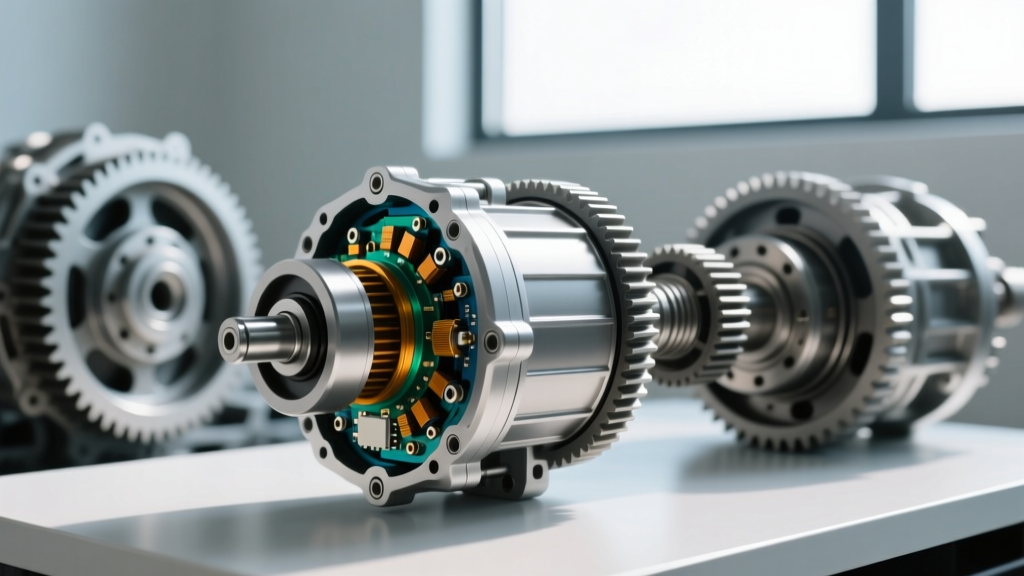
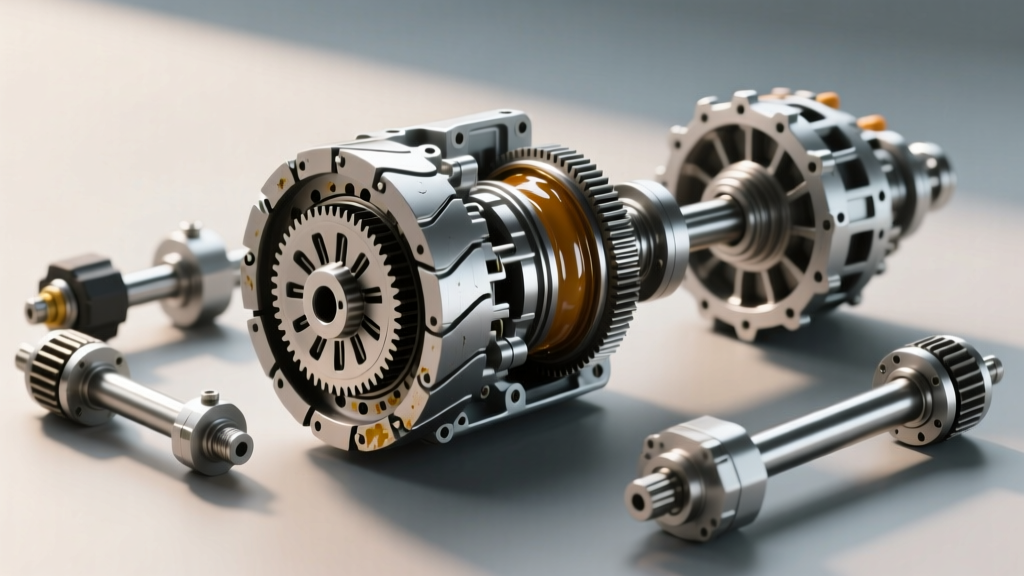
Dual Clutch Transmissions (DCTs) represent the pinnacle of modern powertrain engineering, bridging the gap between the mechanical efficiency of a manual gearbox and the shift-speed convenience of an automatic. However, unlike traditional torque-converter automatics that rely on fluid coupling to manage low-speed slip, a DCT is fundamentally two automated manual transmissions housed within a single casing. Because it relies on physical friction plates to transmit torque, understanding clutch wear signs and lifespan indicators is critical for long-term reliability. Furthermore, learning how to drive a dual clutch car correctly is not just about comfort; it is a mechanical necessity to prevent catastrophic degradation of the clutch packs and mechatronic actuators.
Dry vs. Wet DCT Architecture: Understanding the Baseline
Before diagnosing wear, you must identify your DCT architecture, as the failure modes and lifespan indicators differ drastically between dry and wet systems.
Dry DCT Systems (e.g., VW DQ200 / 0AM, Ford DPS6)
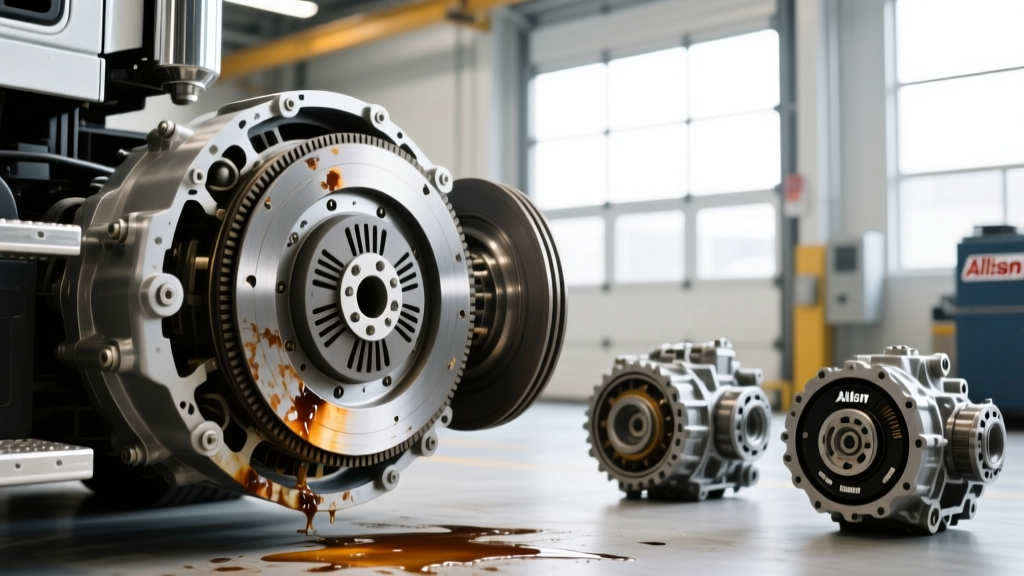
Dry DCTs utilize organic friction plates similar to a traditional manual transmission. They are typically rated for lower torque applications (up to 250 Nm). Because they lack a dedicated cooling oil bath for the friction surfaces, they are highly susceptible to thermal glazing and rapid wear during sustained low-speed slipping. The average lifespan of a dry DCT clutch pack in heavy urban traffic can be as low as 60,000 to 80,000 miles if driven improperly.
Wet DCT Systems (e.g., VW DQ250/DQ500, Porsche PDK, Getrag 7DCT300)
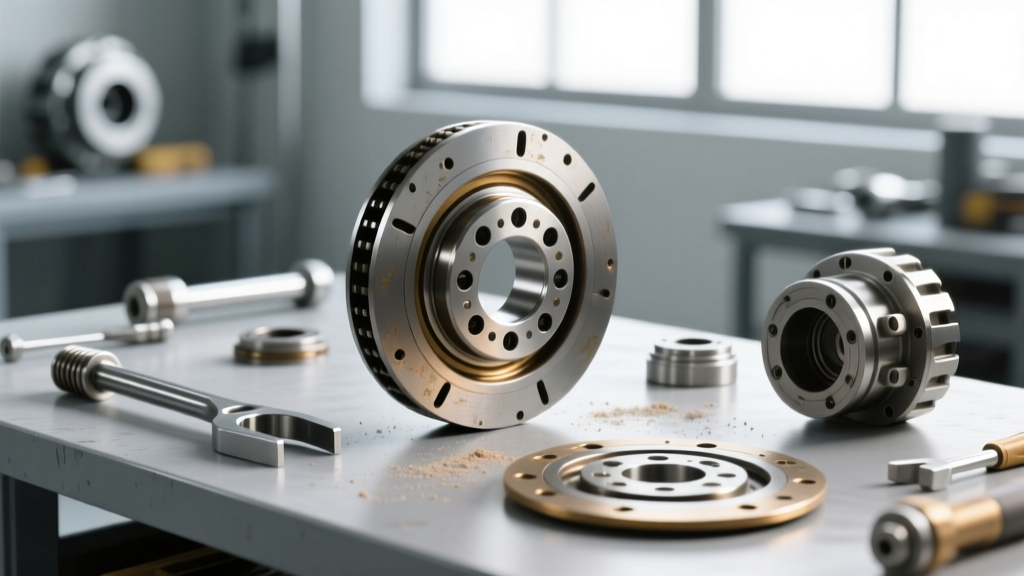
Wet DCTs submerge sintered bronze or carbon-composite friction plates in a specialized dual-clutch fluid (e.g., Pentosin FFL-4 or VW G 052 182 A2). This fluid manages heat dissipation and provides hydraulic pressure for clutch actuation. Wet systems can handle upwards of 600 Nm to 1,000 Nm of torque and generally offer a lifespan of 120,000 to 150,000 miles, provided the fluid shear limits are respected and the transmission is not subjected to chronic micro-slipping.
Critical Clutch Wear Signs and Lifespan Indicators
Because DCTs lack a traditional torque converter to mask slipping, wear indicators manifest as distinct mechanical and electronic symptoms. Recognizing these early can save thousands in mechatronic replacement costs.
1. Low-Speed Shudder and Torsional Chatter
The most common early indicator of clutch wear is a rhythmic shudder or chatter occurring between 1,200 and 1,500 RPM during light acceleration from a stop. This is caused by uneven friction material degradation or the failure of the dual-mass flywheel (DMF) torsional dampeners. In wet DCTs, this can also indicate that the clutch fluid has sheared, losing its specific friction-modifier properties, leading to a stick-slip phenomenon on the friction plates.
2. Delayed Engagement and RPM Flaring
When you shift from Park to Drive or Reverse, a healthy DCT should engage within 0.8 to 1.2 seconds. If you experience a delayed engagement followed by a sudden 'clunk' or an RPM flare (engine revs rising without proportional vehicle acceleration), the clutch pack has worn past its physical thickness limits. The Transmission Control Module (TCM) is maxing out the hydraulic piston stroke to achieve the required clamp load, a condition known as 'adaptation limit reached'.
3. Mechatronic Fault Codes and Adaptation Limits
Modern DCTs continuously monitor the 'kiss point' (the exact hydraulic pressure required to make the friction plates touch). As the material wears, the kiss point shifts. Using advanced diagnostic tools like VCDS or ODIS, technicians can read the clutch adaptation wear index. If the wear index exceeds the manufacturer's threshold (often a value above 65,500 in VAG UDS modules), the TCM will log soft codes such as P2789 (Clutch Position Sensor - Circuit Range/Performance) or P17BF (Clutch Engagement Point Adaptation Limit Reached). According to the Ross-Tech Wiki, ignoring these adaptation limits will eventually force the transmission into limp mode to protect the mechatronic solenoids from over-current burnout.
How to Drive a Dual Clutch Car to Maximize Lifespan
The single greatest factor in DCT longevity is driver behavior. Many owners treat DCTs like traditional automatics, inadvertently destroying the clutch packs. Here is the technical breakdown of how to drive a dual clutch car to prevent premature wear.
The Danger of 'Brake Creeping'
In a traditional automatic, resting your foot lightly on the brake pedal at a stoplight allows the torque converter to slip harmlessly via fluid dynamics. In a DCT, 'brake creeping' (lightly pressing the brake while the car is in gear) signals the TCM to partially engage the clutch to prepare for movement. This creates a state of continuous micro-slip, generating immense localized heat. On dry DCTs, this glazes the organic friction material; on wet DCTs, it rapidly degrades the fluid's friction modifiers. The Fix: Brake firmly to come to a complete stop, which signals the TCM to fully disengage the clutches. Utilize the vehicle's AutoHold function in stop-and-go traffic to keep the clutches completely separated.
Incline Starts and Throttle Holding
Never use the throttle to hold a DCT vehicle stationary on an incline. Doing so forces the TCM to modulate the clutch pack at a 50% slip ratio to counteract gravity. This can raise internal clutch pack temperatures past 130°C (266°F) in a matter of seconds, triggering thermal protection limp-modes and permanently warping the steel separator plates. Always use the brake pedal or AutoHold on inclines.
Launch Control and Fluid Shear
While wet DCTs like the Porsche PDK (ZF 7DT45) feature robust launch control software, consecutive hard launches cause severe fluid shear. The extreme heat breaks down the long-chain polymers in the DCT fluid, reducing its viscosity and its ability to maintain hydraulic pressure in the mechatronic valve body. If you utilize launch control, allow the transmission sump temperature to drop below 90°C between attempts.
DCT Clutch Pack Replacement: Costs, Specs, and Diagnostics
When wear signs indicate that the friction material has reached the end of its service life, replacement is mandatory. Below is a technical comparison of common DCT architectures, including critical torque specifications and fluid capacities required during a clutch pack service. Data compiled referencing Schaeffler Aftermarket (LuK) technical service bulletins and Bosch Mobility Solutions powertrain documentation.
| Transmission Model | Clutch Type | Fluid Spec & Service Fill | Flywheel Torque Spec | Avg. Replacement Cost (Parts + Labor) |
|---|---|---|---|---|
| VW DQ250 (02E) | Wet (6-Speed) | G 052 182 A2 (4.5L) | 60 Nm + 90° | $1,400 - $2,200 |
| VW DQ200 (0AM) | Dry (7-Speed) | N/A (Mechatronic: 1.0L G 004 000 M2) | 60 Nm + 90° | $900 - $1,500 |
| Porsche PDK (ZF 7DT45) | Wet (7-Speed) | Pentosin FFL-4 (8.5L Total) | 90 Nm + 180° | $3,000 - $4,500 |
| Getrag 7DCT300 | Wet (7-Speed) | Shell Spirax S5 DCT 11 (4.2L) | 80 Nm + 90° | $1,800 - $2,600 |
| Ford DPS6 (6DCT250) | Dry (6-Speed) | N/A (Actuator gear oil only) | 48 Nm | $1,100 - $1,800 |
Note: Flywheel torque specifications assume the use of new, one-time-use stretch bolts. Always clean the crankshaft flange with a wire brush and brake cleaner before installation to prevent clutch runout and subsequent mechatronic shudder codes.
Post-Installation Adaptation Procedures
Replacing the physical clutch pack is only half the repair. Because the TCM relies on learned hydraulic mapping to engage the new, thicker friction plates, a Basic Settings adaptation must be performed. For VAG DSG transmissions, this involves running the 'Clutch Adaptation' routine via ODIS or VCDS (often found in Basic Settings Group 060 or via UDS guided functions). The vehicle will cycle through the gears, measuring the new kiss points and filling volumes. Failure to perform this adaptation will result in immediate shudder, harsh 2-3 shifts, and potential mechatronic solenoid damage due to incorrect hydraulic pressure mapping.
Summary: Proactive DCT Management
Understanding clutch wear signs and lifespan indicators transforms DCT ownership from a liability into a reliable, high-performance experience. By recognizing early shudder, monitoring adaptation limits via OBD2 diagnostics, and strictly adhering to proper driving techniques—specifically avoiding brake-creeping and throttle-holding—you can easily push a wet DCT clutch pack well past the 150,000-mile mark. Treat the transmission like the automated manual it is, respect the thermal limits of the friction materials, and maintain strict adherence to OEM fluid service intervals.