The Ultimate Step-by-Step Guide to Drivetrain Warranty Coverage
Navigating a drivetrain malfunction is stressful enough without the added anxiety of deciphering warranty coverage. As of 2026, modern automotive drivetrains are more complex than ever, integrating advanced electro-hydraulic control modules, active torque-vectoring differentials, and high-voltage EV reduction gears. When a component fails, understanding exactly what is covered—and how to legally enforce your right to a repair—is critical.
This step-by-step guide will walk you through the intricacies of automotive drivetrain warranty coverage, real-world failure modes for common transmissions like the ZF 8HP and GM 6L80, and how to file a successful claim without falling victim to dealership tactics.
Step 1: Decode Drivetrain vs. Powertrain Coverage
The first step in any warranty claim is understanding the nomenclature. Automakers often use the terms 'powertrain' and 'drivetrain' interchangeably in marketing, but in the service bay, the distinction dictates who pays the bill.
| System | Components Covered | Typical OEM Warranty (2026) |
|---|---|---|
| Powertrain | Engine block, cylinder heads, internal engine parts, transmission case, torque converter, TEHCM/TCM. | 5 Years / 60,000 Miles |
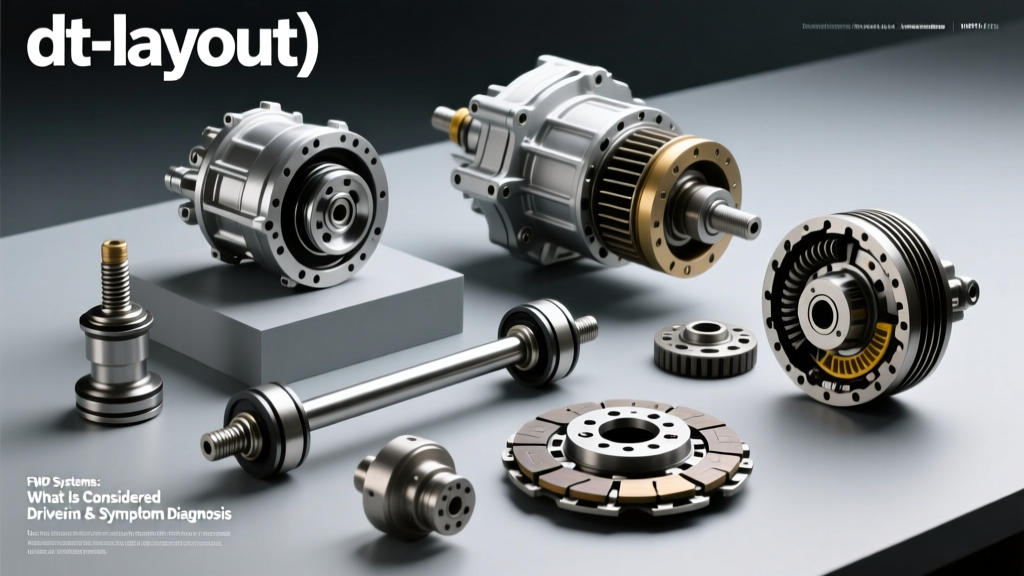
| Drivetrain | Driveshafts, U-joints, CV axles, differentials, transfer cases, wheel hubs, and locking hubs. | 5 Years / 60,000 Miles (Often grouped with Powertrain) |
| Wear & Tear (Excluded) | Transmission fluid, clutch friction materials (manual), CV boots (if torn by debris), U-joint grease degradation. | Not Covered (Unless tied to a defect) |
Pro Tip: If your transfer case encoder motor fails on a 4WD system, it is covered under the drivetrain warranty. However, if a torn CV boot leads to a destroyed CV joint, the dealer will likely deny the claim, citing 'environmental damage' or lack of maintenance.
Step 2: Identify Covered Failure Modes (Real-World Examples)
To successfully argue your case with a service advisor, you must identify whether the failure is a manufacturing defect (covered) or a maintenance issue (denied). Let us look at two of the most common automatic transmissions on the road today.
The ZF 8HP (8-Speed Automatic)
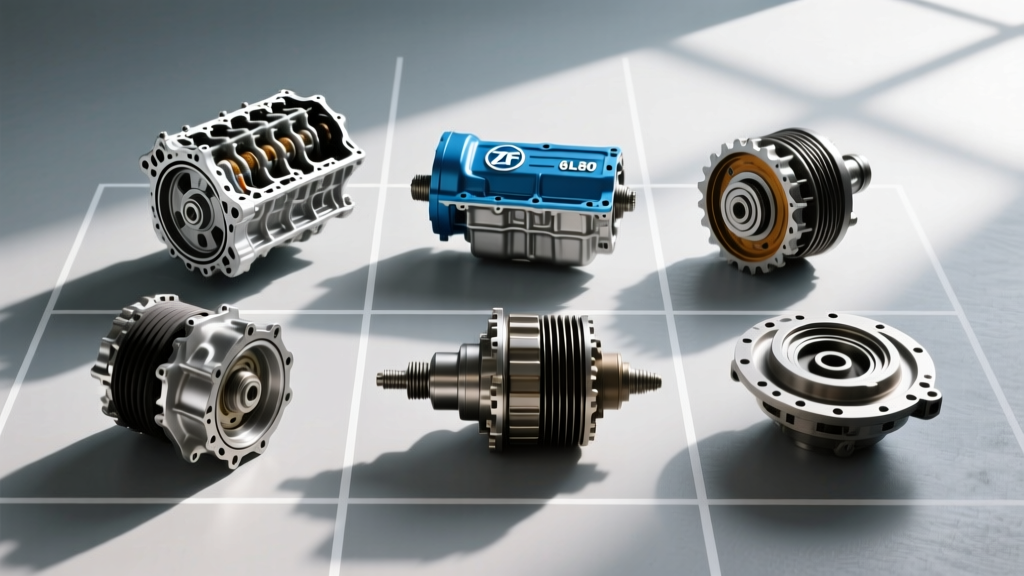
Found in everything from the BMW 3-Series to the Dodge Charger and Ram 1500, the ZF 8HP is a masterpiece of engineering. However, it is prone to a specific failure: the mechatronic adapter sleeve leak. The sleeve (Part # 2411 7 588 725) degrades over time, allowing fluid to leak into the electrical connector, triggering a P0700 or P17F0 code. Because this is a known material defect in early-to-mid production runs, it is fully covered under the powertrain/drivetrain warranty if within the mileage limit.
The GM 6L80 & 10L80 (GM/Ford Joint Venture)
The GM 6L80 and the Ford/GM 10R80/10L80 family frequently experience TEHCM (Transmission Electro-Hydraulic Control Module) failures. The TEHCM houses the TCM and solenoid pack. When the internal pressure switches fail, it causes harsh 2-3 shifts or a complete loss of reverse. Replacing a TEHCM (Part # 24254035 for the 6L80) costs between $800 and $1,200 at a dealership. This is an internal electronic defect and is strictly covered under the 5-year/60,000-mile powertrain warranty.
Step 3: The 'SRAM vs Shimano Drivetrain' Warranty Comparison
Many of our readers at AutoGearNexus are dual-sport enthusiasts who wrench on both daily drivers and high-end mountain bikes. A common question we receive in the forums compares automotive powertrain policies to the sram vs shimano drivetrain warranty standards in the cycling world. The contrast highlights how federal automotive laws protect consumers far more aggressively than recreational sporting goods warranties.
In the cycling industry, the 'sram vs shimano drivetrain' debate often touches on warranty support. SRAM typically offers a 2-year limited warranty on components like their XX1 Eagle derailleurs, while Shimano offers similar 2-to-3-year coverage on XTR groupsets against manufacturing defects. However, bicycle warranties are notoriously strict about 'normal wear' and often deny claims if a chain was stretched beyond 0.75% or if aftermarket chainrings were used.
By contrast, automotive drivetrains are protected by the Magnuson-Moss Warranty Act. Under this federal law, a dealership cannot void your ZF 8HP or GM 10L80 warranty simply because you had your differential fluid changed at an independent shop, or because you used an aftermarket transmission pan, provided the aftermarket part did not directly cause the failure. If a dealer denies your automotive drivetrain claim based on an aftermarket modification, they bear the legal burden of proof to show that modification caused the damage—a protection you rarely get in the bicycle component world.
Step 4: How to File a Drivetrain Warranty Claim
Follow this exact sequence when presenting your vehicle to the dealership to ensure your claim is processed smoothly.
- Retrieve and Document OBD2 Codes: Before visiting the dealer, use a high-quality bi-directional scanner to pull the exact codes. If you have a P0876 (Transmission Fluid Pressure Sensor/Switch 'C' Circuit Range/Performance), write it down. Dealerships sometimes clear codes before writing the repair order, which can complicate your paper trail.
- Request a 'Diagnostic Only' Work Order: When speaking to the service advisor, state clearly: 'I am here for a warranty diagnosis regarding a drivetrain malfunction. Please document all DTCs and freeze-frame data on the repair order.'
- Demand OEM Parts for the Repair: If the ZF mechatronic unit or Ford 10R80 valve body requires replacement, ensure the service order specifies OEM or OEM-remanufactured parts. Under warranty, you are entitled to factory-spec components, not cheap aftermarket solenoids.
- Escalate to the Zone Representative: If the dealership denies the claim citing 'wear and tear' on a sealed transmission component, immediately ask the service manager to contact the manufacturer's Zone Representative. Zone reps have the authority to approve 'goodwill' or policy extensions up to 70,000 miles for known defects like the GM 8-speed shaking shudder or Ford 10-speed harsh engagements.
Step 5: Avoiding Warranty Voidance (Torque Specs & Fluid Rules)
While the Magnuson-Moss Act protects you, dealerships will legitimately deny drivetrain claims if they can prove improper maintenance or DIY negligence caused the failure. If you perform your own drivetrain maintenance, you must adhere strictly to factory specifications.
Critical Fluid Specifications
Modern transmissions are incredibly sensitive to fluid friction modifiers and viscosity. Using the wrong fluid will destroy clutch packs and void your warranty.
- ZF 8HP: Requires ZF LifeguardFluid 8 (Part # S671 090 255). Do not substitute with generic 'multi-vehicle' ATF.
- GM 10L80/10L90: Requires Dexron ULV (Ultra Low Viscosity). Using standard Dexron VI will cause immediate shift flare and clutch burnout.
- EV Reduction Gears: Many 2024-2026 EVs (like the Hyundai Ioniq 5 or Tesla Model 3) require specific low-viscosity e-fluids to prevent bearing whine and inverter cooling issues.
Exact Torque Specifications for Drivetrain Components
Overtightening drivetrain fasteners is a primary reason independent shop repairs are denied under warranty. If a stripped bolt or warped pan is found during a teardown, the manufacturer will deny the internal damage claim. Keep these torque specs in your arsenal:
- ZF 8HP Plastic Transmission Pan Bolts: 10 Nm (89 lb-in). These are one-time-use T40 Torx bolts. If you reuse them or torque them to 15 Nm, the plastic bosses will crack, leading to a catastrophic fluid loss.
- GM 6L80/10L80 Transmission Pan Bolts: 14 Nm (10 lb-ft) for the M6 bolts.
- Driveshaft Center Support Bearing: Typically 45-55 Nm depending on the chassis, but always verify the specific service manual. Under-torquing causes driveline harmonic vibrations that can destroy the transfer case output shaft seal.
Expert Insight: Always keep your receipts. If you change your transfer case or differential fluid at home, keep the receipt for the exact OEM fluid purchased, along with a logbook entry noting the date, mileage, and torque specs used. This creates an unbreakable chain of evidence under the federal warranty guidelines.
Conclusion: Protecting Your Drivetrain Investment
Understanding your drivetrain warranty coverage is about more than just reading the fine print in your owner's manual; it is about knowing the mechanical realities of your specific transmission and the legal rights you possess as a consumer. Whether you are dealing with a leaking ZF 8HP mechatronic sleeve, a failed GM TEHCM, or simply comparing the robust nature of auto warranties to the sram vs shimano drivetrain policies on your weekend mountain bike, knowledge is your best tool. Follow this step-by-step guide, maintain your drivetrain to exact OEM specifications, and never hesitate to invoke the Magnuson-Moss Warranty Act when a dealer attempts to unjustly deny your claim.