The Core Difference: Powertrain vs. Drivetrain Defined
If you own or are shopping for a modern BMW in 2026, you have likely encountered or heard of the dreaded dashboard warning: "Drivetrain Malfunction. Drive Moderately." For a beginner, this alert induces immediate panic, often conjuring images of a shattered transmission or a blown differential requiring a $10,000 repair. However, to properly diagnose and address this issue, you must first understand the fundamental engineering distinction between two commonly confused automotive terms: the powertrain and the drivetrain.
While often used interchangeably in casual conversation or even by some dealership service advisors, these systems represent different segments of your vehicle's anatomy.
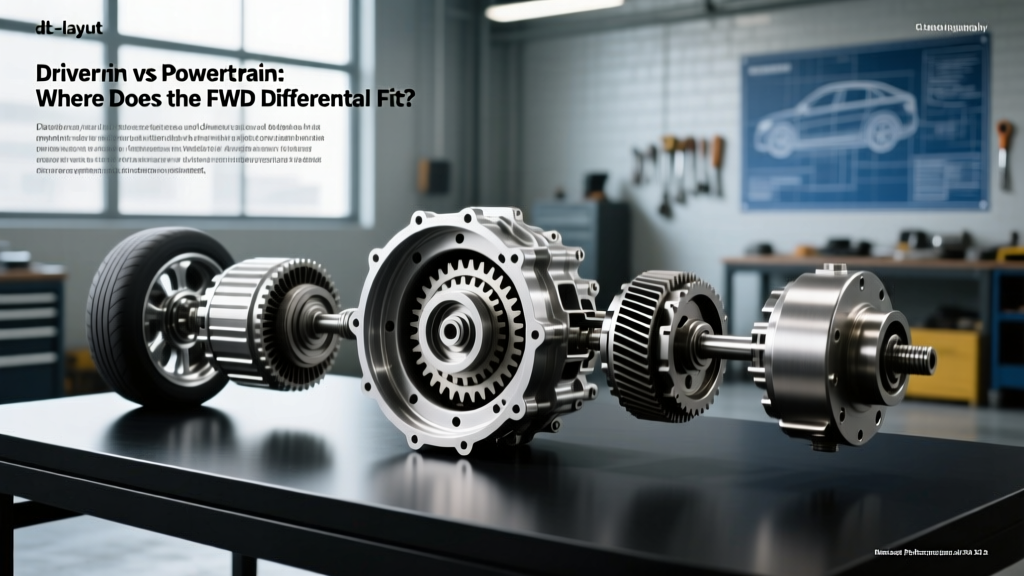
- The Powertrain: This is the complete system responsible for generating power and delivering it to the road. It encompasses everything from the engine block, cylinder head, fuel injection system, and turbochargers, all the way through the transmission, driveshaft, axles, and wheels. If it creates or transfers motive force, it is part of the powertrain.
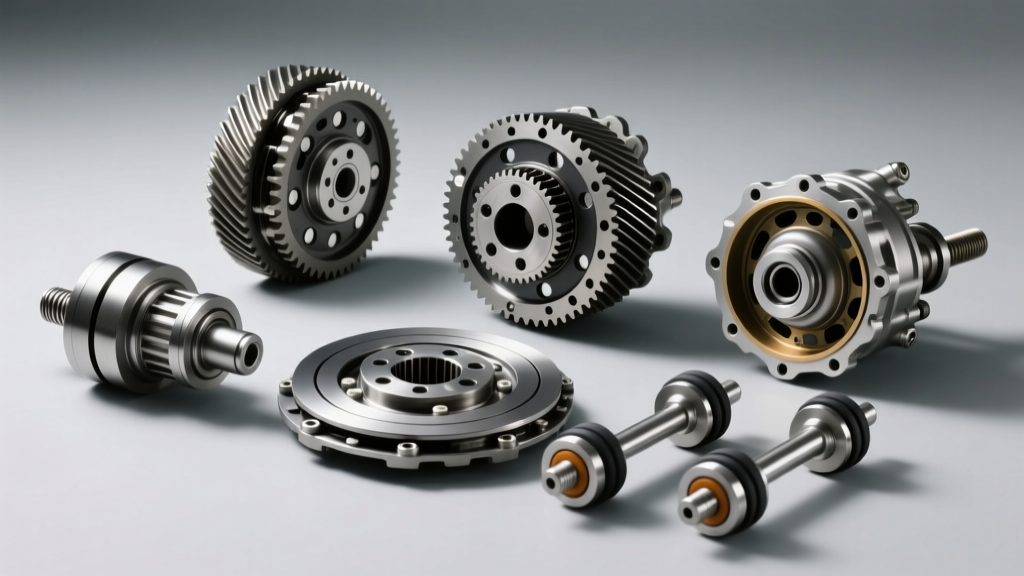
- The Drivetrain: This is a specific subset of the powertrain. The drivetrain includes only the components that transfer power from the engine to the wheels. It consists of the transmission, driveshaft, CV joints, differentials, axles, and wheels. The engine and its ancillary systems (fuel pumps, ignition coils, turbochargers) are not part of the drivetrain.
Understanding this distinction is the key to decoding BMW's warning systems and saving yourself from unnecessary diagnostic anxiety.
The iDrive Paradox: Why the Warning is Misleading
Here is where the confusion lies for BMW owners: BMW's iDrive infotainment and instrument cluster software uses the term "Drivetrain Malfunction" as a catch-all umbrella alert for Powertrain faults.
When your BMW's Engine Control Module (DME) or Transmission Control Module (EGS) detects a parameter outside of normal operating thresholds, it triggers a failsafe mode. The car limits boost pressure, alters shift points, and illuminates the warning. Because BMW's engineering nomenclature groups the engine and transmission control logic under a unified "powertrain network" (FlexRay/CAN-FD bus), the dashboard defaults to the "Drivetrain Malfunction" text, even if your actual drivetrain components (transmission, axles, differential) are in perfect mechanical health.
Powertrain Faults Masquerading as Drivetrain Issues
In roughly 70% of cases, a "Drivetrain Malfunction" warning on F-Series (e.g., F30 328i) and G-Series (e.g., G20 M340i) chassis vehicles is actually a powertrain (engine) issue. Common culprits include:
- Ignition & Fuel Delivery: A failing High-Pressure Fuel Pump (HPFP) on the B58 engine (Part # 13517614322) or worn spark plugs causing a misfire under heavy load. The DME detects incomplete combustion and triggers the warning to protect the catalytic converters.
- Boost Leaks & Vacuum Issues: A torn PCV diaphragm in the B58 valve cover or a cracked charge pipe on the N55 engine. The resulting unmetered air causes fuel trims to max out, throwing the car into a reduced-power limp mode.
- Valvetronic & VANOS Faults: A failing eccentric shaft sensor or a clogged oil control valve preventing proper variable valve timing.
True Drivetrain Faults (The ZF 8HP and xDrive Side)
When the warning is genuinely tied to the drivetrain, the issue lies in the transmission or the all-wheel-drive system. BMW relies heavily on the legendary ZF 8HP series of 8-speed automatic transmissions (such as the 8HP45, 8HP50, and 8HP75). True drivetrain faults include:
- Mechatronic Unit Failures: The ZF mechatronic unit combines the valve body and the Transmission Control Module (TCM). The plastic adapter sleeves (Part # 24117583803) are known to crack and leak fluid onto the TCM pins, causing communication errors and harsh shifting.
- xDrive Transfer Case (ATC) Actuator Wear: In BMW xDrive models, the transfer case actuator motor utilizes a small plastic gear that strips over time. When the gear slips, the vehicle cannot properly distribute torque between the front and rear axles, triggering both a 4WD warning and the Drivetrain Malfunction alert.
Component Breakdown, Failure Modes, and Repair Costs
To help you budget and diagnose, here is a comparative breakdown of common failures that trigger the warning, categorized by their actual system. Note: Costs are estimated averages for the 2026 aftermarket and independent specialist market.
| System | Component | Common Failure Mode | Part Cost Range | Labor Time |
|---|---|---|---|---|
| Powertrain | B58 HPFP (Fuel Pump) | Internal pressure bleed-down; long cranks | $350 - $550 | 1.5 Hours |
| Powertrain | Charge Pipe (N55/B58) | Plastic becomes brittle and cracks at flange | $150 - $300 | 1.0 Hour |
| Drivetrain | ZF 8HP Mechatronic Sleeve | Plastic degrades; fluid leaks onto TCM pins | $40 - $80 | 3.5 Hours |
| Drivetrain | xDrive ATC Actuator Gear | Plastic internal gear strips; AWD disabled | $150 (Gear) / $800 (Motor) | 2.5 Hours |
| Drivetrain | Flex Disc (Guibo) | Rubber deteriorates; causes driveline vibration | $80 - $150 | 2.0 Hours |
Step-by-Step Diagnostic Protocol
Because the "Drivetrain Malfunction" warning is so broad, throwing parts at the car is a guaranteed way to waste money. Follow this diagnostic hierarchy:
- Read the Shadow Codes: Do not rely on a generic OBD2 scanner. You need a BMW-specific tool like ISTA+, a Foxwell NT510, or the Carly app to read manufacturer-specific shadow codes. A code like 11A002 points to fuel pressure (Powertrain), while 482968 points to transfer case internal wear (Drivetrain).
- Check Live Data: Monitor your high-pressure fuel rail target vs. actual pressure under load. If actual pressure drops below target during wide-open throttle, you have a powertrain fuel delivery issue, not a broken transmission.
- Inspect for Physical Leaks: Raise the vehicle and inspect the ZF 8HP transmission pan. The ZF 8HP uses a plastic oil pan with an integrated filter. If you see fluid weeping from the rear electrical connector, your mechatronic sleeve has failed.
Preventative Maintenance: Torque Specs and Fluids
Whether you are dealing with the engine or the transmission, adhering to precise maintenance schedules is critical to avoiding these warnings. For the ZF 8HP drivetrain, BMW officially claims the fluid is a "lifetime" fill. However, ZF themselves recommends servicing the transmission every 60,000 to 80,000 miles to prevent mechatronic wear.
ZF 8HP Service Specifications:
- Fluid Type: ZF LifeguardFluid 8 (Part # S671.090.190). Do not use generic multi-vehicle ATF.
- Capacity: Approximately 8.5 Liters (dry fill is higher, but a drain-and-fill yields about 5-6 liters; a fluid exchange machine uses the full 8.5L).
- Fill Procedure: The vehicle must be perfectly level. The transmission fluid temperature must be between 30°C and 50°C (86°F - 122°F) when checking the fill level via the overflow plug.
- Torque Specs: ZF 8HP plastic pan-to-transmission bolts: 10 Nm. Fill/Overflow plug: 35 Nm.
For the xDrive Transfer Case (ATC), the fluid is often neglected. It requires specific TF 0870 transfer case fluid (approx. 0.6L capacity). The fill plug torque spec is typically 25 Nm. Changing this fluid every 50,000 miles can significantly extend the life of the internal actuator gear and clutch packs.
Warranty Implications: Powertrain vs. Drivetrain Coverage
Finally, understanding these definitions is vital when dealing with extended warranties or CPO (Certified Pre-Owned) contracts. Many third-party warranty companies offer "Drivetrain-only" policies because they are cheaper to underwrite. Under a strict drivetrain-only policy, if your BMW throws a Drivetrain Malfunction code due to a failed turbocharger wastegate or a bad HPFP, your claim will be denied, as those are engine (powertrain) components. Always ensure your extended warranty explicitly covers the "Powertrain," including engine management, fuel delivery, and forced induction systems, to protect yourself from the realities of BMW's dashboard terminology.
For more detailed technical documentation and owner resources, you can always refer to the official BMW USA Owner's Manuals portal to verify the specific warning definitions for your exact chassis and model year.