The Critical Role of Line Routing in Dodge Drivetrains
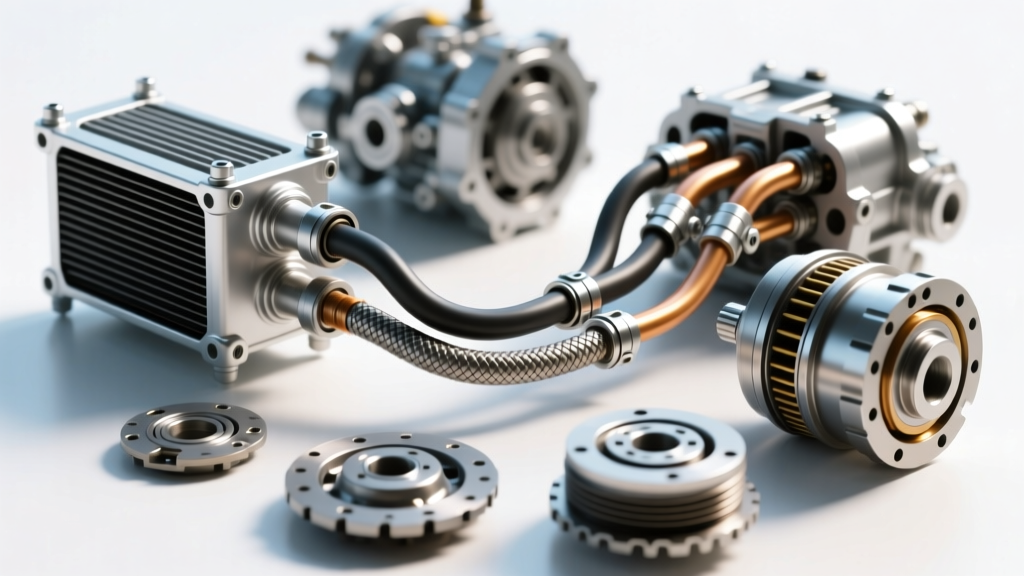
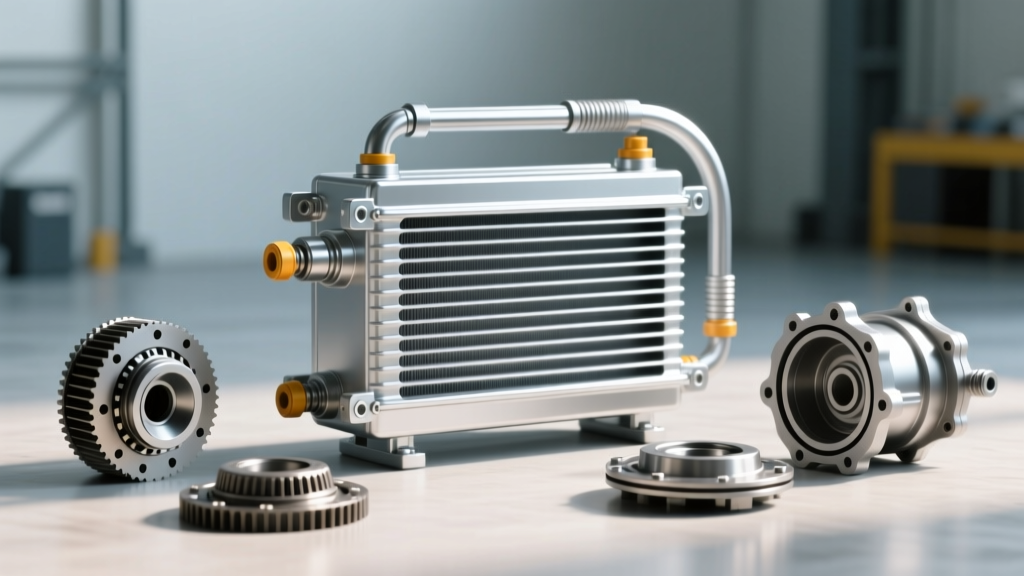
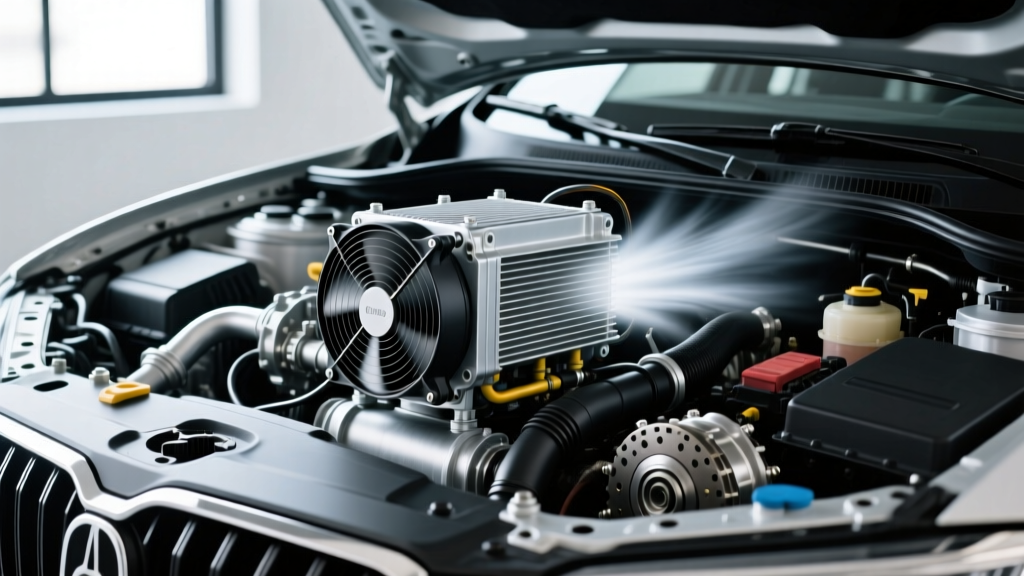
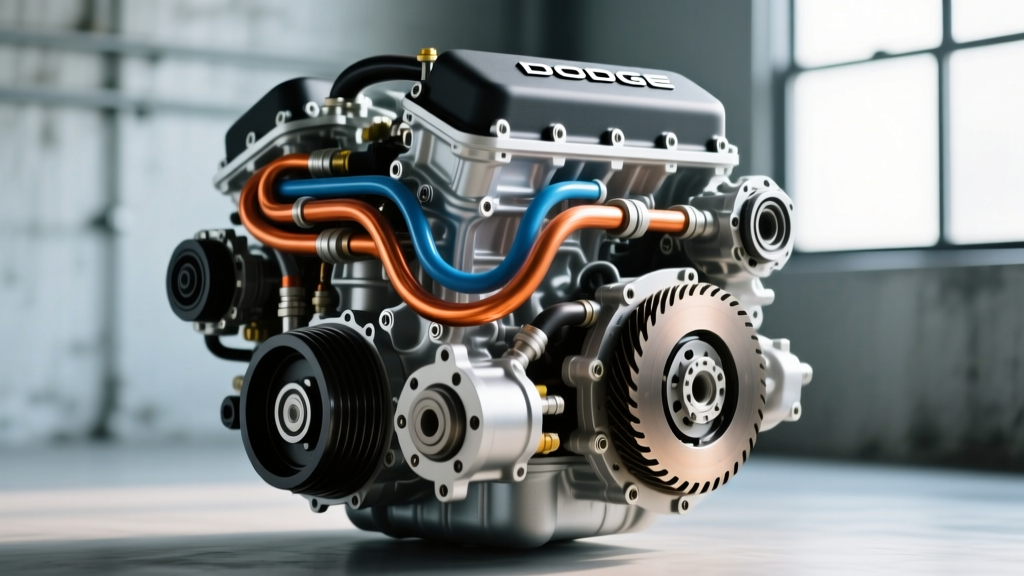
When upgrading or replacing a dodge transmission oil cooler, the cooler itself is only half the battle. The plumbing that connects the transmission to the heat exchanger dictates flow volume, pressure retention, and thermal efficiency. For heavy-duty platforms like the Ram 2500/3500 equipped with the 68RFE, or the modern Ram 1500 and Charger platforms utilizing the ZF 8HP75, improper line routing is a primary catalyst for premature clutch pack wear and torque converter shudder.
As of 2026, the widespread adoption of low-viscosity synthetic fluids, such as Mopar ZF 8&9 Speed ATF and Valvoline Multi-Vehicle formulations, demands absolute precision in fluid delivery. Low-viscosity fluids are highly susceptible to aeration if routed through restrictive bends or exposed to excessive harmonic vibration. This guide outlines the exact engineering principles, material selections, and routing protocols required to optimize your Dodge transmission cooling circuit.
Decoding the Flow: Supply vs. Return Lines
Before cutting, bending, or mounting any lines, you must definitively identify the supply (to cooler) and return (from cooler) circuits. Misrouting these lines on a Dodge application can result in the transmission drawing aerated, hot fluid back into the converter, or worse, starving the lube circuit entirely.
- 68RFE (Ram Cummins): The top fitting on the transmission case is typically the supply line (fluid exiting to the cooler). The bottom fitting is the return line, which feeds directly into the transmission's lube and cooling circuit.
- ZF 8HP75 (Ram 1500 / Charger): These units utilize an integrated Thermal Management Module (TMM). The TMM acts as a bypass valve, keeping fluid inside the transmission until it reaches operating temperature (usually around 180°F). When routing an auxiliary cooler, you must tap into the lines after the TMM to ensure the transmission can still self-regulate cold-start warmup.
- NAG1 / 722.6 (Older Challenger/Charger): Flow direction is generally top-to-bottom, but verifying with a flow test is mandatory due to variations in aftermarket valve body modifications.
The 20-Second Flow Verification Test
Never assume flow direction based on internet forum hearsay. According to technical bulletins from Sonnax, the definitive way to verify flow is the 20-second test. Disconnect the return line at the transmission, route it into a calibrated catch can, and start the engine. A healthy 68RFE should pump roughly 1.5 to 2 quarts of fluid in 20 seconds at idle. If the flow is weak, you have identified the return line (as the pump is pushing fluid out of the supply side, through the cooler, and back to the disconnected return side).
Material Selection: Hard Lines vs. Braided Hoses
The material you choose for your cooler lines drastically affects pressure drop and heat dissipation. Dodge trucks, especially those used for towing, experience massive cooler line pressure spikes. Under heavy load or during a tow/haul shift schedule, 68RFE line pressure can exceed 180 PSI, while the ZF 8HP operates at lower baseline pressures but requires higher continuous volume.
| Material Type | Max Pressure (PSI) | Temp Limit | Vibration Resistance | Estimated Cost (per ft) |
|---|---|---|---|---|
| OEM Steel/Aluminum Hard Line | 300+ | 350°F+ | Low (Requires rubber isolators) | $4.00 - $8.00 |
| Nylon 12 (OE Replacement) | 200 | 250°F | High | $3.00 - $5.00 |
| AN-8 Braided Stainless (PTFE) | 1,500+ | 450°F+ | Very High | $18.00 - $25.00 |
| Standard Rubber Hose (Clamp) | 100 | 250°F | High | $2.50 - $4.00 |
Expert Verdict: Avoid standard rubber hose with worm-gear clamps for high-pressure Dodge applications. The 68RFE will easily blow a standard clamp off under high-stall or heavy-towing conditions. If using flexible lines, upgrade to PTFE-lined AN-8 stainless braided hose with crimped or reusable AN fittings. For hard lines, use OEM-style aluminum or NiCop (Nickel-Copper) tubing, which is highly resistant to road salt corrosion and easier to bend without kinking.
Routing Best Practices: Avoiding the 'Pinch Points'
The undercarriage of a modern Dodge Ram is a congested network of exhaust components, steering linkages, and driveshafts. Proper routing requires adherence to strict clearance metrics.
Exhaust and DPF Clearance
The 6.7L Cummins DPF (Diesel Particulate Filter) and SCR (Selective Catalytic Reduction) systems operate at extreme temperatures, frequently exceeding 1,200°F during active regeneration. Rule of Thumb: Maintain a minimum of 3 inches of clearance between any transmission cooler line and the exhaust system. If 3 inches is physically impossible, you must install a heat shield barrier (such as DEI Titanium Exhaust Wrap or an aluminum heat shield) over the line.
Frame Rail Attachment and Vibration Dampening
Never use standard zip-ties to secure hard lines or braided hoses to the frame. The harmonic vibration from the Dodge drivetrain, particularly the diesel platforms, will cause zip-ties to fatigue and snap within 5,000 miles, allowing the line to chafe against the frame rail until it ruptures.
- Use Adel clamps (P-clamps) with EPDM rubber cushions.
- Space the clamps no more than 18 inches apart on horizontal runs.
- When crossing the frame rail or crossmembers, use dedicated rubber grommets or silicone sleeves to prevent metal-on-metal abrasion.
'The number one cause of auxiliary cooler failure on lifted Rams isn't the cooler itself; it's the custom lines rubbing against the front driveshaft or the transmission crossmember. A $2 rubber Adel clamp saves a $4,000 transmission rebuild.' — Senior Drivetrain Technician, Midwest Diesel & Auto
Torque Specifications and Quick-Connect Protocols
Dodge relies heavily on quick-connect fittings for their transmission cooler lines, particularly on the ZF 8HP and later-model 68RFE applications. While convenient, these fittings are notorious for leaking if the O-rings are damaged during installation or if the retaining clips are not fully seated.
| Fitting Type | Application | Tightening / Seating Spec | Required Retaining Clip |
|---|---|---|---|
| 1/2' Quick-Connect | ZF 8HP75 / 68RFE | Push until audible 'click', verify pull-back | Mopar 68004969AA (or equivalent) |
| 5/8' Quick-Connect | Heavy-Duty 68RFE / Aisin | Push until seated, lock retainer gate | Mopar 68223834AA |
| 1/2' Inverted Flare | Older NAG1 / 45RFE | 15 - 20 ft-lbs | N/A (Threaded) |
| AN-8 O-Ring Boss (ORB) | Aftermarket / Custom | 25 - 30 ft-lbs | N/A (Viton O-ring required) |
Pro Tip: When reconnecting OEM quick-connects, always replace the internal O-rings and the external retaining clips. According to service guidelines referenced by the Automatic Transmission Rebuilders Association (ATRA), reusing stretched OEM retaining clips is a leading cause of slow cooler line leaks that eventually lead to low-fluid torque converter shudder.
Bleeding and Post-Installation Flow Testing
Once your dodge transmission oil cooler lines are routed, secured, and torqued, the system must be properly bled. The ZF 8HP, in particular, is highly sensitive to air pockets in the thermal management module.
- Fill the transmission to the base level with the correct fluid (e.g., Mopar ZF 8&9 Speed ATF or Mopar ATF+4 for the 68RFE).
- Start the engine and allow it to idle. Cycle the gear shifter through P-R-N-D, pausing for 3 seconds in each gear to fill the clutch apply circuits.
- Monitor the transmission fluid temperature via an OBD2 scanner. The ZF thermal bypass will not open fully until the fluid reaches approximately 180°F (82°C).
- Once the bypass opens, the fluid level will drop significantly as the new cooler and lines fill. Add fluid immediately to prevent pump cavitation.
- Perform a final visual inspection of all Adel clamps and quick-connect fittings while the system is under operating pressure and temperature.
Conclusion
Routing transmission cooler lines on Dodge vehicles requires a methodical approach that prioritizes flow dynamics, thermal clearance, and vibration resistance. By selecting the correct PTFE or hard-line materials, strictly adhering to exhaust clearance metrics, and utilizing proper retaining clips, you ensure that your cooling system operates flawlessly. Whether you are towing 15,000 lbs through the Rockies in a 68RFE-equipped Ram or tracking a supercharged Charger with a built ZF 8HP, precise line routing is the unsung hero of transmission longevity.