The ZF 8.375 Rear Axle and the 3.09 Ratio
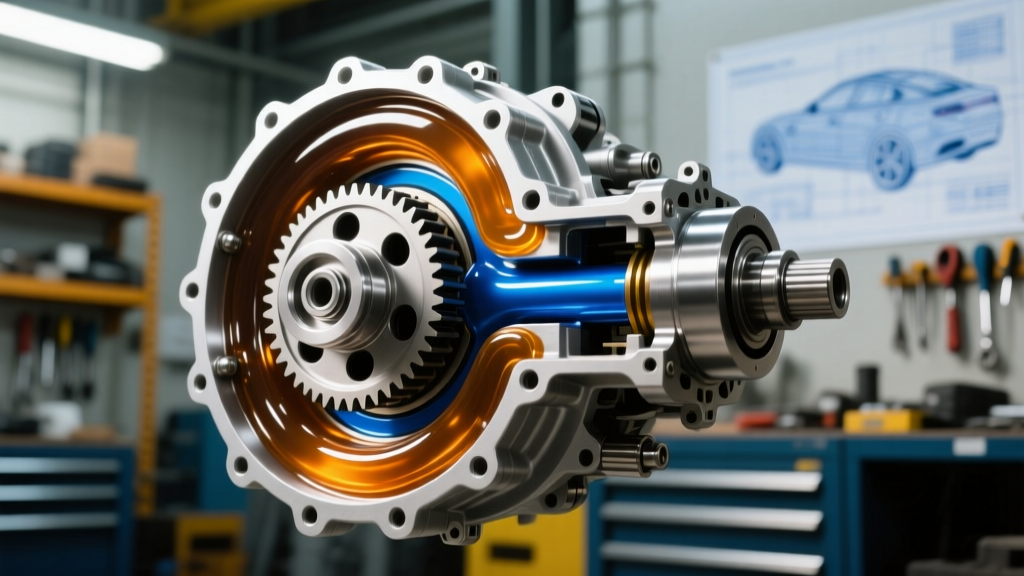
When evaluating the drivetrain of the 5.7L Hemi V8 Dodge Charger R/T, the rear axle configuration dictates how effectively that 375 horsepower reaches the pavement. While the Super Track Pak models often feature performance-tuned gearing, the standard R/T frequently rolls off the assembly line with a 3.09 rear axle ratio housed inside the ZF 8.375-inch aluminum differential. This specific 3.09 differential Dodge Charger RT setup is engineered as a compromise, providing respectable highway fuel economy via lower engine RPMs while still offering adequate torque multiplication for daily driving.
However, the factory open differential paired with this 3.09 ratio is a notorious bottleneck for traction. When driven hard, the open differential routes torque to the wheel with the least resistance, resulting in the infamous 'one-wheel peel.' For enthusiasts looking to maximize the performance of their Hemi-powered sedan without sacrificing street manners, upgrading to a Limited Slip Differential (LSD) is the most transformative modification available. This buyer's guide compares the factory open unit against the top LSD upgrades, detailing fluid requirements, installation realities, and mechanical advantages.
Mechanical Showdown: Open Differential vs. Limited Slip
The Physics of the Factory Open Differential
The factory open differential utilizes a simple spider gear arrangement. Its primary function is to allow the outer wheel to rotate faster than the inner wheel during cornering, preventing tire scrubbing and drivetrain binding. The fatal flaw of this design under high torque loads is its inability to bias torque. If the right rear tire encounters a patch of loose gravel or becomes unloaded during weight transfer, the spider gears simply spin the unloaded tire while the loaded tire receives zero forward thrust. In a heavy 4,400-lb sedan like the Charger R/T, this results in excessive tire wear, erratic handling on launch, and severely muted 0-60 mph times.
How Limited Slip Differentials Restore Traction
A Limited Slip Differential introduces internal resistance to the spider gears, forcing both axle shafts to rotate at similar speeds until a specific torque threshold is exceeded. This ensures that even if one wheel loses grip, the opposing wheel continues to receive the torque necessary to propel the vehicle forward. According to Eaton's engineering documentation, modern LSDs achieve this through either helical gear torque biasing or clutch-pack friction, each offering distinct characteristics for the street-driven Charger.
Differential Upgrade Matrix for the Charger R/T
| Feature | Factory Open Diff | Clutch-Type LSD (Auburn Pro) | Helical LSD (Detroit Truetrac) |
|---|---|---|---|
| Torque Bias Ratio (TBR) | 1:1 (No Bias) | 4.3:1 (High Lockup) | 3.5:1 (Progressive Bias) |
| Low-Speed Cornering | Smooth, No Binding | Requires Friction Modifier | Smooth, No Additives Needed |
| Maintenance Interval | Fluid Change Only | Clutch Pack Rebuild at 80k Miles | Gear Wear is Minimal / Lifetime |
| Estimated Part Cost | N/A (Factory) | $580 - $650 | $690 - $760 |
| Best Application | Highway Cruising / Commuting | Drag Racing / Straight Line Grip | Street / Canyon Carving / All-Weather |
Top LSD Buyer's Guide for the 3.09 Charger
Eaton Detroit Truetrac (Helical Gear)
For the vast majority of Charger R/T owners, the Eaton Detroit Truetrac (Part # 917A615 for the ZF 8.375-inch, 31-spline axle) is the ultimate upgrade. Unlike clutch-based units, the Truetrac utilizes a helical gear network that multiplies torque to the wheel with traction based on the load applied. It operates smoothly and quietly, requiring absolutely no friction modifiers in the gear oil. Because it has no wearable clutch packs, it is effectively maintenance-free for the life of the differential. The progressive torque bias ratio of 3.5:1 provides excellent grip off the line while remaining completely transparent during low-speed parking maneuvers.
Auburn Gear Pro Series (Cone-Clutch)
If your Charger R/T is primarily a drag strip warrior, the Auburn Gear Pro Series (Part # 545003) offers a more aggressive lockup. As detailed in the Auburn Gear Pro Series catalog, this unit utilizes high-capacity cone clutches that provide a massive 4.3:1 torque bias ratio. It locks up harder and faster than a helical gear, maximizing forward bite on prepped surfaces. However, this aggressive engagement requires strict adherence to fluid additive protocols to prevent chatter, and the clutch packs will eventually require replacement under heavy abuse.
Differential Fluid, Additives, and Torque Specifications
Upgrading the differential hardware is only half the battle; proper fluid selection and adherence to torque specifications are critical for the longevity of the ZF 8.375 aluminum housing. The Charger's rear differential holds approximately 1.7 quarts (1.6 liters) of gear oil.
Gear Oil Selection and Friction Modifiers
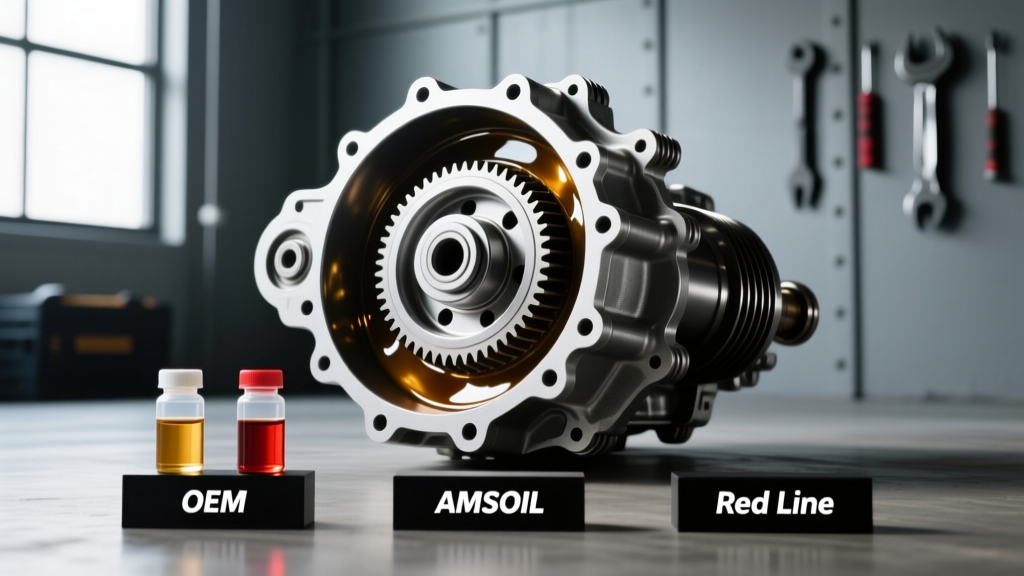
For the factory open differential or the Auburn clutch-type LSD, Mopar's official 75W-140 Synthetic Gear Lubricant (Part # 68218655AA) is the baseline requirement. The 75W-140 viscosity is necessary to protect the ring and pinion gears under the high thermal loads generated by the heavy Charger chassis.
- Clutch-Type LSDs (Auburn): You MUST add Mopar Friction Modifier (Part # 4318060AD). Without this additive, the clutch plates will stick and slip during tight turns, causing a violent chattering sensation that can damage the axle shafts and U-joints.
- Helical LSDs (Truetrac): Do NOT use friction modifiers. The modifier reduces the coefficient of friction inside the differential, which can actually hinder the helical gears' ability to bias torque effectively. A high-quality synthetic like Red Line 75W140 ShockProof is highly recommended for Truetrac applications.
Chrysler 8.375 ZF Axle Torque Specs
When performing the swap from an open diff to an LSD, the ring gear must be transferred from the factory carrier to the new LSD case. This requires a hydraulic press and precision measuring tools to set the backlash and bearing preload. The following torque specifications are critical for the ZF 8.375 aluminum housing:
- Ring Gear to Case Bolts: 75 lb-ft (Apply Loctite 243 to threads; these are left-hand thread on some older Chrysler axles, but standard right-hand on the ZF. Verify before turning).
- Differential Bearing Cap Bolts: 60 lb-ft. (Always reuse the original grade 10.9 bolts and mark them for alignment).
- Rear Cover Bolts (12mm): 21 lb-ft. (Use a continuous 3mm bead of Mopar RTV Silicone, part # 4883971, rather than a paper gasket, to prevent weeping on the aluminum mating surface).
- Pinion Nut: 220 lb-ft. (This is a crush-sleeve design. Over-torquing will destroy the pinion bearing preload, requiring a complete teardown and new crush sleeve).
Cost Analysis and Final Verdict
Upgrading your 3.09 differential Dodge Charger RT is a significant investment, but the return on investment regarding drivability and performance is undeniable. Expect to pay between $650 and $750 for a premium LSD unit. An installation master kit (including new Timken bearings, crush sleeve, pinion seal, and ring gear bolts) will add roughly $140. Professional installation at a drivetrain specialty shop typically ranges from $450 to $600, bringing the total out-the-door cost to approximately $1,300 to $1,500.
For the daily-driven R/T that sees occasional canyon carving and highway pulls, the Eaton Detroit Truetrac is the undisputed champion. It transforms the 3.09 rear end from a one-tire fire hazard into a planted, predictable, and aggressive drivetrain, all while requiring zero special fluid additives or clutch-pack rebuilds. If you are building a dedicated drag car, the Auburn Pro Series will give you the harsh lockup needed to hook up slicks on the tree. Whichever route you choose, abandoning the factory open differential is the single best traction modification you can make to your Charger R/T.