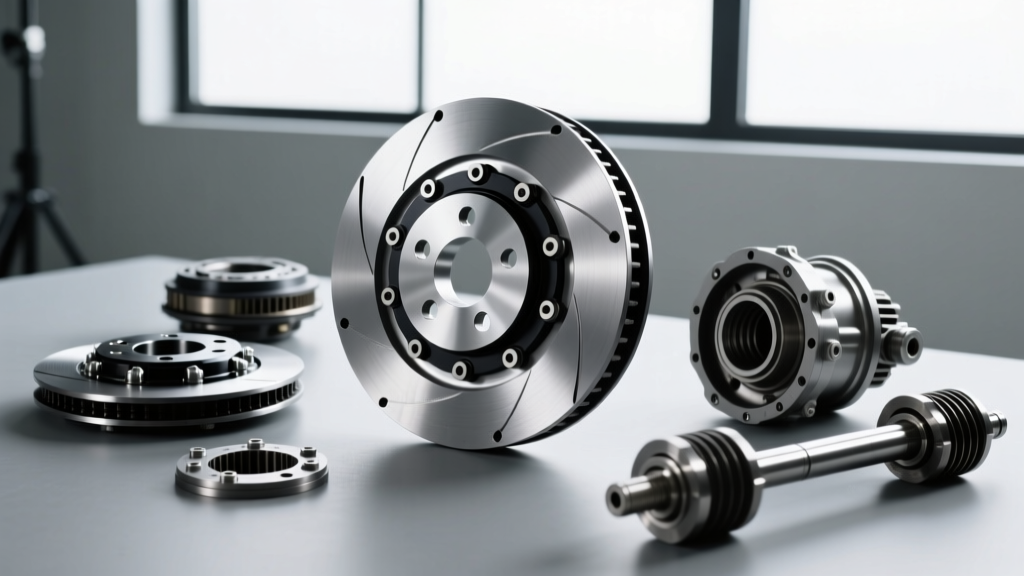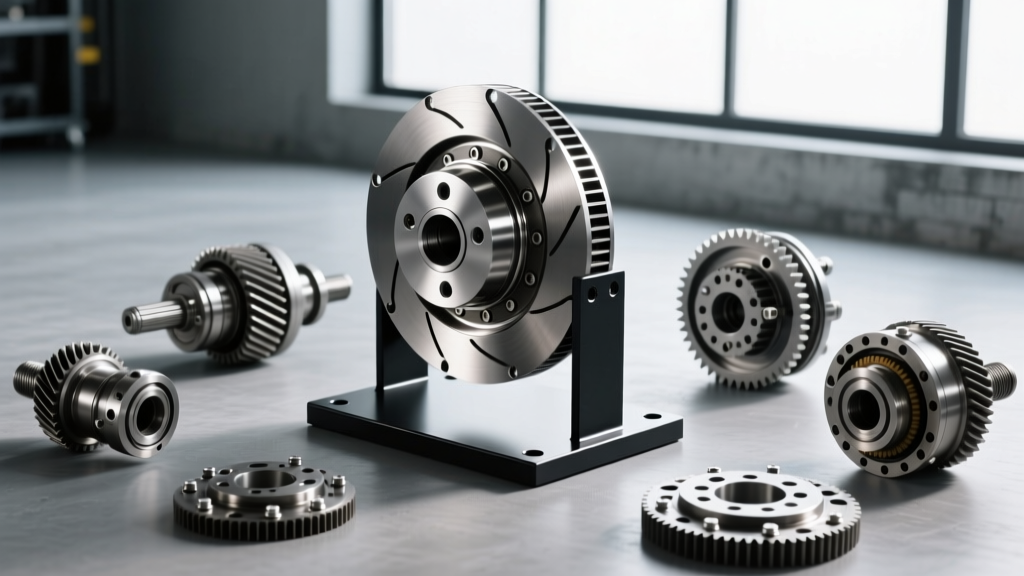
The Hard Truth About Flywheel Resurfacing
When a manual transmission clutch reaches the end of its service life, the standard protocol for decades has been straightforward: replace the friction disc, pressure plate, and release bearing, and send the flywheel to the machine shop for a quick resurface. However, the modern drivetrain landscape has fundamentally changed this equation. If your vehicle is equipped with a dual mass clutch and flywheel assembly, the traditional resurfacing guide goes out the window. In fact, attempting to resurface a Dual Mass Flywheel (DMF) is not just ill-advised; it is mechanically catastrophic and universally rejected by OEM engineers.
As we navigate the 2026 automotive repair market, labor rates and parts costs are at a premium. Understanding the engineering limitations of a DMF—and the exact cost breakdown of your options—is critical for avoiding thousands of dollars in botched repairs and premature drivetrain failures.
Why Resurfacing a Dual Mass Flywheel is an Engineering Myth
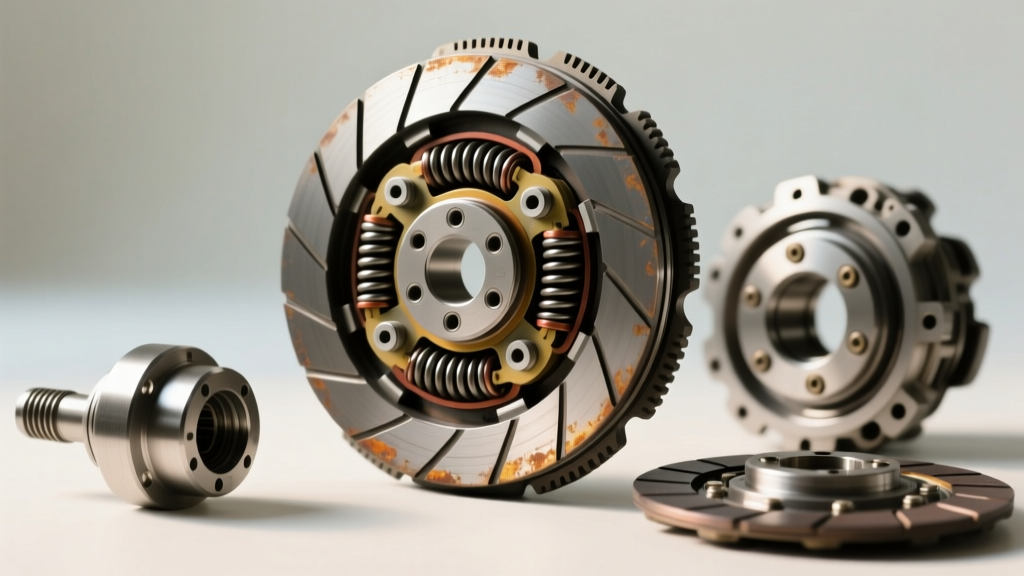
A Single Mass Flywheel (SMF) is a solid piece of cast iron or billet steel. Resurfacing it simply involves mounting it on a rotary grinder and skimming the friction surface to restore flatness and remove heat checks. A DMF, however, is a complex torsional dampening device. It consists of a primary mass (bolted to the crankshaft), a secondary mass (which the clutch bolts to), and an internal array of heavy-duty coil springs, planetary gears, and high-temperature lithium grease.
The Tolerance Problem: Step Height and Clamping Geometry
The primary reason a DMF cannot be machined is the step height—the distance between the friction surface and the pressure plate mounting flange. Clutch manufacturers design the pressure plate's diaphragm spring to operate within a microscopic tolerance window (typically between 0.4mm and 0.8mm of deflection). If a machine shop skims 0.5mm of material off a DMF's secondary friction surface, the step height increases. This pushes the pressure plate further away from the crank, reducing the clamping force exponentially. The result? Immediate clutch slip under load, aggressive shuddering, and a fried friction disc within 5,000 miles.
Furthermore, machining a DMF removes mass from the secondary plate, altering the rotational balance and the centrifugal behavior of the internal damping springs, leading to violent harmonic vibrations at specific RPM bands.
Critical DMF Inspection Tolerances (2026 Specs)
| Measurement Parameter | Single Mass Flywheel (SMF) | Dual Mass Flywheel (DMF) | Failure Consequence |
|---|---|---|---|
| Friction Surface Runout | Max 0.10mm (0.004") | Max 1.20mm (0.047") | Chatter, release bearing wear |
| Axial End-Play (Primary to Secondary) | N/A (Solid Mass) | Max 1.50mm - 2.50mm (Varies) | Internal spring fatigue, rattle |
| Friction Surface Step Height | Max 1.20mm (Resurfaceable) | Fixed by OEM (Non-Machinable) | Clamp load loss, slip |
| Visual Heat Checking | Acceptable if superficial | Unacceptable (Requires Replacement) | Secondary mass cracking |
For authoritative diagnostic procedures, always consult the Schaeffler (LuK) aftermarket technical portal, which provides application-specific dial indicator testing protocols for end-play and runout.
2026 Cost Analysis: Resurfacing vs. Replacing vs. Converting
When faced with a failing DMF, vehicle owners generally have three financial paths. Below is a comprehensive cost breakdown based on 2026 national average shop rates ($150/hour) and OEM/OEM-equivalent parts pricing.
| Service Path | Parts Cost | Labor / Machine Shop | Total Estimated Cost |
|---|---|---|---|
| SMF Resurfacing (For Comparison) | $0 (Existing Part) | $75 - $125 (Machine Shop) | $75 - $125 |
| Direct DMF Replacement (OEM/LuK) | $850 - $1,400 (DMF + Clutch Kit) | $1,050 - $1,350 (7-9 Hours) | $1,900 - $2,750 |
| DMF to SMF Conversion Kit | $600 - $950 (Solid FW + Sprung Hub) | $1,050 - $1,350 (7-9 Hours) | $1,650 - $2,300 |
The DMF to SMF Conversion: A Cost-Effective Alternative?
To bypass the recurring $1,000+ cost of replacing a dual mass clutch and flywheel every 90,000 miles, many enthusiasts and fleet operators opt for a DMF-to-SMF conversion kit. Companies like Valeo (with their Solid Flywheel Conversion kits) and LuK offer engineered solutions that replace the complex DMF with a single-mass billet or cast-iron flywheel, paired with a specialized clutch disc featuring an integrated multi-stage torsional damper.
Pros and Cons of Conversion
- Pros: Eliminates internal DMF spring failures, reduces replacement cost by 30-40%, increases clutch life under high-torque/towing applications.
- Cons: Increased NVH (Noise, Vibration, and Harshness) transmitted to the transmission housing, potential for gear rattle at idle, and in some modern ECUs, altered rotational mass can cause low-RPM fueling maps to shudder.
Expert Note: If you operate a heavy-duty truck (e.g., Ford 6.7L Powerstroke or Ram 6.7L Cummins) primarily for towing, an SMF conversion with a South Bend or Valair multi-disc organic clutch is highly recommended. For daily-driven European hatchbacks (e.g., VW Golf TDI), stick to the OEM DMF to preserve drivetrain refinement and prevent transmission casing fatigue.
How to Inspect a DMF Before Authorizing a Replacement
Before dropping $2,000 on a new dual mass clutch and flywheel assembly, verify the failure. Many DIYers and inexperienced mechanics misdiagnose transmission bearing noise as a failed DMF. Here is the definitive inspection protocol:
- The Visual Heat Check Test: Inspect the friction surface for bluing or severe micro-cracking. Superficial hairline cracks are normal on high-mileage DMFs. However, if cracks intersect or show material displacement, the secondary mass is compromised and must be replaced.
- The Dial Indicator Runout Test: Mount a magnetic base dial indicator to the engine block. Place the needle on the outer edge of the secondary mass friction surface. Rotate the crankshaft 360 degrees. Total Indicated Runout (TIR) must not exceed 1.2mm. Excessive runout indicates internal bearing failure or warping.
- The Axial End-Play Test: Use a pry bar gently between the primary and secondary masses, or use a dial indicator pulling outward on the secondary mass. Compare the deflection to the OEM spec (usually 1.5mm to 2.5mm). If the secondary mass moves freely and clunks without spring resistance, the internal damping coils have shattered.
- The Gear Rattle Audit: With the transmission in neutral and the clutch engaged (pedal out), listen for a rhythmic "clack-clack" at idle. While some gear rattle is inherent to DMFs, a loud, metallic knocking that changes pitch when the RPM is blipped indicates broken internal stops.
Installation Torque Specifications & Best Practices
Whether you are installing a new OEM DMF or an SMF conversion, adhering to exact torque specifications is non-negotiable. The crankshaft flange and flywheel mating surface must be surgically clean. Any debris will induce runout.
Common Application Torque Specs
- VW/Audi 2.0L TDI (02Q/02E Transmissions): DMF to Crank bolts (M10): 60 Nm + 90-degree turn (Replace bolts every time). Pressure plate to DMF: 25 Nm in a crisscross pattern.
- Ford 6.7L Powerstroke (ZF S6-750 Trans): SMF/DMF to Crank: 85 lb-ft + 90-degree turn. Clutch cover to Flywheel: 35 lb-ft.
- GM 6.6L Duramax (Allison 1000): Flywheel to Crank: 74 lb-ft. (Note: Allison uses a flexplate, but manual swap or specific clutch applications require strict thread locker application).
Always use a new pilot bearing and a high-temperature flywheel thread locker (such as Loctite 272) if specified by the OEM. Never use impact guns to tighten flywheel bolts; use a calibrated torque wrench and a flywheel holding tool to prevent damaging the internal DMF stops.
Final Verdict: Where Should Your Budget Go?
The era of the $75 flywheel resurface is strictly limited to older, single-mass applications or dedicated track cars. If your vehicle rolled off the assembly line in the last 15 years with a manual transmission, it likely relies on a dual mass clutch and flywheel to protect the transmission input shaft and synchronizers from diesel or high-compression gas engine harmonics. Budget accordingly for a full DMF replacement or a high-quality SMF conversion in 2026, and never trust a machine shop that claims they can "skim" a dual mass unit.