The Critical Role of the Clutch in Off-Road Performance
In the high-RPM, high-abuse environment of motocross and hard enduro, the transmission clutch is the primary wear item that dictates your machine's drivability. Whether you are feathering the lever through a technical rock garden or dumping it off the line at a Supercross start, the friction and steel plates inside your clutch basket endure extreme thermal and mechanical stress. For 2026, advancements in friction materials and basket coatings have shifted the landscape of aftermarket replacements. This preventive maintenance guide and brand comparison will help you select the best components and establish a rigorous service interval to prevent catastrophic drivetrain failure.
Anatomy of a Modern Motocross Clutch Pack
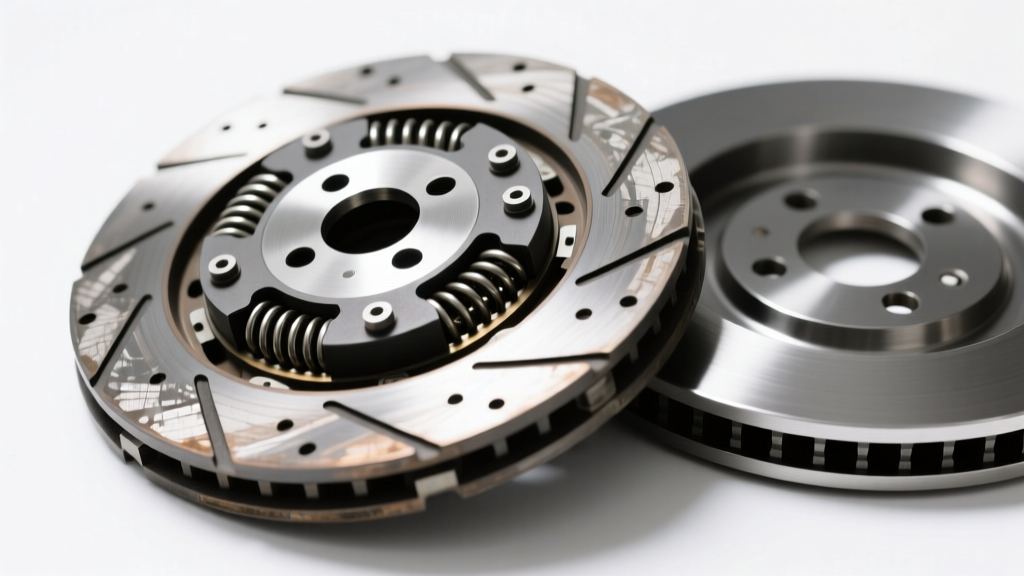
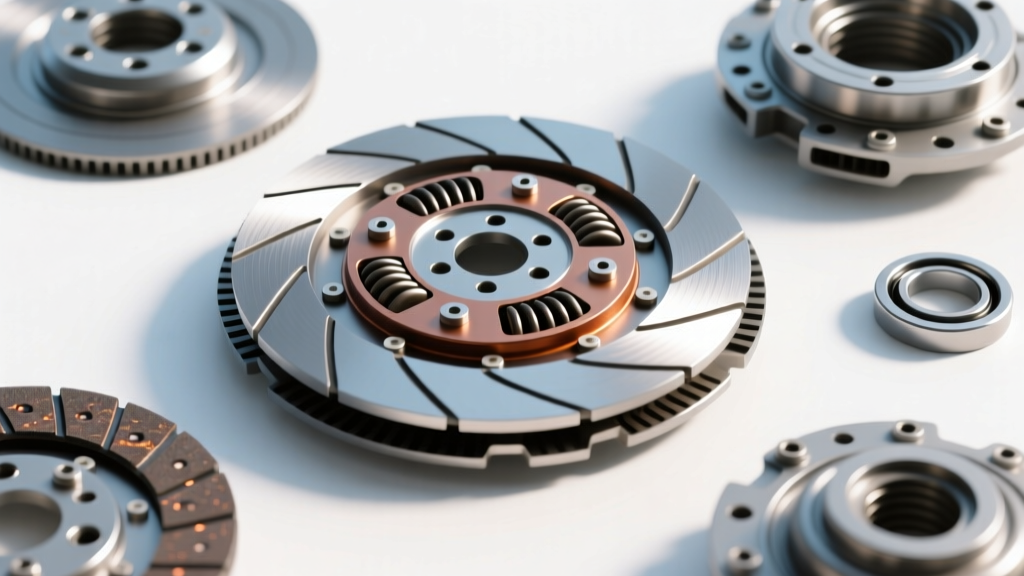
A standard wet clutch assembly consists of alternating friction plates (lined with cork, Kevlar, or carbon-ceramic materials) and bare steel drive plates. The friction plates spline to the inner hub, while the steel plates spline to the outer basket. When the clutch springs compress the pack together, friction locks the assembly, transferring engine torque to the transmission input shaft.
Over time, the friction material wears down, reducing the overall stack height. Simultaneously, the steel plates absorb immense heat, leading to warpage and glazing. If left unchecked, a worn clutch pack will slip under load, generating excess heat that can literally weld the steel plates together or warp the inner hub.
Top Brand Comparison Matrix: Aftermarket vs. OEM
When sourcing replacement components, riders are flooded with options. Below is a comparative analysis of the leading manufacturers dominating the off-road market in 2026.
| Brand | Technology / Material | Price Range (Kit) | Best Application | Durability Rating |
|---|---|---|---|---|
| Hinson Racing | Billet-proof friction compounds, FIM-legal | $240 - $290 | Supercross, Pro-level Motocross | 9.5 / 10 |
| Rekluse | TorqDrive (thinner steels, more plates) | $299 - $349 | Hard Enduro, Technical Single-Track | 9.8 / 10 |
| ProX Racing | OEM-equivalent (Nissin/FCC sourced) | $110 - $140 | Stock Restorations, Trail Riding | 8.0 / 10 |
| EBC Dirt Racer | Kevlar / Carbon blended linings | $90 - $120 | Budget MX, Amateur Weekend Racing | 7.5 / 10 |
Hinson Racing: The OEM-Plus Standard
Hinson Racing is synonymous with factory-level durability. While famous for their billet T6 aluminum outer baskets and inner hubs, their replacement friction and steel plates use proprietary heat-resistant compounds. Hinson plates are designed to resist glazing even when subjected to the violent clutch-feathering techniques used by professional riders. They are the go-to choice for riders who want OEM fitment with a 20% increase in thermal threshold.
Rekluse: Revolutionizing Pack Density
Rekluse TorqDrive technology fundamentally changes the physics of the clutch pack. By manufacturing thinner steel drive plates and slightly thinner friction plates, Rekluse allows you to fit more plates into the same OEM basket space. For example, a standard Honda CRF450R uses 8 friction and 7 steel plates. A TorqDrive kit might increase the friction surface area by up to 27%, resulting in a stronger lock-up without requiring stiffer clutch springs. This preserves lever feel while eliminating slip, making it the ultimate setup for hard enduro and technical terrain.
ProX & Wiseco: The Reliable OEM Route
If you are rebuilding a trail bike or restoring a stock machine, ProX and Wiseco offer exceptional value. These kits are often manufactured by the same OEM suppliers (like FCC or Nissin) that build the clutch packs for Kawasaki and Yamaha. They provide predictable engagement and standard wear characteristics but will fade faster than Hinson or Rekluse under severe racing conditions. You can easily source these via major retailers like Rocky Mountain ATV/MC.
Choosing the Right Clutch Plates: Dirt Bike vs. Street
It is vital to understand that off-road clutch packs are engineered differently than street motorcycle packs. Dirt bike friction plates often utilize a more aggressive cork or carbon-ceramic compound designed to bite instantly in oil-bathed environments, whereas street plates prioritize smooth, progressive engagement for stop-and-go traffic. Never mix street-oriented friction materials into a motocross machine, as the initial bite will be too soft, leading to excessive lever slipping and rapid heat buildup.
Preventive Maintenance: Stack Heights and Clearances
The cornerstone of clutch preventive maintenance is measuring the stack height and inspecting the steel plates for warpage. Do not wait for the clutch to slip on the track; measure it in the garage.
1. Measuring Stack Height
Remove the clutch pack, compress it slightly on a flat surface, and measure the total thickness of all friction and steel plates combined using digital calipers.
- Honda CRF450R (2021-2026): Standard stack height is 39.0mm - 39.6mm. The absolute service limit is 38.0mm. If your pack measures 38.2mm, replace it immediately before it begins to slip and glaze the steels.
- KTM 450 SX-F (DDS Clutch): Standard stack height is roughly 52.5mm - 53.5mm (varies slightly by year and DDS diaphragm spring setup). Service limit is typically 51.5mm.
2. Inspecting Steel Plate Warpage
Place each bare steel plate on a perfectly flat machined surface (like a piece of thick glass or a granite surface plate). Attempt to slide a feeler gauge underneath the plate.
- Acceptable Limit: 0.1mm to 0.2mm.
- Failure Point: If a 0.3mm feeler gauge slides under any point of the steel plate, the plate is warped. Warped plates cause clutch drag, meaning the bike will want to creep forward even with the lever pulled to the bar, making finding neutral impossible and causing premature transmission gear wear.
3. Checking for Basket Notching
Run your fingernail along the splines of the outer aluminum basket and the inner steel hub. If you feel deep grooves (notches) where the steel plates have hammered into the aluminum, the clutch will not disengage smoothly. While Hinson billet baskets resist this, OEM cast baskets will eventually require replacement or filing to restore smooth plate travel.
Critical Torque Specifications for Assembly
Improper torque on clutch hardware is a leading cause of catastrophic engine failure. A loose center nut will allow the inner hub to hammer against the crankshaft taper, destroying the crank. Always use a calibrated torque wrench and fresh threadlocker.
| Component | Honda CRF450R | KTM 450 SX-F (DDS) | Yamaha YZ450F |
|---|---|---|---|
| Clutch Center Nut | 59 lb-ft (80 Nm) | 59 lb-ft (80 Nm) | 55 lb-ft (75 Nm) |
| Spring Bolts / Pressure Plate | 9 lb-ft (12 Nm) | 7.5 lb-ft (10 Nm) | 7 lb-ft (10 Nm) |
| Threadlocker Requirement | Loctite 243 (Blue) | Loctite 243 (Blue) | Loctite 243 (Blue) |
The JASO MA2 Oil Factor in Preventive Maintenance
You can install the most expensive Rekluse or Hinson clutch kit on the market, but if you fill the crankcase with the wrong oil, the clutch will slip within the first hour of riding. Automotive oils and some street-bike oils contain friction modifiers (like molybdenum) designed to improve fuel economy and reduce engine drag. These modifiers coat the friction plates, destroying their ability to grip.
Always use a motorcycle-specific oil certified to the JASO MA or MA2 standard. MA2 denotes a higher friction coefficient specifically tested for wet clutch compatibility. Furthermore, adhere to strict oil change intervals. In a 450cc motocross bike, the clutch shares oil with the engine and transmission. The shearing forces of the transmission gears break down the oil's viscosity, while clutch material debris suspends in the fluid, acting as a lapping compound. Change your oil and filter every 3 to 5 hours of race operation to flush out microscopic friction material and protect your transmission bearings.
Summary: Building a Maintenance Schedule
To maximize the lifespan of your drivetrain, implement this preventive maintenance schedule:
- Every 3 Hours: Change oil and filter (JASO MA2 only). Inspect for metallic flakes or cork debris.
- Every 10 Hours: Pull the clutch cover. Measure stack height with calipers. Check steel plates for warpage and bluing.
- Every 20 Hours: Inspect outer basket and inner hub splines for notching. Check clutch spring free-length against the service manual (springs sag over time and lose clamping force).
- Annually: Replace the clutch pack entirely if racing at a professional or high-amateur level, regardless of visual condition, as friction materials lose their microscopic bite over time.
By selecting the right brand for your specific discipline and adhering to strict measurement and torque protocols, you ensure that your machine delivers predictable, explosive power exactly when you need it most.