The Economics of Drivetrain Neglect
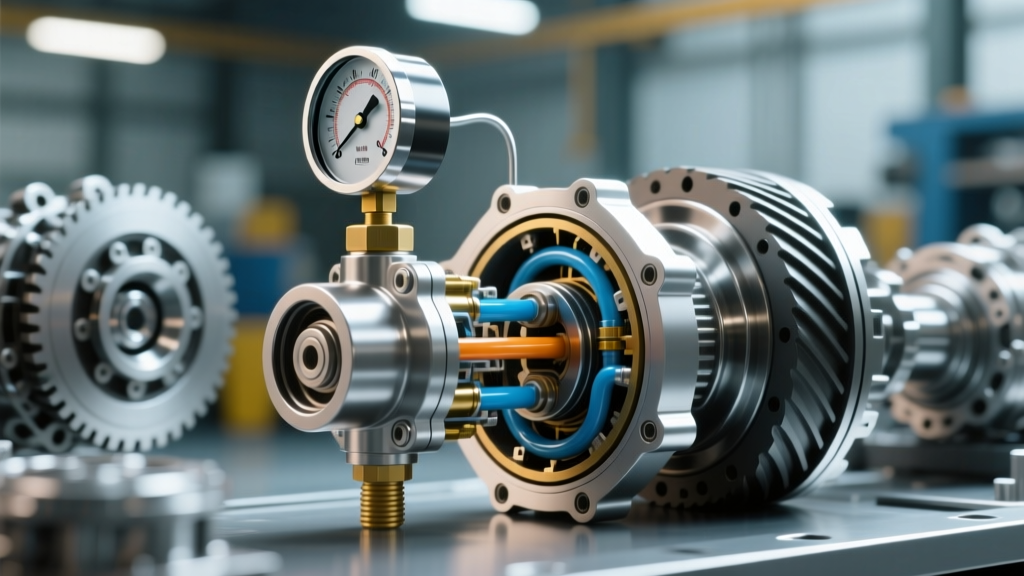
When enthusiasts and daily drivers alike plan their automotive maintenance budgets, the engine oil and transmission fluid usually take center stage. The differential, tucked away between the drive wheels, is frequently ignored until it begins to whine, clunk, or catastrophically seize. Understanding the stark contrast between preventive differential fluid service pricing and the true car differential repair cost is essential for any vehicle owner looking to maximize drivetrain longevity in 2026.
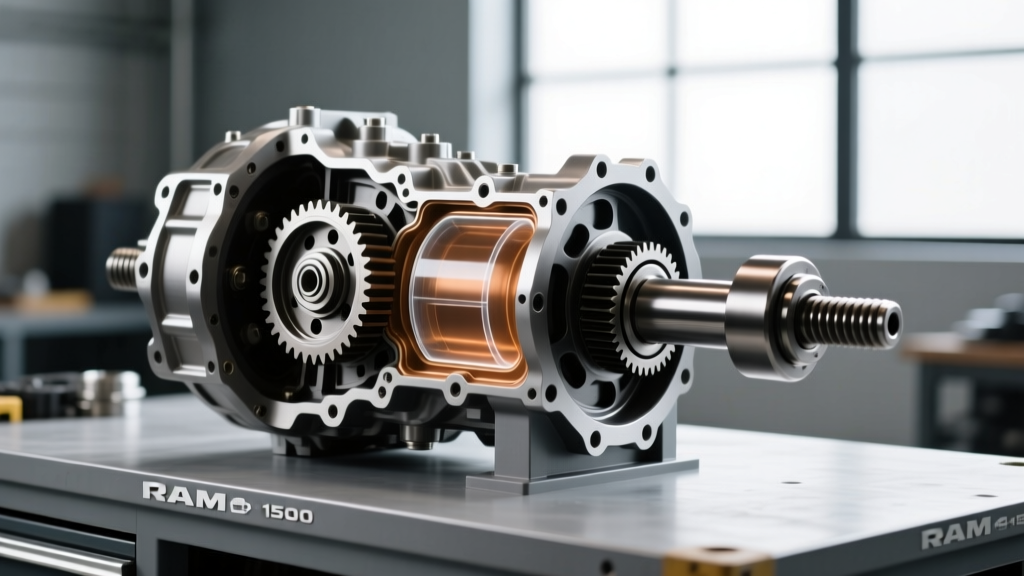
Hypoid gear sets inside modern differentials operate under extreme sliding friction and immense shear loads. To survive, they rely on specialized gear oils loaded with Extreme Pressure (EP) additives—typically sulfur-phosphorus compounds and zinc dialkyldithiophosphate (ZDDP). Over time, thermal cycling and mechanical shearing deplete these additives. Once the protective boundary layer fails, metal-on-metal contact accelerates wear on the ring and pinion, spider gears, and carrier bearings. This guide breaks down the financial and mechanical realities of differential maintenance versus major repair.
Deconstructing the Car Differential Repair Cost
If you ignore the differential until it sounds like a howling banshee at 65 MPH, you have likely crossed the threshold from a simple fluid exchange into a major drivetrain overhaul. The car differential repair cost in 2026 varies heavily based on the axle platform (e.g., GM 8.6-inch, Ford 8.8-inch, Dana 44, or AAM 11.5-inch) and whether the vehicle features an open, Limited Slip (LSD), or locking differential.
Typical Failure Modes and Associated Costs
- Ring and Pinion (R&P) Replacement: When the gear teeth pit, spall, or chip due to lubrication starvation, the entire R&P set must be replaced. A quality aftermarket set from Motive Gear or Yukon Gear costs between $250 and $450 on platforms like RockAuto.
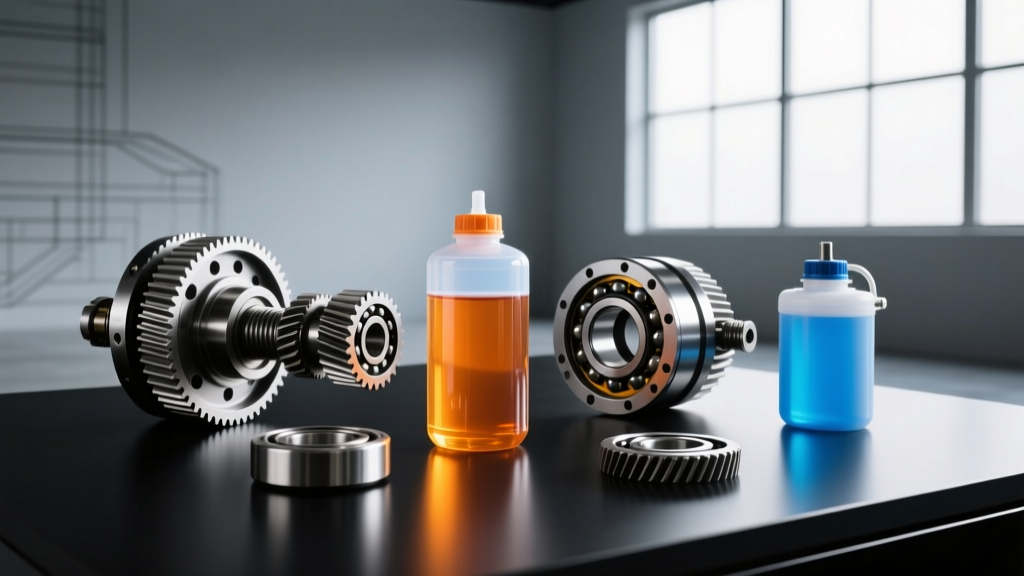
- Master Rebuild Kit: You cannot install new gears on worn bearings. A Timken or Koyo master bearing kit (including carrier bearings, pinion bearings, races, and shims) adds $150 to $250 to the parts bill.
- LSD Clutch Pack Failure: In clutch-type limited-slip differentials (like the Ford 8.8-inch Trac-Lok), degraded fluid leads to chatter and eventual welding of the friction discs. Replacement clutch packs and S-springs cost $75 to $150.
- Labor and Setup: Setting up a differential requires precision. A technician must use a dial indicator to measure backlash (typically 0.006 to 0.010 inches) and an inch-pound torque wrench to set pinion bearing preload. This meticulous labor takes 4 to 6 hours. At an average 2026 shop rate of $140 to $180 per hour, labor alone ranges from $560 to $1,080.
According to industry data aggregated by RepairPal, the total car differential repair cost for a complete ring, pinion, and bearing overhaul averages between $1,400 and $2,600 per axle. If the carrier case is scored or the axle shafts are damaged by shattered spider gears, that number easily eclipses $3,500.
Preventive Differential Fluid Service Pricing
Compared to the staggering costs of a rebuild, preventive maintenance is a financial no-brainer. Differential fluid service pricing depends on whether you visit a dealership, an independent shop, or tackle the job in your own garage.
Professional Service Costs
An independent drivetrain or exhaust shop will typically charge between $120 and $220 per axle for a drain, clean, and fill. Dealerships often charge a premium, ranging from $180 to $300, utilizing OEM-branded fluids (such as Motorcraft or ACDelco). For vehicles with heavily modified off-road axles or those used for towing, shops may charge an additional $20 to $40 for a flush and the addition of specialized friction modifiers.
DIY Fluid Service Economics
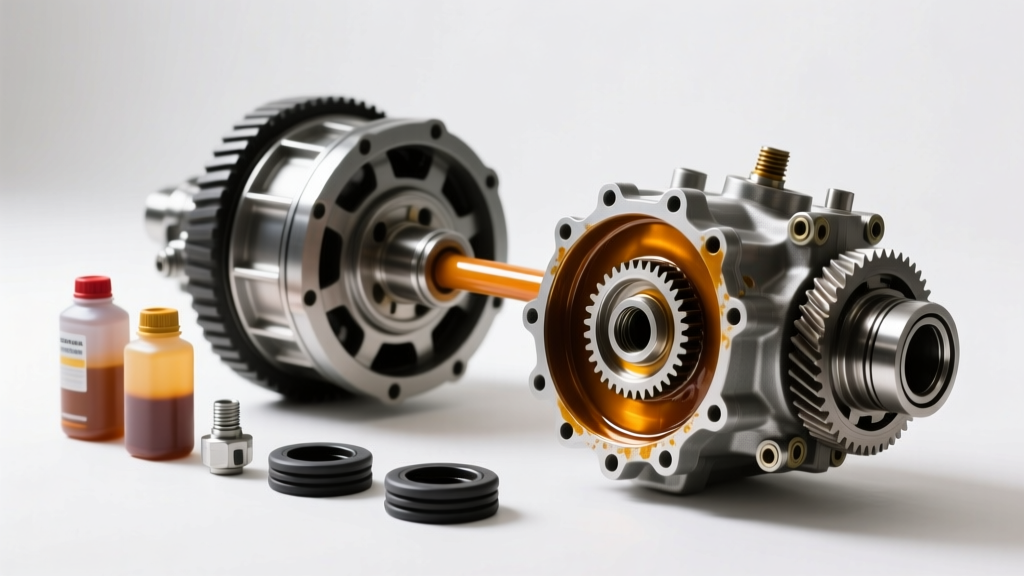
Performing the service yourself yields the highest return on investment. The cost breakdown for a standard DIY service includes:
- Synthetic Gear Oil (75W-90 or 75W-140): Premium synthetics like Mobil 1 Synthetic Gear Lube, Amsoil Severe Gear, or Red Line cost $12 to $18 per quart. Most light-duty differentials require 2 to 3 quarts ($24 to $54).
- Friction Modifier (If equipped with LSD): A bottle of Motorcraft XL-3 or GM ACDelco LSD additive costs about $8 to $12.
- Gasket / Sealant: A reusable LubeLocker or Fel-Pro gasket costs $25 to $35, eliminating the mess and cure-time of RTV silicone.
- Total DIY Cost: $60 to $100 per axle.
2026 Cost Comparison Matrix
The table below illustrates the massive ROI of preventive maintenance over reactive repairs.
| Maintenance Scenario | Estimated 2026 Cost | Drivetrain Impact |
|---|---|---|
| DIY Preventive Fluid Change (Every 30k-50k miles) | $60 - $100 | Preserves EP additives, prevents gear pitting, ensures LSD clutch engagement. |
| Professional Shop Fluid Service | $120 - $220 | Same mechanical benefits; includes multi-point inspection of axle seals and pinion yokes. |
| Ring & Pinion Replacement (Minor Failure) | $1,200 - $1,800 | Requires vehicle downtime; restores gear mesh but indicates prior lubrication failure. |
| Catastrophic Rebuild (Bearings, Gears, Carrier) | $2,200 - $3,500+ | Total axle disassembly; high risk of secondary damage to axle shafts and ABS tone rings. |
Crucial Torque Specs and Service Protocols
For the DIY mechanic, precision is just as important as the fluid you choose. Over-torquing differential cover bolts can warp the housing or strip threads in aluminum differential pans, leading to chronic leaks. Always use a calibrated inch-pound or low-range foot-pound torque wrench.
Common Axle Torque Specifications & Capacities
- GM 8.6-inch (10-Bolt, Silverado/Sierra/Tahoe): Cover bolts to 25 lb-ft. Capacity: ~2.1 pints. Requires GM ACDelco 75W-90.
- Ford 8.8-inch (Mustang/F-150/Explorer): Cover bolts to 33 lb-ft. Capacity: ~2.5 pints. Requires Motorcraft 75W-140 and XL-3 Friction Modifier for Trac-Lok LSDs.
- Dana 44 (Jeep Wrangler/Trucks): Cover bolts to 30-35 lb-ft. Capacity: ~2.0 to 2.5 pints (varies by aftermarket cover). Dana Incorporated recommends GL-5 rated 80W-90 or 75W-140 for heavy towing.
- AAM 11.5-inch (HD Ram/Chevy 2500/3500): Cover bolts to 35 lb-ft. Capacity: ~3.5 to 4.0 pints.
Expert Insight: Never use RTV silicone on differentials equipped with a pre-formed gasket groove or O-ring seal. Excess RTV can break off inside the housing, get sucked into the gear mesh, and block the internal oil pickup tubes or bearing lubrication galleries, causing immediate failure.
The 'Lifetime Fluid' Myth in Modern SUVs and Crossovers
Many modern crossovers and luxury SUVs (such as the BMW X5, Porsche Cayenne, and various Mercedes-Benz models) feature complex, integrated transfer cases and front/rear differentials that the manufacturer labels as 'sealed for life.' From an engineering perspective, 'lifetime' in this context usually means the duration of the factory powertrain warranty (typically 50,000 to 100,000 miles), not the mechanical lifespan of the vehicle.
Operating a differential in stop-and-go traffic, towing, or extreme climates accelerates fluid oxidation. Independent drivetrain specialists universally recommend ignoring the 'lifetime' label and servicing these specialized differentials every 50,000 to 60,000 miles. While the car differential repair cost for a seized BMW X5 rear differential can exceed $4,000 due to the integration of the electronic locking clutch and aluminum casing, a specialized fluid extraction and fill costs roughly $250 to $350.
Final Verdict: The Preventive Maintenance Framework
The math is undeniable. Allocating $150 annually or bi-annually for differential fluid service completely insulates you from the $2,500+ financial shock of a catastrophic gear failure. For daily drivers, stick to a 50,000-mile interval using high-quality 75W-90 synthetic. For those who tow trailers, frequent off-road trails, or track their vehicles, shorten the interval to 15,000–25,000 miles and step up to a 75W-140 heavy-duty synthetic. By respecting the hypoid gear set and maintaining the chemical integrity of your gear oil, your drivetrain will remain quiet, efficient, and reliably on the road for hundreds of thousands of miles.