The Great Terminology Divide: Drivetrain vs. Exhaust Differentials
In the modern heavy-duty diesel truck community, the word 'differential' is a frequent source of cross-wired terminology. When owners begin modifying their vehicles for extreme towing in 2026, forums and tech groups are flooded with a very specific, yet entirely misplaced question: what is a normal dpf differential pressure? This confusion arises because modern diesel platforms feature two entirely separate, highly critical systems that rely on 'differential' metrics. One is the exhaust emissions system (the Diesel Particulate Filter, or DPF), and the other is the drivetrain's hypoid gear axle assembly. While one dictates your engine's breathing and emissions compliance, the other keeps your ring and pinion from melting under a 20,000-lb fifth-wheel trailer.
As an automotive transmission and drivetrain specialist, I frequently see truck owners misdiagnose towing bottlenecks because they conflate exhaust pressure deltas with axle heat management. To build a truly reliable heavy-duty towing platform, you must understand both metrics. Below, we will definitively answer the exhaust question to clear the air, before executing a deep-dive into the actual mechanical heart of your truck's towing capacity: rear axle differential cover cooling, fluid thermodynamics, and active heat dissipation.
Clearing the Air: What Is a Normal DPF Differential Pressure?
Before we drop the axle differential cover, let us address the exhaust metric. The DPF differential pressure sensor measures the pressure drop (delta) across the particulate filter. The engine control module (ECM) uses this data to determine soot load and initiate regeneration cycles. According to diesel diagnostics data from Alliant Power and OEM service manuals, here are the baseline metrics for a healthy 6.7L Power Stroke, Duramax, or Cummins DPF system:
- Idle (Warm): 0.2 to 1.0 kPa (kilopascals)
- Cruising (Light Load): 1.5 to 3.0 kPa
- Heavy Towing (Pre-Regen): 3.5 to 5.5 kPa
- Forced Regen Threshold: Typically triggers between 6.0 and 8.0 kPa depending on the OEM calibration.
If your scan tool shows a DPF differential pressure exceeding 10 kPa under normal driving conditions, your filter is likely face-plugged with ash or soot, restricting exhaust flow and causing severe exhaust gas temperature (EGT) spikes. However, this has absolutely zero mechanical correlation to the temperature or pressure inside your rear axle housing. Now that the exhaust terminology is resolved, let us focus on the drivetrain.
The Thermodynamics of Axle Differential Overheating
When towing heavy loads at sustained highway speeds or climbing mountain grades, your rear axle differential is subjected to immense mechanical shear. The hypoid gear design used in solid axles (like the Dana M275, AAM 11.5, and Sterling 10.5) requires the pinion gear to sit below the centerline of the ring gear. This offset creates massive sliding friction, not just rolling friction. Under a 15,000-lb towing load, this friction generates exponential heat.
Standard OEM differential covers are typically made of thin stamped steel or basic cast aluminum with minimal surface area. They are designed for cost-efficiency and unladen highway driving, not for the thermal loads of 2026's massive toy haulers and flatbeds. When differential fluid temperatures exceed 250°F (121°C), conventional and lesser synthetic gear oils begin to experience severe viscosity breakdown. By 275°F, the fluid can no longer maintain the hydrodynamic wedge required to separate the ring and pinion gears, leading to micro-welding, pitting, and catastrophic bearing failure.
Passive Cooling: Upgrading to Finned Differential Covers
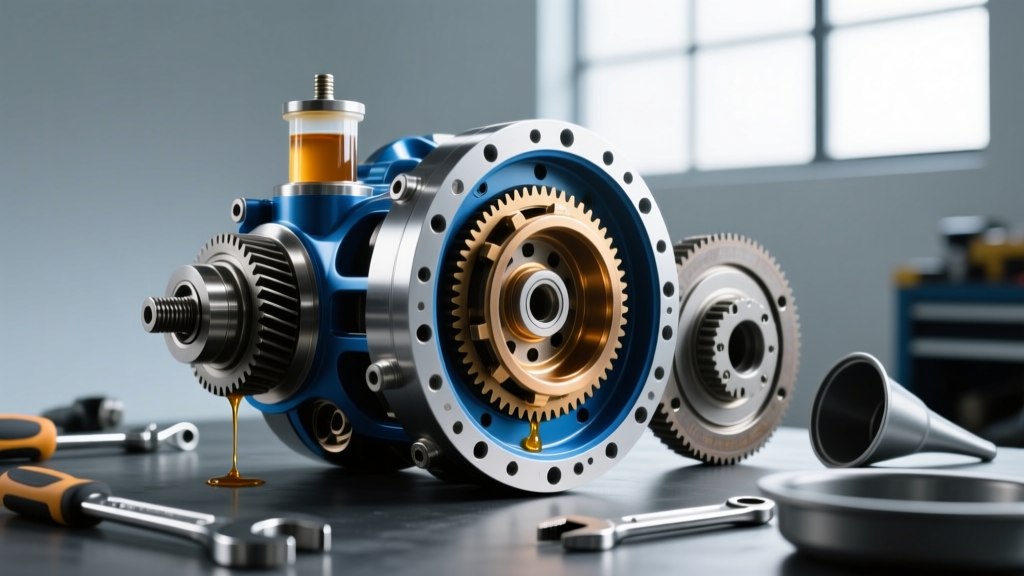
The first and most cost-effective line of defense against axle overheating is the installation of a high-capacity, finned differential cover. Manufacturers like Mag-Hytec and AFE Power engineer covers from thick cast aluminum, utilizing external cooling fins to increase the surface area exposed to ambient airflow by up to 400%.
But these covers do more than just radiate heat; they fundamentally alter the internal fluid dynamics of the axle housing. Premium covers feature a dropped sump design. This increases the overall fluid capacity (often by 1.5 to 3.0 quarts) and, more importantly, lowers the resting fluid level. By submerging the lower edge of the ring gear deeper into the oil sump, the cover maximizes 'splash cooling.' The ring gear picks up a larger volume of oil and slings it directly into the pinion bearings and the upper axle tubes, ensuring that the highest-friction components are constantly bathed in cooling lubricant.
Critical Torque Specs and Installation Protocols
Installing a differential cover is not simply a matter of unbolting the stock unit and slapping on a new one. Improper installation will lead to warped mating surfaces, gear oil leaks, and contaminated bearings. Always follow these protocols:
- Surface Preparation: Scrape the axle housing mating surface with a plastic razor blade. Never use steel wire wheels or harsh abrasives that can leave metallic debris inside the housing.
- Sealant Selection: Unless your aftermarket cover includes a precision-cut reusable O-ring or gasket, use a high-temperature, oil-resistant RTV silicone (such as Permatex Ultra Black). Apply a continuous 3mm bead, ensuring you circle the inside of every bolt hole to prevent oil leaks.
- Torque Specifications: Overtightening cover bolts will warp the aluminum cover and crush the RTV seal. Adhere strictly to OEM torque specs for the housing, regardless of the aftermarket cover's material:
- Dana M275 / M210 (Ford Super Duty): 30 lb-ft
- AAM 11.5 (GM Silverado/Sierra 2500HD): 25 lb-ft
- Sterling 10.5 (Older Ford Applications): 28 lb-ft
- AAM 12.0 (Ram 3500 Dually): 35 lb-ft
Active Differential Cooling Systems
For extreme-duty applications—such as commercial hot-shot trucking, heavy equipment hauling, or off-road desert racing—passive finned covers may not suffice. When ambient temperatures exceed 100°F and the truck is moving at low speeds (where airflow across the fins is minimal), active differential cooling is required.
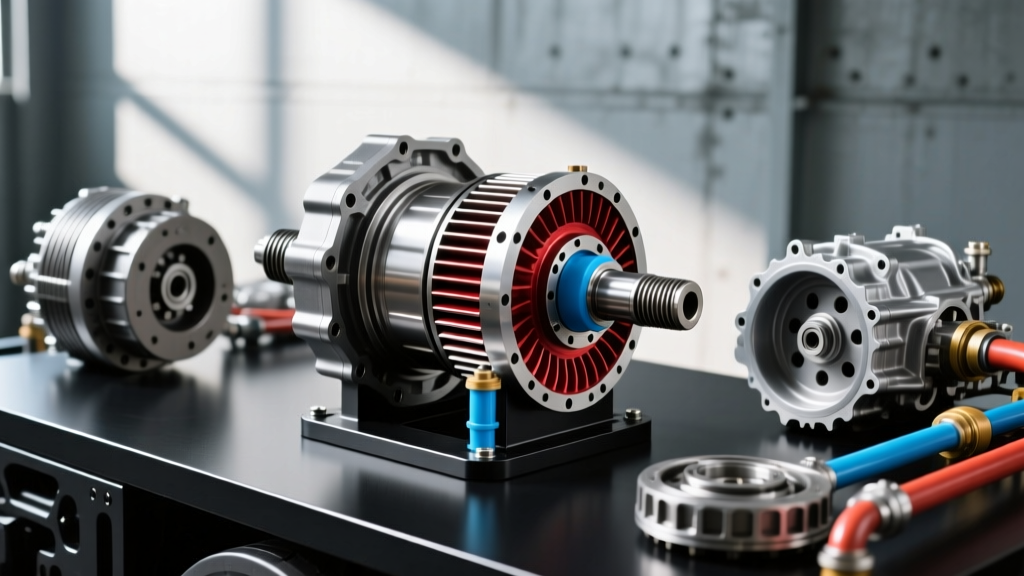
Active systems utilize a power take-off (PTO) driven pump or an electric 12V fluid pump mounted to the differential cover. The pump draws hot gear oil from the top of the axle housing, pushes it through a remote-mounted finned heat exchanger (often placed in front of the radiator or equipped with its own dedicated cooling fan), and returns the chilled oil directly to the pinion bearing. While these systems can cost upwards of $1,200 to $1,800 installed, they can drop internal differential temperatures by 60°F to 80°F under maximum gross combined weight rating (GCWR) loads, effectively immortalizing the ring and pinion set.
Differential Cover & Cooling Comparison Matrix
| System Type | Example Brand / Part | Capacity Increase | Temp Reduction (Towing) | Estimated Cost (2026) |
|---|---|---|---|---|
| OEM Stamped Steel | Factory GM / Ford | Base (e.g., 3.5 qts) | Baseline (0°F) | N/A |
| Passive Finned Aluminum | AFE Power (46-44012) | +1.0 to 1.5 qts | 15°F - 25°F | $180 - $250 |
| Deep Sump w/ Fins | Mag-Hytec (D80 / AAM115) | +2.0 to 3.5 qts | 25°F - 40°F | $280 - $375 |
| Active Pump & Cooler | Custom PTO / 12V Setup | +4.0+ qts (System) | 60°F - 85°F | $1,200 - $1,800 |
Fluid Viscosity for High-Heat Towing Operations
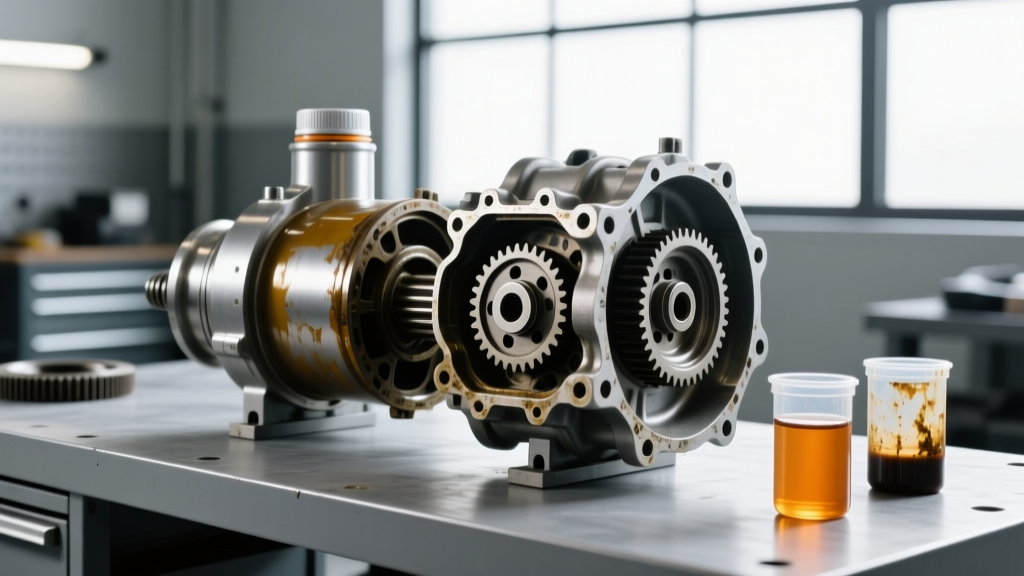
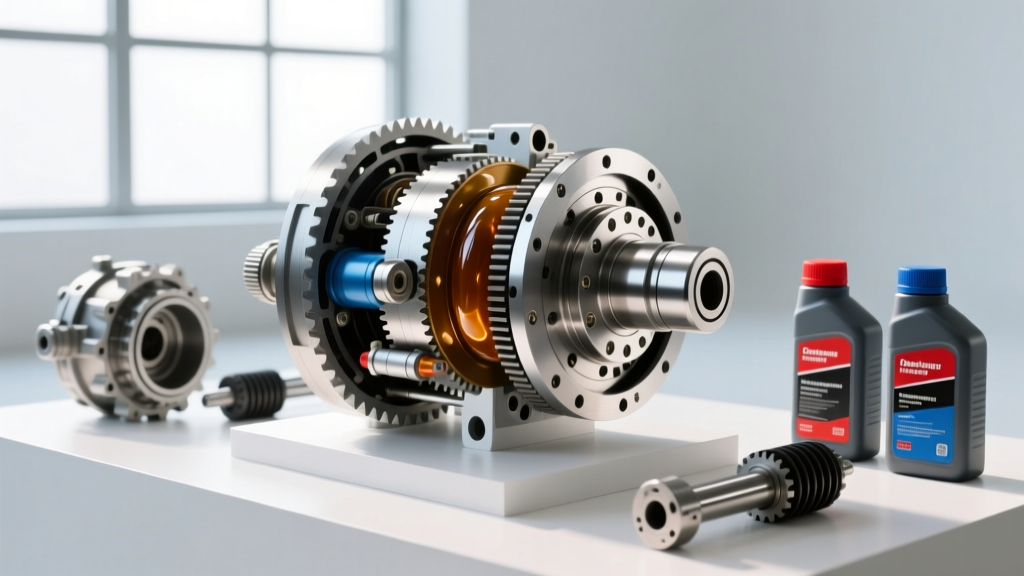
An upgraded differential cover is only half the battle; the fluid inside it must be matched to the thermal environment. For heavy towing in 2026, the standard 75W-90 gear oil recommended for light-duty commuting is entirely inadequate. The extreme pressure (EP) additives and shear-stability modifiers in 75W-90 fluids break down rapidly when subjected to the continuous 240°F+ environment of a towing axle.
Always upgrade to a full synthetic 75W-140 or 80W-140 gear oil. Fluids like Amsoil Severe Gear 75W-140 or Mobil 1 Synthetic Gear Lubricant LS 75W-140 contain specialized friction modifiers necessary for clutch-type limited-slip differentials (LSD) and feature a much higher viscosity index. This ensures that even when the fluid thins out under extreme heat, it maintains the critical film thickness required to protect the hypoid gear teeth. Furthermore, if your aftermarket cover features a magnetic drain plug, inspect the metallic fuzz during your 30,000-mile fluid change intervals; a fine, glittery paste is normal, but metallic shards indicate bearing or gear degradation requiring immediate teardown.
Conclusion: Mastering the Towing Ecosystem
Whether you are monitoring your exhaust system to understand what is a normal DPF differential pressure, or you are bolting on a deep-sump Mag-Hytec cover to save your AAM 11.5 axle from thermal destruction, heavy-duty towing requires a holistic approach to vehicle telemetry and mechanical upgrades. By addressing both the engine's breathing metrics and the drivetrain's thermal limits, you ensure that your truck remains reliable, efficient, and capable of handling the most demanding payloads the highway can present.