The True Cost of Differential Preventive Maintenance in 2026
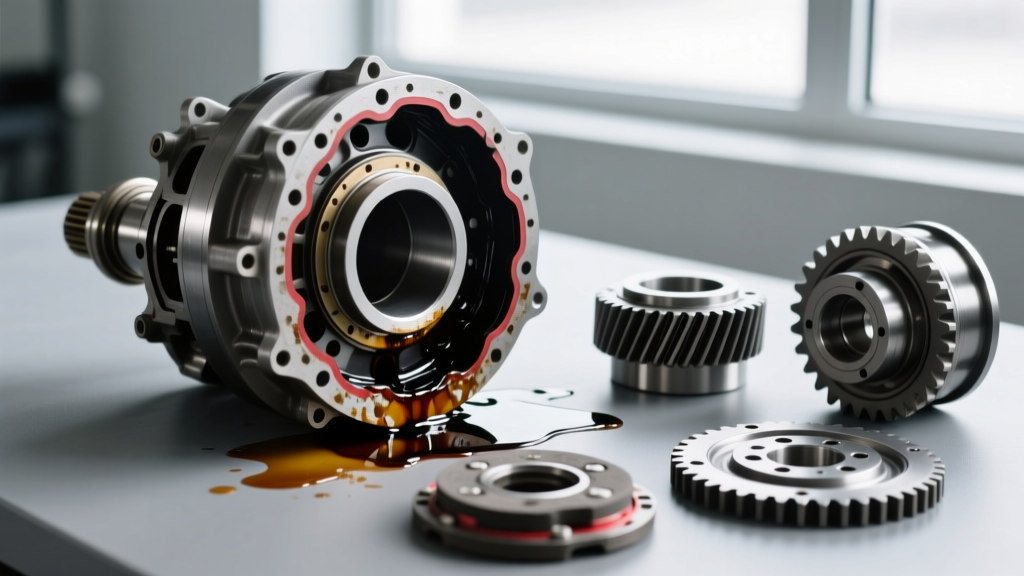
When enthusiasts and daily drivers map out their annual maintenance budgets, engine oil and brake pads usually take center stage. Yet, the differential—whether it is a heavy-duty Dana 44 in a Jeep Wrangler, a Ford 10.5-inch in an F-250, or a specialized racing unit—remains one of the most critically neglected drivetrain components. As we navigate the 2026 automotive landscape, synthetic base stock fluctuations and increased shop labor rates have shifted the economics of drivetrain service. Understanding the real costs of differential fluid service is no longer just about keeping gears lubricated; it is about preventing catastrophic ring-and-pinion failures that can easily exceed $3,500 in parts and machine work.
This preventive maintenance guide breaks down the exact pricing, fluid capacities, and hidden costs associated with servicing automotive differentials, while also exploring the micro-economics of high-performance track applications, including the niche but demanding kart differential axle systems used in shifter karts.
Automotive Diff Fluid Pricing: Dealership vs. Independent vs. DIY
The cost of a differential fluid swap varies wildly depending on who is turning the wrench and what gear oil is being poured into the housing. In 2026, the national average for independent shop labor rates has climbed to between $130 and $180 per hour, while dealership rates frequently push past $200 per hour.
Dealership Service Pricing
For a standard rear-wheel-drive truck or SUV (such as a Toyota Tacoma or Chevrolet Silverado), a dealership will typically charge between $220 and $350 for a rear differential service. This price includes OEM-branded 75W-85 or 75W-140 synthetic gear oil, a new crush washer or pre-cut gasket, and 0.8 to 1.2 hours of labor. Dealerships rarely perform a thorough internal inspection unless a specific noise complaint is logged, meaning you are paying a premium purely for the OEM badge on the fluid bottle.
Independent Drivetrain Specialists
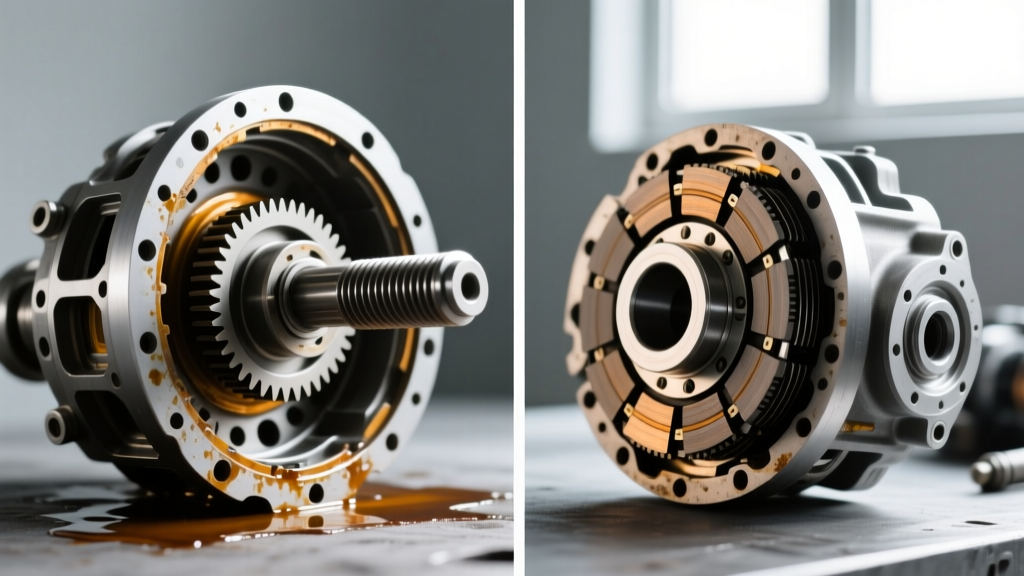
Independent 4x4 and drivetrain shops offer a more balanced approach. Expect to pay $140 to $220 for a rear differential service. The advantage here is expertise; a seasoned drivetrain technician will inspect the differential cover for metallic shimmer (indicative of bearing or gear wear) and check the backlash and gear pattern if the cover is already off for a deep clean.
The DIY Route: Real Material Costs
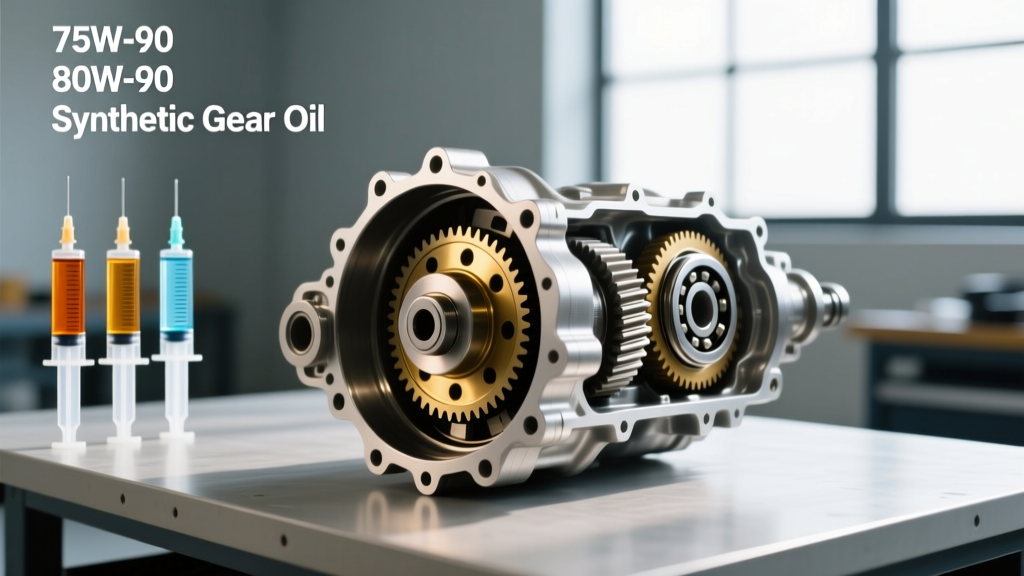
For the home mechanic, a DIY differential service is one of the most cost-effective preventive maintenance tasks. A standard rear differential (like the ubiquitous Ford 8.8-inch) holds roughly 2.5 to 3.0 pints of fluid. Purchasing a high-quality synthetic like Red Line 75W-90 NS or Amsoil Severe Gear costs approximately $22 to $28 per quart. Total DIY material costs usually land between $65 and $95, factoring in gear oil, a can of brake cleaner, and a high-quality reusable gasket.
Track-Day Special: Kart Differential Axle Service Economics
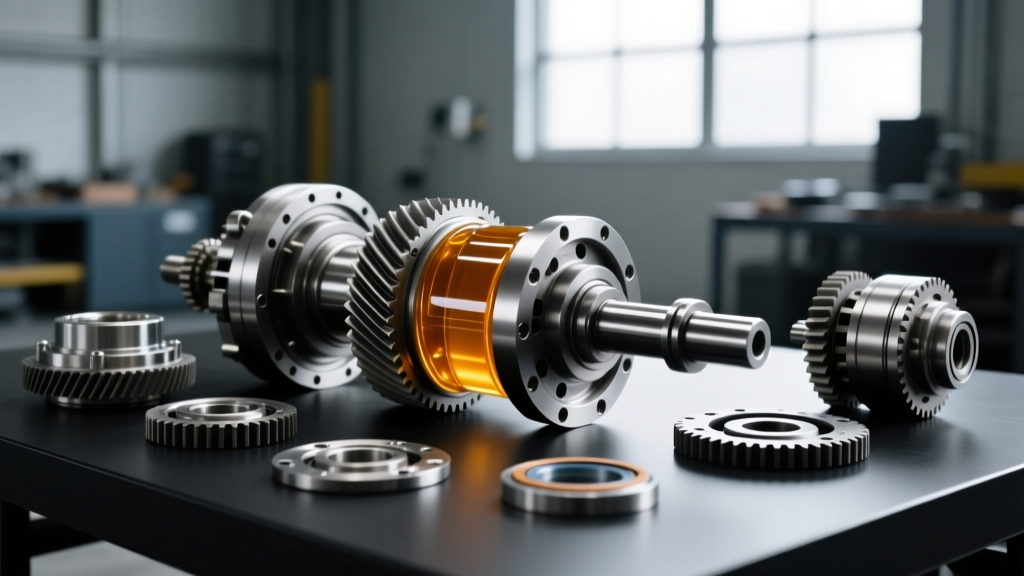
While the majority of our readership focuses on street and off-road vehicles, a dedicated subset of track-day enthusiasts also maintain high-performance shifter karts and endurance racing chassis. Unlike standard direct-drive rental karts, advanced racing karts utilize a specialized kart differential axle setup (such as those manufactured by Birelart, CRG, or Margutti) to manage inside-wheel scrub, reduce tire wear, and handle extreme high-RPM cornering loads.
The economics of servicing a kart differential axle present a fascinating contrast to automotive applications. A typical kart diff unit holds a microscopic amount of fluid—often just 150ml to 250ml. However, the cost-per-ounce is exponentially higher. Because kart differentials operate at extreme RPMs (often exceeding 14,000 RPM at the axle) and experience massive shear forces without the benefit of large fluid sumps for cooling, they require ultra-specialized, high-shear-stability synthetic lubricants like Motul 300V or dedicated karting diff fluids.
- Fluid Cost: A 1-liter bottle of specialized kart diff fluid can cost $45 to $60. While this seems cheap, the cost-per-quart is nearly triple that of automotive 75W-140.
- Service Interval: While a truck might see diff fluid changes every 50,000 miles, a kart differential axle requires a complete fluid purge after every 4 to 6 race weekends (or roughly 8-12 hours of track time) to prevent clutch-pack glazing and bearing failure.
- Hardware Wear: The O-rings, axle seals, and specialized lock-nuts on a kart diff axle must be replaced at every service, adding $25 to $40 in consumable hardware per service, a cost rarely seen in standard automotive diff drains.
Comprehensive 2026 Differential Service Cost Matrix
To give you a clear picture of what to expect when budgeting for your drivetrain maintenance, we have compiled a pricing matrix covering common automotive and racing applications.
| Application / Diff Type | Capacity | Recommended Fluid Type | DIY Material Cost | Avg. Shop Cost (2026) |
|---|---|---|---|---|
| Ford 8.8" (Open/LSD) | 2.5 - 3.0 Pints | 75W-140 Synthetic | $70 - $90 | $160 - $240 |
| Dana 44 (Jeep/Truck) | 3.5 - 4.0 Pints | 75W-90 or 80W-90 | $85 - $110 | $180 - $260 |
| Ford 10.5" (Super Duty) | 6.5 - 7.5 Pints | 75W-140 Synthetic | $140 - $170 | $280 - $380 |
| ZF Open Diff (BMW/Audi) | 1.5 - 2.0 Liters | OEM Spec 75W-85 | $90 - $120 | $250 - $350 |
| Kart Differential Axle | 150 - 250 ml | High-Shear Kart Spec | $15 - $25* | N/A (Pit Crew DIY) |
*Note: Kart DIY cost reflects the prorated cost of fluid and seals per service, assuming bulk purchase of specialized lubricants.
Hidden Costs: Friction Modifiers, RTV, and Hardware
When calculating your differential service budget, amateurs often forget the hidden costs that can turn a simple fluid swap into a frustrating weekend project. If your vehicle is equipped with a Clutch-Type Limited Slip Differential (LSD), such as the Ford Trac-Lok or Auburn Gear units, standard gear oil is not enough.
The Friction Modifier Tax
Limited-slip differentials require a specific friction modifier to prevent the clutch packs from chattering during low-speed turns. A standard 4oz bottle of Motorcraft XL-3 Friction Modifier Additive (Part# 19-C00612) or GM EOS (Engine Oil Supplement) costs between $10 and $14. Skipping this $12 additive to save money will result in aggressive axle hop, premature clutch pack wear, and a differential that sounds like it is full of broken glass when you pull out of your driveway.
Gaskets vs. RTV Silicone
While many old-school mechanics swear by RTV silicone sealant, modern preventive maintenance heavily favors pre-cut gaskets. A high-quality reusable elastomer gasket, such as the LubeLocker 10-bolt Ford 8.8 gasket (Part# LL-10), costs around $35. While this is $30 more than a tube of Permatex Ultra Black RTV, it eliminates the risk of silicone beads breaking off inside the housing and clogging the differential's internal oil galleries or bearing races. Furthermore, reusable gaskets allow for future inspections without the tedious scraping associated with cured RTV.
Expert Tip: Never use standard copper crush washers on magnetic differential drain plugs if the threads are tapered (NPT). Tapered pipe threads seal via thread interference, not via a crush washer. Using a washer can prevent the plug from seating fully, leading to catastrophic fluid loss on the highway.
Essential Torque Specifications and Service Procedures
Proper preventive maintenance is not just about what you put into the differential; it is about how you seal it back up. Over-torquing differential cover bolts is a common mistake that warps the stamped steel covers, leading to persistent leaks and crushed internal clearances.
Critical Torque Specs (Common Applications)
- Ford 8.8" (10-Bolt Cover): 25 - 30 lb-ft (Star pattern sequence)
- Dana 44 (10-Bolt Cover): 25 - 35 lb-ft (Star pattern sequence)
- Ford 10.5" (12-Bolt Cover): 30 - 40 lb-ft
- Toyota 8.0" / 8.2" (Drop-out 3rd Member): 28 - 35 lb-ft for perimeter nuts
The Fill Level Rule
When refilling the differential, the universal rule for solid axles without external coolers is to fill the housing until the fluid level is exactly at the bottom edge of the fill hole. However, if your truck is equipped with an aftermarket heavy-duty differential cover (such as an ARB or Mag-Hytec with integrated cooling fins), the fluid capacity increases. Always follow the aftermarket manufacturer's specific fill-line instructions, as overfilling can cause fluid aeration and foaming at high speeds, drastically reducing the lubricant's thermal capacity and leading to ring-and-pinion scoring.
Whether you are servicing the massive Dana 60 in your tow rig or rebuilding the intricate kart differential axle on your weekend shifter kart, investing in premium synthetic fluids and adhering to strict torque specifications is the most cost-effective insurance policy your drivetrain can have in 2026.