The Baseline: Normal vs. Degraded Gear Oil
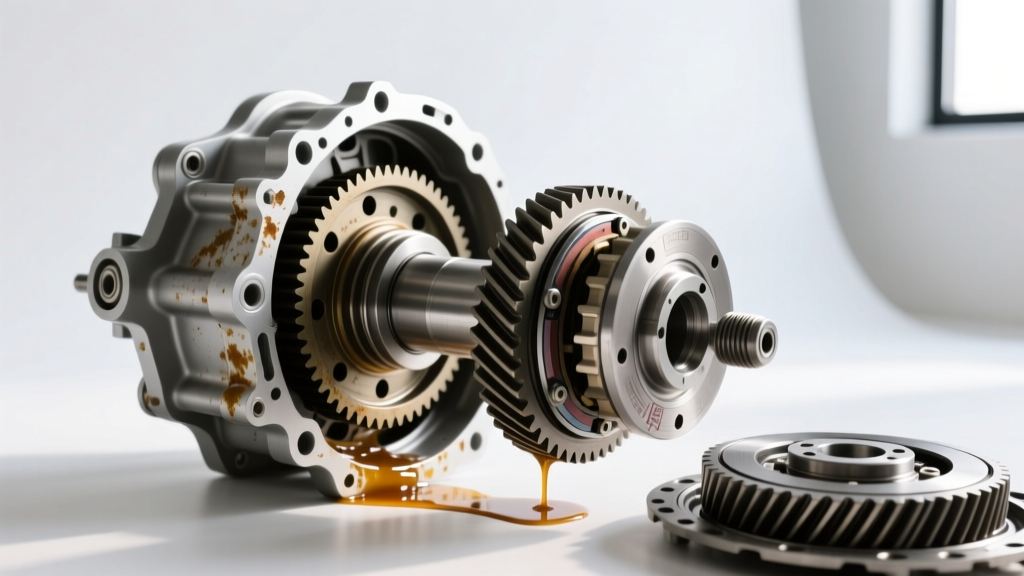
In the realm of drivetrain preventive maintenance, differential fluid is often ignored until a catastrophic whine or howl forces a vehicle into the shop. As of 2026, modern synthetic gear oils feature advanced sulfur-phosphorus Extreme Pressure (EP) additives and nano-ceramic friction modifiers designed to withstand immense shearing forces. However, gear oil is not a lifetime fluid; it is a consumable diagnostic medium. By analyzing the color, odor, and texture of your differential fluid, you can predict component failure long before it strands you on the highway.
When inspecting the drivetrain, a thorough mechanic considers all rotational mass and mating surfaces, including the driveshaft slip yoke splined to the differential drive pinion gear. The condition of the fluid inside the housing directly reflects the health of these external and internal mating surfaces. Understanding the chemical and physical breakdown of gear oil is the first step in mastering axle preventive maintenance.
The Chemistry of Gear Oil Degradation
Most modern differentials require API GL-5 rated gear oil, typically in 75W-90 or 75W-140 viscosities. GL-5 formulations contain high levels of sulfur and phosphorus. Under extreme pressure and heat (often exceeding 250°F at the ring and pinion contact patch), these additives sacrifice themselves to form a protective sacrificial film on the gear teeth. Over time, this chemical reaction depletes the additives, leading to base oil oxidation.
Furthermore, viscosity index (VI) improvers—long-chain polymers that allow the oil to flow at sub-zero temperatures while maintaining a thick film at high temperatures—are subject to mechanical shearing. Once sheared, the fluid permanently loses its high-temperature protective thickness, accelerating wear on the carrier bearings and pinion bearings.
Diagnostic Matrix: Fluid Color, Odor, and Texture
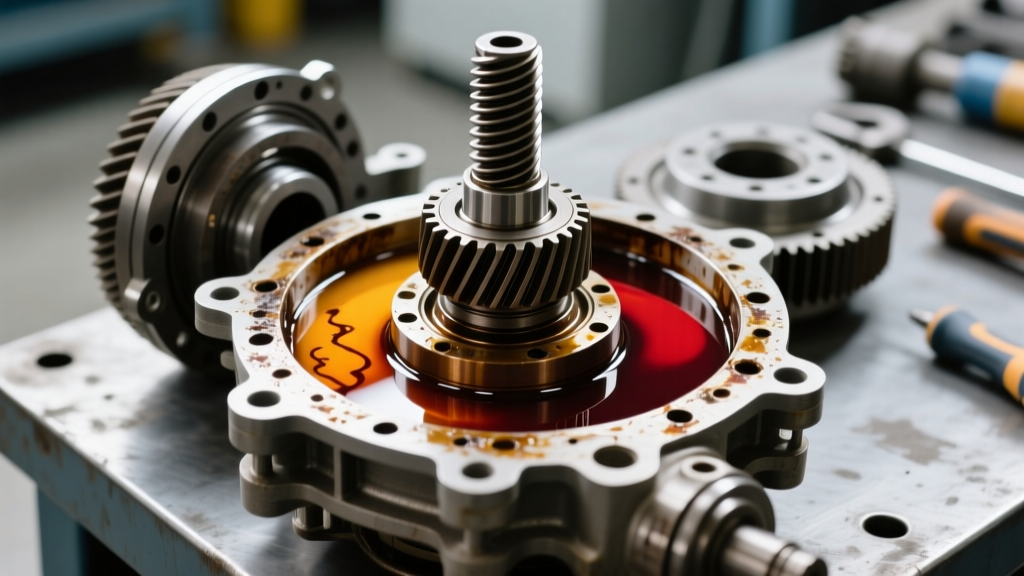
When you pull the differential cover or drain plug, the fluid's physical state tells a detailed story. Use the following diagnostic chart to interpret your findings:
| Fluid Appearance | Odor Profile | Probable Failure Mode | Action Required |
|---|---|---|---|
| Clear, amber to light brown | Mild, sweet chemical | Normal, healthy fluid | Reinstall plug, monitor interval |
| Opaque dark brown/black | Burnt toast or acrid | Thermal breakdown, severe overheating | Flush, refill, check for dragging brakes |
| Milky, frothy, or chocolate milk | Sour or musty | Water intrusion via axle seals or vent | Replace seals, clear vent, flush immediately |
| Gray metallic paste | Sharp, metallic tang | Spline galling or bearing spalling | Inspect yoke splines, magnetic plug analysis |
| Black with brass/gold flakes | Heavy burnt friction smell | LSD clutch pack disintegration | Rebuild differential, replace friction packs |
Spline Wear, Pinion Seals, and Metallic Contamination
One of the most critical, yet frequently overlooked, wear points in the driveline is the interface where the driveshaft yoke is splined to the differential drive pinion gear. Whether you are running a 28-spline, 31-spline, or heavy-duty 35-spline setup, these splines must transfer massive torsional loads while accommodating suspension articulation.
If the pinion seal (such as the common National 710983 for Dana 44 axles) begins to weep, it not only allows gear oil to escape but also permits moisture and road grit to enter the housing. When water mixes with the sulfur-phosphorus EP additives in GL-5 gear oil, it creates a mild sulfuric acid. This acidic environment rapidly etches and corrodes the unprotected steel splines on the pinion gear.
As the yoke cycles in and out during suspension travel, the corroded splines gall and shed microscopic ferrous particles. These particles circulate through the differential, embedding themselves in the soft Babbitt material of the carrier bearings and scoring the polished surfaces of the pinion bearings. When you drain the fluid and find a thick, gray metallic paste coating the magnetic drain plug, it is often the first indicator that the splines are being ground away. According to Dana Spicer Technical Resources, ignoring early spline wear can lead to catastrophic yoke failure and separation of the driveshaft at highway speeds.
Limited-Slip Differential (LSD) Friction Material Breakdown
If your vehicle is equipped with a clutch-type Limited-Slip Differential (LSD), such as the Ford 8.8-inch Traction-Lok or the GM 10-bolt Eaton Posi, the fluid condition will also reveal the health of the internal friction discs. These clutch packs require a specific friction modifier (e.g., Ford XL-3 or GM 88900401) to prevent chatter during low-speed cornering.
When the friction modifier degrades or is omitted during a fluid change, the clutch discs bind and slip violently. This aggressive slipping generates immense localized heat, causing the friction material to delaminate and burn. The resulting fluid will appear jet black, smell distinctly of burnt brake pads, and may contain visible gold or brass-colored flakes from the separator plates. At this stage, a simple fluid change will not cure the chatter; the differential cover must be removed, and the clutch packs must be physically replaced.
Precision Drain, Inspection, and Refill Protocol
Executing a differential fluid service requires more than just pumping out the old oil. To ensure longevity and accurate future diagnostics, follow this precision protocol:
- Pre-Clean: Pressure wash the differential housing and yoke area before opening the system to prevent external grit from contaminating the housing.
- Evacuation and Inspection: Remove the fill plug before the drain plug or cover. Inspect the magnetic plug. A fine, powdery gray fuzz is normal wear; chunky metallic shards or spiraled metal wire indicates bearing cage failure or ring gear tooth shearing.
- Solvent Flush: If the fluid is milky or heavily contaminated, spray the interior with non-chlorinated brake cleaner and allow it to evaporate completely. Do not leave solvent residue, as it will destroy the EP additives in the new oil.
- Seal and Torque: If removing the cover, scrape the RTV sealant down to bare metal using a plastic scraper to avoid scoring the mating surface. Apply a continuous 1/4-inch bead of high-temp RTV (like Permatex 81878). Torque cover bolts to spec (e.g., 28-38 lb-ft for a Ford 8.8). Torque the fill and drain plugs to 25-33 lb-ft depending on the axle model.
- Refill to the Brim: Using a high-quality synthetic like AMSOIL Severe Gear 75W-90, fill the housing until the fluid level is exactly at the bottom edge of the fill hole. For heavy-duty towing applications in 3/4-ton and 1-ton trucks, step up to a 75W-140 viscosity to maintain film strength under extreme thermal loads.
Expert Insight: When refilling an axle with an LSD, always add the required 4 oz of friction modifier before pumping in the bulk gear oil. This ensures the modifier mixes thoroughly and immediately coats the clutch packs upon initial rotation.
Conclusion
Differential fluid is the ultimate whistleblower for axle health. By routinely inspecting the color, smell, and particulate content of your gear oil, you can catch failing pinion seals, deteriorating LSD clutch packs, and wear on the yoke splined to the differential drive pinion gear before they escalate into thousands of dollars in drivetrain repairs. Treat your differential fluid analysis with the same rigor as your engine oil analysis, and your axles will deliver reliable, quiet service for hundreds of thousands of miles.