The Core Engineering Split: Wet Clutch vs Dry Clutch
When diagnosing clutch problems specific to motorcycles and ATVs, understanding the fundamental divide between a wet clutch vs dry clutch is your first step toward an accurate repair. While automotive manual transmissions almost exclusively use dry clutches, the powersports world is split. The vast majority of dirt bikes, sportbikes, and manual sport quads (like the Yamaha Raptor 700) utilize a wet clutch. Conversely, specific high-performance street bikes (like Ducati's STM dry clutch setups) and heavy-duty touring motorcycles (like the BMW R1200GS/R1250GS series) rely on a dry clutch.
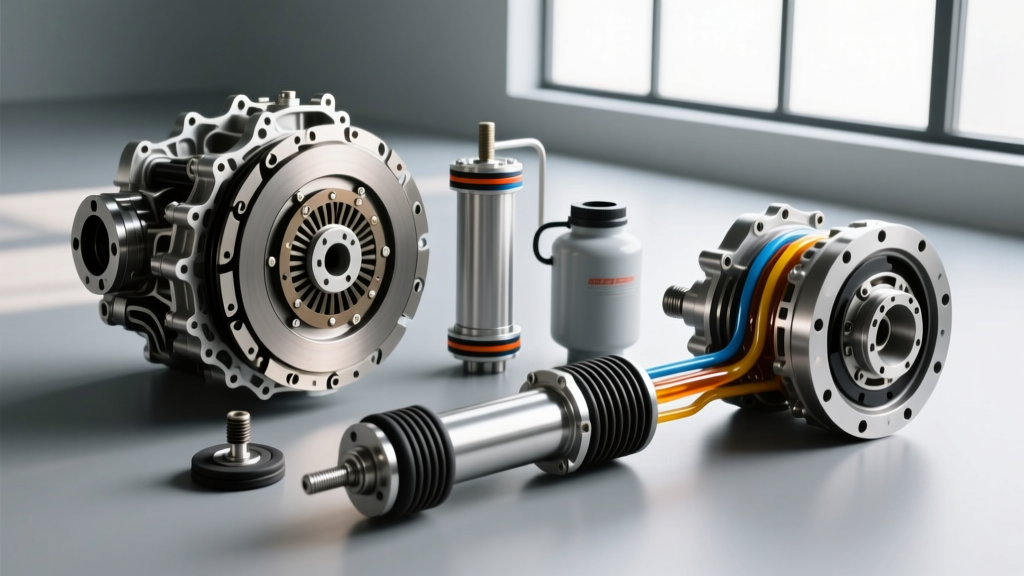
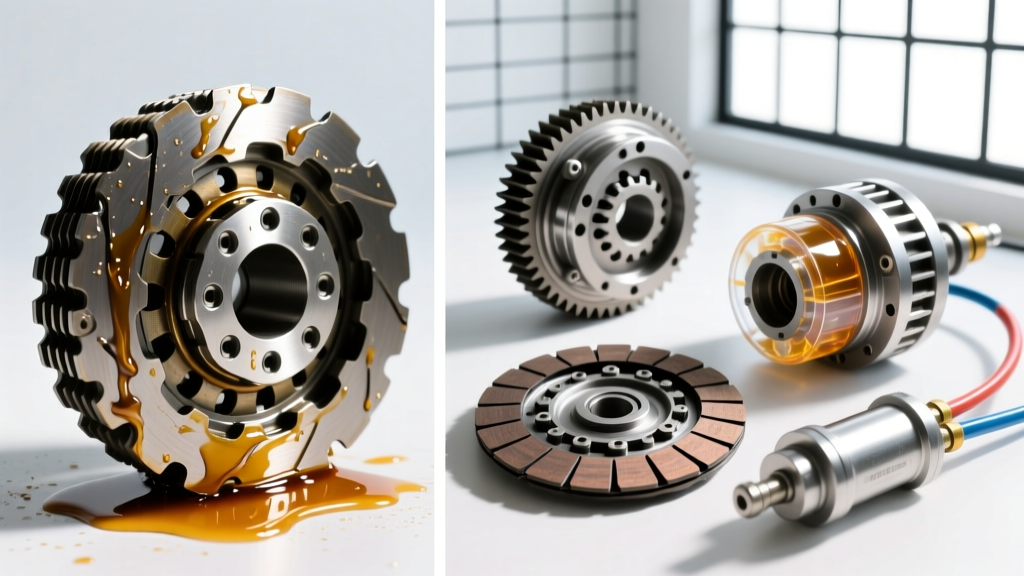
A wet clutch operates submerged in a shared bath of engine oil or dedicated primary fluid. This oil provides vital cooling and lubrication, allowing for a compact, multi-plate design that can handle immense torque without overheating. A dry clutch, on the other hand, operates in the air. It relies on ambient airflow for cooling and typically uses a single, large-diameter friction plate (or a specialized multi-plate setup in racing applications) to achieve maximum friction coefficient without the drag of fluid viscosity.
Wet Clutch Diagnostics: Dirt Bikes, Sport Quads, and Streetbikes
If you are riding a Honda CRF450R, a Kawasaki KX450, or a Honda TRX450R ATV, you are managing a wet multi-plate clutch. Because the friction plates share oil with the engine and transmission, the failure modes are highly specific to fluid chemistry and mechanical wear.
Symptom 1: Slipping Under Load (The RPM Flare)
If your engine RPMs surge without a corresponding increase in wheel speed when you roll on the throttle in third gear or higher, your wet clutch is slipping. The most common beginner mistake is using the wrong engine oil. Modern automotive oils rated API SN or SP contain friction modifiers (like molybdenum) designed to improve fuel economy. These modifiers coat the friction plates and destroy wet clutch grip. You must exclusively use oils certified to the JASO MA or MA2 standard, which guarantees the absence of friction modifiers.
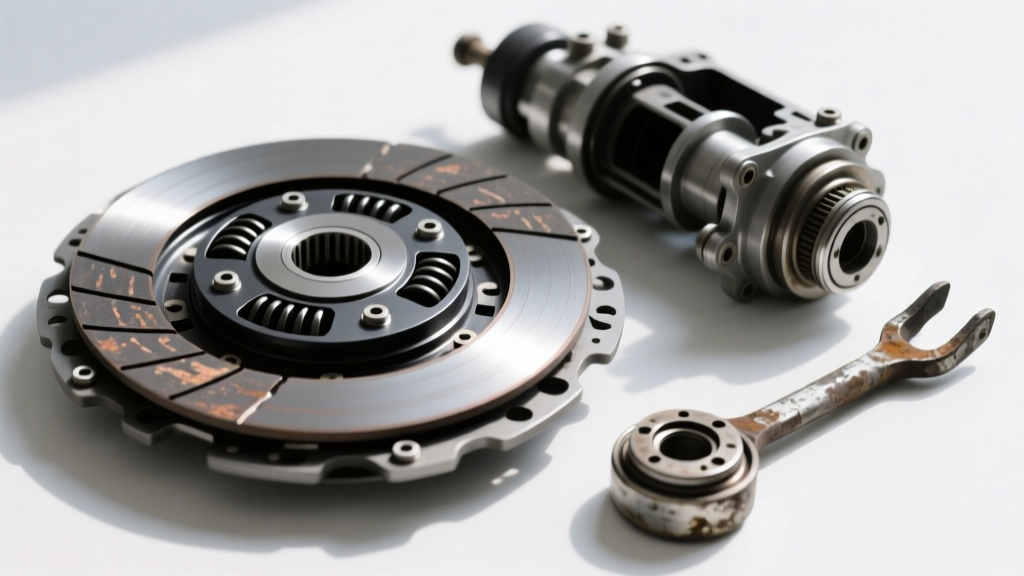
If the oil is correct, the friction plates may be glazed or the steel plates warped. To diagnose this, drain the oil, remove the clutch cover, and extract the clutch pack. Place each steel plate on a perfectly flat piece of glass and measure the gap with a feeler gauge. Most Japanese OEMs (Honda, Yamaha, Suzuki) set the maximum warpage limit between 0.15mm and 0.30mm. If your steels exceed this, they must be replaced, or the clutch will continue to slip and generate excess heat.
Symptom 2: Clutch Drag and False Neutrals
Clutch drag occurs when the clutch fails to fully disengage, making it difficult to find neutral at a stop or causing the bike to lurch forward when pulling the lever in. In ATVs and dirt bikes, the primary culprit is clutch basket notching. Over time, the tangs of the friction plates hammer into the soft aluminum fingers of the inner hub and outer basket, creating deep grooves. When you pull the lever, the plates get stuck in these grooves and fail to separate. While you can temporarily file these notches smooth with a flat file, the permanent fix is upgrading to a CNC-machined billet basket (such as those from Hinson or Rekluse), which typically costs between $350 and $550.
Symptom 3: Weak Lever Feel and Spring Fatigue
Clutch springs lose their tension over time due to extreme heat cycles. During a teardown, measure the free length of your clutch springs with a caliper. For example, the service limit for a Yamaha YZ450F clutch spring is often around 39.5mm. If your springs measure shorter than the OEM service limit, they can no longer apply the necessary clamping force, resulting in a spongy lever and premature slip.
Dry Clutch Diagnostics: Ducatis, BMWs, and Specialty UTVs
Dry clutches are prized for their raw mechanical connection, lack of parasitic drag from oil, and distinct acoustic feedback. However, because they lack an oil bath to wash away debris and cool the components, their diagnostic tree looks entirely different.
Symptom 1: Excessive Rattling and 'Marbles in a Can' Noise
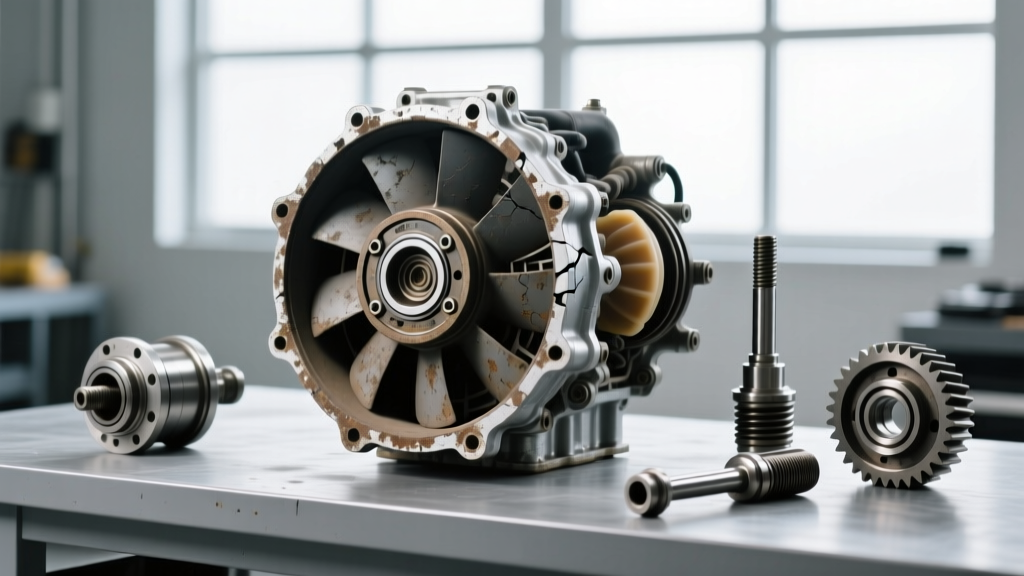
It is a well-known quirk that dry clutches (especially the iconic Ducati desmodromic setups) rattle at idle. However, if the rattling becomes violently loud or is accompanied by a harsh clunk when engaging first gear, you are likely experiencing severe wear on the clutch basket tangs or the pressure plate dampening springs. Unlike wet clutches, dry clutch dust has nowhere to go. It accumulates inside the bell housing, accelerating wear on the basket fingers. Periodic removal of the clutch cover and blowing out the assembly with compressed air is mandatory maintenance.
Symptom 2: Throw-Out Bearing Whine and Heavy Lever
In dry clutch systems like the BMW R1200GS single-plate setup, the throw-out bearing (release bearing) is subjected to immense pressure without the benefit of oil lubrication. If you hear a high-pitched whining or grinding noise that changes pitch exactly as you pull the clutch lever, the throw-out bearing is failing. Ignoring this will result in the bearing seizing and scoring the transmission input shaft—a catastrophic repair. Replacing the throw-out bearing on a BMW Boxer engine requires removing the transmission and torquing the clutch housing nut to a massive 160 Nm, requiring specialized OEM holding tools.
Diagnostic Comparison Chart: Wet vs. Dry Systems
| Feature | Wet Multi-Plate Clutch | Dry Single/Multi-Plate Clutch |
|---|---|---|
| Cooling Method | Shared engine oil / Primary fluid | Ambient airflow / Vented covers |
| Common Failure Mode | Oil contamination, steel warping, basket notching | Dust accumulation, throw-out bearing failure, tang wear |
| Fluid Dependency | High (Requires JASO MA/MA2) | None (Relies on mechanical friction) |
| Average Rebuild Cost | $150 - $350 (Friction plates, steels, springs) | $400 - $1,200+ (Billet baskets, single plates, bearings) |
| Maintenance Interval | Inspect every 15,000 miles / 30 motocross hours | Inspect and blow out dust every 10,000 miles |
Step-by-Step Triage: What to Check Before Tearing Down
Before you order parts or drain fluids, perform this beginner-friendly triage checklist to rule out external actuation issues. As detailed in RevZilla's clutch adjustment guide, external misadjustments mimic internal failures perfectly.
- Check Lever Free Play: You must have 10mm to 15mm of free play at the tip of the clutch lever. If there is zero free play, the clutch is constantly being pulled slightly, causing slip and glazing. If there is too much, the clutch will drag.
- Inspect the Hydraulic Fluid: If your bike uses a hydraulic clutch, check the master cylinder. Never mix DOT 4/5.1 fluid with Mineral Oil. Using DOT fluid in a Magura mineral oil system will destroy the internal rubber seals, causing the lever to pull straight to the bar and fail to disengage the clutch.
- Lubricate the Cable: For cable-actuated ATVs and dirt bikes, a frayed or dry cable creates immense friction. Disconnect the cable at the engine actuator arm and pull it by hand. If it binds, use a dedicated cable luber and aerosol PTFE spray to restore smooth operation.
- Verify Actuator Arm Travel: Follow the clutch cable or hydraulic pushrod to the engine case. Ensure the actuator arm is returning fully to its resting stop. A bent pushrod or worn actuator cam inside the engine cover will prevent full clutch disengagement, regardless of how new your friction plates are.
Expert Diagnostic Tip: When reinstalling a wet clutch pack on a Japanese ATV or dirt bike, always soak the new friction plates in the exact JASO MA2 oil you plan to run in the engine for at least two hours before assembly. Installing dry friction plates and immediately revving the engine will cause instant micro-glazing on the friction material, permanently reducing the clutch's torque capacity and leading to premature slip.
By understanding whether your machine relies on the cooling properties of an oil bath or the raw friction of a dry setup, you can accurately pinpoint the root cause of slipping, dragging, or chatter. Always reference your specific OEM service manual for exact torque specifications on clutch center nuts and spring limits to ensure your repair lasts for the long haul.