Diagnosing drivetrain shudder, slip, and noise requires a fundamental understanding of friction material environments. When comparing wet vs dry clutch systems, the diagnostic approach shifts dramatically based on whether the friction surfaces operate in an oil-bathed environment (like Dual-Clutch Transmissions and ZF automatics) or in ambient air (traditional manual transmissions). This step-by-step guide provides transmission specialists and advanced DIYers with the exact metrics, part references, and symptom-isolation techniques needed to accurately diagnose clutch system failures in 2026.
Diagnostic Rule of Thumb: Dry clutch symptoms are predominantly mechanical, thermal, or hydraulic. Wet clutch symptoms are inextricably linked to fluid tribology, solenoid modulation, and mechatronic pressure regulation.
Step 1: Evaluate Engagement Feel and Pedal Dynamics
The initial point of failure diagnosis begins at the driver interface. How the clutch engages—or fails to engage—reveals the health of the actuation system.
Dry Clutch Hydraulics and Mechanical Linkage
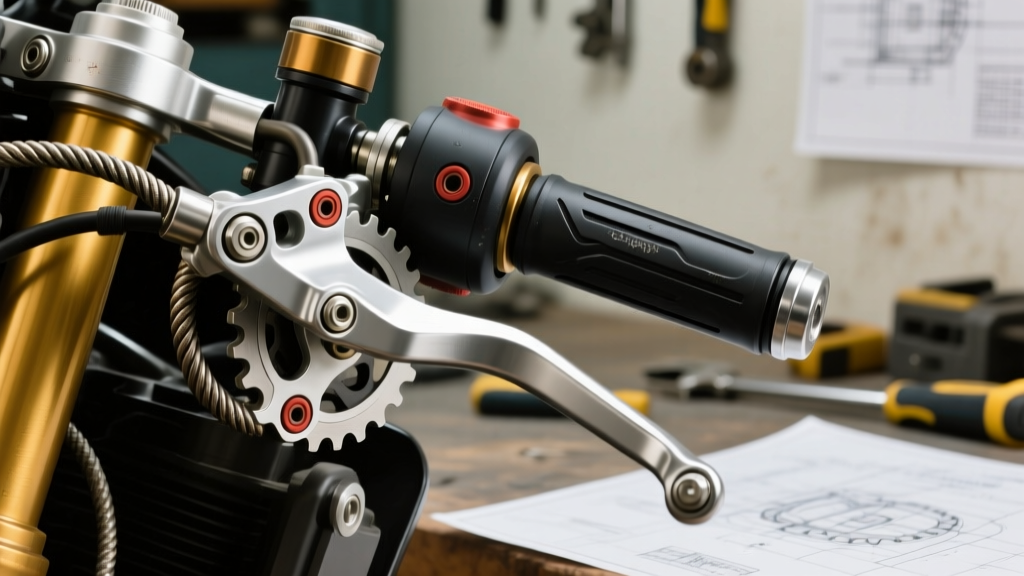
In a traditional dry manual setup, the pedal feel is governed by the master cylinder, hydraulic lines, and the Concentric Slave Cylinder (CSC). A spongy pedal with a wandering bite point usually indicates hydraulic aeration or a bypassing CSC seal. For example, a failing LuK CSC (Part # 510 0075 10) on a VW/Audi transverse platform will often leak fluid directly into the bell housing, resulting in a pedal that drops to the floor without returning.
Actionable Test: Pump the clutch pedal rapidly 10 times, then hold it to the floor. If the pedal slowly rises on its own, the CSC internal seal is bypassing. If the pedal remains firm but engagement slips, the dry friction disc is worn past its marcel spring compression limit.
Wet Clutch Mechatronic and Solenoid Actuation
Wet clutches (found in DCTs like the VW DQ500 or torque-converter automatics like the ZF 8HP) do not use a traditional pedal. Engagement 'feel' is translated through low-speed creeping and shift mapping. A shuddering engagement from a stop in a wet DCT often points to mechatronic accumulator pressure loss or solenoid valve stiction. In the ZF 8HP, worn clutch apply pistons or degraded O-rings on the clutch drum cause delayed engagement (a 'flare' when shifting from Park to Reverse), which feels like a delayed, harsh thud.
Step 2: Isolate Noise, Vibration, and Harshness (NVH)
NVH is the most common complaint in clutch diagnostics. However, the acoustic signature of a failing dry clutch differs vastly from a degrading wet clutch pack.
Dry Clutch NVH: DMF and Release Bearings
A rhythmic clatter at idle that disappears when the clutch pedal is depressed is the hallmark of a failing Dual Mass Flywheel (DMF) or a worn input shaft pilot bearing. According to Schaeffler REPXPERT guidelines, DMF diagnosis requires measuring free-play. Using a dial indicator tool (LuK # 400 0085 10), measure the rotational free-play of the secondary flywheel mass. If rotational play exceeds 1.2 degrees (or roughly 20mm at the ring gear edge depending on the specific application), the internal arc springs have collapsed, and the DMF must be replaced alongside the clutch kit to prevent catastrophic transmission input shaft damage.
Wet Clutch NVH: Fluid Cavitation and Pack Drag
Wet clutches generate a distinct high-frequency whine or low-speed shudder. In the VW DQ250 (02E) 6-speed DSG, a low-speed shudder during 1st-to-2nd gear creeping is rarely a mechanical failure of the clutch pack itself. Instead, it is a tribological failure: the friction modifiers in the DCT fluid have sheared. The fluid can no longer maintain the boundary lubrication layer required for micro-slip control, causing the wet friction plates to grab and release violently.
Step 3: Symptom-to-Component Diagnostic Matrix
Use the following matrix to cross-reference driver complaints with specific wet and dry clutch failure modes.
| Symptom | Dry Clutch Probable Cause | Wet Clutch Probable Cause | Diagnostic Action |
|---|---|---|---|
| High-RPM Slip | Glazed organic/Kevlar friction material; weak pressure plate diaphragm. | Sheared DCT fluid; worn Alto friction plates; low line pressure. | Dry: Inspect disc for bluing. Wet: Perform DSG adaptation reset and fluid flush. |
| Idle Rattle / Clatter | DMF arc spring failure; worn release bearing. | DCT dual-mass damper spring failure inside the input hub. | Dry: Measure DMF runout. Wet: Check mechatronic for clutch drag codes. |
| Engagement Shudder | Contaminated friction surface (rear main seal leak); warped flywheel. | Friction modifier depletion; cracked mechatronic accumulator. | Dry: Check bell housing for oil. Wet: Scan for solenoid pressure deviation. |
| Burning Odor | Slipping organic clutch material (cellulose/aramid burn). | Overheated DCT fluid (G 052 182) smelling like burnt toast. | Dry: Replace clutch kit. Wet: Drop pan, inspect for clutch debris, replace fluid. |
Step 4: Thermal Degradation and Slipping Diagnostics
When a clutch slips, it generates immense thermal energy. The way this heat is managed defines the diagnostic path.
Dry Clutch Thermal Failure
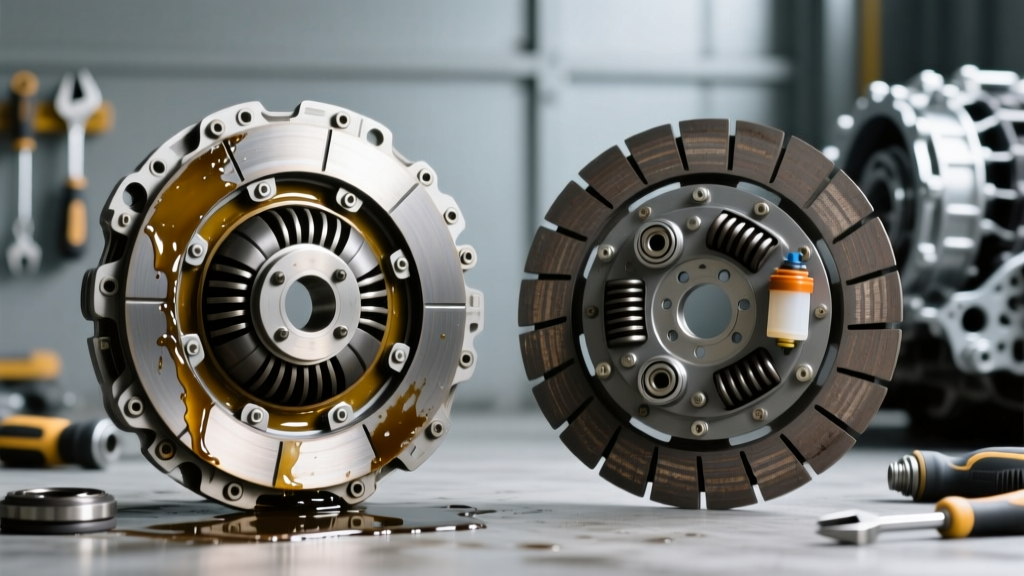
Dry clutches rely on ambient air and the mass of the flywheel to dissipate heat. When subjected to heavy towing or aggressive launch control, organic friction materials exceed their thermal threshold (typically around 250°C - 300°C). The resin binders melt, creating a glazed, glass-like surface on the friction disc. Diagnostic Metric: If the clutch slips at 3,000 RPM in 4th gear under wide-open throttle (WOT), but the pedal free-play is correct and hydraulics are firm, the pressure plate clamp load is insufficient, or the disc is glazed. Measure the flywheel surface for hard spots using a straight edge; surface runout must not exceed 0.05mm.
Wet Clutch Thermal and Fluid Shear
Wet clutches use transmission fluid to carry heat away from the friction surfaces. In high-torque applications like the ZF 8HP70, the clutch packs are constantly bathed in fluid. Slipping in a wet clutch system rarely produces a 'burning' smell in the cabin; instead, it degrades the fluid chemically. According to ZF Aftermarket, degraded LifeguardFluid 8 loses its specific friction coefficient, leading to micro-slips that generate metallic debris. Diagnostic Metric: Drop the transmission pan (which often houses the filter on ZF units). If the fluid is dark brown/black and contains visible brass or paper-like debris, the wet clutch packs (such as Alto Part # 1068-100212 for Clutch Pack A) have experienced thermal breakdown and require a complete transmission teardown.
Step 5: Fluid Analysis and Mechanical Teardown Metrics
For wet clutch systems, fluid is a wearable component, not just a lubricant. Diagnosing a wet clutch shudder often begins with a fluid service and adaptation reset. For example, when servicing a VW DQ250 DSG, the system requires exactly the correct fluid temperature to set the level. Using a diagnostic tool like VCDS or OBDeleven, monitor the DCT fluid temperature sensor. The fluid must be between 35°C and 45°C when checking the overflow snorkel. If the fluid level is low, the wet clutch packs will starve during high-G cornering, resulting in momentary slip and subsequent mechatronic fault codes.
For dry clutches, the teardown metric revolves around the flywheel and hydraulics. Always replace the CSC and flywheel bolts (which are typically Torque-to-Yield). For a standard VW/Audi application, flywheel bolts are torqued to 60 Nm plus an additional 90-degree turn. Failing to use new TTY bolts or a proper torque angle gauge can result in the flywheel backing off under torsional load, destroying the dry clutch assembly.
Final Diagnostic Takeaways
Successfully navigating the differences between wet and dry clutch systems requires moving beyond basic 'slip and grab' assumptions. Dry clutch diagnosis is a mechanical pursuit—measuring runout, checking hydraulic seals, and inspecting friction surfaces. Wet clutch diagnosis is a fluid-dynamic and electronic pursuit—analyzing fluid shear, solenoid duty cycles, and mechatronic adaptations. By following this step-by-step framework and utilizing OEM-specific diagnostic tools and fluid specifications, you can accurately isolate the root cause of drivetrain NVH and engagement faults on the first attempt.