The Hidden Threat: Manual Transmission Overheating Under Tow
There is a persistent myth in the heavy-duty towing community that manual transmissions are immune to the thermal degradation that plagues automatics. While it is true that manuals lack a torque converter—the primary heat generator in an automatic drivetrain—heavy-duty manuals like the Aisin G56, New Venture NV4500, and Tremec T-56 Magnum still suffer catastrophic thermal breakdown when towing near their Gross Combined Weight Rating (GCWR). As of 2026, with modern diesel trucks producing over 1,000 lb-ft of torque, the sheer friction generated inside a manual gearbox under heavy load is enough to boil gear oil and destroy synchros. Diagnosing these thermal symptoms early and installing the best transmission cooler for manual towing applications is critical to preventing a $4,500 rebuild.
Symptom Diagnosis: Is Your Manual Transmission Baking?
Before tearing into your drivetrain, you must accurately diagnose whether your manual transmission is suffering from thermal fatigue or mechanical wear. Manual transmissions rely entirely on splash lubrication and the thermal stability of the gear oil to maintain clearances. When fluid temperatures exceed 250°F (121°C), the following symptoms will manifest:
- The "Hot Crunch" (Synchro Failure): As gear oil overheats, its viscosity drops rapidly. Brass or carbon synchronizers rely on specific fluid friction to match gear speeds. When the oil thins out, you will experience grinding or a "crunch" specifically during 3rd-to-4th or 4th-to-5th shifts under heavy throttle or load.
- High-Pitch Bearing Whine: Main shaft and countershaft bearings starve for lubrication when splash-lube systems fail at sustained highway towing speeds. A high-frequency whine that changes pitch with vehicle speed (not engine RPM) indicates micro-pitting on the bearing races due to thermal starvation.
- Breather Weep and Seal Purge: Thermal expansion causes extreme pressure buildup inside the gearbox. This forces 75W-90 or ATF+4 past the output shaft seal or out the top breather valve, leaving a trail of gear oil on the differential housing or driveway.
- Post-Tow Shift Stiction: If the shifter feels unusually stiff or notchy immediately after parking a heavy trailer, the fluid has coked and varnished inside the shift rail detents due to sustained high-heat exposure.
The Engineering Flaw: Splash Lubrication vs. Sustained Towing
To understand why you need an external cooler, you must understand the lubrication gap. In an automatic, a mechanical pump forces fluid through a cooler and back into the valve body. In a manual transmission like the Tremec T-56 Magnum or the Dodge Ram's Aisin G56, the countershaft splashes oil upward to lubricate the main shaft bearings. However, when towing 12,000+ lbs at 65 MPH in 5th or 6th gear (overdrive), the engine RPM is low, and the countershaft is spinning relatively slowly. The splash effect is insufficient to carry heat away from the top main-shaft bearings, creating localized hot spots that easily exceed 280°F, even if the bulk fluid temperature reads lower at the drain plug.
Sizing Matrix: Matching the Cooler to Your GCWR
Selecting the best transmission cooler for manual setups requires matching the cooler's thermal dissipation rating (BTU/hr) and the external pump's flow rate to your specific transmission and towing weight. Below is our 2026 diagnostic sizing matrix:
| Transmission Model | Max Tow Rating (GCWR) | Recommended Cooler Type | Required Pump Flow | Target Fluid Temp |
|---|---|---|---|---|
| Aisin G56 (Ram HD) | 25,000 - 30,000 lbs | Stacked-Plate (e.g., 33-Row) | 4.0 - 5.0 GPM | 160°F - 180°F |
| New Venture NV4500 | 18,000 - 22,000 lbs | Plate-and-Fin w/ Fan | 3.0 - 4.0 GPM | 150°F - 170°F |
| Tremec T-56 Magnum | 8,000 - 12,000 lbs | Tube-and-Fin Remote | 2.0 - 3.0 GPM | 140°F - 165°F |
Top Cooler & Pump Kits for Manual Transmissions
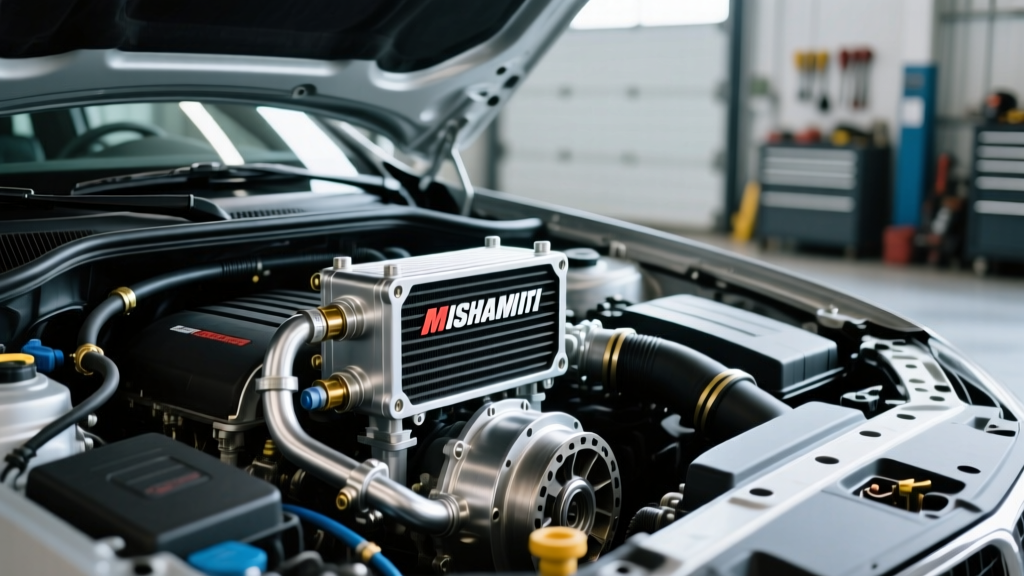
Because manuals lack an internal pump, you must utilize a remote-mount kit that includes an external electric pump, a reservoir (optional but recommended for bleeding), and a high-efficiency heat exchanger. Here are the top-performing kits for heavy-duty towing:
1. Derale Hyper-Cool Remote Mount Kit (Part #15960)
Widely considered the gold standard for heavy-duty manual towing, the Derale 15960 features a stacked-plate core rated for up to 40,000 lbs GVWR. It includes a high-flow inline electric pump capable of moving 4.5 Gallons Per Minute (GPM) and a built-in 10-inch auxiliary fan for low-speed, high-load scenarios (like crawling up a 6% grade).
Estimated Cost: $240 - $280
Best For: Aisin G56 and NV4500 trucks towing fifth-wheel campers over 10,000 lbs.
2. Hayden Automotive Rapid-Cool Stacked Plate (Part #679) + Inline Pump
For those who prefer to source components individually, pairing the Hayden 679 (a compact, 33-row stacked-plate cooler) with a dedicated 12V marine-grade inline pump offers superior packaging for tight engine bays. The stacked-plate design provides 30% more surface area than traditional tube-and-fin coolers, dropping fluid temperatures by up to 45°F in sustained highway towing.
Estimated Cost: $110 (Cooler) + $90 (Pump) = $200 Total
Best For: Tremec T-56 Magnum swaps and lighter-duty NV4500 applications.
Step-by-Step Troubleshooting & Installation Protocol
Installing an external cooler on a manual transmission requires tapping into the gearbox without introducing metal shavings or compromising structural integrity. Follow this diagnostic and installation protocol:
- Drain, Inspect, and Verify: Before installing anything, drain the existing fluid to check for thermal damage. Look for a burnt smell or metallic glitter (indicating bearing wear). Torque Spec Note: The NV4500 drain and fill plugs use a 3/8" square drive; torque to 25-30 lb-ft. The Aisin G56 uses a 10mm hex bit; torque to 22 lb-ft (30 Nm).
- Plumb the Suction (Feed) Line: Never drill and tap the aluminum or cast-iron casing of a loaded transmission. Instead, use a PTO cover plate adapter (available for the G56 and NV4500) that features a pre-welded -6 AN bulkhead fitting. Alternatively, replace the stock magnetic drain plug with an aftermarket billet aluminum drain plug machined with a -6 AN port. This draws the hottest fluid directly from the bottom of the sump.
- Route the Return Line: The cooled fluid must be returned to the transmission above the fluid level to prevent siphoning when the pump is off. Drill and tap the upper PTO cover or the top shifter tower base plate. Use a 90-degree swivel fitting aimed downward to splash the cooled oil directly onto the main shaft bearings.
- Electrical Wiring & Thermal Switch: Do not wire the pump to run 100% of the time; this will overcool the fluid in winter, causing shift stiffness. Wire the pump through a 180°F thermal switch threaded into the return line or the transmission case, ensuring the pump only engages when towing heat becomes a threat.
Expert Diagnostic Tip: Fluid selection is just as critical as the cooler itself. While early Aisin G56 manuals called for ATF+4, modern 2026 towing consensus and updated manufacturer bulletins heavily favor dedicated synthetic manual fluids like Red Line MT-90 or Pennzoil Synchromesh 75W-85 for enhanced synchro friction and thermal stability. Never use standard 75W-90 gear oil in a synchro-equipped manual towing heavy loads; the friction modifiers will cause the synchros to slip and grind.
Final Diagnostics: Verifying Your Temperature Drop
After installation, perform a controlled diagnostic tow. Hook up your maximum load and drive a sustained 5-mile grade at 55 MPH. Using an infrared thermometer aimed at the transmission case (or a live telemetry sensor if installed), verify that the bulk temperature remains below 190°F. If the "hot crunch" disappears and the bearing whine subsides, your manual transmission cooling system is properly sized, and your drivetrain is secured for the long haul.