The Anatomy of Torque Converter Shudder
Torque converter shudder is one of the most frequently misdiagnosed drivability complaints in modern automatic transmissions. Often described by drivers as a 'rumble strip' sensation, a low-frequency vibration (typically between 30 and 50 Hz), or a rhythmic shaking through the steering wheel and seat, shudder almost always occurs during light throttle application at highway speeds (45 to 65 mph). As of 2026, with automakers pushing for maximum fuel economy, transmission control modules (TCMs) command the torque converter clutch (TCC) to lock up in lower gears and at lower speeds than ever before. This aggressive lockup strategy places immense thermal and frictional stress on the TCC friction material, making preventive maintenance and precise diagnosis critical.
To understand shudder, you must understand the transition phase. When the TCM commands TCC apply, the torque converter transitions from pure fluid coupling to a mechanical lockup. To prevent a harsh, abrupt engagement, the TCM uses a Pulse Width Modulated (PWM) solenoid to allow a controlled amount of 'slip'—usually 20 to 40 RPM—between the engine and the transmission input shaft. Shudder occurs when the friction coefficient of the TCC lining breaks down, causing the clutch to rapidly grab and release in an oscillating cycle. Instead of a steady 30 RPM slip, the actual slip violently bounces between 0 and 80 RPM multiple times per second, translating into physical vibration.
Differentiating Shudder from Misfires and Driveline Vibration
Before pulling the transmission pan or swapping fluid, a technician must isolate the vibration source. TCC shudder is strictly load-dependent and slip-dependent, whereas other vibrations are speed-dependent or RPM-dependent.
- Engine Misfires (e.g., P0300): Misfires will show up in fuel trim data and crankshaft position sensor variance. A quick test is to command a TCC unlock via a bi-directional scan tool while maintaining the exact same speed and throttle position. If the vibration instantly disappears when the TCC unlocks, the engine is not the culprit.
- Driveline Vibration (U-joints, Tires, Axles): Driveline vibrations are tied to vehicle speed and rotational mass. They will persist whether you are coasting, accelerating, or decelerating. If the shudder only happens under light, steady-state throttle when the TCC is commanded to slip, the driveline is likely fine.
- Transmission Gear Hunting: Rapid upshift/downshift cycling can mimic shudder. Monitor the 'Current Gear' PID on your scanner to ensure the transmission is holding a single gear during the event.
OBD2 Diagnostic Protocol: Reading TCC Slip PIDs
The definitive diagnostic test for torque converter shudder requires a high-quality OBD2 bi-directional scanner capable of graphing live data PIDs (Parameter Identification Data). According to Sonnax Technical Resources, graphing the data is mandatory because human eyes cannot catch micro-oscillations in numeric readouts.
Step-by-Step PID Analysis:
- Connect the scanner and pull up three specific PIDs: TCC Commanded Slip (RPM), TCC Actual Slip (RPM), and TCC Solenoid Duty Cycle (%).
- Drive the vehicle to the exact speed and load condition where the customer reports the shudder (usually 50-55 mph in 4th, 5th, or 6th gear, with TPS around 12-18%).
- Observe the graph. The Commanded Slip should be a flat, steady line (e.g., 30 RPM).
- If the Actual Slip line overlays the commanded line smoothly, the TCC is healthy. If the Actual Slip line looks like a jagged sawtooth pattern, rapidly spiking above and below the commanded line, you have confirmed TCC shudder.
If the scanner shows that the TCC duty cycle is also fluctuating wildly, the issue may be a failing PWM solenoid or a sticky valve body bore (common in early GM 6L80/6L90 units) rather than degraded friction material. However, if the duty cycle is steady but the slip is erratic, the torque converter friction lining is glazed or contaminated.
Preventive Maintenance: Fluids, Additives, and Service Intervals
The most common root cause of TCC shudder is the degradation of transmission fluid friction modifiers. Over time, heat and shear forces break down the complex additive packages designed to maintain the precise coefficient of friction required for controlled TCC slip. As a preventive maintenance measure, fluid exchange intervals should be strictly adhered to, and in severe-duty applications, shortened.
According to ZF Aftermarket Guidelines, using the exact OEM-specified fluid is non-negotiable for modern 8-speed and 10-speed transmissions, as universal fluids often lack the specific friction modifiers required for their unique TCC apply strategies.
| Transmission Model | OEM Fluid Specification | Service Fill Capacity | Preventive Service Interval |
|---|---|---|---|
| GM 6L80 / 6L90 | ACDelco Dexron VI (10-9395) | ~6.0 Liters | Every 45,000 miles |
| ZF 8HP (8-Speed) | ZF LifeguardFluid 8 (Shell M-1375.4) | ~8.5 Liters | Every 60,000 miles |
| Ford 10R80 | Motorcraft Mercon ULV (XT-12-QULV) | ~9.5 Liters | Every 60,000 miles |
| Toyota Aisin A750F | Toyota ATF WS | ~5.5 Liters | Every 60,000 miles |
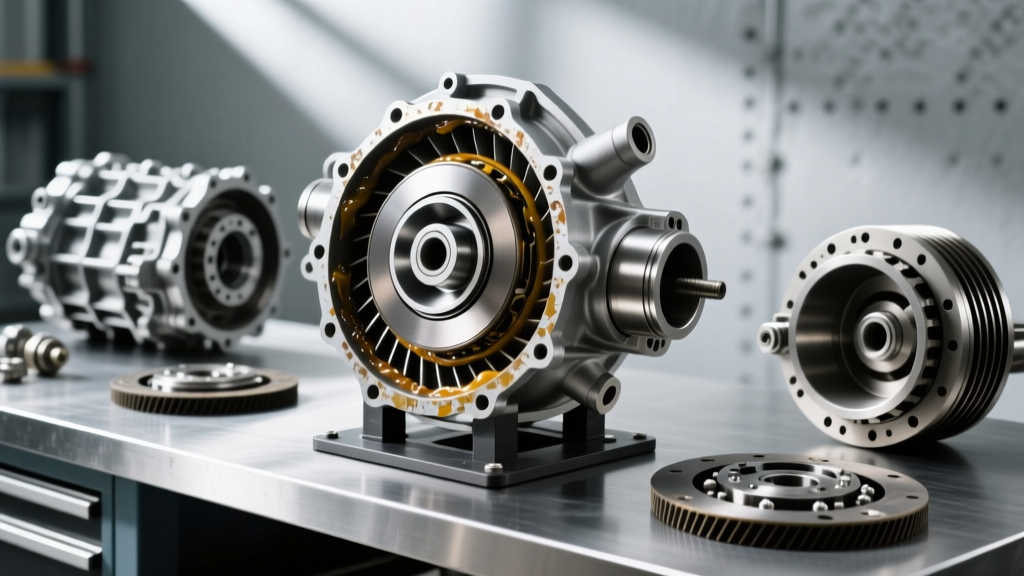
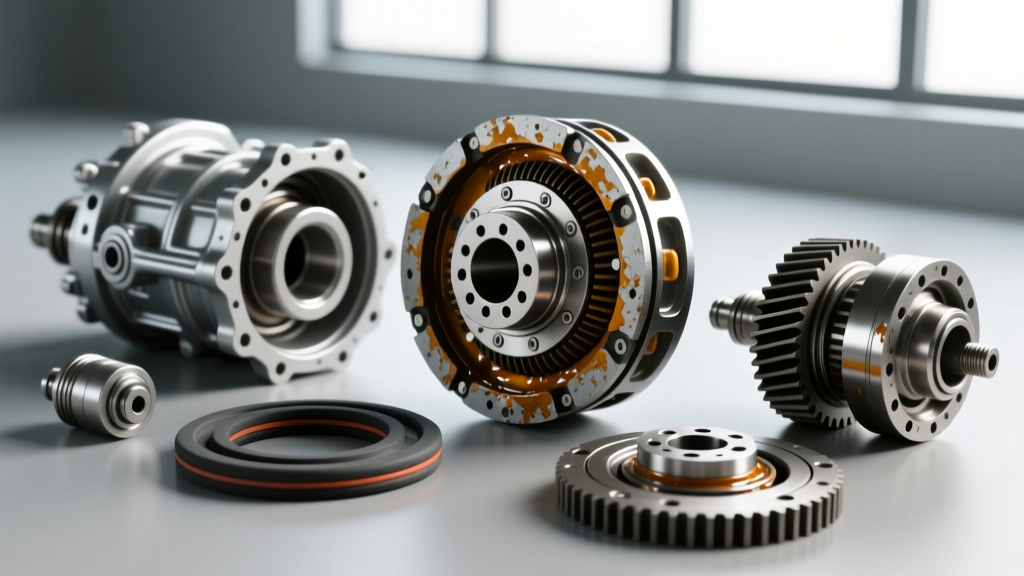
The Friction Modifier Debate: If a mild shudder has just begun, many master technicians will perform a double drain-and-fill (to replace 80%+ of the fluid) and add a specialized friction modifier. Products like Lubegard Platinum or Dr. Tranny Instant Shudder Fixx contain long-chain fatty acid esters that can temporarily restore the friction coefficient of the TCC lining. However, this is a band-aid; if the friction material is physically worn down to the rivets or severely glazed from overheating, no chemical additive will fix it.
Mechanical Fixes: When Preventive Maintenance Fails
When fluid services and additive treatments fail to eliminate the shudder, the torque converter must be replaced. Attempting to cut open and rebuild a torque converter is rarely cost-effective for independent shops or DIYers due to the precision balancing and specialized furnace brazing required. Replacing the unit with a high-quality OEM or premium remanufactured converter is the standard fix.
As noted by the Automatic Transmission Rebuilders Association (ATRA), replacing a shuddering torque converter without addressing the root cause (such as a failing transmission cooler or a clogged PWM solenoid screen) will result in the new converter failing within 10,000 miles. Always flush the transmission cooler lines and replace the TCC control solenoid/valve body assembly if the vehicle is known for solenoid-related apply issues (e.g., the GM 6L80 PWM solenoid).
Replacement Costs and Part Numbers
- OEM Torque Converters: $450 to $950 depending on the application. (e.g., ACDelco 24276433 for GM 6L80 applications).
- Premium Remanufactured Converters: $250 to $450. Ensure the remanufacturer replaces the TCC friction lining, hub, and performs computerized dynamic balancing.
- Labor (Transmission R&R): $800 to $1,400. The transmission must be dropped to access the torque converter, making this a labor-intensive repair.
- Fluid and Filter Kit: $80 to $180. Never reuse old fluid after a converter failure.
Critical Torque Specifications
When installing the new torque converter, adhering to the manufacturer's torque specifications for the flexplate-to-converter bolts is vital to prevent flexplate cracking and harmonic imbalances.
- GM 6L80 / 6L90 / 10L80: 25 Nm (18 lb-ft) for the M8 torque converter to flexplate bolts. Always use new bolts and apply a medium-strength threadlocker.
- Ford 6R80 / 10R80: 26 Nm (19 lb-ft) for the flexplate bolts.
- ZF 8HP (Chrysler/BMW/Jaguar applications): 25 Nm (18 lb-ft) plus an additional 90-degree turn for torque-to-yield fasteners where specified by the OEM.
Expert Preventive Tip: Never perform a high-pressure 'power flush' on a high-mileage transmission that is already exhibiting severe TCC shudder. The aggressive flow can dislodge clutch material and debris from the pan, pushing it directly into the valve body and solenoid screens, turning a simple torque converter issue into a complete transmission failure. Always opt for a series of gentle drain-and-fill services using the transmission's own internal pump to circulate the new fluid.
Summary Checklist for Technicians and DIYers
Diagnosing torque converter shudder requires a methodical approach that separates mechanical wear from electronic control faults. By graphing TCC slip PIDs, verifying fluid specifications, and understanding the aggressive lockup strategies of modern transmissions, you can accurately pinpoint the failure. Preventive maintenance through strict adherence to OEM fluid intervals remains the most cost-effective way to ensure the longevity of the TCC friction material and maintain seamless drivability.