The Reality of the Chevy Traverse Torque Converter Replacement Cost
When the dreaded P0741 (Torque Converter Clutch System Stuck Off) or P0742 code illuminates the dash, and the transmission begins to shudder at highway speeds, most Traverse owners immediately begin researching the Chevy Traverse torque converter replacement cost. It is a common failure point on the 5,000-pound AWD crossover, particularly those equipped with the 3.6L V6 and the GM 6T70/6T75 6-speed automatic transmission. As of 2026, the baseline cost for an OEM replacement has shifted due to rising labor rates and parts inflation, but a more critical question remains: should you simply replace it with stock hardware, or use the opportunity to upgrade for performance and heavy-duty towing?
For the uninitiated, the Chevy Traverse is not a traditional sports car. However, in the realm of crossover platforms, 'performance' translates to high-load towing, overlanding, off-road hauling, and the increasingly popular supercharger kits fitted to the LFX/LLT 3.6L V6 engines. In these scenarios, the factory torque converter becomes the weakest link in the drivetrain.
Baseline OEM Replacement Costs (2026 Estimates)
Before diving into aftermarket performance builds, we must establish the financial baseline. According to current data from GM Parts Direct and national repair databases, the OEM route looks like this:
- OEM ACDelco Torque Converter (6T75): $750 - $950
- Labor (AWD Subframe Drop & R&R): 7.5 to 9.5 hours @ $150-$220/hr ($1,125 - $2,090)
- Fluid & Misc (Dexron VI, Rear Main Seal, Flexplate Bolts): $150
- Total OEM Replacement Cost: $2,025 - $3,190
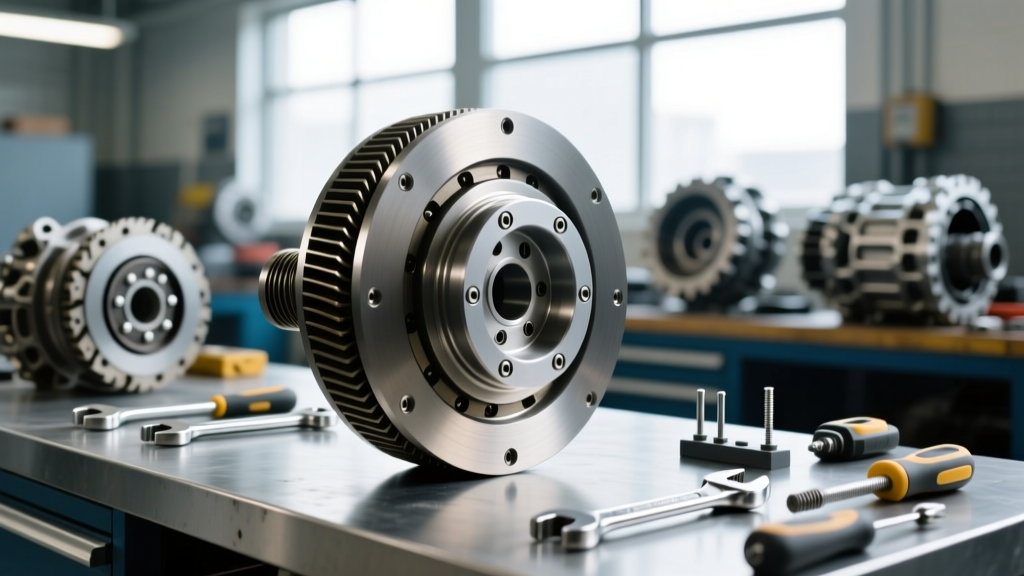
While this gets your Traverse back to factory specification, the OEM 6T75 torque converter utilizes a stamped steel cover and a single-disc paper friction clutch. Under heavy thermal loads, this paper clutch glazes, and the stamped cover can balloon or flex, leading to the exact same shudder issues 60,000 miles down the road.
The Performance Pivot: Upgrading the 6T75 Torque Converter
If you are towing a 4,500-pound boat, running a supercharger kit pushing 8-10 psi of boost, or frequently navigating steep off-road inclines, the stock stall speed and clutch material are inadequate. The performance aftermarket for the GM 6T75 transmission has matured significantly, offering heavy-duty and high-stall torque converters that fundamentally change how the Traverse delivers power.
Leading manufacturers like Precision Industries and SunCoast Diesel engineer billet converters specifically for high-load GM applications. Upgrading to a performance unit typically adds $800 to $1,400 to the parts cost, bringing the total out-the-door price to roughly $3,500 - $4,500. While this is a premium over the stock Chevy Traverse torque converter replacement cost, the longevity and drivability gains are exponential.
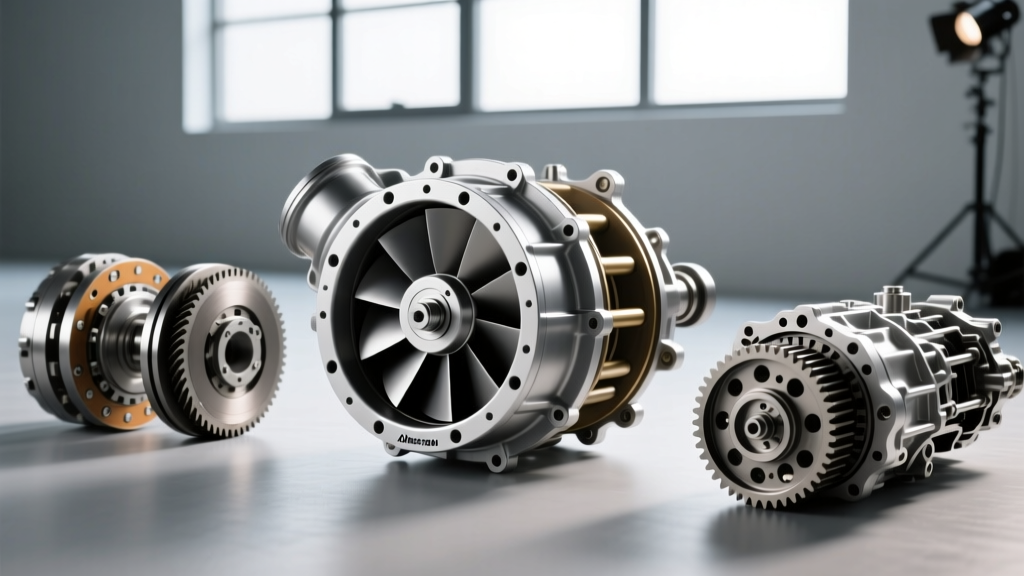
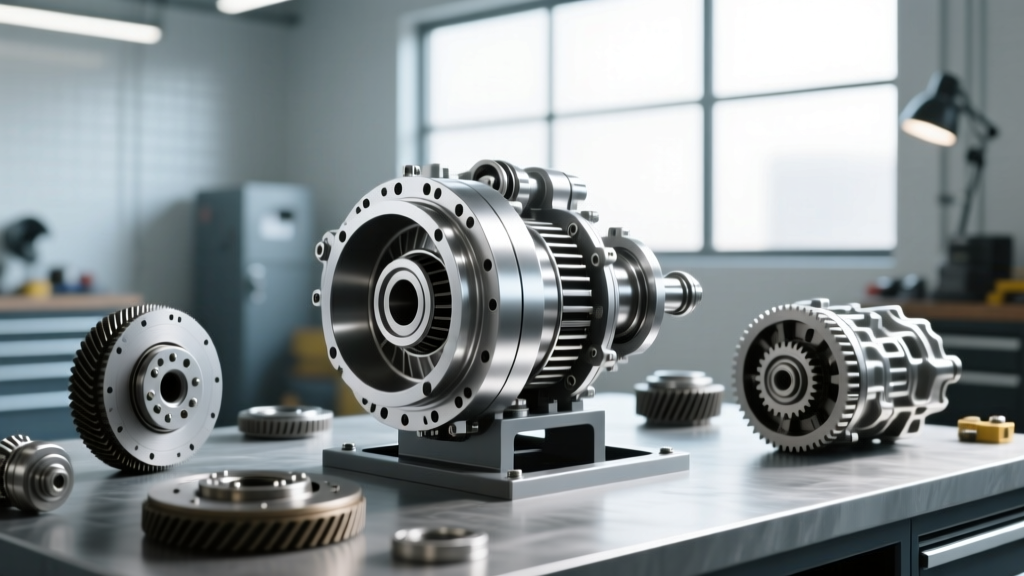
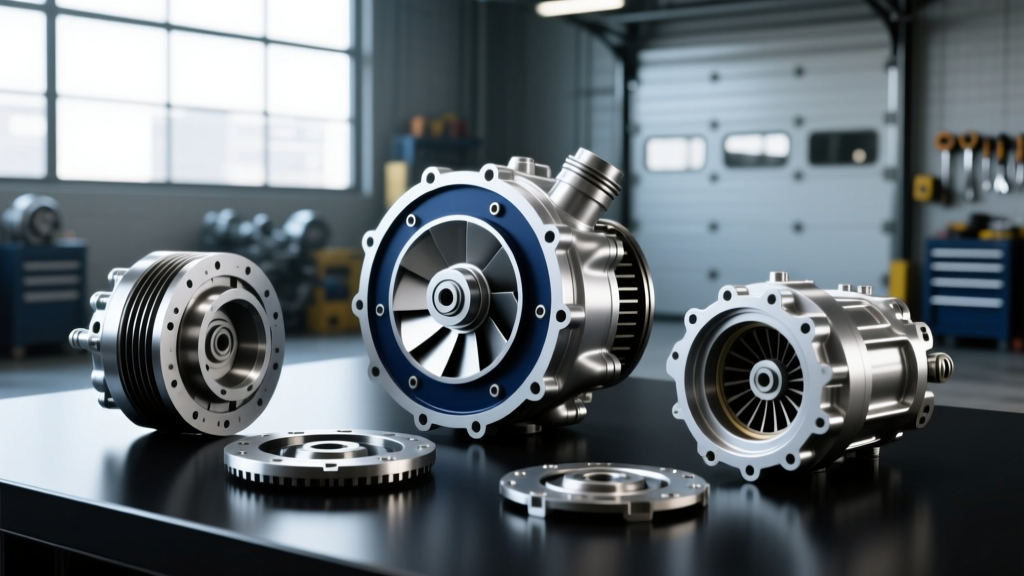
Inside a Performance Torque Converter
What exactly are you paying for when you step up to a performance unit? The differences lie in metallurgy and friction materials:
- Billet Steel Covers: Eliminates cover flex and ballooning under high line pressure or boosted applications. This ensures the TCC (Torque Converter Clutch) applies evenly without slipping.
- Furnace-Brazed Fins: Factory converters use stamped fins that can tear away from the hub at high RPMs. Furnace-brazing anchors the fins permanently, allowing the stator to multiply torque safely up to 6,500+ RPM.
- Carbon/Kevlar Clutch Linings: Replaces the fragile paper friction material. Carbon composites can withstand up to 400°F of continuous thermal abuse without glazing, effectively eliminating the highway-speed shudder.
Specification Matrix: Stock vs. Towing vs. Forced Induction
Choosing the right converter requires understanding your specific performance goal. The table below outlines the three primary profiles available for the 1st-Gen Traverse 6T75 platform.
| Specification | OEM Factory (Stock) | HD Towing / Overland | Supercharger / High-Stall |
|---|---|---|---|
| Stall Speed | 1,800 - 2,000 RPM | 1,600 - 1,800 RPM | 2,400 - 2,800 RPM |
| Cover Material | Stamped Steel | Billet Steel | Billet Steel (Heavy Duty) |
| Clutch Type | Single-Disc Paper | Single-Disc Carbon/Kevlar | Multi-Disc Sintered Iron |
| Torque Multiplication | 2.1:1 | 2.3:1 (Aggressive Stator) | 2.5:1 (Racing Stator) |
| Ideal Application | Daily Commuting | 5,000+ lb Towing, Off-Road | Boosted V6, Drag/Sled Pulling |
| Approx. Part Cost (2026) | $850 | $1,450 | $1,850+ |
Expert Note on the 9T60 (2018+ Traverse): If you own a second-generation Traverse with the 9-speed 9T60 transmission, performance torque converter upgrades are currently limited. The 9T60 relies on Dexron ULV (Ultra Low Viscosity) fluid and highly complex TCM logic that aggressively manages TCC slip across nine gears. For the 9-speed, stick to OEM replacements and focus on auxiliary transmission coolers for towing performance.
Installation Realities: Torque Specs and Flush Protocols
Whether you are paying a shop or wrenching in your own garage, installing a performance torque converter in the 6T75 requires strict adherence to GM assembly protocols. The AWD system and rear subframe must be dropped, and the transfer case must be unbolted from the transmission extension housing. This adds significant labor time compared to a FWD-only vehicle.
Critical Torque Specifications
Do not reuse the factory flexplate-to-torque converter bolts. They are often stretch-bolts or feature a specific prevailing torque coating that degrades upon removal. Use new GM OEM bolts (Part # 11561504, M10x1.5x20) and follow these specs:
- Torque Converter to Flexplate Bolts: 37 lb-ft (50 Nm). Apply a drop of Blue Loctite (242) to the threads.
- Bellhousing to Engine Block (M12 Bolts): 37 lb-ft (50 Nm).
- Bellhousing to Engine Block (M10 Bolts): 15 lb-ft (20 Nm).
- Transmission Mount to Crossmember: 58 lb-ft (78 Nm).
- Transfer Case to Transmission Nuts: 27 lb-ft (37 Nm).
The Mandatory Cooler Flush
The number one reason newly installed torque converters fail within 5,000 miles is contaminated fluid. When the factory TCC clutch disintegrates, it sends microscopic paper and steel debris directly into the transmission cooler lines and the radiator-integrated cooler. If this debris is not completely purged, it will lodge in the new converter's stator clutch or the transmission's valve body solenoids. A professional hot-flush of the cooler circuit is non-negotiable and should account for roughly $150-$200 of your total service bill.
Final Verdict: Is the Performance Upgrade Worth It?
If your Traverse is a strictly grocery-getting family hauler, the standard OEM replacement is the most financially logical route, despite the known longevity quirks of the paper clutch. However, if your research into the Chevy Traverse torque converter replacement cost was triggered by a need to tow heavy trailers, navigate mountain passes, or extract more performance from a modified 3.6L V6, the OEM route is a waste of money.
Spending an additional $800 on a billet, carbon-clutch performance torque converter transforms the drivetrain. It eliminates the shudder, drops transmission temperatures by 15-20°F under load, and provides the low-end torque multiplication necessary to move the Traverse's massive curb weight with authority. In the world of heavy crossovers, the torque converter is the heart of the drivetrain—don't be afraid to give it an upgrade.