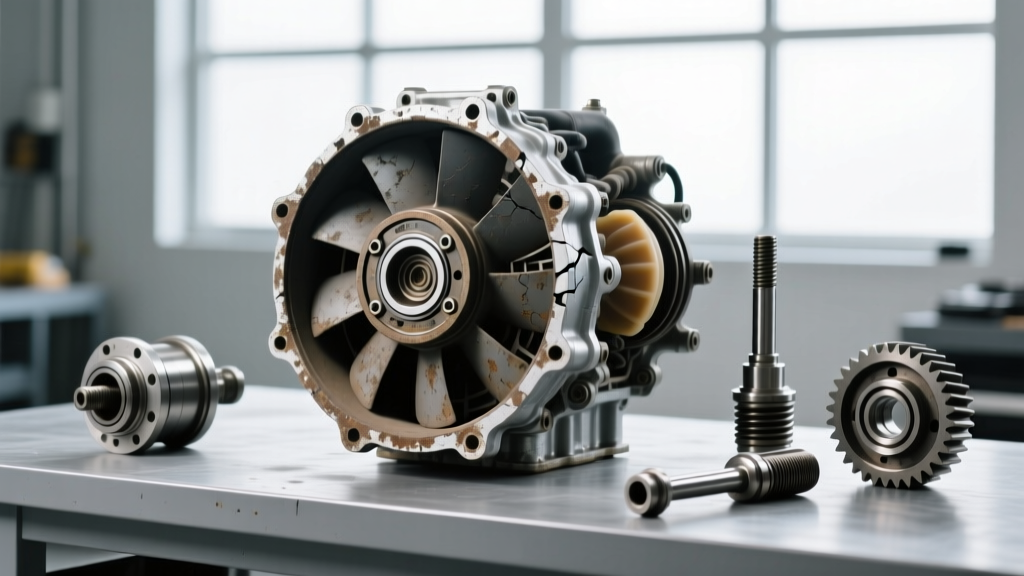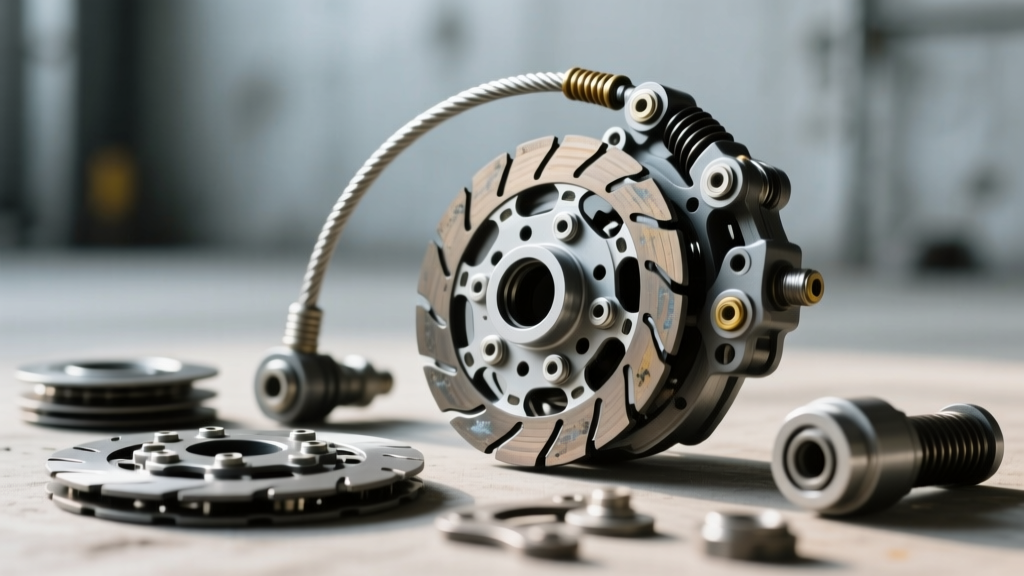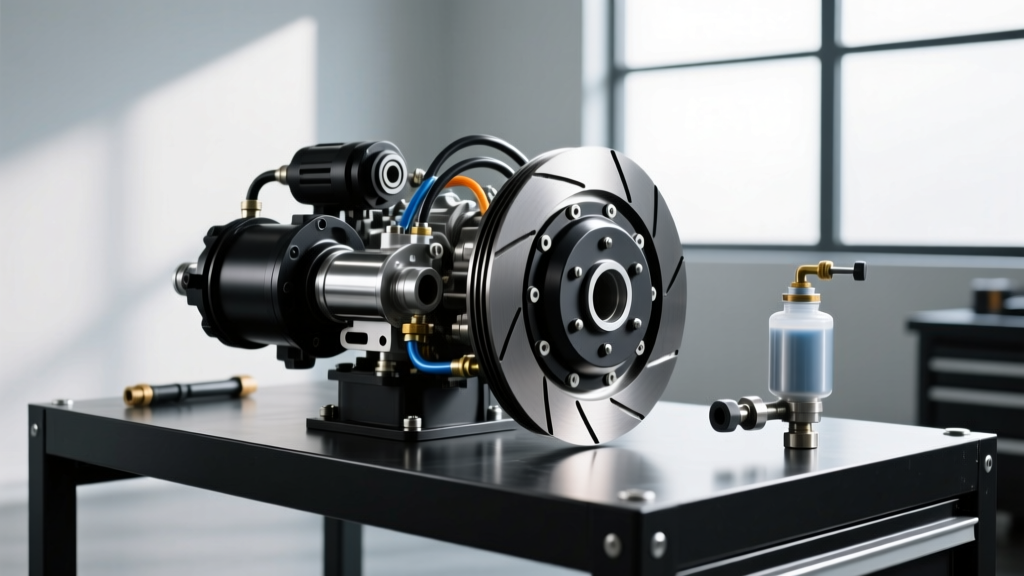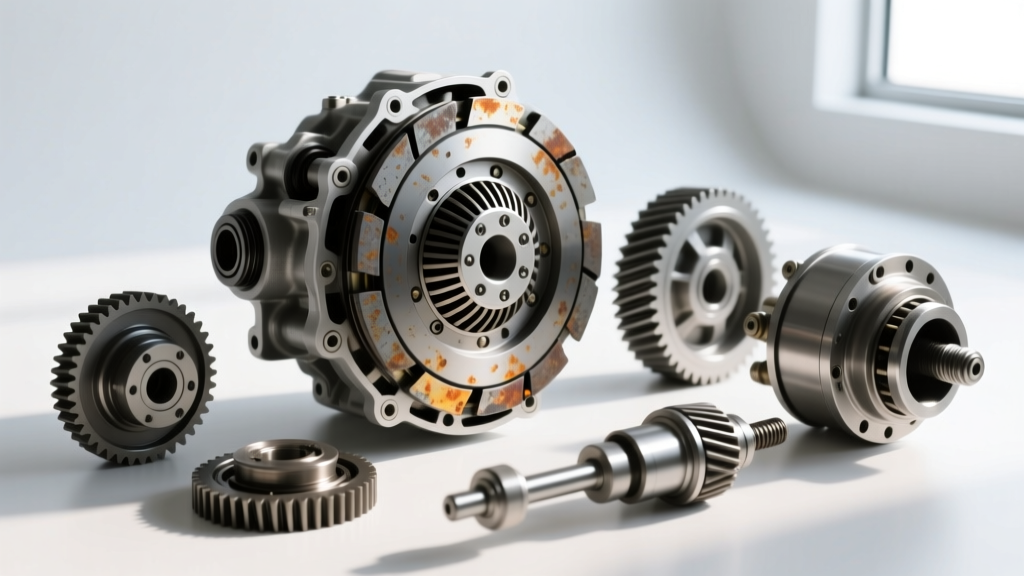
Understanding DCT Architecture: Wet vs. Dry Systems
Diagnosing a dual-clutch transmission requires a fundamentally different approach than evaluating a traditional torque-converter automatic or a manual gearbox. Because a DCT essentially utilizes two manual-style clutch packs (one for odd gears, one for even) controlled by an electro-hydraulic mechatronic unit, failure modes are highly specific. As we navigate the 2026 automotive landscape, early-generation DCTs from the 2010s are now surpassing 150,000 miles, making precise dct clutch diagnosis more critical than ever for shops and DIY enthusiasts.
Before turning a wrench, you must identify your system type:
- Wet DCTs (e.g., VW/Audi DQ250/02E, Getrag 6DCT450): Clutches operate in an oil bath. Wear debris contaminates the fluid, leading to mechatronic solenoid sticking and micro-slipping.
- Dry DCTs (e.g., VW DQ200, Ford DPS6 PowerShift): Clutches operate in the air. They are prone to actuator motor failures, clutch dust accumulation, and severe low-speed shudder due to thermal glazing.
This step-by-step guide will walk you through isolating the three primary symptom categories: vibration, noise, and shift feel.
Step 1: Baseline Fluid and Mechatronic Pressure Checks
Never attempt to diagnose clutch engagement issues without first verifying the hydraulic baseline. In wet DCT systems, the clutch actuation and gear selection share the same fluid circuit (or closely linked circuits).
- Verify Fluid Level and Condition: For a VW DQ250 (02E), the system holds approximately 7.2 liters total, but a standard drain-and-fill yields about 5.5 liters. Use only OEM-spec fluid (e.g., VW G 052 182 / Pentosin FFL-3). If the fluid smells burnt or contains heavy metallic particulate, internal clutch pack friction material has delaminated.
- Check Accumulator Pressure: Using a bi-directional scan tool, monitor the mechatronic accumulator pressure. A healthy BorgWarner or Getrag wet DCT should build pressure to roughly 45–55 bar within seconds of ignition-on. If pressure bleeds down rapidly with the engine off, the accumulator bladder is ruptured, or the internal clutch selector valves are leaking, preventing adequate clamping force on the dct clutch packs.
Step 2: Diagnosing Vibration and Low-Speed Shudder
Vibration, often described as 'judder' or 'shudder,' typically manifests between 1,200 and 2,000 RPM during 1st-to-2nd gear upshifts or when creeping in traffic.
Isolating the Dual-Mass Flywheel (DMF)
The DMF is designed to absorb torsional vibrations from the crankshaft. When its internal grease dries out or the springs fatigue, it transfers engine harmonics directly into the dct clutch, causing severe shudder.
- The Stethoscope Test: With the engine idling in neutral, place a mechanic's stethoscope near the bell housing. A rhythmic 'clack-clack' that changes frequency with RPM indicates DMF spring failure.
- Runout Measurement: Remove the transmission and measure the DMF friction surface runout using a dial indicator. OEM specification for most European applications mandates less than 0.50mm (0.020 inches) of total indicated runout (TIR). If runout exceeds 0.75mm, the clutch cannot modulate smoothly, resulting in violent shudder.
Evaluating Clutch Glazing (Dry DCTs)
On dry systems like the Ford DPS6, aggressive stop-and-go driving overheats the dry friction plates. This bakes the resin binders, creating a glass-like glaze. Diagnosis requires pulling the transmission and visually inspecting the friction material. If the surface is shiny and smooth rather than matte and porous, the clutch pack (Part # CU6Z-7C600-A for many Ford applications) must be replaced, and the flywheel machined or replaced.
Step 3: Isolating Acoustic Symptoms (Whines, Clunks, and Grinding)
Noise complaints in DCTs are frequently misdiagnosed as internal gearset failures when they actually originate from the clutch release mechanism or mechatronic pump.
High-Pitched Whining
A continuous whine that correlates with engine speed (not vehicle speed) usually points to the mechatronic hydraulic pump or the clutch input shaft bearings. In the Getrag 6DCT450 (found in Volvo, Ford, and Mitsubishi), the electric pump operates at high RPM to maintain clutch line pressure. If the pump's internal bushings wear, it generates a distinct turbine-like whine. Sonnax Transmission Tech Resources frequently documents how degraded fluid viscosity accelerates this pump wear.
Clunks and Gear Rattle
If you hear a metallic 'clunk' when shifting from Reverse to Drive, or a 'gear rattle' at idle, check the clutch release bearings (throw-out bearings). Because DCTs utilize two concentric release bearings (one for the inner shaft/odd gears, one for the outer shaft/even gears), a failing bearing will produce a grinding noise only when a specific gear range is engaged or pre-selected.
Step 4: Evaluating Shift 'Feel' and Engagement Delays
Shift 'feel' encompasses hesitation, harsh engagements, and micro-slipping. This is where software adaptations and physical clearances intersect.
Harsh 2-3 or 3-4 Shifts
Harsh shifts are rarely caused by the clutch discs themselves; they are usually the result of sticky mechatronic solenoids or degraded adaptation tables. The Transmission Control Module (TCM) calculates clutch fill times based on fluid temperature and viscosity. As the valve body wears, fill times change.
Actionable Step: Perform a 'Basic Settings' or 'Clutch Adaptation Reset' using OEM software (e.g., VCDS for VW/Audi, FORScan for Ford). This forces the TCM to relearn the clutch bite points (the exact millimeter of actuator travel where friction material contacts the flywheel). If the adaptation fails to complete, or immediately reverts to harsh shifts, physical wear in the clutch drum seals is present.
Micro-Slipping Under Load
If the engine RPM flares slightly (100-300 RPM) under heavy throttle in 4th or 6th gear, the odd-gear clutch pack is slipping. This is caused by worn friction plates or weakened clutch piston return springs. Physical measurement of the clutch pack clearance is required. For example, a typical wet DCT clutch pack requires a clearance of 0.45mm to 0.65mm. If the clearance exceeds 1.0mm, the hydraulic piston runs out of travel before achieving full clamping force.
DCT Symptom Diagnosis & Repair Cost Matrix (2026)
The following table outlines average 2026 market pricing for professional diagnosis and repair, factoring in current labor rates and OEM parts inflation.
| Symptom Profile | Probable Root Cause | Diagnostic Action | Est. Repair Cost (Parts + Labor) |
|---|---|---|---|
| Low-speed shudder (1-2 shift) | Dual-Mass Flywheel fatigue / Glazed dry clutch | Dial indicator runout test (<0.5mm spec) | $1,400 - $2,200 |
| Harsh engagements / Clunks | Degraded adaptation tables / Sticky solenoids | OBD2 Basic Settings reset & Valve body test | $250 (Software) - $1,800 (Mechatronic) |
| High-RPM slip under load | Wet clutch pack friction material delamination | Fluid debris analysis & Clutch clearance check | $3,500 - $5,500 (Full rebuild) |
| Constant turbine whine | Mechatronic accumulator pump bushing wear | Acoustic isolation & Hydraulic pressure test | $1,200 - $2,500 (Mechatronic unit swap) |
Step 5: Leveraging OBD2 Telemetry and Measuring Value Blocks (MVB)
The final step in modern dct clutch diagnosis is utilizing live data telemetry. Tools like Ross-Tech VCDS allow technicians to access Measuring Value Blocks (MVB) that reveal the hidden health of the clutches.
- Clutch Slip RPM: Monitor the slip value for Clutch 1 and Clutch 2. At steady-state cruising in a locked gear, slip should be exactly 0 RPM. If you see consistent slip of 20-50 RPM, the clutch pack is failing or the hydraulic pressure is inadequate.
- Clutch Temperature Thresholds: DCTs are highly sensitive to heat. Monitor the calculated clutch temperature. If the TCM registers temperatures exceeding 130°C (266°F), it will initiate 'Limp Mode' or intentionally slip the clutch to prevent catastrophic failure. Chronic high-temperature readings during normal driving indicate a blocked fluid cooler or dragging release bearings.
- Actuator Travel Distance: Track the millimeter travel of the clutch actuators. If the actuator must travel significantly further than its baseline adaptation value to achieve clutch lock-up, the friction material has physically worn away.
Final Thoughts on DCT Maintenance
Diagnosing a failing dct clutch requires a methodical elimination of hydraulic, mechanical, and software variables. Unlike traditional automatics where a 'shift kit' might solve a problem, DCTs demand exact OEM fluid specifications, precise mechanical clearances, and mandatory software adaptations. For further reading on transmission rebuilding standards and hydraulic diagnostics, the Automatic Transmission Rebuilders Association (ATRA) provides excellent technical bulletins on modern dual-clutch teardown procedures. Always perform a fluid service every 40,000 miles on wet DCTs to suspend abrasive clutch particulate before it can score the mechatronic valve body, ensuring the longevity of your drivetrain.