The Mechanics of the Release Fork and Diagnostic Strategy
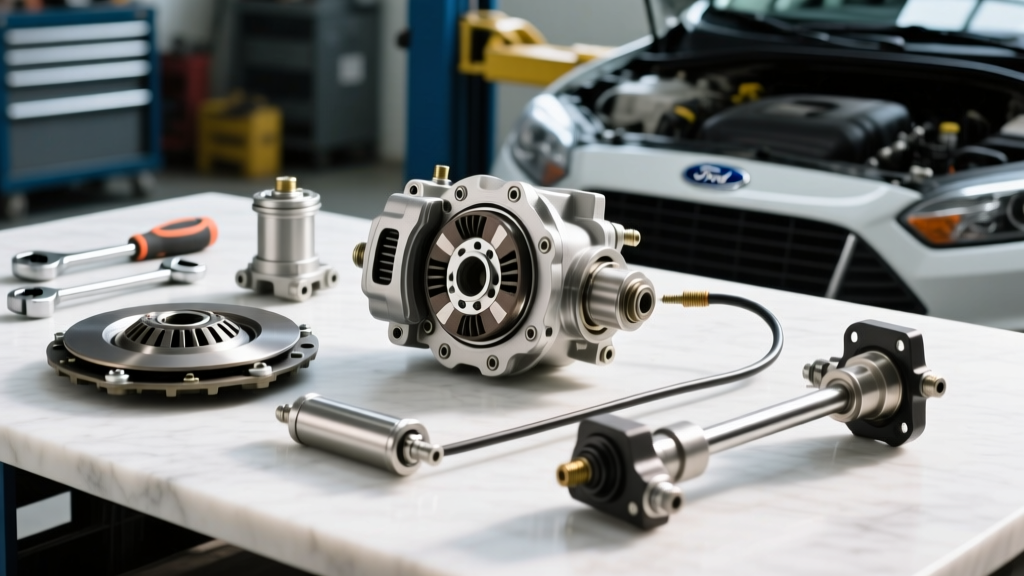
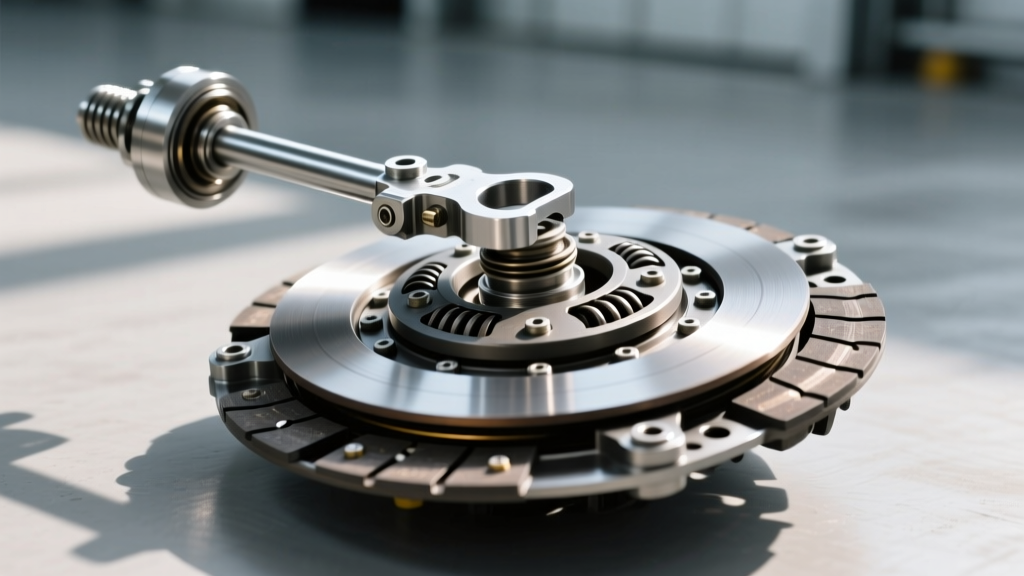
The clutch release fork—often simply called the throwout fork—is the critical mechanical lever that translates hydraulic or mechanical pedal force into the physical movement required to disengage your clutch. Whether you are driving a modern Ford Mustang with an MT82 manual transmission or a classic Chevy Camaro equipped with a Tremec T56 Magnum, the fork pivots on a ball stud or shaft, pressing the release bearing against the diaphragm spring fingers of the pressure plate. When this component begins to fail, the symptoms can easily be misdiagnosed as a bad throwout bearing, a warped flywheel, or a failing master cylinder. Misdiagnosis leads to unnecessary parts swapping and inflated repair bills. This step-by-step guide will walk you through isolating clutch failure by specific auditory, tactile, and visual symptoms, ultimately helping you determine if the clutch fork replacement cost is justified for your specific vehicle.
Step 1: Auditory Diagnostics (Isolating the Noise)
Unusual noises from the bellhousing area are the most common early indicators of clutch system degradation. However, you must differentiate between bearing noise, gear rattle, and fork contact noise.
The Pivot Ball Squeak and Tick
If you hear a rhythmic squeaking or ticking noise at idle that completely disappears when you depress the clutch pedal halfway, you are likely listening to a dry or worn pivot ball stud. As the fork pivots, the stamped steel or cast iron rubs against the hardened steel ball. Over time, the lubrication degrades. According to Tremec service documentation, excessive wear on the pivot ball will alter the geometry of the fork, leading to uneven pressure on the release bearing and premature bearing failure. If the noise changes pitch with engine RPM but remains present when the clutch is fully depressed, the issue is likely the input shaft bearing or the release bearing itself, not the fork pivot.
Scraping and Clunking on Engagement
A metallic scraping sound that correlates with vehicle movement (rather than engine RPM) often points to the fork pad wearing completely through. The fork pad is the contact point where the fork pushes the release bearing collar. If the pad wears down to the base metal, the fork will scrape against the bearing retainer sleeve. Furthermore, a distinct clunk when shifting into 1st or Reverse gear can indicate excessive clearance between the fork and the release bearing, often caused by a bent fork or a worn pivot ball pocket.
Step 2: Tactile Diagnostics (Pedal Feel and Vibration)
The way the clutch pedal feels under your foot provides a direct window into the mechanical health of the release fork and hydraulic system.
The Dead Pedal and Sudden Loss of Resistance
If your clutch pedal suddenly drops to the floor with zero resistance, your first instinct might be to check the hydraulic fluid. If the master cylinder reservoir is full and there are no visible leaks at the external slave cylinder or concentric slave cylinder (CSC), you are likely dealing with a fractured or snapped clutch fork. This is a known failure point in high-torque applications where the stock cast or stamped fork cannot handle the clamping force of an upgraded pressure plate. When the fork snaps, the hydraulic system remains intact, but the mechanical linkage to the pressure plate is severed.
Chatter and Asymmetric Engagement
Clutch chatter—a violent shuddering felt through the chassis when releasing the pedal in 1st gear—is frequently blamed on oil contamination or hot spots on the flywheel. However, a bent release fork will apply asymmetric force to the diaphragm spring fingers. This causes the pressure plate to clamp unevenly against the friction disc, resulting in a grab-release-grab cycle that manifests as severe chassis vibration. To verify this, compare the pedal resistance curve; a bent fork often creates a noticeable dead spot or uneven stiffness in the middle third of the pedal travel.
Step 3: Visual Inspection Without Dropping the Transmission
Before committing to the labor-intensive process of removing the transmission, perform a visual inspection to confirm fork degradation.
- Borescope Inspection: Remove the bellhousing inspection cover or the external slave cylinder. Insert an automotive borescope to visually inspect the fork pad. The OEM specification for a new GM T56 Magnum fork pad thickness is roughly 0.200 in. If your measurement is below 0.120 in., the fork must be replaced.
- Slave Cylinder Pushrod Travel: Have an assistant depress the clutch pedal while you observe the slave cylinder pushrod. The pushrod should extend smoothly and squarely against the fork pocket. If the pushrod is extending at an angle or slipping off the fork pad, the fork pivot ball is likely worn, allowing the fork to tilt laterally.
- Checking for Hydraulic Bypass: If the pedal feels spongy but the fork moves correctly, the issue is hydraulic (air in the lines or a bypassing master cylinder), not mechanical. Proper bleeding of a CSC requires specific vacuum or pressure bleeding procedures to force air out of the internal hydraulic circuit.
Step 4: Breaking Down the Clutch Fork Replacement Cost
Understanding the clutch fork replacement cost requires looking at both the part price and the labor intensity. Because the fork resides inside the bellhousing, the transmission must be removed to access it. Therefore, the labor cost is the primary driver of the final invoice. Below is a comparative cost matrix for popular manual transmission platforms based on current aftermarket and OEM pricing data sourced from RockAuto and dealer networks.
| Vehicle / Transmission | OEM / Performance Part Number | Part Cost (Approx.) | Labor Hours (Book) | Estimated Total Cost |
|---|---|---|---|---|
| Ford Mustang (MT82) | Ford Performance M-7515-A | $95 - $140 | 6.5 Hours | $750 - $950 |
| Chevy Camaro (T56 Magnum) | GM 24263142 (Fork & Pivot Kit) | $110 - $160 | 7.0 Hours | $850 - $1100 |
| Honda Civic (K-Series) | Honda 22830-PRB-000 | $45 - $70 | 5.5 Hours | $550 - $750 |
| Dodge Challenger (T56) | Mopar 05038555AC | $80 - $120 | 7.5 Hours | $900 - $1150 |
Note: Labor rates vary by region, typically ranging from $100 to $150 per hour. If the transmission is already out of the vehicle for a clutch disc replacement, the marginal labor cost to replace the fork is negligible.
Step 5: Executing the Repair and Torque Specifications
If your diagnosis confirms that the fork is worn, bent, or cracked, you must address the root cause during reassembly to prevent a repeat failure. Simply swapping the fork without inspecting the mating surfaces will result in rapid wear of the new component.
Upgrading to Forged or Billet Components
For vehicles producing over 450 lb-ft of torque, the stock stamped steel or cast aluminum forks are insufficient. Upgrading to a forged steel or CNC-machined billet aluminum fork from manufacturers like McLeod or Ford Performance is highly recommended. These heavy-duty forks resist flexing under high clamping loads, ensuring smooth engagement and extending the life of the release bearing.
Critical Torque Specs and Alignment
Proper installation requires strict adherence to torque specifications. When installing a new pivot ball stud, ensure the threads are clean and apply a medium-strength thread locker. For the GM T56 and Tremec TR-6060 family, the pivot ball stud must be torqued to exactly 25 lb-ft. Over-torquing can strip the aluminum bellhousing threads, while under-torquing will allow the stud to back out, causing catastrophic clutch disengagement failure. Furthermore, when reinstalling the transmission, the bellhousing-to-engine block bolts must be torqued to the manufacturer specification (e.g., 37 lb-ft for the Ford MT82) in a star pattern to prevent bellhousing misalignment, which places severe lateral stress on the fork and input shaft bearing.
Final Diagnostic Verdict
Diagnosing clutch issues by symptom requires a methodical approach to separate hydraulic faults from mechanical wear. By listening for pivot squeaks, feeling for asymmetric pedal resistance, and measuring fork pad clearance, you can accurately pinpoint release fork failure. While the clutch fork replacement cost is heavily weighted toward labor due to transmission removal, catching a worn fork before it destroys the release bearing retainer or pressure plate fingers will save you from replacing the entire clutch assembly. Always pair a new fork with a new pivot ball and release bearing to restore factory pedal feel and ensure long-term drivetrain reliability.