Understanding Clutch Drag in Wet Multi-Plate Systems
Clutch drag—defined as the transmission's failure to fully disengage despite the lever being fully pulled—is one of the most frustrating drivetrain issues a rider or technician can face. Symptoms include clunky downshifts, an inability to find neutral at a stop, and a creeping motorcycle or UTV even when the lever is pinned to the grip. While warped steel plates or worn actuation components are common culprits, the root cause frequently traces back to fluid chemistry. Specifically, the misuse of standard automotive motor oils instead of a dedicated 10W40 wet clutch oil can wreak havoc on release characteristics.
As of 2026, modern automotive oils formulated to API SP and ILSAC GF-6A standards contain advanced molybdenum-based friction modifiers designed to maximize fuel economy in dry-clutch and torque-converter vehicles. When introduced to a wet multi-plate clutch, these modifiers cause severe 'stiction' (static friction exceeding kinetic friction). The friction plates essentially glue themselves to the steel separators when cold, resulting in massive clutch drag. This step-by-step diagnostic guide will walk you through resolving clutch drag and release problems, from fluid verification to micrometer-level clutch pack measurements.
Phase 1: Actuation and Free-Play Diagnostics
Before draining a single drop of fluid or splitting the engine cases, you must verify that the mechanical or hydraulic release system is providing adequate travel. A misadjusted cable or a worn hydraulic master cylinder can mimic the symptoms of a warped clutch pack.
Step 1: Measure Lever Free-Play
Consult your factory service manual, but standard industry specifications for cable-actuated wet clutches dictate 10mm to 15mm (0.4 to 0.6 inches) of free-play measured at the tip of the clutch lever. If free-play is zero, the release bearing is constantly applying pressure to the pressure plate, causing slip. Conversely, if free-play exceeds 20mm, the actuation arm cannot pull the pressure plate far enough away from the friction stack to break the oil's surface tension, resulting in drag.
Step 2: Hydraulic System Bleed and Pushrod Inspection
For hydraulic systems (using DOT 4 or DOT 5.1 fluid), spongy levers indicate air in the line, which reduces total stroke volume. Perform a reverse-bleed using a syringe kit to force air upward into the master cylinder reservoir. Furthermore, inspect the master cylinder pushrod. There must be a minimum of 0.5mm to 1.0mm of clearance between the pushrod and the master cylinder piston when the lever is at rest. Without this gap, the fluid return port remains blocked, trapping hydraulic pressure and causing chronic clutch drag.
Phase 2: Fluid Chemistry and the 10W-40 Factor
If your actuation system is perfectly adjusted but the bike still creeps forward in gear with the lever pulled, your oil is the prime suspect. According to the Japan Automobile Standards Organization (JASO), wet clutch systems require fluids that meet the JASO T 903 MA or MA2 specifications. These standards guarantee a high dynamic friction coefficient and explicitly ban the friction modifiers found in standard automotive oils.
Step 3: Drain, Inspect, and Flush
- Warm the engine to operating temperature (approx. 160°F / 71°C) to suspend contaminants.
- Drain the shared sump completely. Inspect the drain plug magnet. Fine, copper-colored dust is normal friction material wear; large, jagged steel shards indicate catastrophic steel plate galling.
- Refill with a high-shear-stability, JASO MA2-certified 10W40 wet clutch oil (e.g., Motul 7100 or Castrol Power1 Racing 4T). Avoid flushing with harsh chemical solvents, as these can degrade the rubber compounds in the clutch damper hub.
Expert Note: If switching from an unknown automotive oil to a proper JASO MA2 10W40 wet clutch oil, it may take 200-300 miles of riding for the new oil's detergent package to clean the friction modifiers off the celluloid or Kevlar friction surfaces.
Phase 3: Teardown and Micrometer Measurements
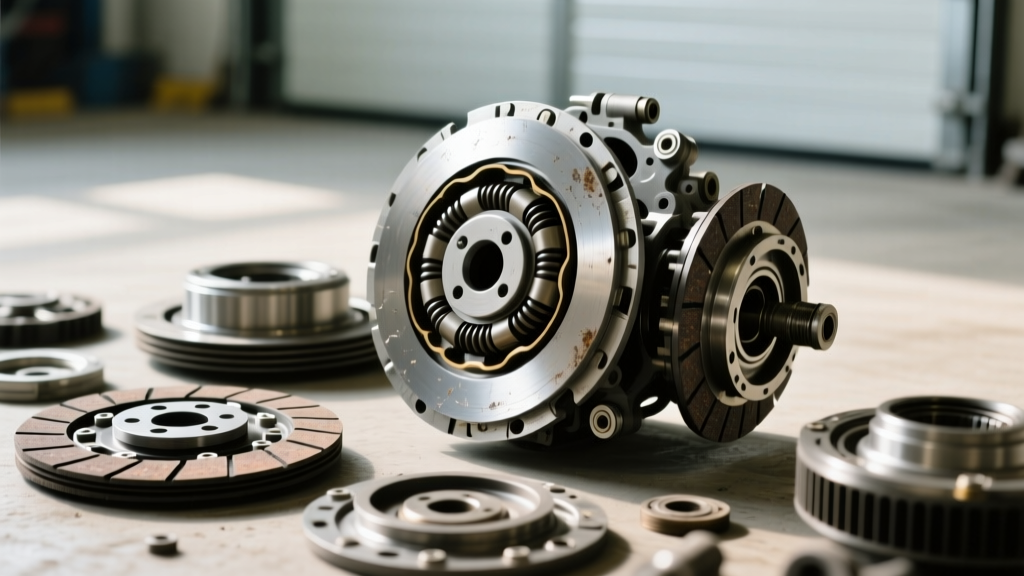
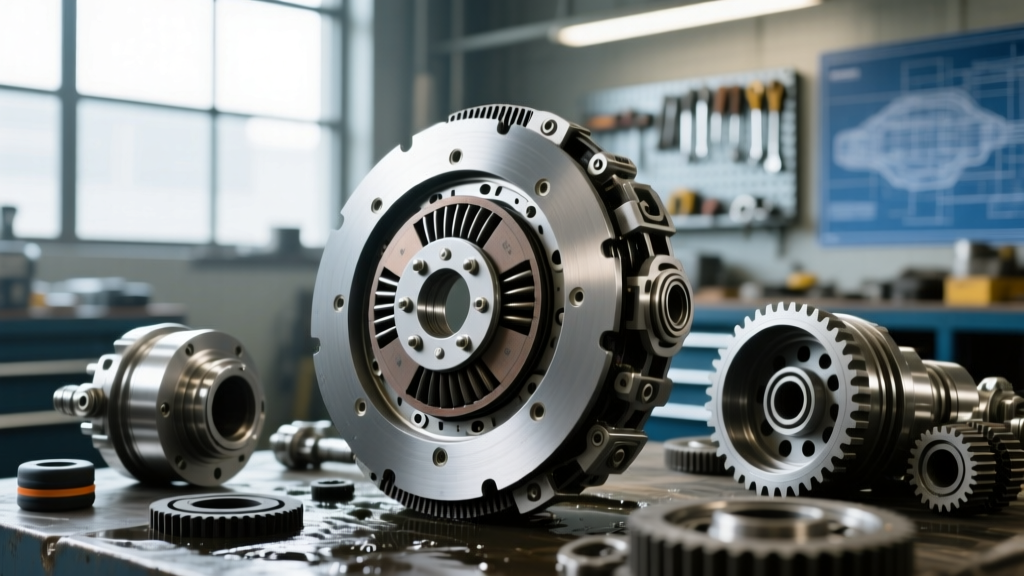
If fresh JASO MA2 fluid and proper actuation adjustments fail to cure the drag, the clutch pack must be physically inspected. Remove the right-side clutch cover, compress the clutch springs, and extract the pressure plate, friction discs, and steel separators.
Step 4: Measure Friction and Steel Plate Tolerances
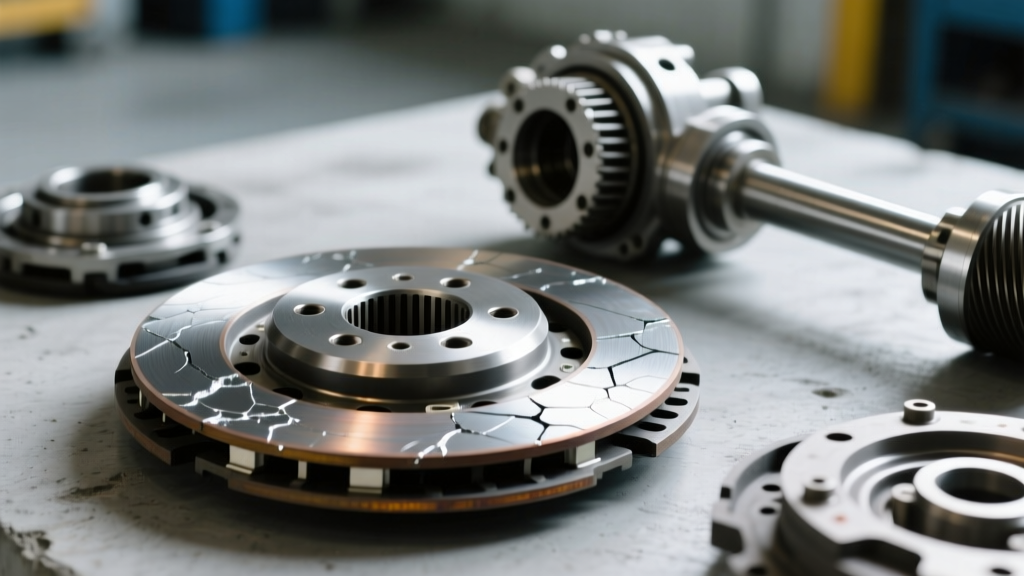
Using a calibrated micrometer and a machinist's straight edge, measure the friction material thickness and steel plate warpage. Clutch drag is often caused by steel plates that have warped due to aggressive slipping, preventing the stack from separating cleanly when the pressure plate lifts.
| Measurement Parameter | Standard (New) Spec | Service Limit (Replace) | Tool Required |
|---|---|---|---|
| Friction Plate Thickness | 3.00 mm (0.118 in) | < 2.60 mm (0.102 in) | Outside Micrometer |
| Steel Plate Warpage | 0.00 mm (Flat) | > 0.10 mm (0.004 in) | Feeler Gauge & Straight Edge |
| Clutch Spring Free Length | 45.0 mm (1.77 in) | < 42.5 mm (1.67 in) | Dial Calipers |
| Total Pack Stack Height | Varies by Model (e.g., 38.5mm) | Below Manual Minimum | Calipers |
Source reference for general wet-clutch tolerances: RevZilla Motorcycle Clutch Maintenance Guide.
Phase 4: Basket Notch Inspection and Spring Tension
Even if your plates are within spec, the clutch basket (the aluminum inner hub and outer drum) can cause severe release issues. Over time, the tangs of the steel plates hammer into the soft aluminum fingers of the outer basket, creating deep notches.
Step 5: The 'Hang-Up' Test
Slide the friction and steel plates back onto the outer basket splines by hand. Tilt the basket vertically. The plates should slide down the splines freely under their own weight. If they hang up or require a tap to dislodge, the basket is notched. When the rider pulls the clutch lever, the pressure plate releases, but the notched plates remain wedged together, causing massive drag. Minor notches can be carefully filed flat with a flat-file and machinist's dye, but deep gouges require a complete basket replacement or an aftermarket billet aluminum upgrade (e.g., Hinson or Wiseco).
Step 6: Verify Spring Tension
Weak clutch springs won't cause drag directly, but they cause slip, which leads to the extreme heat that warps steel plates (the actual cause of the drag). Measure the free length of every coil spring. If any spring is more than 1-2mm shorter than the others, replace the entire set to ensure even pressure plate lift.
Phase 5: Reassembly Protocol and Torque Specifications
Proper reassembly is critical to preventing future release issues and ensuring the new 10W40 wet clutch oil performs as engineered.
- Pre-Soak the Friction Plates: Submerge all new or inspected friction plates in a pan of your chosen JASO MA2 10W40 wet clutch oil for a minimum of 60 minutes before installation. Installing dry plates will cause immediate glazing and localized hot spots upon first startup.
- Alternate the Stack: Ensure the stack begins and ends with a friction plate (or follow the specific OEM offset stack design if equipped with a judder spring).
- Torque the Spring Bolts: Apply a medium-strength threadlocker (e.g., Loctite 243) to the clutch spring bolts. Torque them in a crisscross pattern to 8 to 10 Nm (6 to 7.5 lb-ft). Over-torquing these small 6mm bolts will strip the aluminum pressure plate or stretch the bolt, leading to uneven clamping force.
- Torque the Center Hub Nut: Use a clutch holding tool and a torque wrench to secure the inner hub nut. Standard specification for most 600cc-1000cc platforms is 70 to 80 Nm (51 to 59 lb-ft). Always use a new lock washer or peen the collar as dictated by the factory manual.
Repair Cost and Component Breakdown (2026 Estimates)
| Component / Service | Estimated Cost (USD) | Notes |
|---|---|---|
| JASO MA2 10W40 Wet Clutch Oil (4 Quarts) | $65 - $85 | Full synthetic ester-based recommended |
| OEM Friction & Steel Plate Kit | $180 - $320 | Aftermarket Kevlar kits (EBC SRC) ~$160 |
| Heavy Duty Clutch Springs | $25 - $40 | 10-15% stiffer than OEM for high-torque apps |
| Clutch Basket / Hub Assembly | $250 - $600 | Only if splines are deeply notched |
| Specialty Tools (Holding tool, Micrometer) | $45 - $120 | One-time purchase for home mechanics |
Conclusion: Maintaining Release Integrity
Clutch drag is rarely a spontaneous failure; it is the cumulative result of improper fluid chemistry, neglected actuation adjustments, or deferred mechanical maintenance. By strictly adhering to JASO MA2 fluid specifications and utilizing a high-quality 10W40 wet clutch oil, you eliminate the stiction that causes cold-weather drag. Combine this with rigorous micrometer measurements and precise torque specifications during reassembly, and your wet multi-plate clutch will deliver crisp, predictable disengagement and seamless power delivery for tens of thousands of miles. For further reading on API and JASO fluid classifications, consult the American Petroleum Institute's Engine Oil Dashboard to verify the chemical makeup of your preferred lubricants.