The Hidden Variable in Drivetrain Preventive Maintenance
When your manual transmission begins to slip, chatter on engagement, or exhibit pedal pulsation, the immediate next step for most drivers is calling a local shop for a clutch replacement quote. However, a significant source of sticker shock occurs when the service advisor calls back with an estimate that is hundreds of dollars higher than the baseline internet forums suggested. More often than not, the culprit is the flywheel.
From a preventive maintenance perspective, treating a clutch job as a simple friction-disc swap is a recipe for catastrophic drivetrain failure. The flywheel is the critical interface between the engine's rotational mass and the transmission's input shaft. Ignoring its condition, or failing to understand the engineering differences between Single-Mass (SMFW) and Dual-Mass (DMFW) designs, will inevitably lead to premature clutch wear, input shaft bearing destruction, and a wasted labor investment. In this guide, we will dissect how flywheel servicing dictates the final cost of your repair and outline the exact specifications you need to ensure the job is done right the first time.
The Engineering Reality: SMFW vs. DMFW Parameters
To understand your estimate, you must first identify which flywheel architecture your vehicle utilizes. The maintenance protocols and replacement costs for these two systems are vastly different.
Single-Mass Flywheel (SMFW) Diagnostics
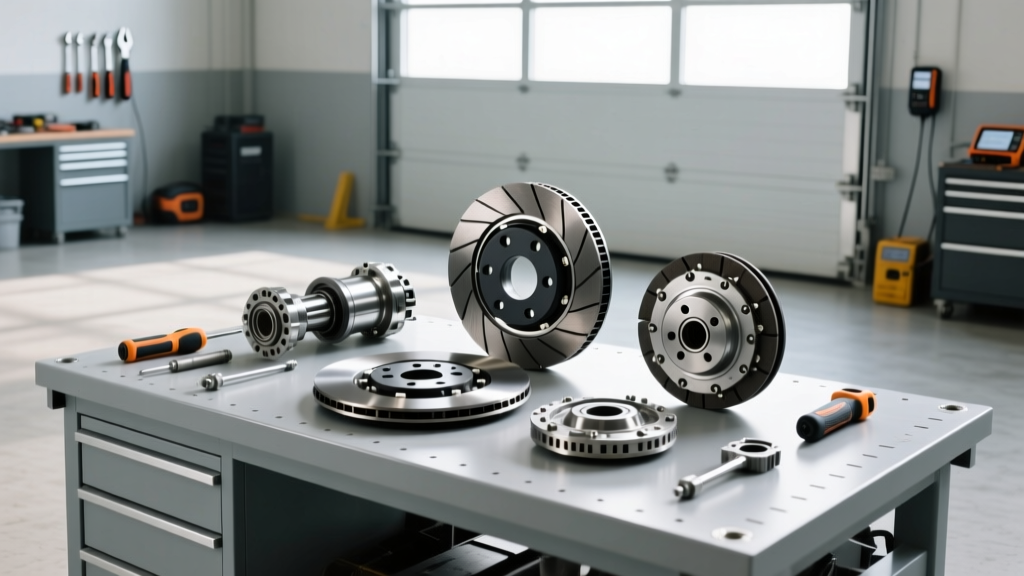
Commonly found in older vehicles, lightweight sports cars, and heavy-duty commercial trucks (like the Tremec T56 or G56 equipped models), the SMFW is a solid piece of cast iron or steel. During a preventive teardown, a machinist must measure the flywheel for heat checking, hard spots, and lateral runout.
- Runout Limit: Maximum allowable lateral runout is typically 0.005 inches (0.127 mm). Anything exceeding this will cause clutch pedal pulsation and uneven friction material wear.
- Resurfacing vs. Replacement: If the SMFW has sufficient material thickness above the manufacturer's minimum discard spec (often stamped on the bellhousing side), it can be resurfaced on a rotary grinder for $75 to $150. If hard spots (martensite formations) are present, resurfacing will only expose more brittle metal; complete replacement is mandatory.
Dual-Mass Flywheel (DMFW) Preventive Replacement
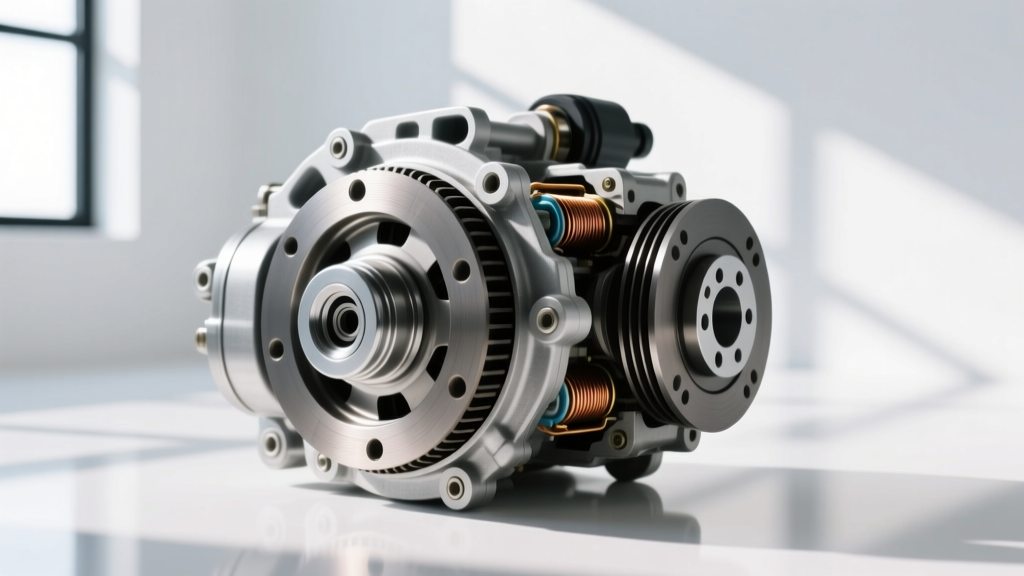
Introduced to dampen torsional vibrations in high-torque diesel and modern turbocharged gasoline engines, the DMFW contains internal springs and friction rings. Vehicles like the Ford 6.7L Powerstroke (ZF S6-750 transmission) or the Porsche 997 rely heavily on DMFWs to protect the transmission input shaft from harmonic shock.
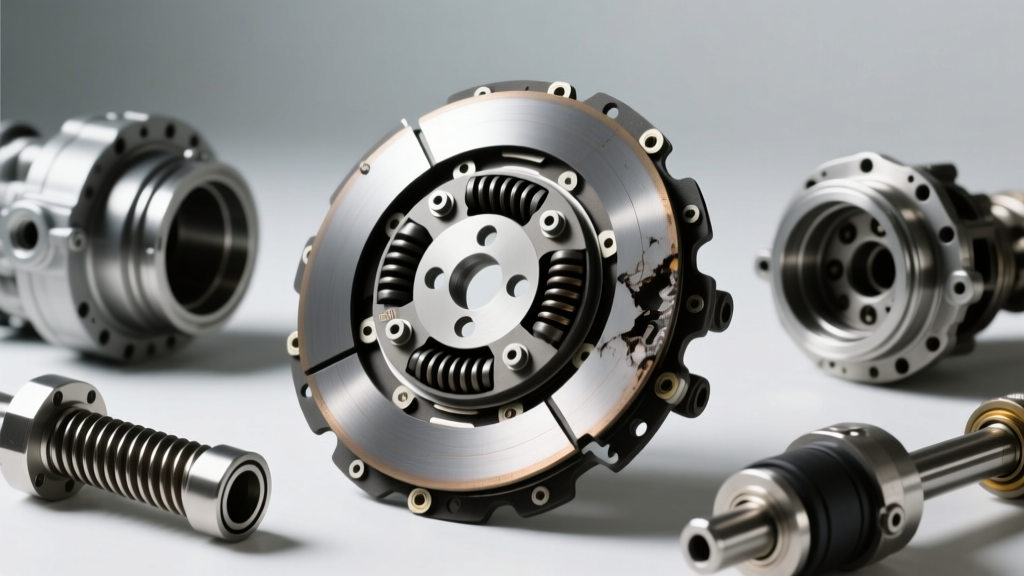
Expert Rule of Thumb: A Dual-Mass Flywheel cannot be safely resurfaced. The heat from grinding alters the internal grease viscosity and compromises the dynamic balancing of the two mass halves. According to Schaeffler's REPXPERT portal, if a DMFW exhibits more than 25 degrees of free-play rotational backlash or shows visible blueing from heat, it must be replaced as a complete assembly alongside the clutch kit.
Dissecting the Clutch Replacement Quote: Cost Breakdown
When reviewing your clutch replacement quote, the line items should clearly separate the friction components from the flywheel assembly. Below is a 2026 market-average cost breakdown for common manual transmission preventive maintenance scenarios.
| Component / Service | Action Required | Average Parts Cost | Labor Impact |
|---|---|---|---|
| SMFW Resurfacing | Machine shop service (out-sourced) | $75 - $150 | None (done while trans is out) |
| SMFW Replacement (OEM) | Required if below min-thickness or cracked | $250 - $600 | None |
| DMFW Replacement (e.g., LuK 415022110) | Mandatory preventive swap on high-torque diesels | $850 - $1,600 | None |
| Clutch Kit (Disc, PP, Release Bearing) | Standard friction replacement | $250 - $700 | Base R&R Labor (4-8 hours) |
| Rear Main Seal (RMS) | Preventive swap while engine is separated | $25 - $80 | Adds ~15 mins to job |
Note: If your quote includes a DMFW replacement for a light-duty commuter car, verify the part number. Many modern manufacturers (like Honda and Mazda) have transitioned back to SMFWs paired with torsional-dampening clutch discs to reduce warranty costs.
Preventive Maintenance: Torque Specs and Assembly Protocols
A proper clutch replacement quote should implicitly cover the expertise required to assemble the drivetrain correctly. Reusing hardware or guessing torque specifications leads to flywheel detachment or pressure plate warping. As an automotive transmission specialist, I mandate the following protocols for any shop working on my vehicles:
1. Flywheel-to-Crankshaft Fasteners
Most modern flywheel bolts are Torque-to-Yield (TTY) and must be discarded after a single use. Stretching occurs past the elastic limit of the bolt metallurgy.
- GM LS-Series (e.g., T56 Manual): Flywheel bolts require a preliminary torque of 18 lb-ft (25 Nm), followed by an angle gauge turn of 50 degrees. (Part Ref: GM 12554816).
- Ford 6.7L Powerstroke: The massive DMFW requires new bolts torqued to 59 lb-ft, plus an additional 90-degree turn.
2. Pressure Plate Torque Sequence
The pressure plate must be drawn down evenly to prevent warping the diaphragm spring fingers, which causes uneven release bearing wear. Torque specs generally range from 11 lb-ft to 25 lb-ft depending on the pressure plate size, applied in a strict star-pattern sequence. Refer to Modern Driveline's technical resources for specific diaphragm spring load data.
3. The Pilot Bearing / Bushing Oversight
Often omitted from basic quotes, the pilot bearing centers the transmission input shaft. A seized pilot bearing will prevent clutch disengagement, effectively burning up your new friction disc within 500 miles. A preventive quote must include a $15-$30 pilot bearing and the labor to extract the old one using a hydraulic puller or the traditional bread-and-dowel method.
Red Flags When Reviewing Shop Estimates
Before authorizing the work, scrutinize your clutch replacement quote for these critical omissions. If these items are missing, the shop is likely cutting corners on preventive maintenance:
- No Mention of Flywheel Machining or Replacement: If the shop claims they will "just clean it with sandpaper," walk away. Flywheels require precision rotary grinding to ensure a flat mating surface for the new friction disc.
- Missing Concentric Slave Cylinder (CSC): On modern hydraulic setups (like the GM LS or Nissan 370Z), the throwout bearing and hydraulic slave cylinder are a single, sealed unit. Reusing an old CSC with a new clutch is a guaranteed failure point, as the old cylinder's internal seals will weep fluid onto your brand-new friction material.
- Ignoring the Rear Main Seal: With the transmission removed, the engine's rear main seal is fully exposed. Replacing a $30 seal now prevents a future $1,200 labor bill if it begins weeping oil onto the clutch disc 20,000 miles down the road.
Conclusion: Investing in Drivetrain Longevity
A comprehensive clutch job is an exercise in holistic drivetrain preservation. While a quote that includes a new Dual-Mass Flywheel, a Concentric Slave Cylinder, and a Rear Main Seal may seem steep compared to a "pad-slap" friction disc swap, it is the only true preventive maintenance approach. By understanding the engineering limits of your flywheel and demanding precise torque specifications, you ensure that your manual transmission operates smoothly for the next 100,000 miles. For further reading on manual transmission diagnostics and clutch system failures, consult the technical archives at AA1Car.