The Core Question: How Does a Dual Clutch Work?
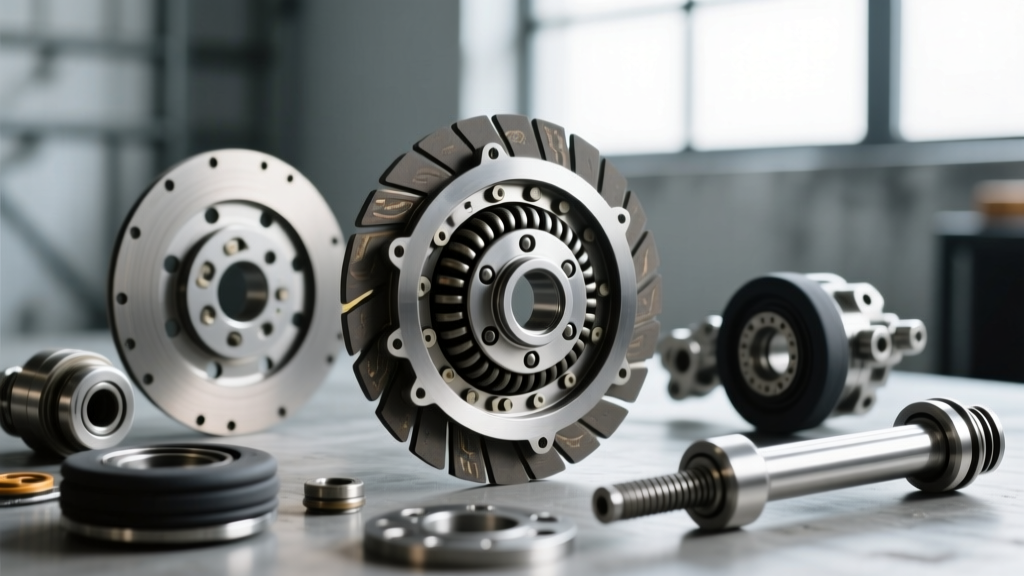
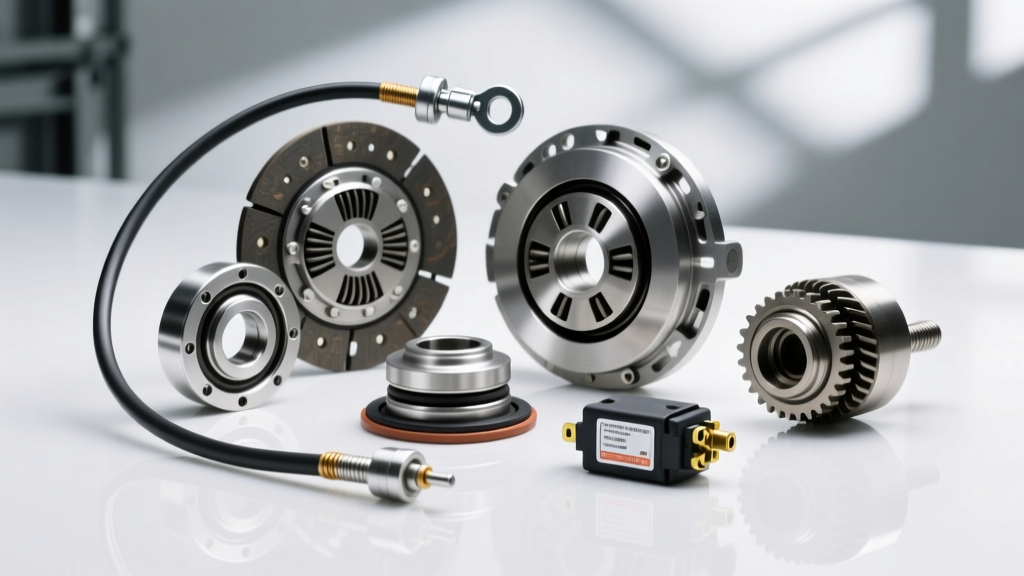
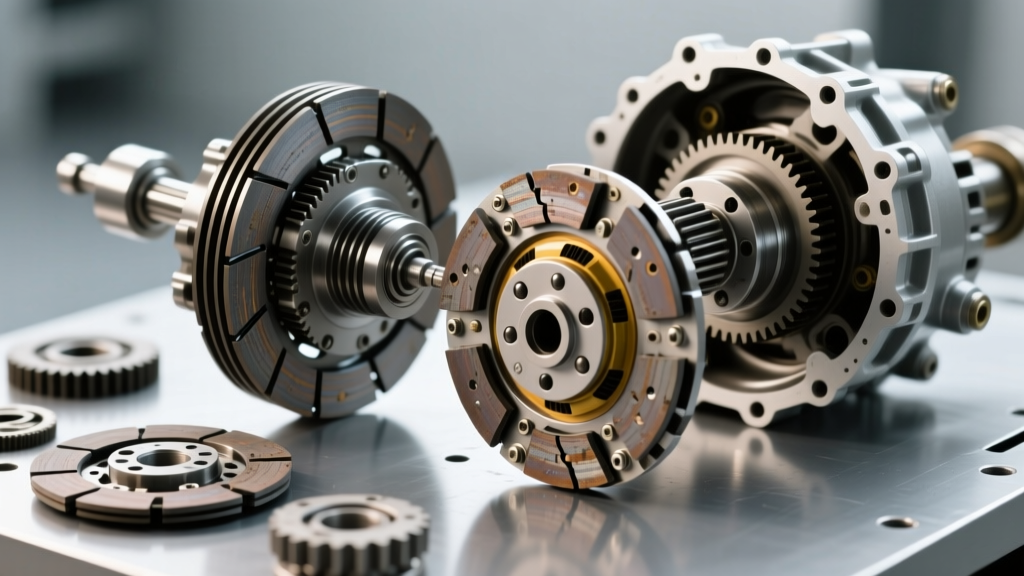
To accurately diagnose transmission faults, a technician must first answer a fundamental engineering question: how does a dual clutch work? Unlike a traditional manual transmission or a torque-converter automatic, a Dual Clutch Transmission (DCT) utilizes two separate input shafts and two friction clutches housed within a single bell housing. One clutch manages the odd gears (1, 3, 5, 7), while the other handles the even gears (2, 4, 6, Reverse). The mechatronic unit—a sophisticated combination of electronics and hydraulic valves—pre-selects the next anticipated gear. When shifting, one clutch opens while the other closes simultaneously, resulting in seamless, uninterrupted power transfer.
However, this high-speed mechanical ballet generates immense thermal and frictional stress. Whether you are working on a VW DSG (DQ250 wet or DQ200 dry), a Porsche PDK (ZF 7DT45), or a Ford PowerShift (6DCT250), the pre-load on the clutch packs and the complexity of the dual-mass flywheel (DMF) make DCTs highly susceptible to specific acoustic failure signatures. According to ZF Group's DCT Engineering Portal, the acoustic signature of a DCT is often the earliest indicator of mechatronic degradation or friction material failure, long before a diagnostic trouble code (DTC) is thrown.
The Acoustic Signatures of DCT Failure
Diagnosing clutch noise in a dual-clutch system requires isolating the sound based on RPM dependency, load state, and thermal conditions. A DCT does not have a traditional hydraulic throw-out bearing; instead, it relies on electrically or hydraulically actuated release levers and concentric slave cylinders. When these components wear, or when the DMF's internal damping springs fatigue, the resulting noises are distinct. Below is an expert breakdown of the three most common DCT noise profiles and how to diagnose them.
1. High-Frequency Squealing and Chirping
A high-pitched squeal or chirp that changes with engine RPM—often heard at idle or during low-speed clutch engagement—is typically traced to the clutch release bearing or the pilot bearing. In dry DCTs like the Ford DPS6 or the VW DQ200, the electric actuation motors and dry friction plates can generate high-frequency squealing when the clutch packs experience micro-slip. This micro-slip is often caused by contaminated friction surfaces (from clutch dust accumulation in the bell housing) or failing actuator forks that cannot maintain consistent clamping force.
Expert Diagnostic Tip: Depress the clutch pedal (if equipped with a manual override mode) or use a bi-directional scan tool to command the clutch actuators to the 'kiss point' (the exact point of friction engagement). If the chirping intensifies precisely at the kiss point, the release bearing or the clutch pack friction material is glazed or worn. For wet DCTs like the DQ250, ensure the DCT fluid (G 052 182 A2) has been flushed. Degraded fluid loses its friction-modifier properties, leading to clutch pack chatter that mimics a bearing squeal.
2. Metallic Grinding During Gear Selection
Grinding is the most alarming noise in a DCT and usually indicates synchro wear, clutch drag, or severe mechatronic pressure faults. In a properly functioning DCT, the mechatronic unit modulates hydraulic pressure to fully disengage the outgoing clutch before the synchros force the next gear into engagement. If the hydraulic pressure drops—a common issue in early Porsche PDK units due to failing plastic accumulator caps in the valve body—the clutch does not fully disengage. The transmission attempts to force the gear while the input shaft is still spinning, causing a brutal metallic grind.
Expert Diagnostic Tip: Connect a Ross-Tech VCDS or OEM equivalent (like ODIS) and access the Measuring Value Blocks (MVB). For VW/Audi DSGs, check MVB 058 (Clutch 1 adaptation) and MVB 059 (Clutch 2 adaptation). If the adaptation limits exceed 135, or if the hydraulic pressure sensors show a variance of more than 2.5 bar from the specified target during a shift event, the mechatronic unit is failing to provide adequate clamping pressure, resulting in clutch drag and subsequent gear grinding.
3. Low-Frequency Chatter and Rattling at Idle
A low-frequency clatter or rattling noise at idle that disappears when the clutch is fully depressed or when RPMs rise above 1,200 is the hallmark of Dual Mass Flywheel (DMF) failure. The DMF is designed to dampen the severe torsional vibrations inherent in modern turbocharged and diesel engines. Inside the DMF, arc springs and grease absorb these shocks. Over time, the springs fatigue, the internal end-stops wear out, and the grease dries up or leaks into the bell housing.
Expert Diagnostic Tip: Perform a physical DMF end-play test. With the transmission in neutral and the engine off, use a pry bar to gently rotate the flywheel's friction surface back and forth. A healthy LuK or Sachs DMF should have roughly 15 to 20 degrees of rotational free-play with a smooth, damped resistance. If you hear a metallic 'clack' against a hard stop, or if the free-play exceeds 25 degrees, the internal arc springs have failed. For a VW EA888 Gen 3 engine, replacing the DMF (Part # 415 0142 09) requires strict adherence to torque specs: the DMF-to-crankshaft bolts must be torqued to 60 Nm plus an additional 90-degree turn.
Diagnostic Matrix: DCT Noise vs. Component Failure
Use the following matrix to cross-reference the acoustic signature with the operating condition to pinpoint the exact DCT component requiring service.
| Acoustic Signature | Operating Condition | Probable DCT Component | Verification Method |
|---|---|---|---|
| High-Pitched Chirping | Idle / Kiss-Point Engagement | Release Bearing / Actuator Fork | Command kiss-point via scan tool; listen for pitch change. |
| Metallic Grinding | Under load / During upshifts | Mechatronic Valve Body / Synchros | Check MVB adaptation limits and hydraulic pressure logs. |
| Low-Frequency Rattle | Idle in Neutral (Clutch engaged) | Dual Mass Flywheel (DMF) | Physical end-play test; check for grease in bell housing. |
| High-Frequency Whine | Proportional to Vehicle Speed | Differential Bearings / Gear Set | Coast-down test; isolate from engine RPM dependency. |
Expert Troubleshooting Workflow and Best Practices
When diagnosing DCT noise, guessing leads to catastrophic financial mistakes. A mechatronic unit can cost upwards of $3,000, while a simple DMF replacement is significantly cheaper. Follow this systematic workflow:
- Thermal Baseline Test: DCT friction materials behave differently when cold versus hot. Perform your test drive until the DCT fluid temperature reaches 80°C - 90°C (monitor via scan tool). Many micro-slip squeals only manifest at operating temperature when the fluid thins out.
- Hydraulic Accumulator Check: On ZF-designed DCTs, inspect the external hydraulic accumulator caps. Hairline cracks in these plastic caps lead to micro-leaks, causing pressure drops that result in clutch drag and gear grinding.
- Clutch Pack Clearance Measurement: If the transmission is removed, do not blindly install a new clutch kit. Use a dial indicator to measure the clutch pack clearance against the OEM specification (typically between 1.5mm and 2.2mm depending on the model). If the clearance is out of spec, the mechatronic unit will over-stroke the clutch pistons, leading to premature failure and immediate chirping noises upon reassembly.
Pro-Tip for 2026: Never reuse DCT fluid. Modern 7-speed and 8-speed wet DCTs require highly specific friction modifiers. Using generic ATF or failing to perform the exact OEM adaptation reset procedure after a fluid change will cause the clutches to chatter violently. Always perform the 'Clutch Adaptation' or 'Basic Settings' routine via your scan tool after any mechanical or hydraulic service.
Cost Expectations and Replacement Realities
As of 2026, the cost to rectify DCT noise issues varies wildly based on the root cause and the vehicle platform. Below is a realistic pricing guide for professional repair:
- Dual Mass Flywheel (DMF) & Clutch Kit: $1,200 to $1,800. (Includes Sachs/LuK OE parts and 4.5L of DCT fluid. Labor is roughly 4-6 hours).
- Mechatronic Unit Replacement: $2,500 to $4,200. (Requires specialized programming and online immobilizer/parameter coding via OEM servers).
- Dry Clutch Actuator Motors (Ford DPS6): $600 to $900. (Often the culprit behind chirping and erratic engagement in Focus/Fiesta models).
Understanding how a dual clutch works is only the first step. Mastering the acoustic diagnostics of grinding, squealing, and chirping separates the parts-changers from the true drivetrain experts. For deeper engineering insights into clutch pack metallurgy and hydraulic modulation, refer to the latest SAE International Technical Papers on dual-clutch tribology and thermal management.