The Diagnostic Trap: Drivetrain Cable vs. HVAC Parasitic Load
When a driver complains of violent clutch chatter, a stiff pedal, or erratic engagement at idle, the immediate assumption is a failing mechanical drivetrain component. However, as of 2026, senior transmission diagnosticians know that cross-system electrical faults can perfectly mimic mechanical clutch failure. Specifically, a shorted compressor clutch relay can create severe parasitic engine drag that feels identical to a misadjusted clutch cable, a warped flywheel, or failing engine mounts.
In this cost analysis and diagnostic breakdown, we untangle the mechanical realities of clutch cable adjustment from the electrical gremlins of A/C compressor relays. We will focus on classic manual platforms that still rely on mechanical linkages—such as the 1994-2004 Ford Mustang (Tremec T5/BorgWarner T45) and 1987-1995 Jeep Wrangler YJ (Aisin AX15)—to provide exact part numbers, torque specifications, and 2026 labor pricing. According to RepairPal, the average national shop rate in 2026 hovers between $145 and $185 per hour, making accurate first-time diagnostics more critical than ever to avoid unnecessary transmission removals.
Mechanical Drivetrain Load: Clutch Cable Problems & Costs
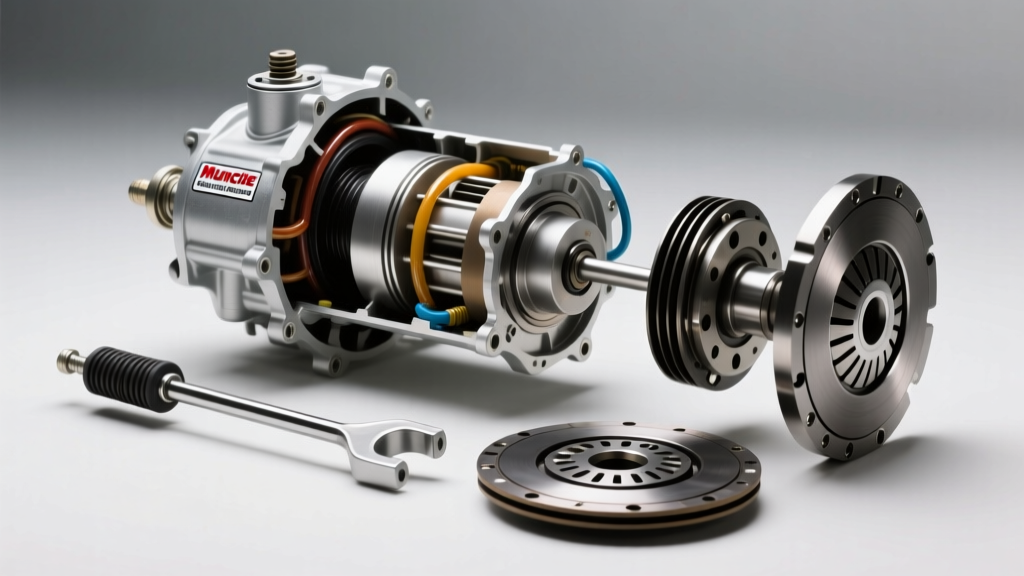
Vehicles utilizing a mechanical clutch cable are highly susceptible to stretching, fraying, and binding. The factory plastic self-adjusting quadrants found under the dash of SN95 Mustangs are notorious for breaking, leading to a sudden loss of pedal tension and incomplete clutch disengagement. When the cable binds or stretches, the throwout bearing cannot fully retract, or the pressure plate fails to clamp evenly, resulting in aggressive clutch chatter during first-gear engagement.
Common Symptoms of a Failing Clutch Cable
- Stiff Pedal Effort: Often caused by fraying inner steel wires binding inside the rubber sheath.
- Incomplete Disengagement: Grinding when shifting into reverse; indicates the cable is stretched or the firewall adjuster has slipped.
- Clutch Chatter at Idle: The cable is too tight, keeping the throwout bearing pre-loaded and preventing the pressure plate from fully seating against the flywheel.
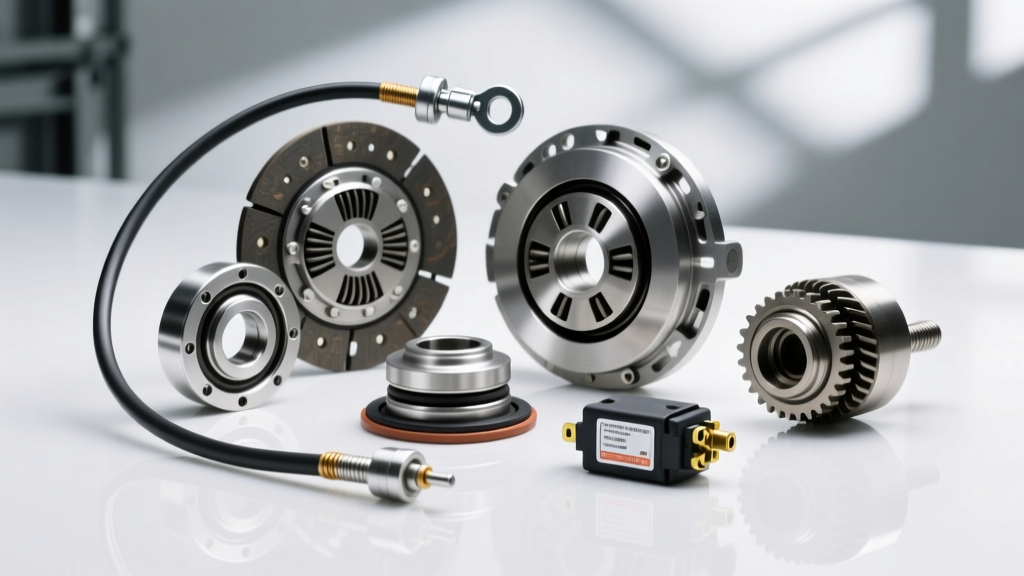
To resolve this, enthusiasts and shops typically bypass the factory plastic quadrant and install a manual firewall adjuster. Sourcing parts from RockAuto or direct from Ford Performance reveals that a heavy-duty replacement cable (e.g., Dorman 720-180) costs around $42.00, while a billet aluminum firewall adjuster kit (Ford Performance M-7553-B) retails for approximately $45.00. Replacing the cable and installing the adjuster typically requires 1.5 hours of labor, bringing the total mechanical repair cost to roughly $260 to $325 in 2026.
The Parasitic Drag Curveball: Compressor Clutch Relay Diagnostics
Here is where the diagnostic trap springs. If the mechanical clutch cable is properly adjusted, the pressure plate is healthy, and the flywheel is resurfaced, why is the car still chattering violently when releasing the pedal at a stoplight? The culprit is often the A/C compressor clutch relay.
If the internal coil of the compressor clutch relay shorts or the contacts weld shut, the A/C compressor engages constantly or cycles erratically at idle. An engaged A/C compressor draws between 3 to 5 horsepower of parasitic load from the crankshaft. On older manual vehicles with low idle RPMs (typically 650-750 RPM), this sudden electrical and mechanical drag causes the engine to bog down precisely as the driver releases the clutch pedal. The resulting RPM drop falls below the engagement threshold, causing the friction disc to grab and release rapidly—creating a violent chatter that transmits through the chassis.
Owners frequently misdiagnose this as a bad clutch cable, worn engine mounts, or a contaminated friction disc, leading to $1,500+ transmission drops. In reality, the fix requires a simple $18.50 Motorcraft SW-6168 or Standard Motor Products RY-115 relay swap that takes less than five minutes in the under-hood Battery Junction Box (BJB).
2026 Cost & Diagnostic Matrix
| Component / Fault | Root Cause | OEM / Aftermarket Part # | Part Cost (2026) | Avg. Labor Cost |
|---|---|---|---|---|
| Clutch Cable Assembly | Fraying, stretching, binding | Dorman 720-180 | $42.00 | $145 - $185 (1 hr) |
| Firewall Adjuster Kit | Factory plastic quadrant failure | Ford Perf. M-7553-B | $45.00 | $75 - $95 (0.5 hr) |
| Compressor Clutch Relay | Internal coil short / stuck closed | Motorcraft SW-6168 | $18.50 | $0 (DIY Swap) |
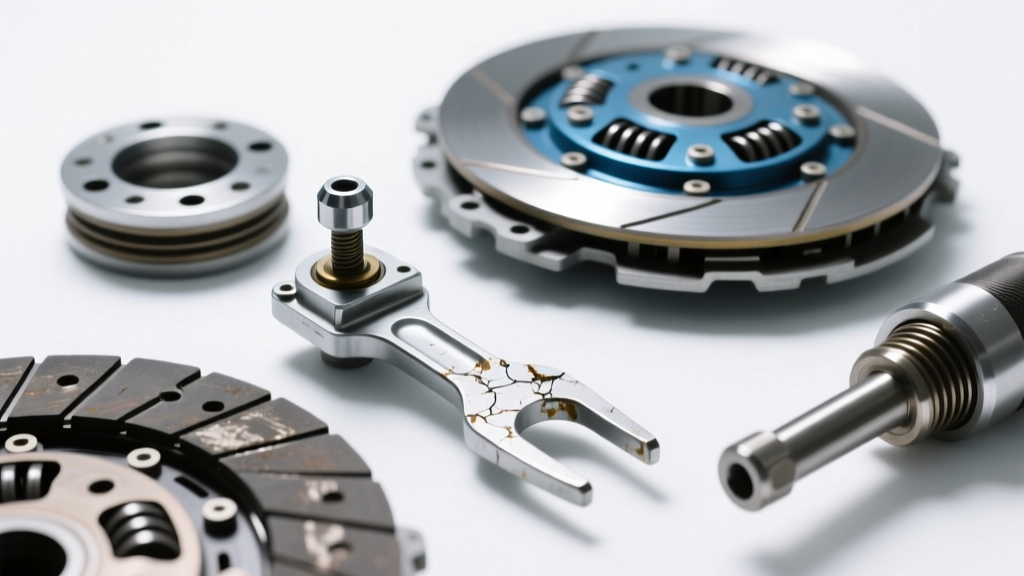
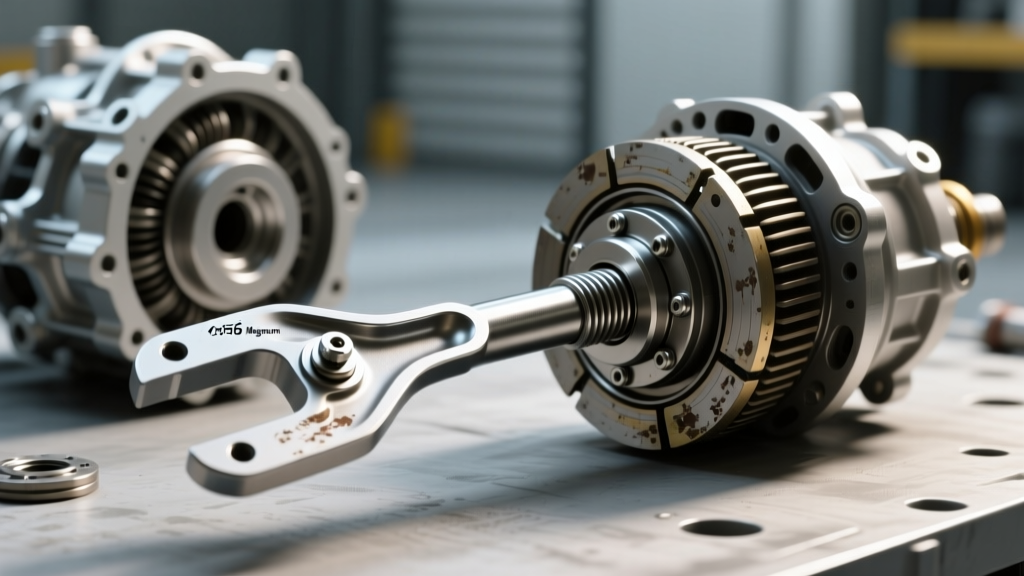
| Clutch Fork Pivot Ball | Worn stud causing release chatter | Ford F4ZZ-7526-A | $22.00 | $450+ (Trans drop) |
Step-by-Step: Adjusting the Firewall Clutch Cable
If you have verified that the A/C system is not causing parasitic drag, proceed with the mechanical clutch cable adjustment. For vehicles equipped with an aftermarket firewall adjuster (common on Tremec T5 and T45 applications), follow these precise specifications:
- Verify Pedal Freeplay: Measure the freeplay at the clutch fork arm near the transmission bellhousing. You need exactly 1/2-inch to 5/8-inch of freeplay before the throwout bearing makes contact with the pressure plate fingers.
- Loosen the Locknut: Use a 13mm wrench to loosen the locking nut on the firewall adjuster mechanism.
- Adjust the Cable: Turn the adjusting nut clockwise to tighten the cable (reducing freeplay) or counter-clockwise to loosen it. Do not overtighten; zero freeplay will cause the throwout bearing to ride the pressure plate continuously, leading to catastrophic bearing failure and slipping.
- Secure and Torque: Once the 1/2-inch freeplay is achieved at the fork, tighten the 13mm locknut. Ensure the firewall bracket mounting nuts are torqued to 15 lb-ft (20 Nm) to prevent firewall flex under heavy pedal load.
Testing the Compressor Clutch Relay
Before turning a single wrench on the transmission linkage, perform this 5-minute electrical verification to rule out the compressor clutch relay:
- Locate the Relay: Open the under-hood fuse block (BJB) and locate the A/C compressor clutch relay (refer to the diagram on the underside of the fuse box lid).
- The Swap Test: Pull the compressor relay and swap it with an identical relay from a non-essential circuit, such as the horn or fog lights. Start the vehicle, turn the A/C to MAX, and release the clutch at idle. If the chatter disappears and the horn stops working, you have found your $18.50 culprit.
- Multimeter Verification: Set your digital multimeter to Ohms. Probe the relay coil pins (typically pins 85 and 86). A healthy relay will read between 60 and 120 ohms. If the meter reads infinite (open circuit) or near zero (internal short), the relay is defective.
- Load Test: Use a fused jumper wire to bridge the switched power and load pins (pins 30 and 87) in the fuse box socket. You should hear a distinct, sharp 'click' from the A/C compressor clutch coil engaging at the front of the engine. If it clicks but the engine still bogs down excessively, the compressor itself may be mechanically seizing, requiring a full compressor replacement rather than just a relay.
Expert Diagnostic Note: Never replace a mechanical clutch assembly or adjust a cable to its absolute limit to compensate for engine bogging. If the clutch engages smoothly with the A/C turned OFF, but chatters violently with the A/C turned ON, your drivetrain is healthy. Focus your diagnostic budget on the HVAC electrical system and engine idle air control (IAC) valve.
Summary: Protect Your Drivetrain Budget
Clutch cable adjustment is a straightforward, low-cost mechanical necessity for older manual vehicles, typically costing under $100 in parts and requiring basic hand tools. However, the modern diagnostic landscape requires technicians and DIYers to look beyond the bellhousing. A failing compressor clutch relay represents one of the most cost-effective, yet frequently overlooked, causes of clutch chatter and engagement anomalies. By understanding the intersection of parasitic electrical loads and mechanical drivetrain tolerances, you can save hundreds of dollars in misdirected labor and preserve the lifespan of your clutch friction materials.