Understanding the Mazda CX-5 Rear Differential
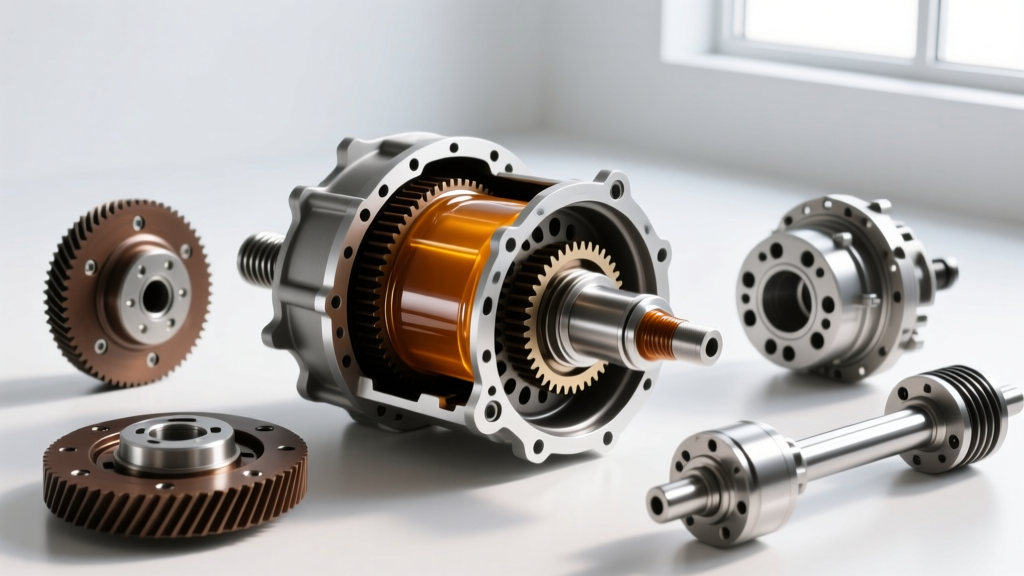
When you press the accelerator in your All-Wheel-Drive Mazda CX-5, a complex mechanical symphony transfers power from the engine to the pavement. While the front transaxle handles the primary load, the rear axle is engaged via the Active Torque Control AWD system to provide traction and stability. At the absolute heart of this rear axle assembly is the Mazda CX-5 rear differential, and more specifically, its ring and pinion gear set. For beginners and seasoned enthusiasts alike, understanding how these gears are 'set up' is critical for diagnosing noises, planning rebuilds, and maintaining the correct differential fluid.
Unlike a simple chain or belt drive, a differential must turn the rotational force of the driveshaft by 90 degrees while multiplying torque. This is accomplished through the ring and pinion gears. In this comprehensive guide, we will break down the engineering behind the CX-5's hypoid gearset, the precise measurements required for a proper setup, and the crucial differential fluid maintenance required to keep it alive.
The Heart of the Axle: Hypoid Gear Design
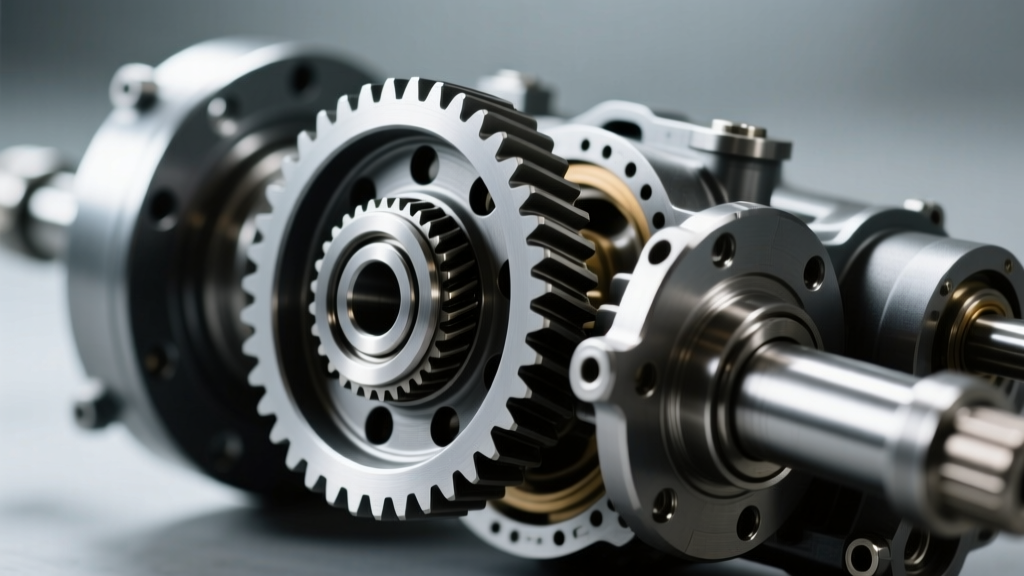
The Mazda CX-5 utilizes a hypoid gear design for its rear differential. If you were to look at the gearset, you would notice that the centerline of the pinion gear (the small gear attached to the driveshaft) is offset below the centerline of the ring gear (the large gear bolted to the axle carrier).
Why use a hypoid offset instead of a standard spiral bevel gear? There are two main reasons:
- Lower Driveshaft Tunnel: By dropping the pinion gear lower, the driveshaft can sit lower in the chassis, maximizing cabin and cargo space in the CX-5.
- Increased Tooth Contact: The offset creates a sliding friction action along with the rolling action. This allows for larger, stronger pinion teeth and a smoother, quieter engagement, which is essential for a refined crossover SUV.
However, this sliding friction generates immense heat and requires specialized Extreme Pressure (EP) additives found only in GL-5 rated differential fluids. Standard GL-4 manual transmission fluids will rapidly destroy a CX-5 hypoid gearset.
The 'Setup': 3 Critical Measurements
When a mechanic or drivetrain specialist rebuilds a Mazda CX-5 rear differential, they cannot simply bolt the new gears together. The 'setup' refers to the microscopic adjustments made using precision shims to ensure the gears mesh perfectly. A flawed setup will result in catastrophic gear failure within a few hundred miles. According to drivetrain experts at Yukon Gear & Axle, a proper setup relies on three pillars:
1. Pinion Depth
Pinion depth dictates how far the pinion gear reaches into the ring gear. This is adjusted by placing a specific thickness of shim behind the inner pinion bearing cup. The exact depth is often stamped on the face of the pinion gear head (e.g., '+1' or '-2'), indicating the deviation from the nominal factory block dimension. If the pinion is too deep, it will bind against the heel of the ring gear teeth; if it is too shallow, it will ride on the toe, causing severe whining and eventual tooth shearing.
2. Backlash
Backlash is the amount of rotational 'play' or clearance between the mating teeth of the ring and pinion before they make contact. For the Mazda CX-5 rear differential, the target backlash typically falls between 0.005 and 0.007 inches. This is measured using a dial indicator mounted to the differential housing. Backlash is adjusted by moving the entire carrier assembly left or right using side shims or threaded adjusters. Proper backlash allows for thermal expansion of the gears as the differential fluid heats up during highway driving.
3. Bearing Preload
Preload is the amount of tension applied to the tapered roller bearings that support the pinion and the carrier. Because the CX-5 uses a 'crush sleeve' design on the pinion shaft, the mechanic must torque the massive pinion nut to literally crush a steel spacer sleeve until the desired rotational resistance is achieved. For new bearings, pinion preload is usually measured in inch-pounds of rotational torque (typically 15 to 25 in-lbs). Too loose, and the gears will chatter and destroy themselves; too tight, and the bearings will overheat and seize.
Diagnosing Gear Setup Issues in Your CX-5
If your CX-5 rear differential is whining, howling, or clunking, the gear setup may be failing, or the differential fluid may be degraded. Use the diagnostic table below to pinpoint the issue based on driving conditions.
| Noise Type | When It Occurs | Probable Cause |
|---|---|---|
| High-Pitched Whine | Acceleration only | Pinion gear is too deep, or ring gear backlash is too tight. Flank wear on the drive side of the teeth. |
| Low Howl | Deceleration (coasting) | Pinion gear is too shallow, or backlash is too loose. Wear on the coast side of the teeth. |
| Rumbling / Growling | Above 20 MPH constantly | Worn or pitted carrier or pinion bearings. Often caused by water contamination in the diff fluid. |
| Clunking / Slack | Shifting from Reverse to Drive | Excessive backlash, worn cross-pin, or degraded AWD coupling fluid transferring shock to the rear diff. |
Real-World Rebuild Specifications
If you are pulling the rear differential from a 2.5L Turbo CX-5 (which typically runs a 4.625 final drive ratio to compensate for the different transmission gearing compared to the non-turbo 4.388 ratio), you must adhere to strict torque specifications. Always consult the official Mazda USA Owner and Service Manuals for your specific VIN, but standard hypoid rebuild specs include:
- Ring Gear to Carrier Bolts: 85 lb-ft (115 Nm). Must be cleaned with brake cleaner and secured with Red (high-strength) Loctite. These are often left-hand thread on certain applications, so verify before applying force.
- Pinion Companion Flange Nut: 145 to 180 lb-ft. This is a one-time-use crush sleeve application. If you over-torque and exceed the 25 in-lb rotational preload, you must install a brand new crush sleeve and start over.
- Marking Compound: Always use yellow or white gear marking paste to verify the contact pattern on the ring gear teeth before final assembly. The pattern should be centered on the face of the tooth, slightly biased toward the heel under load.
The Crucial 500-Mile Fluid Break-In Procedure
Because the assigned focus of this category includes differential fluid maintenance, it is imperative to discuss the break-in period. When a new ring and pinion gearset is installed in your Mazda CX-5, the gears are not perfectly mated at a microscopic level. The first 500 miles of driving involve controlled wear, where the high spots on the gear teeth polish themselves against one another.
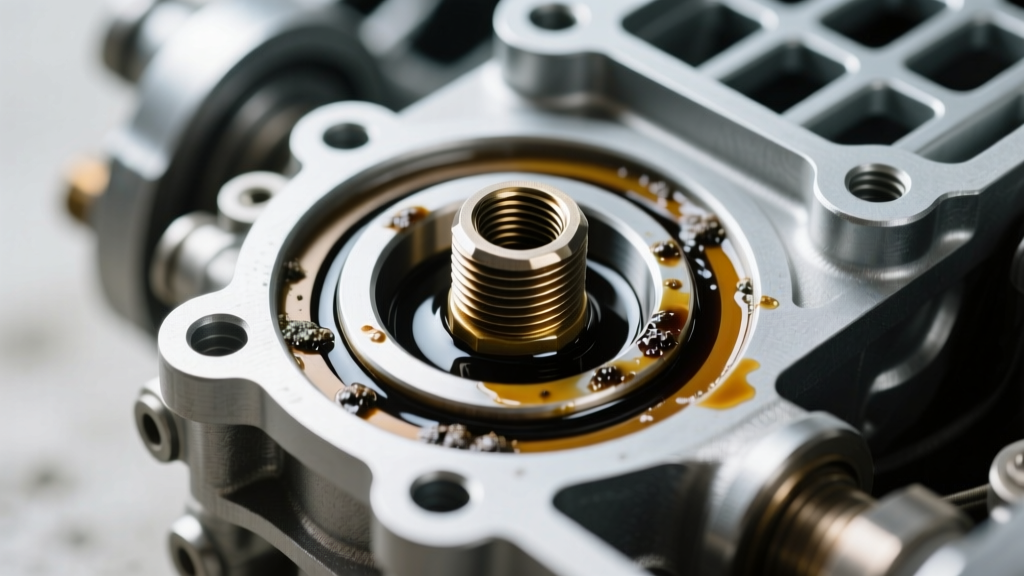
This process generates significant heat and sheds microscopic metallic particulates into the gear oil. If left in the housing, these metal shavings will act like lapping compound, accelerating wear and embedding themselves into the soft bearing cages.
Expert Break-In Rule: Drive the vehicle for exactly 500 miles, avoiding sustained highway speeds over 65 MPH and avoiding heavy towing. Immediately drain the differential fluid, flush the housing with a cheap GL-5 oil or dedicated axle cleaner to remove metal shavings, and refill with premium synthetic fluid.
Fluid Capacity and Specifications
The Mazda CX-5 rear differential is surprisingly compact. The total fluid capacity is only 0.45 Liters (approx. 0.48 US Quarts). Because the volume is so small, the fluid degrades faster than in larger truck axles. Thermal breakdown is the enemy of hypoid gears.
- Factory Spec: Mazda Genuine Long Life Gear Oil (75W-80 GL-5).
- Aftermarket Alternative: Amsoil Severe Gear 75W-90 GL-5 or Red Line 75W-90 GL-5. The slightly thicker 90-weight film provides excellent protection for high-load scenarios, such as steep mountain driving or towing small trailers.
- Service Interval: While Mazda may label the fluid as 'lifetime' under normal conditions, independent drivetrain specialists highly recommend draining and refilling the rear differential every 30,000 to 50,000 miles to ensure the EP additives remain active.
Summary
The ring and pinion setup in the Mazda CX-5 rear differential is a masterclass in precision engineering. By understanding the hypoid gear design, the necessity of exact backlash and pinion depth measurements, and the critical role of GL-5 differential fluid, you can better diagnose axle noises and ensure your AWD system operates flawlessly. Whether you are listening for the tell-tale whine of a failing pinion bearing or planning a 500-mile break-in fluid swap, treating your rear differential with mechanical respect will guarantee miles of quiet, reliable traction.