The Intersection of Drivetrain Maintenance and Performance
The Mazda CX-5 has cemented itself as a benchmark in the compact crossover segment, largely due to its Skyactiv technology and the sophisticated i-Activ All-Wheel-Drive (AWD) system. However, enthusiasts and daily drivers alike often overlook the critical component sitting at the rear axle: the hypoid differential. Whether you are analyzing the Mazda CX-5 differential fluid change cost for routine maintenance or researching how your factory gear ratio affects towing and acceleration, understanding the rear differential is paramount.
Unlike traditional body-on-frame SUVs with massive solid axles, the CX-5 utilizes an independent rear suspension with a compact, thermally efficient rear differential. This unit not only houses the ring and pinion gears but also integrates the electromagnetic clutch pack responsible for vectoring torque to the rear wheels. In this comprehensive model-specific repair guide, we will decode the CX-5's differential gear ratios, discuss the realities of regearing, and provide a meticulous breakdown of maintenance costs and DIY service procedures.
Decoding the CX-5 Differential Gear Ratios
The final drive ratio of a vehicle dictates how many times the driveshaft (and thus the transmission output) must rotate to turn the wheels one full revolution. Mazda engineers carefully selected the CX-5's final drive ratios to balance the Skyactiv-Drive 6-speed automatic transmission's shift mapping with the vehicle's weight and aerodynamic profile.
| Engine Configuration | Model Years | Final Drive Ratio | Primary Performance Characteristic |
|---|---|---|---|
| 2.5L Skyactiv-G (N/A) | 2013 - 2024 | 4.387 | Optimized for highway fuel economy and low-RPM cruising. |
| 2.5L Skyactiv-G (Turbo) | 2019 - 2024 | 4.625 | Shorter ratio to manage increased torque and heavier curb weight. |
| 2.2L Skyactiv-D (Diesel) | 2018 - 2019 | 4.387 | Leverages massive low-end diesel torque without over-revving. |
As noted in Car and Driver's extensive CX-5 testing, the numerically higher 4.625 ratio in the Turbo models is essential. The 2.5L Turbo generates up to 320 lb-ft of torque; the shorter final drive ensures that the AWD system can effectively transfer this load to the pavement without excessive transmission clutch slip during hard launches or steep grade towing.
How Gear Ratios Dictate Real-World Performance
Your differential gear ratio is the final multiplier of engine torque. A 4.625 ratio provides roughly 5.4% more torque multiplication at the wheels compared to the 4.387 setup. This translates to a noticeably more responsive launch from a stop and reduced transmission hunting when climbing 6% grades with a full cargo load. However, the trade-off is higher RPMs at highway speeds. At 75 MPH in 6th gear, a 4.625 ratio will push the engine approximately 120-150 RPM higher than the 4.387 ratio, which can marginally impact highway fuel economy.
The Reality of Regearing the Mazda CX-5
A common question in the off-road and tuning communities is whether you can swap the ring and pinion to change the differential gear ratio. In traditional 4x4s like the Jeep Wrangler, regearing is a standard modification when fitting larger tires. In the Mazda CX-5, regearing is highly impractical and generally not recommended.
"The i-Activ AWD system relies on precise wheel-speed differential calculations between the front PTU and the rear electromagnetic clutch pack. Altering the rear final drive ratio without recalibrating the factory TCM and AWD control modules will trigger immediate drivetrain fault codes and potentially destroy the clutch pack."
Furthermore, aftermarket ring and pinion sets for the specific Mazda hypoid carrier are virtually non-existent. If you are looking to restore performance lost to heavier wheels or all-terrain tires, you must rely on ECU/TCU tuning to alter shift points rather than physical gear swaps.
Mazda CX-5 Differential Fluid Change Cost Breakdown
Because the rear differential contains both high-shear hypoid gears and a sensitive electromagnetic clutch pack, fluid degradation is a real concern. The clutch pack generates localized heat, which breaks down the friction modifiers and shear-stability polymers in the gear oil over time. So, what should you expect to pay for this critical service?
| Service Provider | Estimated Cost (2026) | What is Included |
|---|---|---|
| Mazda Dealership | $130 - $180 | OEM Mazda Long Life Gear Oil G1, new crush washers, factory inspection. |
| Independent Mechanic | $90 - $130 | Quality API GL-5 75W-85/90 fluid, labor, basic visual inspection. |
| DIY (Do It Yourself) | $18 - $28 | Cost of 1 quart of synthetic gear oil and two aluminum crush washers. |
When calculating the Mazda CX-5 differential fluid change cost, DIY is by far the most economical route. The rear differential is easily accessible without the need for a vehicle lift, provided you have a set of quality jack stands and a low-profile floor jack.
DIY Service Guide: Tools, Torque Specs, and Fluid
Servicing the CX-5 rear differential requires precision. Using the wrong fluid can lead to clutch pack chatter, while over-torquing the aluminum housing plugs can strip the threads, requiring a complete differential housing replacement.
Required Materials and Specifications
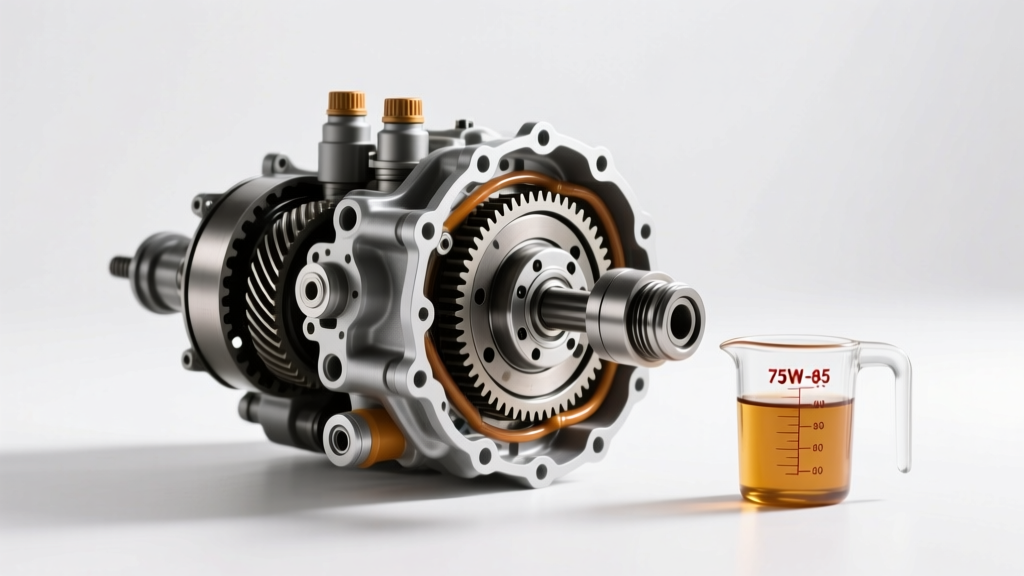
- Fluid Specification: API GL-5, SAE 75W-85 or 75W-90. (Mazda Long Life Gear Oil G1 is the OEM fill, but high-quality synthetics like Amsoil Severe Gear 75W-90 or Red Line 75W85 GL-5 are excellent alternatives).
- Capacity: 0.45 Liters (approx. 0.48 US Quarts). Buy one quart.
- Tools: 10mm Hex socket (or 3/8" square drive depending on model year), torque wrench, fluid transfer pump, drain pan.
- Hardware: Two new aluminum crush washers for the fill and drain plugs.
Step-by-Step Procedure
- Preparation: Drive the vehicle for 10-15 minutes to warm the differential fluid. Warm fluid drains faster and suspends metallic particulates better. Safely raise the rear of the CX-5 and support it on jack stands. Ensure the vehicle is perfectly level; an unlevel car will result in an inaccurate fluid fill.
- Remove the Fill Plug FIRST: Located on the passenger side or front-facing side of the differential housing. Never remove the drain plug before confirming the fill plug is loose. If the fill plug is seized, you will be stranded with an empty differential.
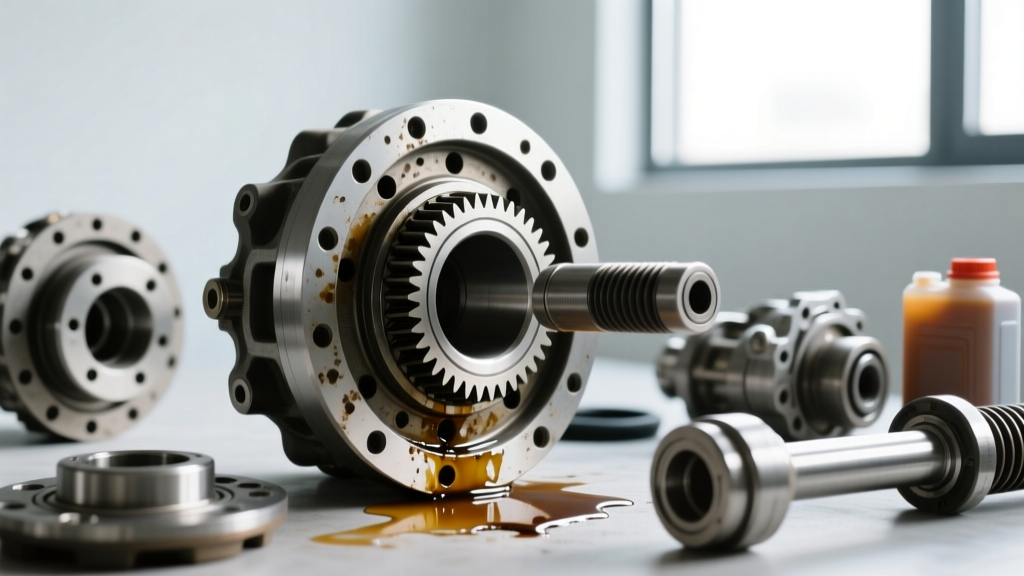
- Drain the Fluid: Place your catch pan beneath the rear-facing drain plug. Remove the plug and allow the fluid to drain completely. Inspect the magnetic tip of the drain plug. A fine metallic paste is normal; large shards or chunks indicate internal gear or bearing failure.
- Reinstall Drain Plug: Clean the plug, install a new aluminum crush washer, and thread it back into the housing. Torque Spec: 39 - 49 Nm (29 - 36 lb-ft). Do not exceed this, as the aluminum housing is prone to stripping.
- Fill the Differential: Using a transfer pump, push the new 75W-85 or 75W-90 GL-5 fluid into the fill hole. The differential is full when the fluid reaches the exact bottom lip of the fill hole and begins to weep out. Capacity will be exactly 0.45L.
- Reinstall Fill Plug: Install a new crush washer and torque to 39 - 49 Nm (29 - 36 lb-ft). Wipe down the housing with brake cleaner to remove any drips, making future leak inspections easier.
For official torque specifications and maintenance intervals, always cross-reference your specific model year via the Mazda USA Owner's Manuals portal. Mazda officially lists the rear differential fluid as a "inspect and replace if necessary" item under normal use, but for AWD models driven in hilly terrain, tow packages, or extreme temperatures, a 30,000 to 50,000-mile interval is highly recommended by drivetrain specialists.
Tire Sizing and Effective Gear Ratios
While physical regearing is off the table, CX-5 owners frequently alter their "effective" gear ratio by changing tire sizes. The factory 225/65R17 or 225/55R19 tires are chosen specifically to match the 4.387 or 4.625 final drives. If you decide to upgrade to a more aggressive all-terrain tire, such as a 235/65R17 or 245/60R18, you are effectively increasing the rolling diameter.
According to the engineering principles outlined in the Tire Rack Tech Center, increasing your tire diameter by just 5% is mathematically equivalent to changing your differential gear ratio by 5%. A larger tire makes the effective gear ratio "taller" (numerically lower). This will result in a sluggish feeling off the line, increased transmission heat due to torque converter slip, and a noticeable drop in fuel economy. If you must upsize your CX-5's tires for winter or light trail duty, keep the overall diameter within 3% of the factory specification to preserve the integrity of the i-Activ AWD system's wheel-speed sensors and the differential's torque multiplication.
Final Thoughts on CX-5 Drivetrain Longevity
The Mazda CX-5's rear differential is a marvel of compact packaging, but it is not invincible. The integration of the AWD clutch pack means that fluid quality directly dictates the smoothness of torque transfer. By understanding your factory gear ratio, avoiding the pitfalls of improper tire sizing, and staying ahead of the Mazda CX-5 differential fluid change cost through affordable DIY maintenance, you can ensure your Skyactiv drivetrain operates flawlessly for well past 200,000 miles.