Does a CVT Have a Torque Converter? The Engineering Reality
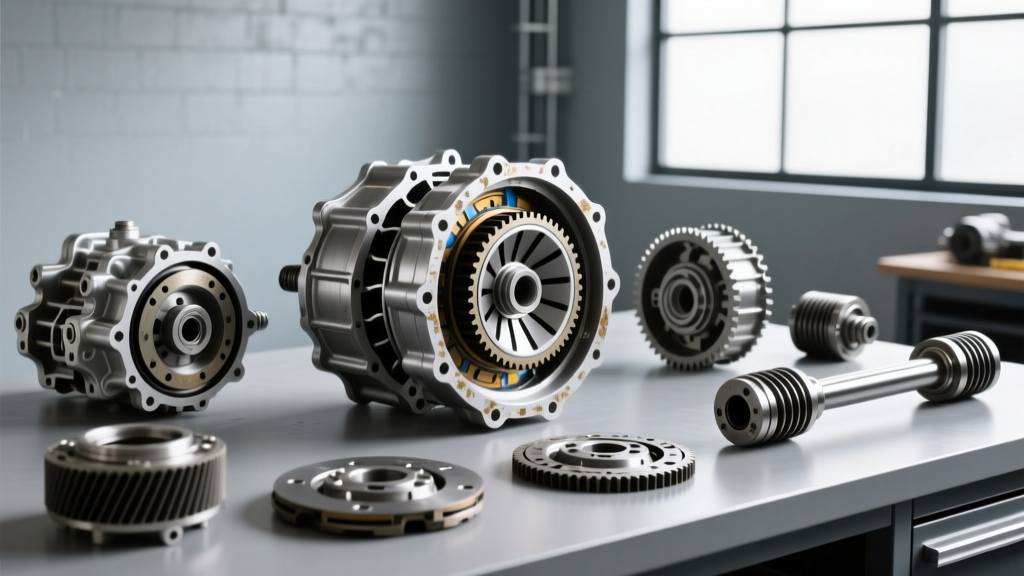
When enthusiasts and daily drivers alike ask, does a cvt have a torque converter, the answer requires a nuanced look at modern transmission architecture. Unlike traditional stepped automatics that universally rely on fluid-coupling torque converters to multiply off-the-line torque and smooth gear transitions, Continuously Variable Transmissions (CVTs) utilize varying launch mechanisms depending on the manufacturer.
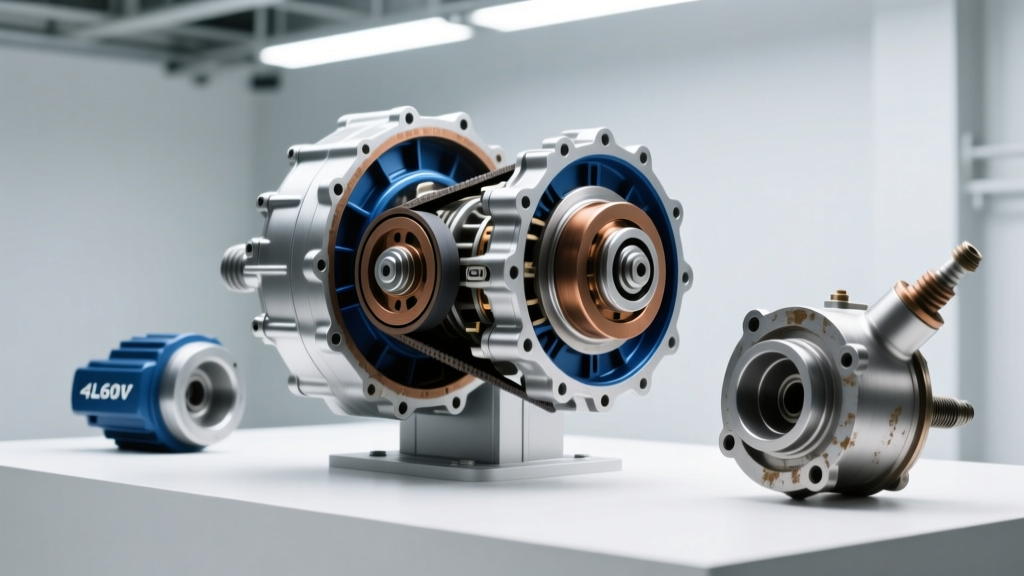
For example, Nissan and Infiniti vehicles equipped with Jatco CVTs (such as the RE0F10A/JF011E) do use a traditional torque converter with a lockup clutch. This design protects the steel push-belt from severe shock loads during initial acceleration. Conversely, Toyota’s Direct Shift-CVT (K120) eliminates the torque converter entirely, opting for a physical launch gear and a multi-plate wet clutch to reduce parasitic drag and eliminate the notorious 'rubber-band' effect. Honda’s early CVTs used start clutches, while their newer Earth Dreams platforms have returned to using torque converters for improved low-speed refinement.
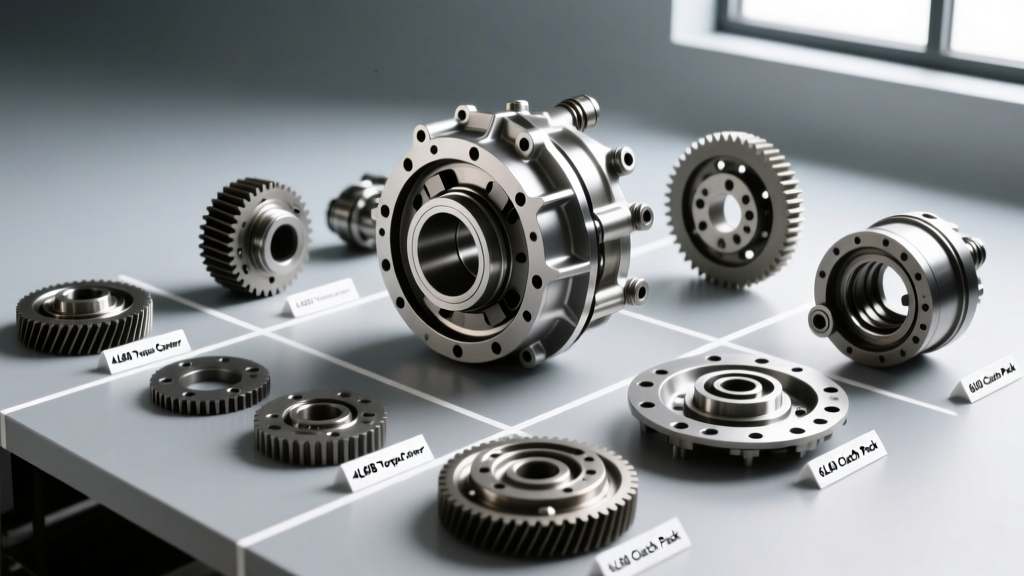
Because CVT torque converters are highly specialized and often integrated into complex bellhousing assemblies, their replacement costs differ vastly from traditional stepped automatics. Below, we break down the 2026 pricing, part numbers, and model-specific replacement realities for both CVTs and legacy workhorses like the GM 4L60E and 6L80.
2026 Torque Converter Cost Analysis: CVT vs. Traditional Automatics
Understanding the financial impact of a torque converter clutch (TCC) failure requires looking at both the raw part cost and the labor intensity of the specific drivetrain. The table below outlines real-world 2026 market pricing based on data from RockAuto and current dealership labor matrices.
| Transmission Model | Application | OEM Part Number | Part Cost (2026) | Installed Cost |
|---|---|---|---|---|
| GM 4L60E | Silverado/Tahoe (1993-2013) | 24253111 | $180 - $260 | $950 - $1,300 |
| GM 6L80 | Silverado/Camaro (2006-2020) | 24261694 | $320 - $480 | $1,400 - $1,900 |
| Jatco RE0F10A (CVT) | Nissan Altima/Rogue (2007-2018) | 31920-1XF00 | $450 - $650 | $1,800 - $2,500 |
| Toyota K120 (Direct-Shift) | Corolla/RAV4 (2019+) | N/A (Wet Clutch Pack) | $380 - $550 | $1,600 - $2,200 |
GM 4L60E: The Workhorse and Its TCC Shudder
The GM 4L60E is legendary for its ubiquity, but it is equally notorious for Torque Converter Clutch (TCC) shudder. This vibration, often felt between 35 and 50 mph under light throttle, occurs when the friction material inside the 298mm converter degrades, causing the lockup clutch to slip and grab rapidly. While a stock OEM replacement (Part #24253111) costs around $220, simply swapping the converter without addressing the hydraulic root cause is a recipe for repeat failure.
According to diagnostic insights from Transmission Digest, 4L60E TCC shudder is frequently exacerbated by wear in the TCC regulator valve bore within the valve body. Upgrading to a Sonnax TCC apply valve kit (Part #77754-04K) during the converter swap is highly recommended. Furthermore, when installing the new 4L60E converter, the flexplate-to-converter bolts must be torqued to exactly 22 lb-ft (30 Nm), while the bellhousing-to-engine block bolts require 37 lb-ft (50 Nm). Always inspect the converter hub for grooving; a damaged hub will destroy the front pump bushing within 500 miles.
GM 6L80: High-Capacity Lockup and Replacement Nuances
The 6L80 transmission utilizes a much larger 300mm or 340mm torque converter (depending on whether it is paired with a V6 or V8) to handle upwards of 500 lb-ft of input torque. GM’s aggressive TCC apply strategy in the 6L80 is designed to lock the converter as early and as often as possible to meet CAFE fuel economy standards. This constant slip-and-lock cycle generates immense thermal stress, leading to premature friction material breakdown and contaminated fluid.
If you are replacing a failed 6L80 torque converter (OEM #24261694), expect to pay between $350 and $480 for the unit. However, high-performance applications or heavy-duty towing setups should bypass the OEM stamped-steel cover and invest in a billet-cover converter from manufacturers like Precision Industries or Circle D Specialties, which can push the part cost to $800+ but effectively eliminates flexplate cracking and cover ballooning.
Hidden Labor and Machining Costs in TC Replacement
When budgeting for a torque converter replacement, the raw part and book labor hours only tell half the story. Professional transmission shops will mandate several ancillary services to guarantee the longevity of the new unit and maintain warranty compliance.
- Transmission Cooler Flushing ($120 - $180): A failing TCC sheds microscopic friction material and metallic debris into the cooler lines. If the cooler is not professionally flushed using a thermal-exchange machine, the new converter will ingest this debris and fail prematurely. Most premium converter manufacturers will void their warranty if proof of flushing is not provided.
- Flexplate Inspection and Resurfacing ($80 - $150): The torque converter mounts directly to the flexplate. If the mounting pads are warped or the ring gear teeth are chipped, the new converter will suffer from runout, leading to severe vibration and front seal leaks.
- Rear Main Seal Replacement ($15 - $35 part): With the transmission and flexplate removed, the engine's rear main seal is fully exposed. Replacing this $20 seal while the drivetrain is already disassembled saves hundreds in future labor if it begins to weep.
- CVT Fluid vs. Dexron VI Costs: A standard 4L60E or 6L80 requires Dexron VI, which costs roughly $8-$12 per quart. In contrast, Nissan CVTs require NS-3 fluid, which can cost $15-$22 per quart. A complete dry-fill on a Jatco CVT can require up to 10-12 quarts, adding significantly to the bottom line.
Pro-Tip from the Bench: Never use impact wrenches to seat torque converter-to-flexplate bolts. Thread them by hand to ensure the converter is fully seated against the transmission oil pump gears. If the converter is not fully seated (measured by the 'three-check' depth method) before tightening the bellhousing, you will crack the oil pump housing the moment you torque the bellhousing bolts.
Diagnostic Codes: When the Torque Converter Clutch Fails
Whether you are driving a traditional 6L80 or a Jatco CVT, the powertrain control module (PCM) monitors the slip speed between the engine RPM and the transmission input shaft speed. When the actual slip deviates from the commanded slip, the PCM triggers specific diagnostic trouble codes (DTCs).
P0741 (Torque Converter Clutch System Stuck Off): This indicates the PCM is commanding the TCC to lock, but the slip remains high. In a 4L60E, this is usually a worn clutch lining or a failed TCC PWM solenoid. In a CVT, it can indicate low line pressure or degraded CVT fluid viscosity.
P0742 (Torque Converter Clutch System Stuck On): The converter is mechanically locked when it should be slipping. This is highly dangerous in stop-and-go traffic, as the engine will stall when coming to a halt. This is often caused by a seized TCC apply valve in the valve body or a cross-leaked hydraulic circuit.
For deep-dive hydraulic schematics and valve body upgrade solutions, technicians frequently reference Sonnax, which provides comprehensive documentation on resolving chronic TCC apply issues across both traditional and CVT platforms. Ultimately, whether your vehicle utilizes a fluid-coupling torque converter or a multi-plate wet launch clutch, addressing thermal degradation and hydraulic wear early is the key to avoiding a complete transmission teardown.