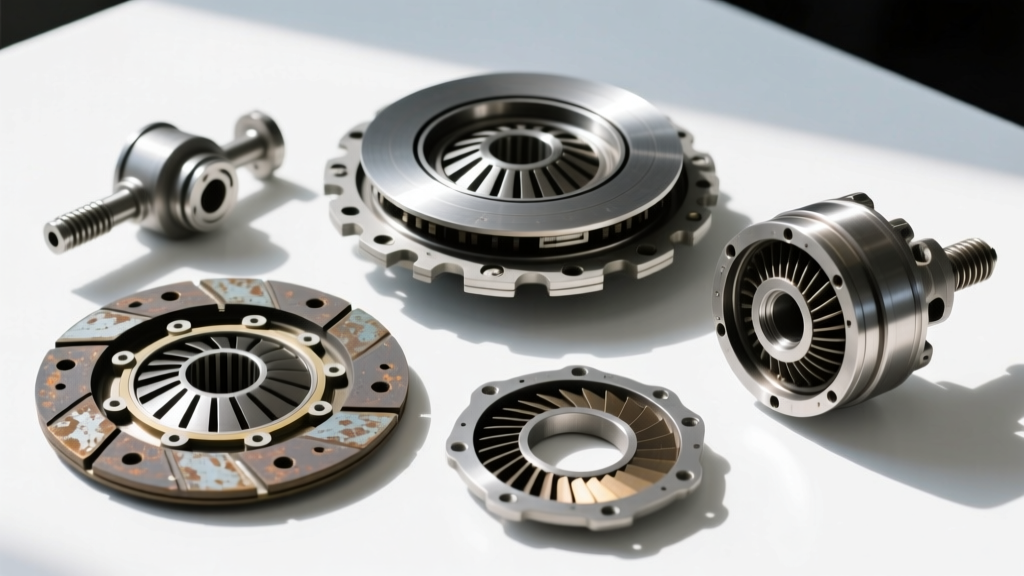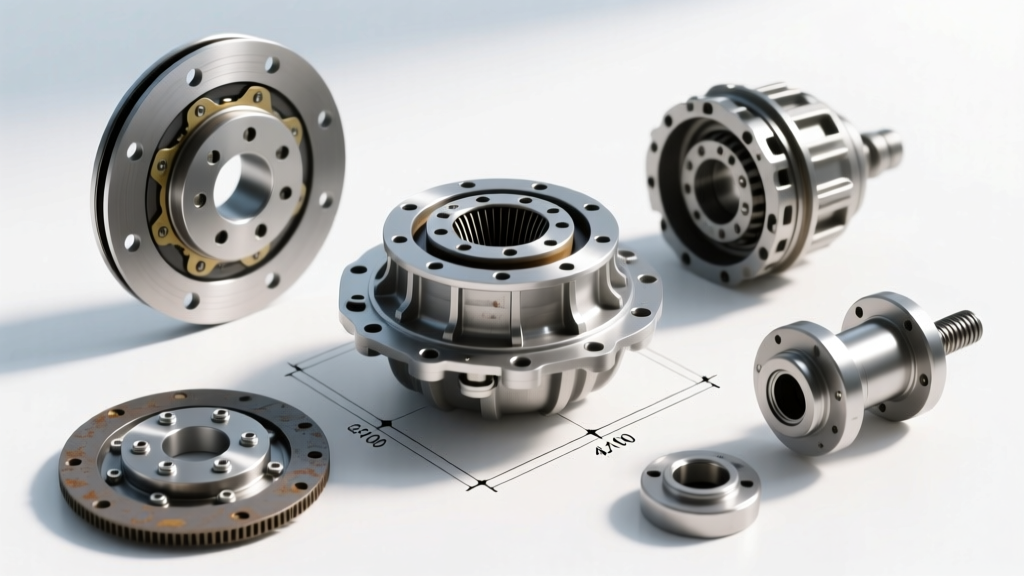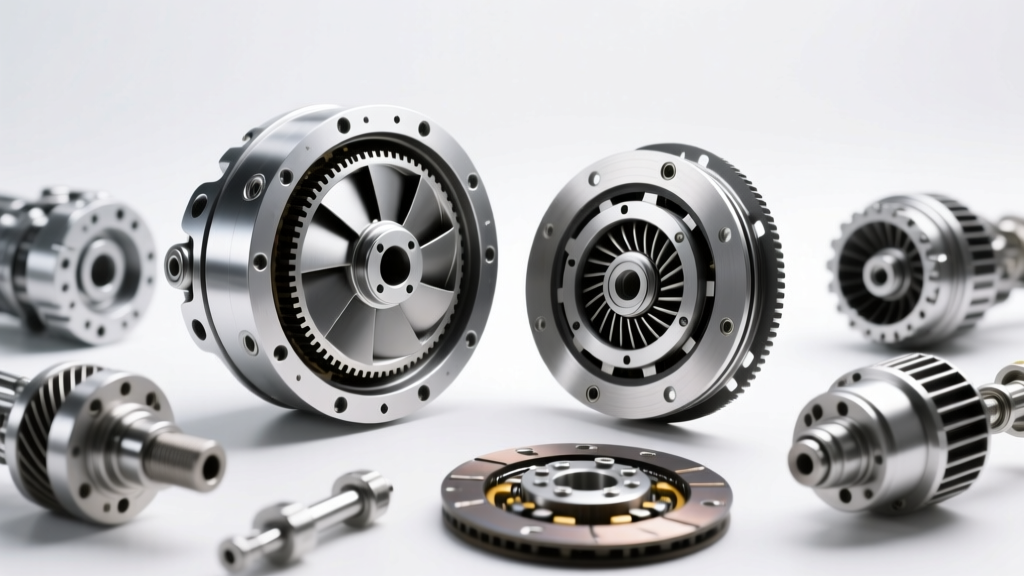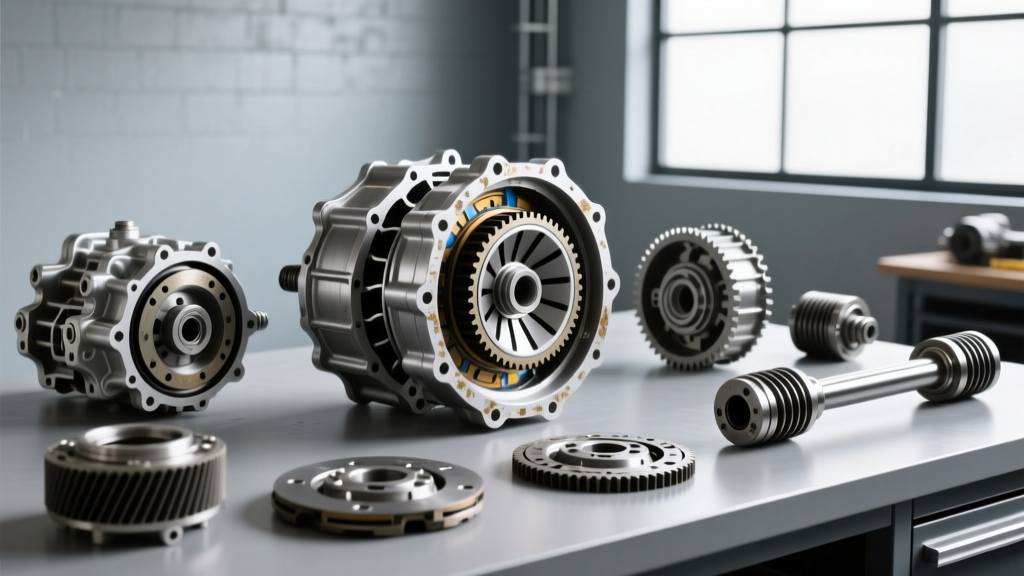
If you are experiencing the infamous 'Chevy Shudder' or dealing with slip codes on your half-ton pickup, understanding the 2018 Silverado torque converter replacement cost is your first step toward a reliable fix. As of 2026, the total cost to replace a torque converter on a 2018 Chevrolet Silverado 1500 ranges from $1,350 to $2,650. This wide variance depends heavily on whether your truck is equipped with the 6-speed 6L80 or the 8-speed 8L90 transmission, your choice of OEM versus remanufactured parts, and regional labor rates.
In this model-specific repair guide, we break down the exact pricing, diagnostic trouble codes, critical torque specifications, and fluid requirements necessary to complete this repair correctly. Skipping a single measurement during reinstallation can result in catastrophic oil pump failure, so precision is paramount.
The 2018 Silverado Drivetrain: 6L80 vs. 8L90 Transmissions
Before ordering parts, you must identify your transmission RPO (Regular Production Option) code, located in the silver glovebox sticker. The 2018 Silverado 1500 primarily utilizes two distinct automatic transmissions, each requiring a completely different torque converter architecture:
- 6L80 (RPO MYC): The ubiquitous 6-speed automatic paired with the 5.3L V8 (L83) and 4.3L V6 (LV3). It uses a larger 300mm torque converter with a traditional EC3 (Electronically Controlled Capacity Clutch) TCC setup.
- 8L90 (RPO M5U): The 8-speed automatic found in trucks equipped with the 6.2L V8 (L86). This transmission uses a smaller, higher-stall torque converter designed for faster shift times and requires an entirely different friction material formulation.
Mixing up these components is a common DIY mistake. The 6L80 and 8L90 torque converters are not cross-compatible due to differences in stator support tube diameters, flexplate bolt patterns, and pilot hub depths.
Breaking Down the 2018 Silverado Torque Converter Replacement Cost
To give you a realistic expectation for your 2026 repair budget, we have compiled data from current dealership estimates and independent transmission shop averages. You can verify baseline component pricing via RockAuto's catalog to see the gap between OEM and aftermarket suppliers.
| Cost Component | 6L80 (5.3L V8 / 4.3L V6) | 8L90 (6.2L V8) |
|---|---|---|
| OEM Torque Converter (ACDelco/GM) | $550 - $680 | $750 - $920 |
| Remanufactured / Aftermarket TC | $280 - $420 | $450 - $650 |
| Labor (Drop & Swap, 7-9 Hours) | $910 - $1,440 | $910 - $1,440 |
| ATF Fluid & Pan Gasket/Filter | $85 - $130 | $110 - $160 |
| New Flexplate Bolts (Mandatory) | $25 - $40 | $25 - $40 |
| Total Estimated Range | $1,350 - $2,290 | $1,545 - $2,650 |
Note: Labor rates vary wildly. Dealerships in major metros often charge $160-$180/hour, while independent drivetrain specialists may charge $110-$130/hour.
Why Do 2018 Silverado Torque Converters Fail?
The 2015-2019 generation of GM trucks is notorious for TCC (Torque Converter Clutch) shudder. This vibration typically occurs between 35 and 50 mph under light throttle when the TCC attempts to apply a controlled slip. According to the NHTSA complaint database, thousands of owners have reported this exact driveline resonance.
Common Failure Modes & Diagnostic Codes
- Glazed TCC Friction Material: The original factory friction lining degrades due to aggressive apply strategies and thermal cycling. Once glazed, the converter cannot maintain controlled slip, causing a violent shudder. If caught early, a fluid exchange with Mobil 1 Synthetic LV ATF HP can cure it. If ignored, the material shreds, requiring a full replacement.
- Stator Support Tube Wear: The torque converter hub rides on the transmission's stator support tube. Over 80,000+ miles, inadequate lubrication can cause the converter hub to wallow out the tube, leading to internal fluid leaks and low line pressure.
- P0741 (TCC System Stuck Off): Indicates the PCM has detected excessive slip when the TCC is commanded to lock. Often points to a failing TCC control valve in the valve body or a blown converter clutch seal.
- P0742 (TCC System Stuck On): The clutch refuses to release. This is dangerous as it will stall the engine when coming to a stop and can overheat the transmission fluid rapidly.
Step-by-Step R&R: Critical Torque Specs and Clearances
Replacing the torque converter requires dropping the transmission. While the 6L80 and 8L90 are robust units, their installation tolerances are unforgiving. Below are the exact specifications required for a safe reassembly.
1. Verifying Converter Seating Depth
Before mating the transmission to the engine block, you must measure the torque converter seating depth. Place a straight edge across the bellhousing mating surface. Using a caliper or ruler, measure the distance from the straight edge to the torque converter's flexplate mounting pad.
Expert Rule of Thumb: The mounting pad must sit at least 0.75 inches (19mm) to 1.25 inches below the bellhousing face. If the converter is flush with the bellhousing, it is not fully seated into the transmission oil pump gear. Bolting the engine and transmission together in this state will instantly shatter the oil pump housing upon startup, destroying the transmission case.
2. Flexplate to Torque Converter Bolts
GM uses one-time-use, stretch-type torque-to-yield bolts to secure the converter to the flexplate. Never reuse the old bolts.
- Part Number: GM Genuine 11561895 (M8 x 1.25 x 15mm) for most 6L80 applications.
- Torque Spec: 26 lb-ft (35 Nm). Do not use impact guns; use a calibrated torque wrench while an assistant holds the flywheel with a flexplate holding tool.
3. Bellhousing to Engine Block
- Torque Spec: 37 lb-ft (50 Nm) for the upper and lower bellhousing-to-block bolts.
- Crossmember to Frame: 52 lb-ft (70 Nm). Ensure the transmission mount is aligned before torquing to prevent driveline binding and artificial NVH (Noise, Vibration, and Harshness).
Fluid Selection: Dexron VI vs. Dexron ULV
One of the most costly mistakes made during a 2018 Silverado torque converter replacement is using the wrong Automatic Transmission Fluid. The fluid specifications for the 6L80 and 8L90 are entirely different and incompatible.
For the 6L80, you must use Dexron VI (ACDelco Part # 10-9395). A dry-fill capacity is roughly 11.2 quarts, but a torque converter swap and pan drop will typically require 6.5 to 8 quarts to reach the correct level on the dipstick.
For the 8L90, GM mandated Dexron ULV (Ultra Low Viscosity) fluid (ACDelco Part # 19355656). The 8L90 utilizes a highly specialized clutch friction material that requires this specific low-viscosity fluid to achieve proper TCC apply rates. Flushing an 8L90 with standard Dexron VI will cause immediate TCC slip, harsh shifts, and eventual clutch pack failure. Always verify your fluid type via the ACDelco official parts portal or your owner's manual before purchasing.
The 'Chevy Shudder' Fluid Fix
If your torque converter is mechanically sound but exhibiting mild shudder, GM released Technical Service Bulletins (such as TSB 18-NA-355) recommending a complete fluid exchange using Mobil 1 Synthetic LV ATF HP. This specialized fluid contains a unique friction modifier package designed specifically to rehabilitate glazed TCC linings in GM 6-speed and 8-speed transmissions. If a double-flush with this fluid does not eliminate the shudder, the friction material is physically destroyed, and the torque converter must be replaced.
Final Thoughts on Your 2018 Silverado Repair
Budgeting for a 2018 Silverado torque converter replacement requires looking beyond just the part cost. Factoring in the mandatory one-time-use flexplate bolts, the correct OEM fluid, and the labor-intensive nature of dropping a 4WD transmission (which requires disconnecting the transfer case and front driveshaft) will ensure you aren't caught off guard by the final invoice. Whether you are tackling the 6L80 or the 8L90, strict adherence to seating depth measurements and torque specifications is the difference between a truck that drives like new and one that requires a complete transmission rebuild.