The Myth and Reality of the "Constipation Differential"
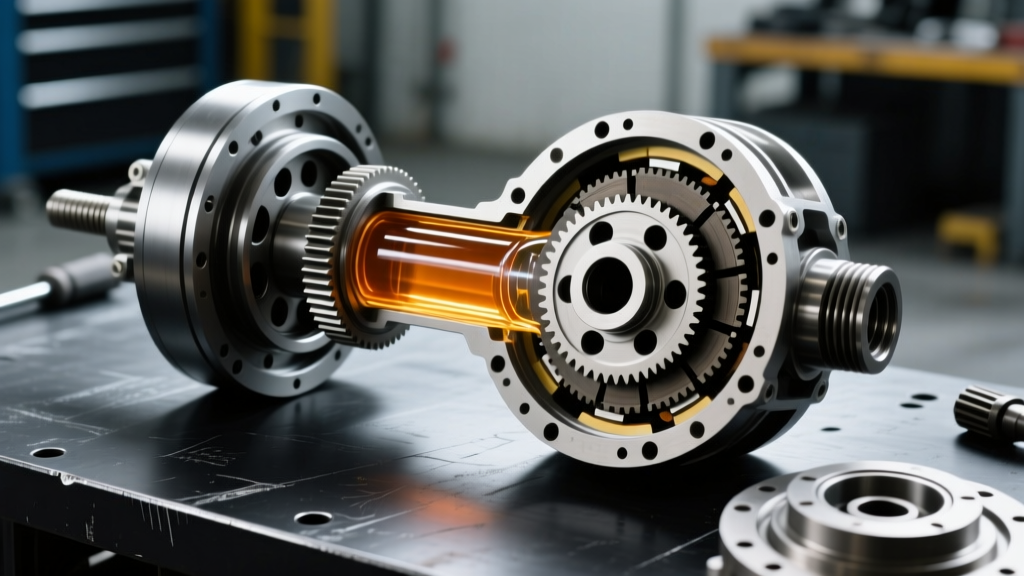
While you will not find the phrase "constipation differential" in any official SAE engineering manual, it is a prevalent piece of shop-floor slang used by drivetrain technicians to describe a severe, specific failure mode in limited-slip differentials (LSDs). In heavy-duty and performance circles, a "constipated" differential refers to an axle housing suffering from extreme fluid degradation, thick sludge accumulation, and blocked breather pathways. This biological metaphor perfectly describes the mechanical reality: the differential's internal lubrication galleries and clutch packs become "clogged," starving the system of flow and leading to catastrophic internal pressure and friction material failure.
As we navigate the 2026 automotive landscape, where factory-fill synthetic gear oils are often marketed as "lifetime" fluids by OEMs, the incidence of severely restricted LSDs in trucks, SUVs, and sports cars is rising. Understanding the operation of clutch-type limited-slip differentials and executing a proper deep-flush protocol is critical to saving a $1,500+ center section from the scrap bin.
Anatomy of a Clutch-Type LSD
To understand how an LSD becomes restricted, you must first understand its internal architecture. Unlike an open differential or a helical gear-driven Torsen unit, clutch-type LSDs (such as the Eaton Positraction, Ford Traction-Lok, and ZF clutch-pack designs) rely on physical friction to manage torque bias.
- Clutch Packs: Alternating layers of composite friction discs and hardened steel separator plates sit between the side gears and the differential case.
- Preload Mechanism: Belleville springs (or S-springs) apply a baseline clamping force to the clutch packs, ensuring they engage slightly even under low-torque conditions to prevent one-wheel slip.
- Friction Modifiers: The gear oil must contain specialized long-chain polymers that alter the coefficient of friction, allowing the clutches to slip smoothly during low-speed cornering without chattering.
When the fluid degrades, the microscopic pores in the composite friction discs become packed with oxidized oil varnish and metallic particulate. The clutch packs essentially fuse together or, conversely, lose all friction modulation, resulting in the dreaded "constipation" of torque transfer.
The Pathology of Differential Constipation
How does a sealed, oil-filled casting become clogged? The degradation process follows a predictable, three-stage pathology.
1. Thermal Shear and Oxidation
Under heavy towing or track use, hypoid gear contact pressures can exceed 200,000 PSI. Standard 75W-90 or 75W-140 gear oils experience severe mechanical shearing. As the viscosity index improvers break down, the oil oxidizes, transforming from a free-flowing liquid into a thick, tar-like varnish. According to technical data from Amsoil's gear lubricant engineering division, thermal runaway in hypoid gears rapidly accelerates sludge formation once fluid temperatures exceed 250°F (121°C) for sustained periods.
2. Friction Material Shedding
As the varnish builds, the clutch packs begin to micro-slip and grab erratically. This chatter physically shreds the composite friction material. The resulting cellulose and Kevlar dust mixes with the oxidized oil, creating a thick paste that packs tightly into the cross-pin cavities and side gear recesses, physically blocking oil from reaching the inner bearings.
3. Breather Tube Asphyxiation
Every axle housing features a breather tube to equalize pressure as the gear oil heats up and expands. If this tube becomes clogged with mud, debris, or internal oil foam, the housing becomes a pressure vessel. When the axle cools, it creates a vacuum that draws in ambient moisture through the axle seals. This water mixes with the sulfur-phosphorus extreme pressure (EP) additives in the gear oil, creating a corrosive, mayonnaise-like sludge that completes the "constipation" process.
Expert Insight: If you pull a differential cover and the oil smells like burnt coffee and has the consistency of peanut butter, the LSD clutch packs are likely compromised. However, a chemical flush can sometimes salvage the unit if the steel plates have not suffered thermal bluing.
Diagnostic Checklist: Is Your LSD Starving?
Before tearing into the differential, look for these hallmark symptoms of a restricted LSD:
- Low-Speed Cornering Bind: The vehicle hops or skips during tight parking lot turns. The sludge has locked the clutch packs together, preventing the necessary slip between the inner and outer wheels.
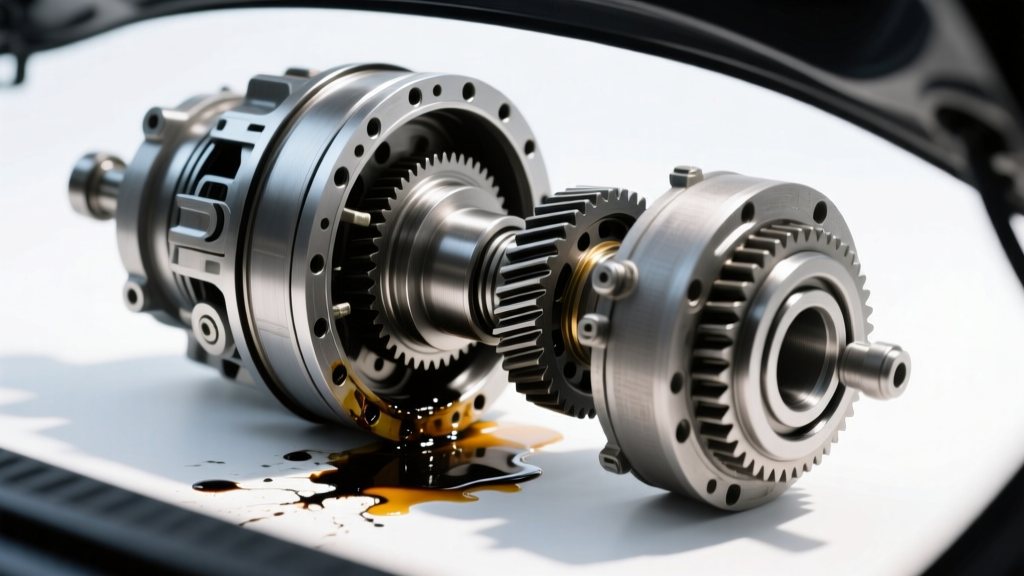
- Weeping Axle Seals: Internal pressure from a blocked breather forces gear oil past the axle shaft seals, coating the inside of your brake rotors or drums.
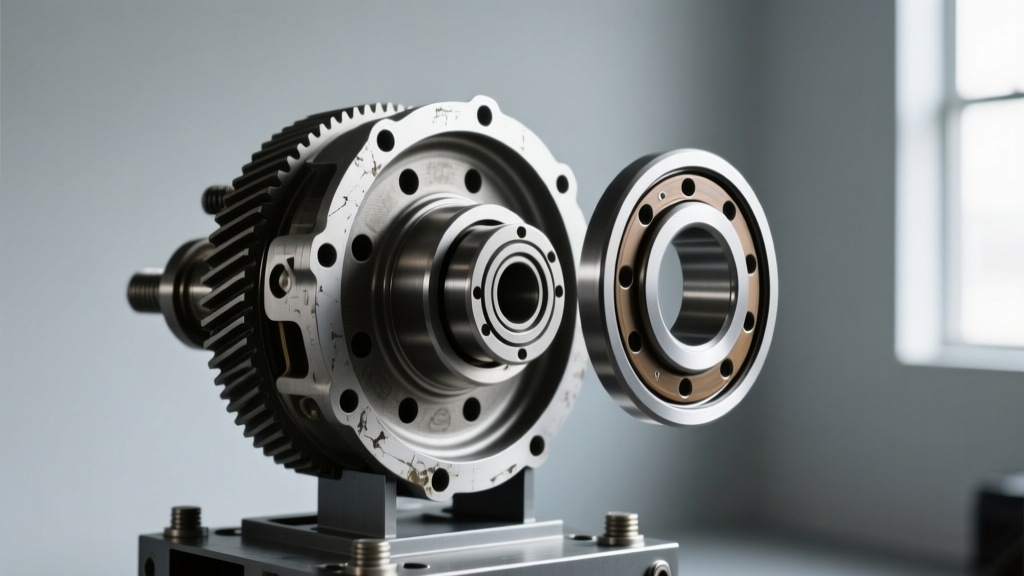
- Whining on Deceleration: While often a sign of ring-and-pinion wear, severe sludge can starve the pinion bearing of lubrication, causing premature bearing whine.
The Deep-Flush Protocol (Step-by-Step)
If you suspect differential constipation, do not simply drain and fill with expensive synthetic fluid; the new oil will be instantly contaminated by the residual sludge packed in the housing. Follow this shop-tested solvent flush protocol.
Step 1: The Initial Evacuation
Remove the differential cover (or drain plug) while the axle is warm. Allow the thick sludge to drain completely. Use a magnetic pick-up tool to extract any large metallic shards from the bottom of the housing. Inspect the ring and pinion gears for pitting or spalling.
Step 2: The Solvent Wash
Reinstall the cover using a temporary bead of RTV silicone or a reusable gasket. Fill the housing with a cheap, conventional 80W-90 mineral gear oil mixed with 8 ounces of a petroleum-based internal engine cleaner (such as Sea Foam or Liqui Moly Pro-Line Engine Flush). Note: Avoid harsh brake cleaners or chlorinated solvents, as these will permanently swell and destroy the composite friction discs.
Step 3: The Agitation Drive
Drive the vehicle for 30 to 50 miles, focusing on tight figure-eight patterns in an empty parking lot. This forces the clutch packs to slip and engage, allowing the solvent-laced oil to dissolve the varnish and flush the packed friction material out of the clutch pack recesses.
Step 4: Final Drain and Refill
Drain the flush mixture immediately upon returning. Clean the housing interior with lint-free shop towels. Re-seal the cover with high-temp RTV (like Permatex Ultra Black), allow it to cure for 12 hours, and refill with the correct volume of premium synthetic gear oil and the exact OEM friction modifier.
Reference Table: Common Axle Capacities and Torque Specs
Precision assembly is required when resealing the differential after a flush. Refer to the table below for common light-truck and SUV axle specifications.
| Axle Model | Cover Bolt Torque | Fill Plug Torque | Fluid Capacity | Recommended Viscosity |
|---|---|---|---|---|
| Ford 8.8-inch (Super 8.8) | 28 - 38 lb-ft | 22 - 30 lb-ft | 2.0 - 2.5 qts | 75W-140 Synthetic |
| GM 8.6-inch (10-Bolt) | 22 lb-ft | 25 lb-ft | 2.1 qts | 75W-90 Synthetic |
| Dana 44 (JK/JL Wrangler) | 30 - 40 lb-ft | 25 - 35 lb-ft | 2.0 qts | 75W-140 Synthetic |
| Toyota 8.0-inch (Tacoma) | N/A (Drop-out) | 30 lb-ft | 3.2 qts (Total) | 75W-90 GL-5 |
Source: Differentials.com Technical Database and OEM service manuals.
Selecting the Right Gear Oil and Additives
Once the "constipation" is cleared, preventing recurrence requires high-quality chemistry. For modern clutch-type LSDs, the base oil must possess high shear stability, while the friction modifier must be precisely dosed.
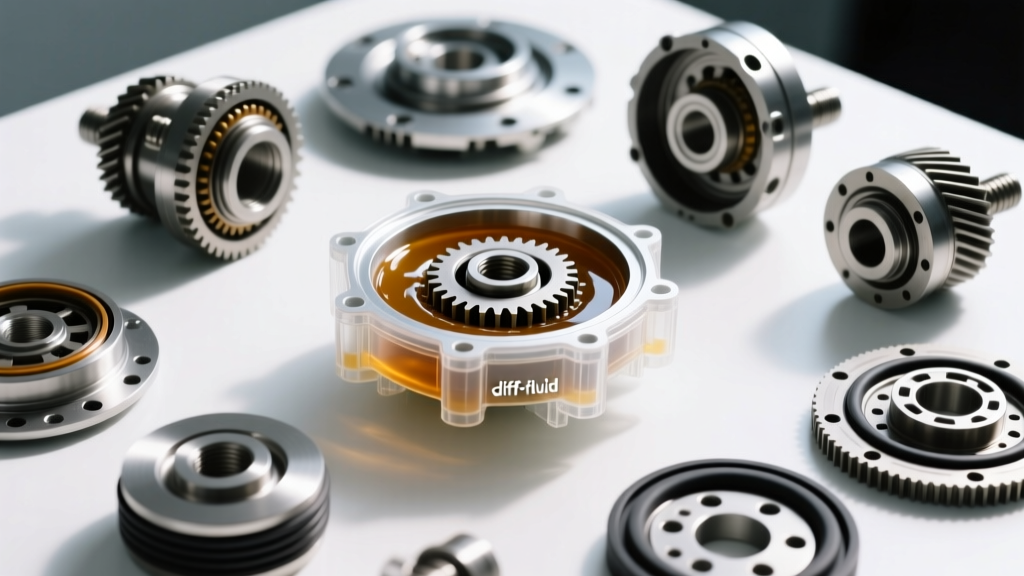
- Base Oils: Premium synthetics like Motul Gear 300 75W-90 or Red Line 75W140 offer superior film strength and resist thermal breakdown far better than conventional mineral oils.
- Friction Modifiers: Do not rely solely on "LS" (Limited Slip) labeled gear oils, as their pre-mixed modifier concentrations are often too low for heavily worn clutch packs. Always add the OEM-specific modifier. For GM Eaton Posi units, use GM EOS (Part #88900333). For Ford Traction-Lok axles, use Motorcraft XL-3 (Part #XL-3).
For comprehensive engineering data on clutch pack friction coefficients and torque bias ratios, consult the Eaton Automotive Differentials technical portal.
Conclusion
The "constipation differential" is not just a colorful mechanic's myth; it is a documented failure state caused by thermal degradation, moisture ingestion, and neglected maintenance intervals. By understanding the delicate interaction between hypoid gear pressures, composite friction materials, and sulfur-phosphorus additives, you can accurately diagnose restricted LSDs. Executing a proper solvent flush and adhering to precise torque specifications and fluid chemistry requirements will restore smooth torque biasing, eliminate low-speed chatter, and extend the life of your drivetrain for another 100,000 miles.