The AAM 9.25-Inch IFS: Understanding Your 2017 Ram 1500 Front Differential
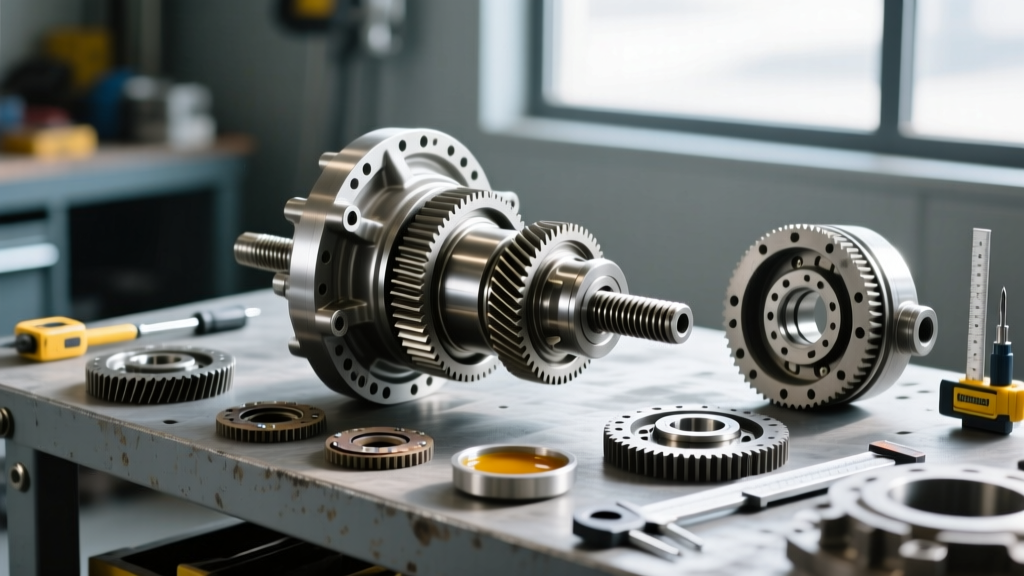
As we navigate the automotive landscape in 2026, the 2017 Ram 1500 remains a staple on job sites and trails alike. The 4x4 models are equipped with the robust American Axle Manufacturing (AAM) 9.25-inch Independent Front Suspension (IFS) differential. While this axle is renowned for its durability, the front differential is subjected to immense stress, steering angles, and environmental contamination. Consequently, differential bearing and seal replacement is a critical service interval for these trucks as they surpass the 100,000-mile mark.
Ignoring a weeping axle seal or a whining pinion bearing does not just result in messy driveways; it leads to catastrophic gear failure due to lubrication starvation. This expert guide details the precise procedures, torque specifications, and best practices for servicing the bearings and seals on the 2017 Ram 1500 front differential, ensuring your axle survives the toughest conditions.
Diagnosing Seal Leaks vs. Bearing Failure
Before tearing into the differential, accurate diagnosis is paramount. The AAM 9.25 IFS features three primary seal points and multiple bearing surfaces, each presenting unique failure symptoms.
- Axle Shaft Seals (Left and Right): Failure presents as gear oil slung on the inside of the brake rotors, lower control arms, and CV boots. If left unchecked, oil will contaminate the brake pads and degrade the rubber CV axle boots, leading to secondary suspension failures.
- Pinion Seal: A leaking pinion seal will coat the exhaust crossover, skid plates, and the front driveshaft. It is often accompanied by a high-pitched whine during acceleration or deceleration if the pinion bearing has suffered from low fluid levels.
- Carrier and Pinion Bearings: Bearing noise is load-dependent. A whining noise that changes pitch between coast (lifting off the throttle) and drive (accelerating) typically indicates pinion bearing wear. A continuous low-frequency hum or growl that correlates directly with vehicle speed—regardless of throttle position—usually points to worn carrier bearings or pitted ring and pinion gears.
Expert Tip: Always use a stethoscope or a long screwdriver placed against the differential housing (near the pinion snout and carrier bearing caps) while the vehicle is running on a lift to isolate bearing noise from transfer case or wheel bearing issues.
Essential Parts, Fluids, and Torque Specifications
Using OEM or premium aftermarket components is non-negotiable for the AAM 9.25. Cheap seals will warp during installation or fail within 10,000 miles due to inadequate lip tension. Below is the master reference table for your 2017 Ram 1500 front differential service.
| Component | OEM / Premium Part Reference | Torque Spec / Measurement |
|---|---|---|
| Front Axle Shaft Seal | Mopar 05211477AC / National 710928 | Seat flush with housing bore |
| Pinion Seal | Mopar 68084596AA / Timken 711043 | Seat flush; use seal driver |
| Differential Cover Bolts | OEM M8x1.25 Flange | 30-35 lb-ft |
| Front Hub Assembly Nut | OEM 12-Point Nut | 185 lb-ft |
| Pinion Nut (Crush Sleeve) | Prevailing Torque Nut | 15-25 in-lb rotating preload (Used) |
| Gear Oil Capacity | Mopar 75W-85 Synthetic | 1.25 Liters (2.6 Pints) |
For sourcing high-quality bearings and seals, drivetrain specialists frequently rely on catalogs like RockAuto's drivetrain section to cross-reference Timken and SKF part numbers with OEM Mopar listings.
Expert Walkthrough: Axle Shaft Seal Replacement
Replacing the axle shaft seals on the IFS requires partial disassembly of the front hub assembly. This is where patience and proper tooling prevent costly mistakes.
Disassembly and Extraction
Begin by removing the front wheel and the 36mm 12-point hub nut. You must use a high-quality impact wrench or a heavy-duty breaker bar with the brakes applied to break this 185 lb-ft nut loose. Disconnect the outer tie rod end and the upper and lower ball joints to allow the steering knuckle to swing outward. Carefully slide the CV axle shaft out of the differential side tube.
Once the shaft is removed, inspect the axle splines and the seal riding surface. Deep grooves worn into the axle shaft by a spinning seal lip will destroy a new seal instantly. If grooving is present, a speedy-sleeve or axle shaft replacement is required.
Use a dedicated internal seal puller to extract the old seal. Never use a screwdriver or pry bar against the machined aluminum or cast-iron bore of the differential housing. Scoring the bore will create a permanent bypass channel for gear oil, rendering the new seal useless.
Installation Best Practices
Lubricate the outer metal rim of the new National or Mopar seal with a thin film of gear oil. Apply a light coat of lithium grease to the inner rubber lip to prevent dry-start tearing when the axle is reinserted. Use a seal driver or a large socket that matches the exact outer diameter of the seal housing to tap it in perfectly square. Drive it flush with the housing edge—no deeper, no shallower.
Managing the Pinion Seal and the Crush Sleeve Dilemma
The pinion seal replacement on the 2017 Ram 1500 front differential is where amateur mechanics often cause catastrophic damage. The AAM 9.25 utilizes a crush sleeve to set pinion bearing preload. If you simply remove the pinion nut, swap the seal, and tighten the nut back down without measuring, you will over-crush the sleeve, resulting in extreme bearing preload, rapid heat generation, and total pinion bearing failure within 500 miles.
The Inch-Pound Preload Protocol
- Measure Initial Preload: Before removing anything, drain the differential fluid. Use an inch-pound torque wrench on the pinion nut to measure the rotating torque required to spin the pinion gear. For a used differential with broken-in bearings, this should read between 15 and 25 inch-pounds. Write this number down.
- Mark and Remove: Use a paint pen to mark the exact position of the pinion nut relative to the pinion shaft threads. Count the exact number of turns required to remove the nut. Remove the companion flange using a gear puller—never beat it off with a hammer, as this will shatter the pinion bearing races.
- Seal Swap: Pry out the old seal and tap the new Timken or Mopar seal into the bore using a seal driver.
- Reassembly and Preload Verification: Reinstall the flange and the pinion nut. Tighten the nut while frequently checking the rotating torque with your inch-pound wrench. You must hit your original recorded preload spec (e.g., 20 in-lbs). If you exceed 30 in-lbs, you have over-crushed the sleeve and must install a new crush sleeve and repeating the process.
Pro-Tip: Many axle builders recommend bypassing the crush sleeve entirely by installing a solid pinion spacer kit from Randy's Ring & Pinion. A solid spacer uses precision shims to set preload, eliminating the risk of over-tightening and allowing for infinite pinion nut removals without destroying the preload setup.
Carrier Bearing Replacement: When to Pull the Core
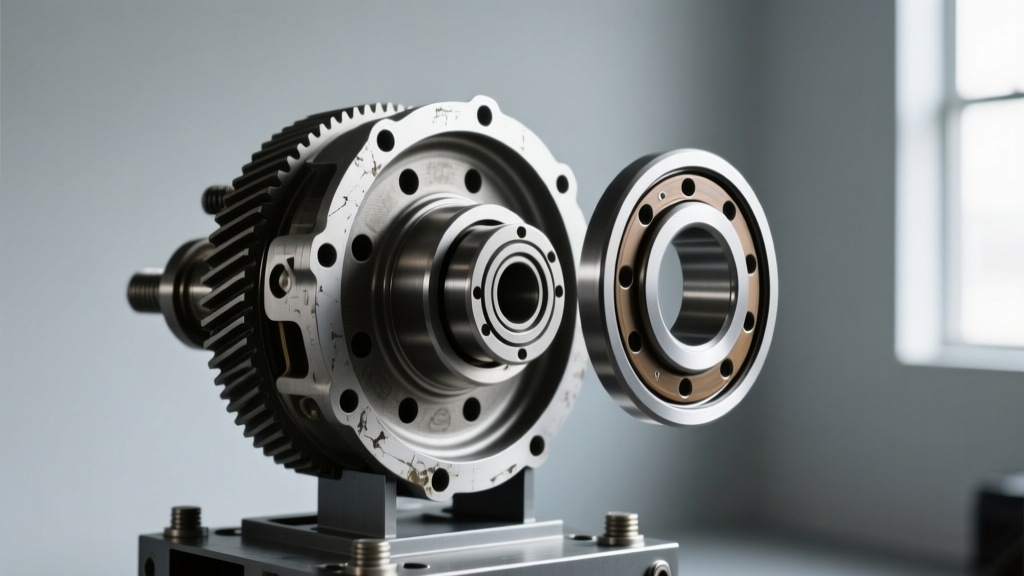
If your diagnostic test confirmed carrier bearing failure (speed-sensitive growling), seal replacement alone will not suffice. Replacing carrier bearings requires pulling the differential core, removing the ring gear, and utilizing a hydraulic press. This is a highly specialized procedure requiring dial indicators to verify backlash (typically 0.006 to 0.010 inches for the AAM 9.25) and gear contact pattern analysis using yellow marking compound. Unless you possess a bearing press, dial indicators, and shim kits, carrier bearing replacement should be outsourced to a dedicated drivetrain shop to prevent gear whine and premature failure.
Final Assembly and 75W-85 Fluid Fill Protocol
Once all seals are seated and the CV axles are carefully guided back into the differential side tubes (taking care not to slice the new seal lips on the splines), it is time for the final fill.
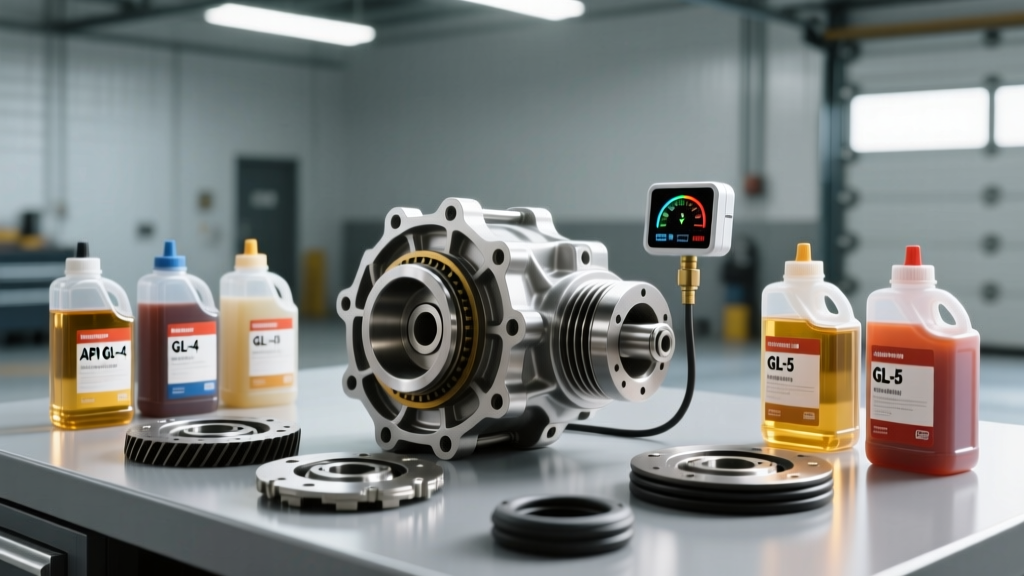
The 2017 Ram 1500 front differential requires approximately 1.25 liters (2.6 pints) of gear oil. While older solid axles often used thick 75W-140, the AAM 9.25 IFS operates at higher RPMs and tighter tolerances. Mopar specifies a 75W-85 Synthetic Gear Oil. Using a heavier weight oil can lead to inadequate splash lubrication at the pinion bearings during cold starts and excessive operating temperatures due to fluid friction.
Reinstall the differential cover using a new RTV silicone bead or a high-quality pre-cut gasket. Torque the M8 cover bolts in a crisscross pattern to 30-35 lb-ft. Fill the differential through the top plug until the fluid reaches the bottom edge of the fill hole threads. Reinstall the fill plug, torque to 25 lb-ft, and wipe down the housing. Finally, torque the front hub nuts to 185 lb-ft, reinstall the wheels, and perform a 20-mile test drive, monitoring the pinion snout for excessive heat and the housing for leaks.
By adhering to these precise torque specs, utilizing premium seals, and respecting the crush sleeve preload dynamics, your 2017 Ram 1500 front differential will remain sealed, quiet, and reliable for the next 100,000 miles of service.