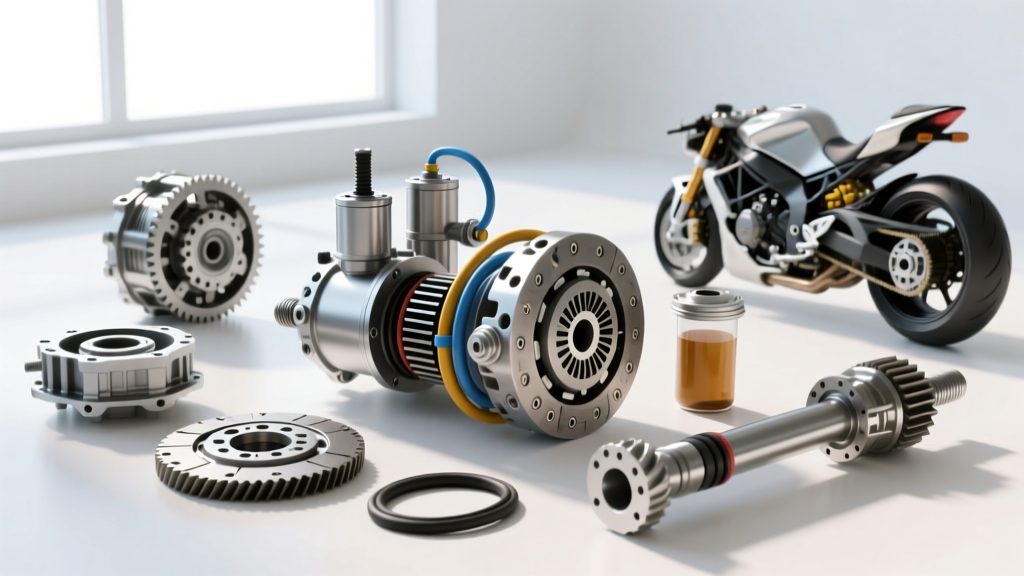
Does an Automatic Gearbox Have a Clutch? The Commercial Reality
When passenger car enthusiasts ask, "does an automatic gearbox have a clutch?", the standard answer often revolves around torque converters and fluid coupling. However, in the heavy-duty commercial sector—spanning Class 6 through Class 8 vehicles—the engineering reality is vastly different. Modern commercial automatics and Automated Manual Transmissions (AMTs) rely entirely on complex, high-torque clutch systems to manage immense power outputs.
Whether you are diagnosing a slipping ZF Traxon on a freight hauler or upgrading the internal wet clutch packs of an Allison 3000 series for severe-duty PTO (Power Take-Off) applications, understanding the architecture of these clutches is critical. In 2026, with engine torque ratings routinely exceeding 2,050 lb-ft, the clutch remains the most vital wear component in the commercial drivetrain.
The Architecture of Commercial Automatic Clutches
To properly diagnose and upgrade heavy-duty transmissions, we must divide the market into two primary clutch architectures:
- Wet Multi-Plate Clutches (Planetary Automatics): Found in Allison Transmission models like the 1000, 3000, and 4000 series. These utilize multiple friction and steel plates bathed in synthetic fluid to engage planetary gear sets.
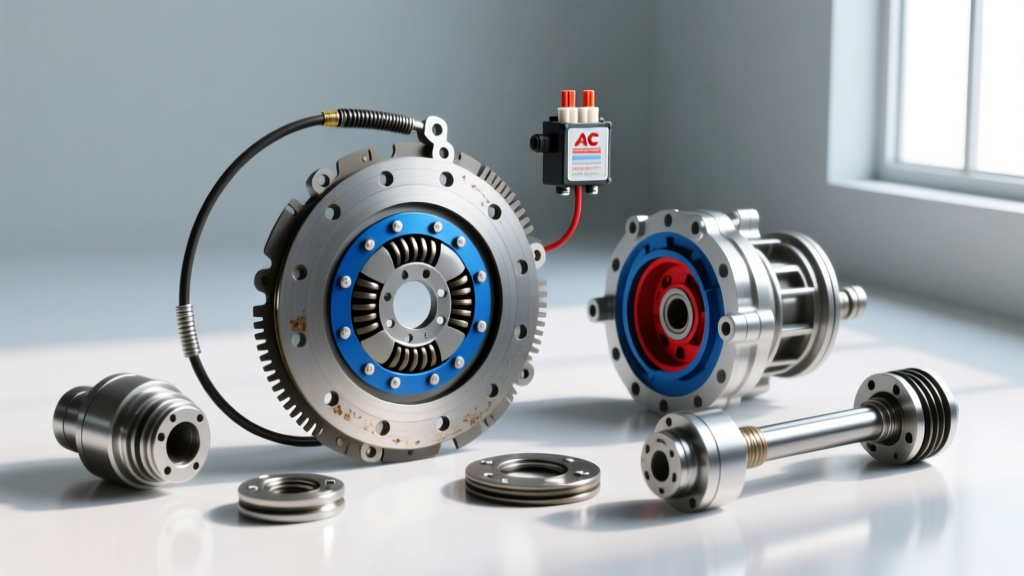
- Dry Single/Dual-Plate Clutches (AMTs): Found in automated manuals like the ZF Traxon and Eaton Endurant XD. These use a traditional dry friction disc and pressure plate, but are actuated by sophisticated electromechanical or pneumatic systems rather than a driver's left foot.
High-Torque Failure Modes in Class 8 AMTs
Automated Manual Transmissions dominate the modern long-haul market due to their efficiency. However, the dry clutches in these systems are subjected to brutal thermal cycling, especially during low-speed maneuvering or heavy Gross Combination Weight (GCW) launches.
Diagnostic Symptoms of AMT Dry Clutch Wear
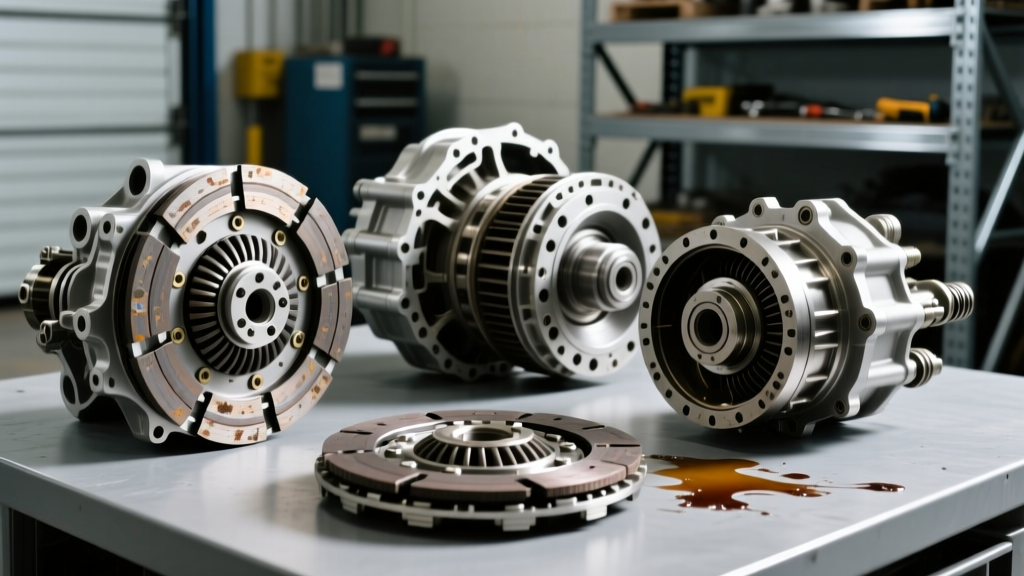
Unlike manual transmissions where a driver can "feel" the slip, AMT clutch wear often manifests as electronic fault codes or erratic shifting behaviors before physical slip is obvious. Look for these specific indicators:
- Launch Shudder Under Load: A violent vibration when engaging first gear at maximum GCW (e.g., 80,000 lbs). This indicates uneven friction material wear or hot spots on the flywheel.
- Actuator Motor Overheating: In systems like the Eaton UltraShift, the clutch actuator motor will draw excessive amperage if the clutch brake or throw-out bearing is binding, leading to "Clutch Actuator Fault" codes on the telematics dash.
- Creep Degradation: Modern AMTs simulate torque converter "creep." If the truck fails to creep forward on flat ground without throttle input, the clutch gap has exceeded the self-adjusting clutch (SAC) mechanism's limits.
Diagnostic Data: ZF Traxon vs. Eaton Endurant XD
| Transmission Model | Clutch Type | Max Torque Capacity | Common Failure Point | Estimated Upgrade/Repair Cost |
|---|---|---|---|---|
| ZF Traxon (12TX) | Dry Single/Dual Plate | 2,500 lb-ft (3,400 Nm) | ConAct (Concentric Actuator) seal blowout | $4,200 - $5,800 |
| Eaton Endurant XD | Dry Self-Adjusting (SAC) | 2,050 lb-ft (2,780 Nm) | Clutch brake wear / Actuator motor burnout | $3,800 - $5,200 |
| Allison 3000 Series | Internal Wet Multi-Plate | 1,250 lb-ft (1,695 Nm) | C3/C4 clutch pack glazing under PTO load | $6,500 - $9,500 (Rebuild) |
Note: Costs reflect 2026 heavy-duty commercial shop rates including OEM or premium aftermarket parts and heavy equipment hoist time.
Performance Upgrades for Allison Wet Clutch Packs
For vocational trucks, logging rigs, and heavy-haul wreckers utilizing Allison planetary automatics, the OEM paper-based or standard synthetic friction materials often fail under sustained high-slip conditions. When the question shifts from "does an automatic gearbox have a clutch" to "how do I make it unbreakable?", the answer lies in aftermarket friction technology.
Alto Red Eagle and Kolene Steel Upgrades
When rebuilding an Allison 1000, 2000, or 3000 series for severe-duty performance, standard OEM clutch packs should be replaced with Alto Products Red Eagle friction plates paired with Kolene-treated steel separators.
- Friction Material: Red Eagle utilizes a specialized Kevlar and carbon matrix that increases the coefficient of friction by up to 15% while resisting thermal breakdown up to 400°F (204°C).
- Steel Plates: Kolene (salt-bath nitrocarburized) steels prevent warping and provide superior heat dissipation. This is critical for the C1 and C3 clutch packs, which handle the brunt of the torque multiplication in first and second gears.
- Part Number Reference: For the Allison 1000/2000 series, the Alto Red Eagle master rebuild kit (Part # 104400-06K) includes all necessary friction and Kolene steels to handle up to 800 rear-wheel horsepower in performance diesel applications.
Expert Tech Tip: When upgrading to high-friction Red Eagle clutches in heavy-duty Allison units, you must increase the line pressure via a TransGo or PCS (Performance Control Systems) valve body recalibration kit. Higher friction materials require firmer hydraulic apply pressure to prevent micro-slipping, which generates more heat than full lock-up.
Thermal Management and Fluid Dynamics
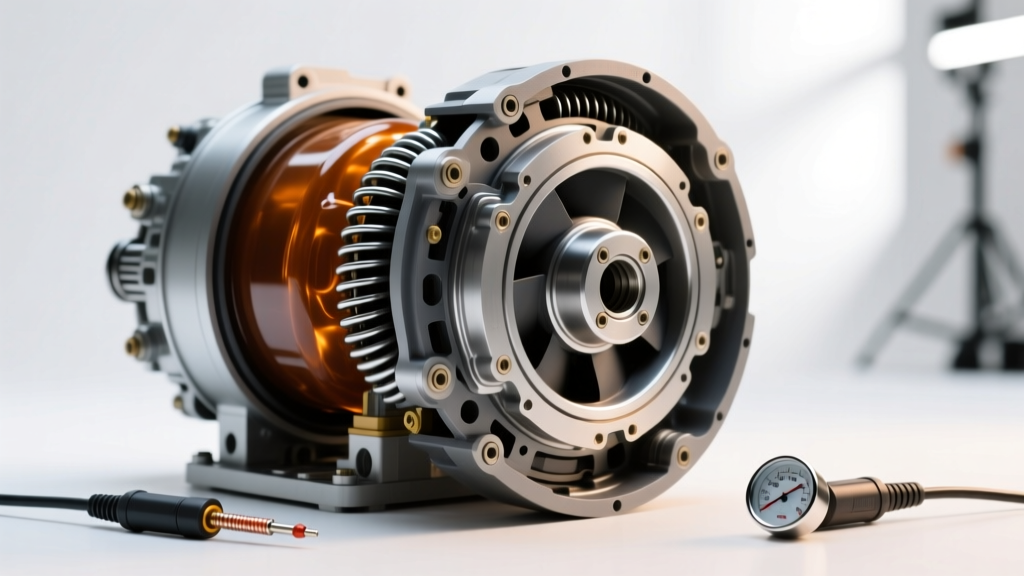
A clutch is only as durable as the fluid cooling it. In heavy-duty automatics, the transmission fluid acts as both a hydraulic medium and a coolant for the wet clutch packs.
Fluid Specifications for 2026 Fleet Standards
Older TES 295 fluids are being rapidly phased out in favor of Allison's TES 668 specification. TES 668 is a lower-viscosity, full-synthetic fluid designed to reduce parasitic drag while maintaining the sheer stability required to protect wet clutch friction surfaces under extreme GCW launches.
- Capacity: An Allison 3000 series with a standard shallow pan holds approximately 28 quarts.
- Deep Pan Upgrade: Installing a Mag-Hytec or PPE cast aluminum deep pan increases fluid capacity by 4 to 6 quarts and adds external cooling fins, dropping overall clutch pack operating temperatures by 15°F to 25°F during sustained grade climbing.
Step-by-Step: Diagnosing Clutch Slip Under Maximum GCW
If a heavy-duty automatic is suspected of slipping under load, do not immediately condemn the transmission. Follow this diagnostic protocol:
- Verify Engine Output: Use a dynamometer or telematics data to ensure the engine is actually producing rated torque. A de-rated engine (due to DEF system faults or clogged DPF) will mimic transmission slip because the torque converter cannot achieve lock-up.
- Monitor Turbine Speed vs. Output Speed: Using a commercial scan tool (like NEXIQ or Allison DOC), monitor the RPM delta between the torque converter turbine shaft and the transmission output shaft. A delta exceeding 150 RPM in a locked gear under heavy throttle confirms internal clutch pack slip.
- Check Main Modulator Pressure: Connect a physical 0-300 PSI hydraulic gauge to the main line pressure tap. Under wide-open throttle (WOT), line pressure should spike to 220-250 PSI (depending on the specific Allison model). If pressure drops as RPM rises, the issue is a failing main boost valve or pump wear, not the clutch packs themselves.
Torque Specs and Reassembly Best Practices
When reinstalling a heavy-duty transmission after a clutch pack rebuild or AMT clutch replacement, precision is non-negotiable. Misalignment causes catastrophic clutch drag and premature throw-out bearing failure.
- Bellhousing to Engine Block: For SAE 1/2"-13 UNC Grade 8 bolts commonly used on Cummins X15 and Detroit DD15 mating surfaces, the final torque specification is 75 to 85 lb-ft, tightened in a star pattern.
- AMT Clutch Actuator Calibration: On ZF and Eaton AMTs, the clutch actuator must be recalibrated using the OEM software suite (e.g., Eaton ServiceRanger) after any clutch replacement. Failing to perform the "Clutch Touch Point" calibration will result in immediate gear grinding and actuator motor failure.
Summary: Commercial Clutch Longevity
So, does an automatic gearbox have a clutch? In the commercial sector, the answer is an emphatic yes, and it is the most critical component dictating your truck's uptime. Whether you are maintaining the dry SAC clutches of a ZF Traxon or upgrading the internal wet packs of an Allison 3000 with Red Eagle frictions, proactive diagnostics and performance-oriented fluid management are the keys to surviving the most punishing haul routes on the road.