Clinical Diagnosis of Clutch Slipping: Beyond the Friction Disc
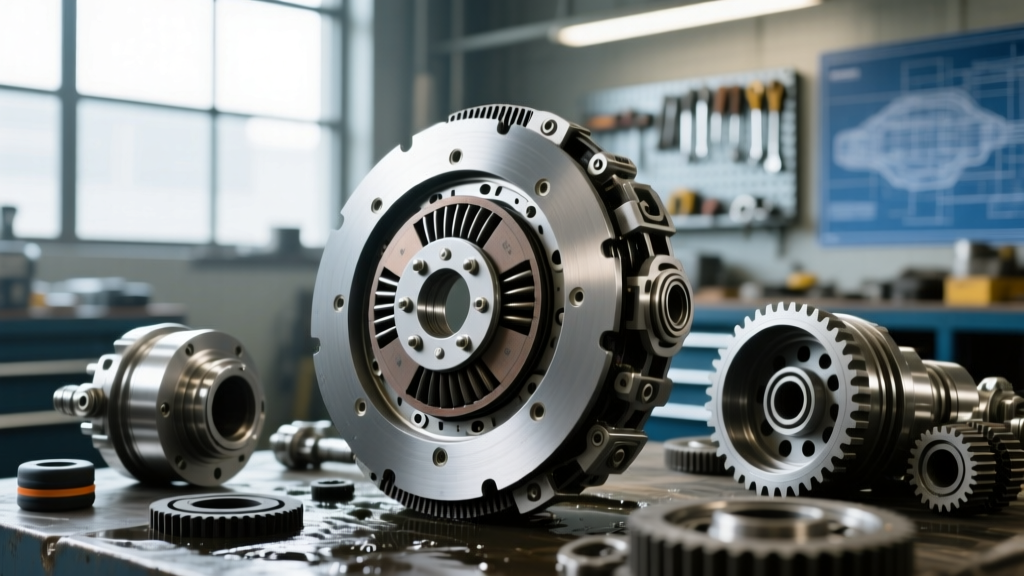
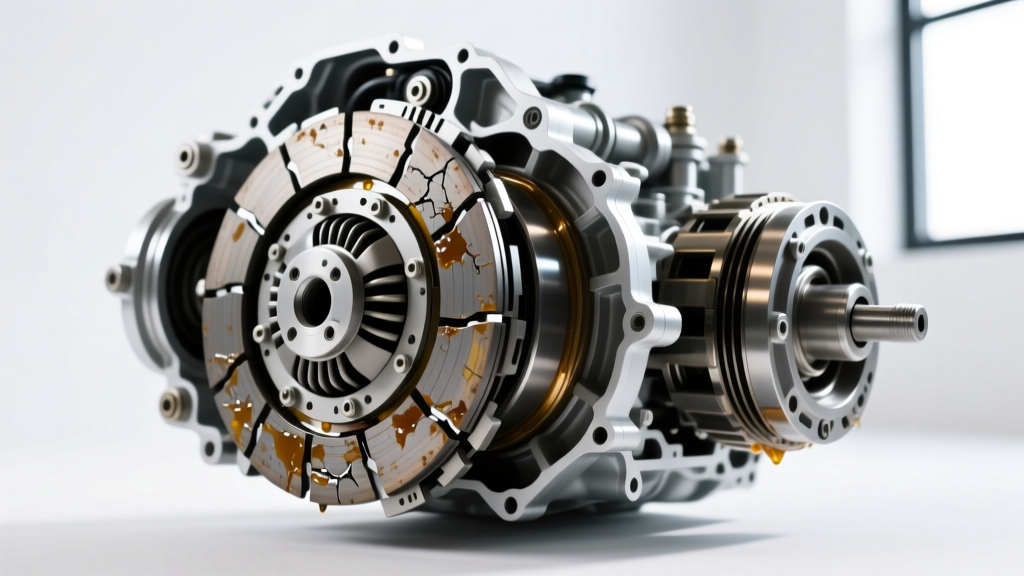
When a manual transmission vehicle exhibits RPM flare without a proportional increase in vehicle speed, the immediate assumption is often a worn friction disc. However, as a senior diagnostic technician, I can confirm that clutch slipping is frequently a secondary symptom of a deeper mechanical or hydraulic failure. In the modern automotive landscape—ranging from the Tremec T56 Magnum found in performance applications to the Subaru FA24-powered GR86/BRZ platforms—slipping generates catastrophic heat, often exceeding 600°F at the friction interface. This thermal event not only glazes the friction material but also compromises the release bearing and pilot bearing. Therefore, an accurate clutch slipping diagnosis must be paired with a rigorous preventive maintenance mindset, where a complete clutch bearing replacement is treated as a mandatory protocol, not an optional upsell.
The Road-Test Protocol: Quantifying the Slip
Before tearing into the bellhousing, you must verify the slip under controlled load. The standard diagnostic procedure involves the following steps:
- The High-Gear Stall Test: Find a safe, empty incline. Engage 3rd or 4th gear at approximately 2,500 RPM and apply wide-open throttle (WOT). If the engine RPM climbs rapidly while the speedometer lags, the clutch is slipping.
- Thermal Sniff Test: A slipping organic clutch (typically composed of asbestos-free organic compounds with a coefficient of friction around 0.35 to 0.40) will emit a distinct, acrid burning odor. Conversely, sintered iron or Kevlar clutches may not smell but will exhibit severe chatter and aggressive engagement upon cooling.
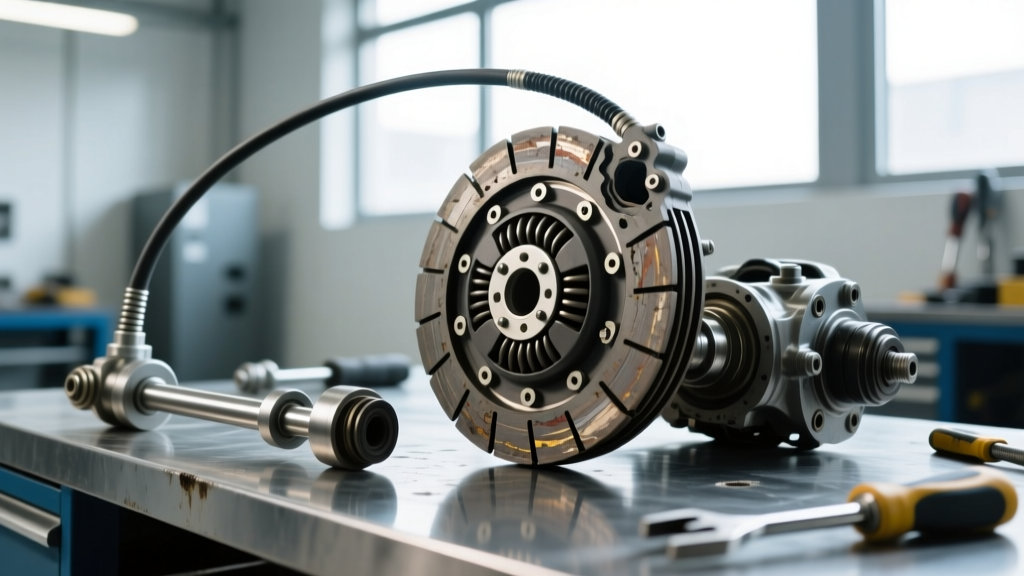
- Pedal Free-Play Measurement: Using a steel ruler, measure the pedal free-play. For cable-actuated systems, 0.5 to 1.0 inches of free-play is required to ensure the throw-out bearing is not riding the pressure plate fingers. A lack of free-play causes the bearing to apply constant, partial disengagement force, directly resulting in clutch slip.
The Hidden Culprit: How Bearing Failure Causes Slipping
Many technicians overlook the release (throw-out) bearing when diagnosing a slip. According to technical bulletins published on Schaeffler's REPXPERT portal, a binding or collapsing release bearing can fail to retract fully when the clutch pedal is released. If the hydraulic slave cylinder lacks the return force to pull the bearing away from the diaphragm spring, the pressure plate clamping load is reduced. This microscopic gap allows the friction disc to slip under high torque loads.
Furthermore, a seized pilot bearing in the crankshaft flange creates rotational drag on the transmission input shaft. This drag forces the friction disc to work against the momentum of the engine even when fully engaged, accelerating wear and generating the heat that leads to slipping. Thus, addressing the root cause often hinges on a proactive clutch bearing replacement strategy during the initial diagnostic teardown.
Hydraulic System Evaluation: The Bypass Factor
In hydraulic clutch systems (utilizing DOT 3, DOT 4, or DOT 5.1 fluid), internal master cylinder bypass is a notorious cause of slipping. If the primary cup seal inside the clutch master cylinder degrades, fluid bypasses the seal under high-pressure engagement, slowly pushing the slave cylinder forward. This inadvertently rides the clutch bearing against the pressure plate, causing a slip that worsens as the car sits in traffic. Always check for fluid weeping at the slave cylinder pushrod and verify the master cylinder pushrod clearance (typically 0.010" to 0.020" of air gap) to prevent pre-loading the hydraulic system.
Preventive Maintenance: Clutch Bearing Replacement Matrix
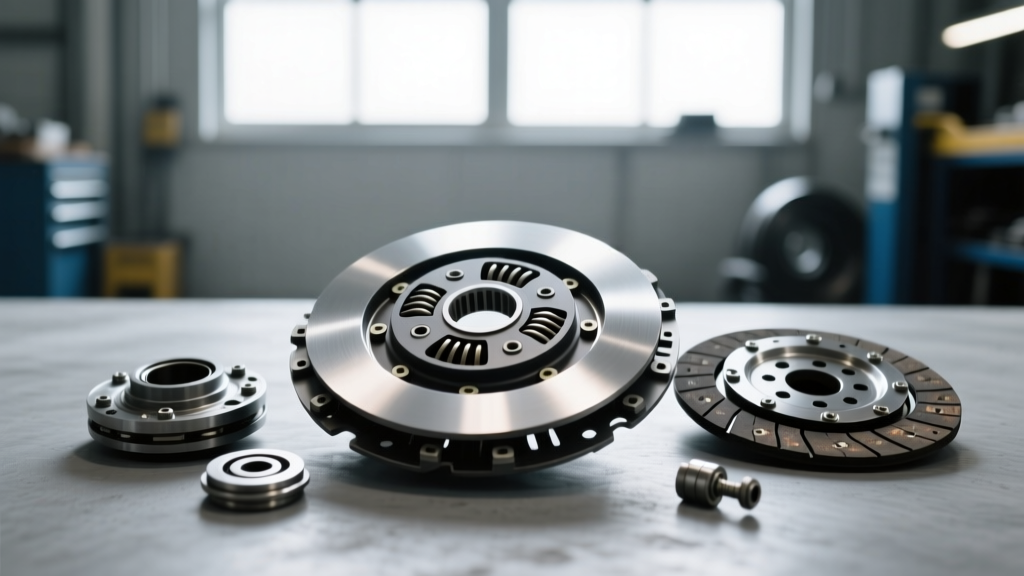
When a slipping clutch necessitates a teardown, replacing only the friction disc is a critical error. The thermal degradation caused by slipping compromises the grease inside sealed angular-contact release bearings and damages the sintered bronze or needle-roller pilot bearings. Below is a preventive maintenance matrix outlining why comprehensive replacement is the only viable path forward.
| Component | Failure Mode from Slipping | Preventive Action | Avg. Part Cost (2026) |
|---|---|---|---|
| Release (Throw-Out) Bearing | Grease melt, collar scoring, carbon-face cracking | Mandatory replacement; upgrade to sealed angular-contact | $45 - $90 |
| Pilot Bearing | Seizure due to heat transfer from input shaft drag | Extract and replace; verify crankshaft bore runout | $12 - $35 |
| Clutch Fork & Pivot Ball | Wear grooves causing erratic bearing travel | Inspect for galling; replace if wear exceeds 0.020" | $30 - $65 |
| Slave Cylinder (Concentric) | Heat degradation of internal rubber seals | Replace if equipped with internal CSC; bleed with DOT 4 | $85 - $160 |
Flywheel Runout and Surface Preparation
A slipping clutch generates localized hot spots on the flywheel friction surface, leading to thermal warping. If you perform a clutch bearing replacement and install a new clutch kit on a warped flywheel, the new assembly will suffer from severe chatter and premature slip. According to AA1Car's diagnostic guidelines, flywheel runout must be measured using a dial indicator mounted to the engine block. Maximum allowable runout is typically 0.005 inches (0.127 mm). If the flywheel is a dual-mass flywheel (DMF), such as those found in VW/Audi TDI or Ford PowerStroke applications, resurfacing is generally not recommended by OEMs; complete replacement of the DMF and the associated internal damping springs is required to prevent immediate recurrence of drivetrain shudder and slip.
Precision Assembly: Torque Specifications & Best Practices
Preventive maintenance extends to the precision of the reassembly. Improper torque sequencing on the pressure plate can distort the diaphragm spring, altering the clamping force and inducing a slip under heavy load. Always adhere to OEM specifications. Below are standard reference specifications for common platforms:
- GM LS-Series (e.g., 5.3L/6.0L V8): Flywheel-to-crank bolts require 25 lb-ft plus an additional 50 degrees of rotation. Pressure plate-to-flywheel bolts (typically M8x1.25) must be torqued to 22 lb-ft in a crisscross star pattern.
- Ford Modular 4.6L/5.0L: Flywheel bolts are generally torqued to 59 lb-ft. Ensure the alignment dowels are intact; missing dowels cause bellhousing misalignment, leading to premature release bearing wear and subsequent clutch slip.
- Subaru FA20/FA24 (Boxer): Flywheel bolts require 54 lb-ft. Due to the horizontal orientation, ensure the pilot bearing is seated perfectly flush to prevent input shaft binding.
Expert Diagnostic Tip: When bleeding a hydraulic clutch system after a concentric slave cylinder replacement, gravity bleeding is rarely sufficient to remove micro-bubbles trapped in the high points of the bellhousing. Use a pressure bleeder set to 15-20 PSI, and physically manipulate the slave cylinder pushrod by hand (if accessible) to force trapped air back into the master cylinder reservoir before final pedal pumping.
Conclusion: The Cost of Ignoring the Bearings
Diagnosing a slipping clutch requires looking past the obvious friction material wear and investigating the mechanical ecosystem that controls clamping force. A binding release bearing, a seized pilot bearing, or a bypassing master cylinder will destroy a brand-new friction disc in a matter of miles. By integrating a comprehensive clutch bearing replacement protocol into your preventive maintenance workflow, you eliminate the root causes of partial disengagement and thermal runaway. For further technical specifications on manual transmission tolerances and clutch dynamics, reference the engineering resources available directly from Tremec's technical documentation. Treating the clutch as a complete, interdependent system rather than a simple wear item is the hallmark of elite drivetrain diagnostics.