The Anatomy of Drivetrain Clutch Slip in 2026
Clutch slipping is one of the most misunderstood symptoms in modern drivetrain diagnostics. Whether you are driving a vehicle equipped with a traditional manual friction clutch or an automatic transmission utilizing a Torque Converter Clutch (TCC), slip manifests as a disconnect between engine RPM and vehicle speed. However, as we navigate the 2026 automotive service landscape, the proliferation of complex accessory drive systems has introduced a new layer of diagnostic confusion. Technicians and DIY enthusiasts frequently misattribute engine bogging and parasitic drag to transmission failure when the root cause lies elsewhere.
In this comprehensive preventive maintenance guide, we will dissect the exact symptoms of manual and automatic clutch slip, outline precise diagnostic procedures, and expose a common diagnostic trap involving accessory drive components that mimics drivetrain failure.
Manual Transmission: Friction Disc and Hydraulics
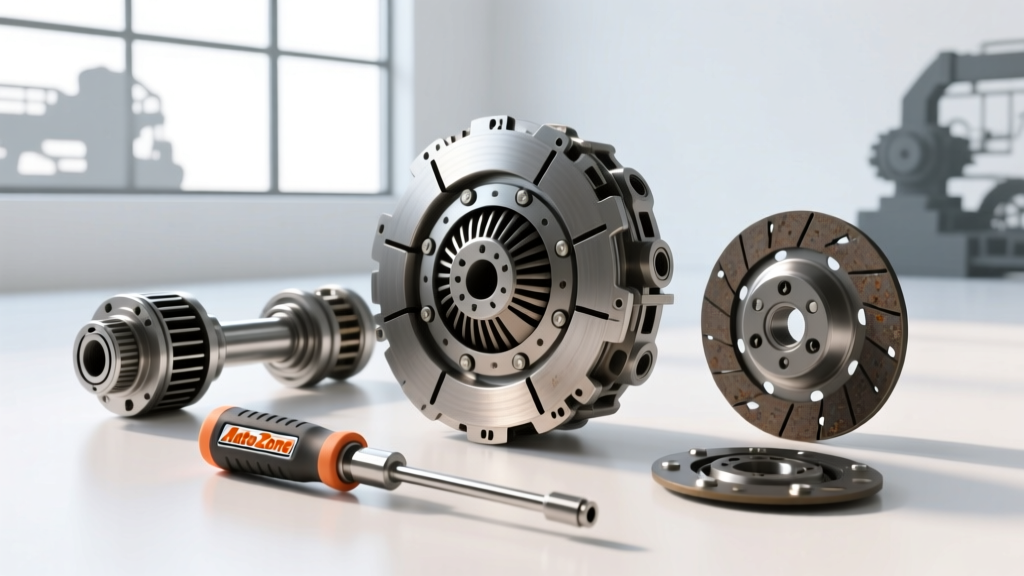
In a manual transmission setup, such as the ubiquitous Tremec T56 Magnum or Honda K-series cable-driven systems, clutch slip occurs when the friction disc can no longer maintain a static lock against the flywheel under load.
Primary Symptoms of Mechanical Slip
- RPM Flare: Under heavy throttle in higher gears (3rd or 4th), engine RPMs surge without a proportional increase in vehicle speed.
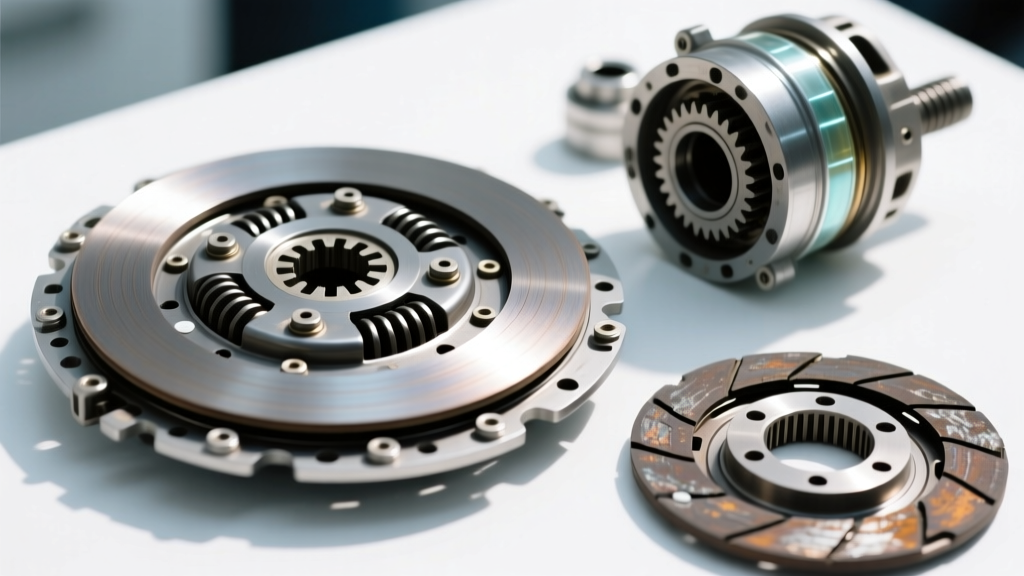
- Loss of Hill-Climbing Ability: The vehicle struggles to maintain speed on inclines, often accompanied by a distinct burning odor (glazed friction material).
- Pedal Engagement Point Shift: The clutch engages unusually high on the pedal travel, indicating severe wear on the friction disc or a failing pressure plate diaphragm.
Diagnostic Measurements and Specifications
Before condemning the clutch assembly, verify the hydraulic system and pedal freeplay. Most hydraulic concentric slave cylinder (CSC) systems require 1.0 to 1.5 inches of freeplay at the pedal pad. Insufficient freeplay prevents the release bearing from fully retracting, causing premature wear and slip.
If a teardown is required, precision measurements are non-negotiable. When installing a replacement kit (such as the LuK 04-163 RepSet), the flywheel must be measured for lateral runout. According to AA1Car diagnostic guidelines, flywheel runout must not exceed 0.004" TIR (Total Indicator Reading). If the flywheel requires resurfacing, never remove more than 0.020" of material; otherwise, the pressure plate springs will be over-extended, reducing clamping force and guaranteeing future slip. Torque the pressure plate bolts to 25-35 lb-ft in a star pattern, and ensure the flywheel-to-crankshaft bolts are torqued to 74-85 lb-ft depending on the specific application.
Automatic Transmissions: TCC Shudder and Slip
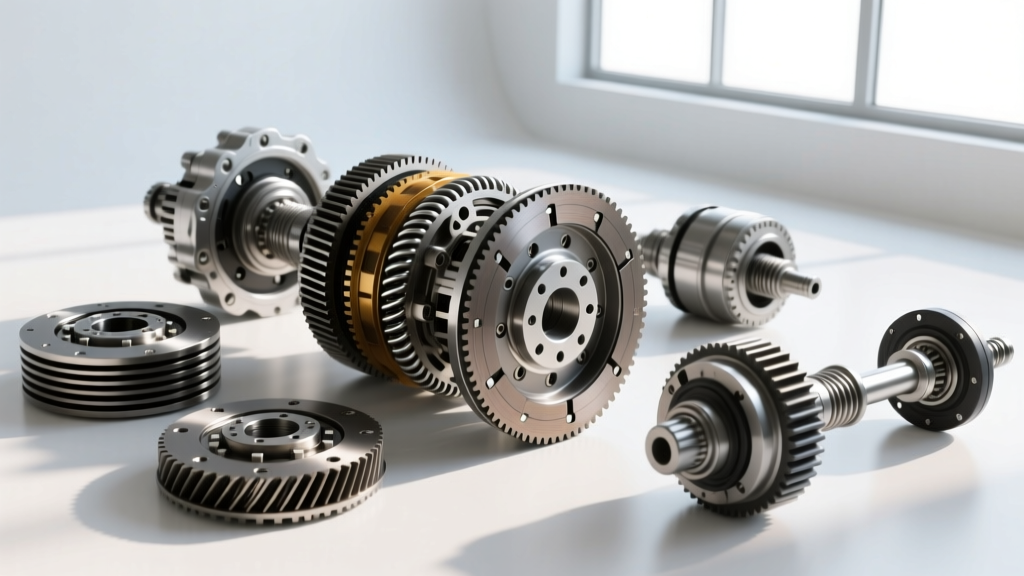
Modern automatics, including the GM 6L80 and the ZF 8HP, rely heavily on the Torque Converter Clutch (TCC) for fuel efficiency. The TCC is an internal friction clutch that locks the engine directly to the transmission input shaft.
Identifying TCC Slip Codes
TCC slip rarely feels like a traditional manual clutch slip. Instead, it often presents as a low-frequency shudder (20-45 Hz) during light throttle application at 40-55 MPH, or triggers diagnostic trouble codes like P0741 (TCC Performance/Stuck Off) or P0742 (TCC Stuck On).
Diagnosis requires a bi-directional scan tool to monitor TCC slip speed. Under steady-state cruise, TCC slip should be less than 20 RPM. If slip exceeds 100 RPM, the issue is either internal friction material degradation or a failing Pulse Width Modulation (PWM) solenoid. Test the TCC PWM solenoid resistance; a healthy ZF 8HP solenoid typically reads between 10 and 14 ohms at 68°F. If resistance is out of spec, replace the solenoid body assembly before condemning the entire torque converter.
The Diagnostic Trap: Parasitic Drag vs. True Slip
One of the most frequent misdiagnoses in front-wheel-drive and longitudinal manual platforms is confusing engine parasitic drag with drivetrain clutch slip. When an engine bogs down under load, the driver feels a lack of acceleration and assumes the clutch is slipping. However, the transmission may be perfectly healthy.
Why the AC Compressor Clutch Fuse Gets Blamed
The accessory drive belt connects the crankshaft to the alternator, water pump, and AC compressor. The AC compressor is engaged via an electromagnetic clutch. When diagnosing front-end engine drag that mimics drivetrain slip, technicians often check the ac compressor clutch fuse to isolate the AC system. The logic is simple: pull the fuse, disable the compressor, and see if the engine bogging disappears.
However, this test can be deeply misleading. If the ac compressor clutch fuse is intact, but the electromagnetic coil is shorting or the clutch hub air-gap has closed due to wear, the compressor may be partially engaging and binding. Worse, if the AC compressor pulley bearing is failing, it will create massive rotational drag regardless of whether the clutch is electronically engaged or disabled.
When a driver experiences this severe rotational drag, the engine ECU may aggressively alter ignition timing to compensate for the load, resulting in a sluggish, bogging sensation that perfectly mimics a slipping friction disc. Always perform a physical accessory drive test: remove the serpentine belt and run the engine briefly. If the bogging disappears and RPM response normalizes, your drivetrain clutch is fine, and your issue is a seized accessory pulley or a failing AC compressor hub.
Preventive Maintenance and Fluid Specifications
Preventing clutch slip requires adherence to strict maintenance intervals. The friction materials in both manual and automatic systems rely on proper thermal management and hydraulic integrity.
| System Component | Maintenance Action | Specification / Interval | Estimated Cost (2026) |
|---|---|---|---|
| Manual Hydraulic System | Flush DOT 3/DOT 4 Fluid | Every 30,000 miles or 2 years | $45 - $85 |
| Automatic TCC (6L80/8HP) | Fluid & Filter Service | Every 60,000 miles (severe use) | $250 - $400 |
| Clutch Master Cylinder | Inspect for internal bypass | Check pedal drop every 15,000 miles | $120 - $220 (Part) |
| Accessory Drive Pulleys | Check bearing play & AC clutch gap | Every serpentine belt replacement | $35 - $90 (Tensioner) |
Hydraulic Bleeding Best Practices
Air in the hydraulic clutch system is a primary cause of incomplete clutch engagement, which leads to slip. Gravity bleeding is often insufficient for modern CSC setups. Use a pressure bleeder set to 15 PSI to push fluid from the master cylinder down to the transmission-mounted slave cylinder. Ensure you are using fresh DOT 4 fluid with a dry boiling point of at least 446°F (230°C) to prevent vapor lock in high-heat bellhousing environments.
Final Verification and Road Testing
After any drivetrain repair or accessory drive correction, a standardized road test is mandatory. For manual transmissions, perform a stall test in a safe, open environment: engage 3rd gear, apply the parking brake, and slowly release the clutch while monitoring RPMs. A healthy clutch will stall the engine between 1,800 and 2,200 RPM. If the engine continues to run and RPMs climb past 2,500, the clutch is still slipping, or the flywheel surface is contaminated with oil from a leaking rear main seal.
For automatic TCC concerns, monitor the transmission fluid temperature (TFT). TCC apply is often disabled by the ECU until the fluid reaches 68°F to 104°F. Ensure your road test is conducted at full operating temperature to avoid false-positive slip diagnoses.
By understanding the precise mechanical thresholds of your drivetrain and avoiding the diagnostic pitfalls of accessory drive drag, you can accurately pinpoint the root cause of clutch slipping symptoms and execute repairs with confidence. For further reading on electromagnetic clutch diagnostics and accessory drive troubleshooting, consult the technical bulletins available via RockAuto’s repair literature database and OEM service portals.