The Misdiagnosis Trap: Parasitic Drag vs. Transmission Clutch Failure
When a vehicle exhibits severe drivetrain chatter, sluggish acceleration, or uncommanded RPM flares, the immediate assumption among novice technicians is a failing transmission clutch or a degraded torque converter. However, in the 2026 diagnostic landscape, experienced drivetrain specialists know that engine parasitic drag—specifically from a seized thermal fan clutch—can perfectly mimic transmission clutch failure modes. Before dropping a transmission or condemning a ZF 8HP torque converter, a rigorous root cause analysis is required. This guide explores the mechanical overlap between engine-driven and transmission-driven clutch failures, and provides a buyer's guide comparing the utility of an AutoZone fan clutch tool set against dedicated transmission diagnostic equipment.
Deconstructing Clutch Failure Modes and Root Causes
To accurately diagnose rotational slip and chatter, we must first isolate the specific failure mode of the clutch system in question. Clutch failures generally fall into three distinct categories: friction material degradation, hydraulic actuation bypass, and thermal/viscous lockup.
1. Transmission Friction and TCC Failures
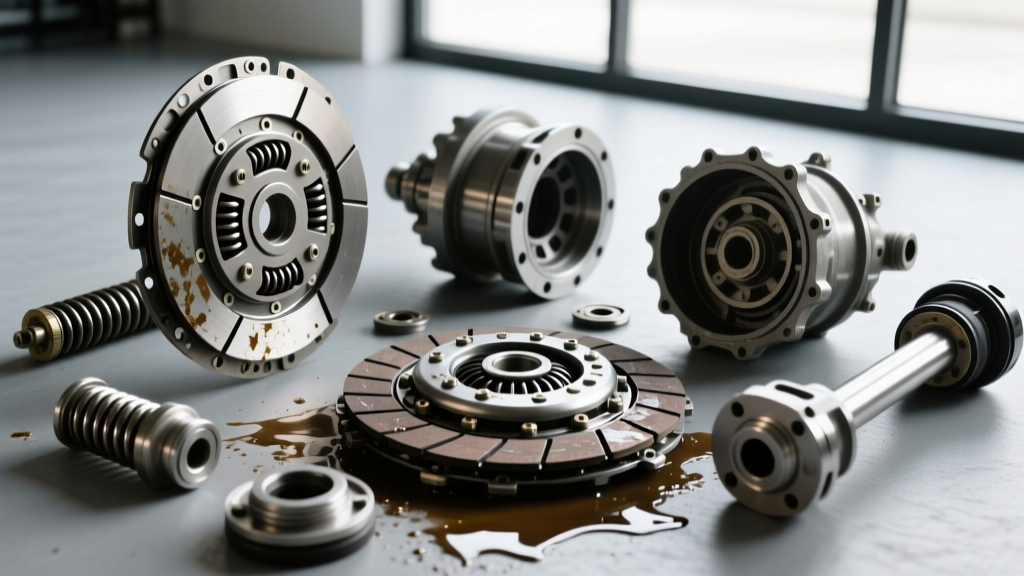
In automatic transmissions, the Torque Converter Clutch (TCC) is a common failure point. For example, the GM 6L80 transmission frequently suffers from TCC shudder caused by degraded friction linings and exhausted ZF Lifeguard-compatible fluid additives. The root cause is often microscopic sludge buildup in the TCC apply valve, leading to a pulsating apply pressure (measured via line pressure gauge as a 15-20 PSI oscillation). In manual applications, diaphragm spring fatigue or friction disc glazing results in slip under high load, typically manifesting as a 300+ RPM flare during wide-open throttle (WOT) pulls.
2. The Fan Clutch Imposter Syndrome
A thermal fan clutch utilizes a bimetallic sensing strip and high-viscosity silicone fluid (typically 10,000 to 30,000 cSt) to modulate engine cooling. When the internal seal fails or the bimetallic strip fatigues, the clutch can seize in the fully locked position. A locked fan clutch at highway speeds introduces 15 to 25 horsepower of parasitic rotational drag. The vehicle's Transmission Control Module (TCM) detects this abnormal load, often altering shift pressures and torque management parameters. The resulting drivetrain shudder and engine bogging feel identical to a slipping transmission clutch or a failing stator.
Buyer’s Guide: AutoZone Fan Clutch Tool Sets vs. Drivetrain Diagnostic Gear
Isolating the root cause requires the right tools. Below is a comparison of essential diagnostic and removal tools available through retail channels like AutoZone, contrasting engine-clutch tools with transmission-clutch equipment.
| Tool Type | Specific Model / Part Number | Primary Application | Est. Cost / Deposit | Diagnostic Value |
|---|---|---|---|---|
| Fan Clutch Wrench Set | OEMTOOLS 27122 (AutoZone Loan-A-Tool) | Removing viscous fan clutches (32mm, 36mm, 47mm nuts) | $45.99 (Refundable Deposit) | Essential for eliminating engine parasitic drag to isolate transmission slip. |
| Hydraulic Line Pressure Gauge | Actron CP7853 / WPS 500-PSI Kit | Testing manual clutch master/slave cylinders & auto trans line pressure | $45.00 - $85.00 | Identifies hydraulic bypass and internal seal leaks causing clutch engagement issues. |
| Clutch Alignment Set | OTC 7448 Universal Set | Aligning manual friction discs to pilot bearings during reassembly | $28.00 - $35.00 | Prevents input shaft binding, a common root cause of post-installation chatter. |
| Electronic Stethoscope | Steelman 93106 Wireless | Isolating throw-out bearing noise vs. water pump/fan clutch bearing failure | $110.00 - $140.00 | Pinpoints high-frequency rotational chatter before teardown. |
Why the AutoZone Fan Clutch Tool is a Diagnostic Necessity
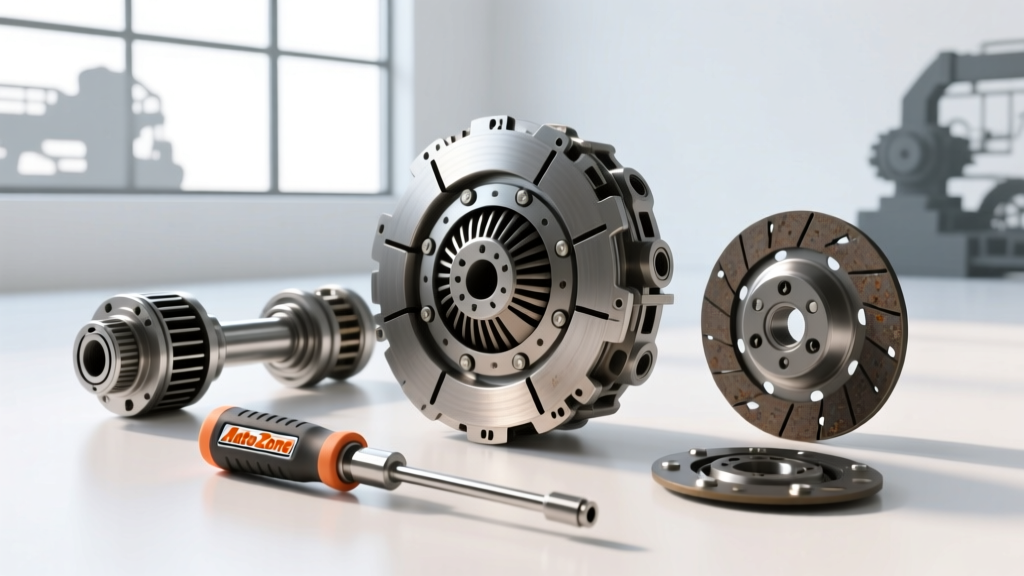
Many technicians skip the AutoZone fan clutch tool rental process because they assume the drivetrain is at fault. However, the OEMTOOLS 27122 set allows you to physically decouple the engine cooling fan from the water pump pulley in under five minutes. If the drivetrain chatter or RPM bogging disappears with the fan removed, the root cause is isolated to the engine bay, saving hours of unnecessary transmission removal labor. According to diagnostic protocols outlined by Transmission Digest, eliminating parasitic engine loads is step one in verifying torque converter clutch (TCC) slip codes like P0741.
Step-by-Step Root Cause Isolation Protocol
When faced with ambiguous clutch chatter or slip, follow this structured isolation protocol to determine the exact failure mode:
- The Cold Start Auditory Test: Start the engine cold. A failing fan clutch bearing will emit a high-pitched whine that correlates directly with engine RPM, whereas a failing transmission throw-out bearing will change pitch only when the clutch pedal is depressed (manual) or when the transmission is shifted into gear (automatic TCC drag).
- Parasitic Drag Elimination: Use the AutoZone fan clutch tool set to remove the fan assembly. Perform a road test. If the slip/chatter persists, the fault lies within the transmission or hydraulic clutch actuation system.
- Hydraulic Pressure Verification: For manual transmissions, tap into the slave cylinder line. A healthy system should hold 1,500+ PSI during pedal actuation. A rapid pressure drop indicates a bypassing internal master cylinder seal—a root cause of incomplete clutch disengagement and gear grind.
- TCC Slip Analysis (Automatics):strong> Using a bi-directional scan tool, command the TCC to lock at 50 MPH in top gear. Monitor the TCC slip RPM. A slip greater than 20 RPM under steady-state throttle indicates internal friction material wear or a fatigued torque converter piston seal.
"Never condemn a torque converter or manual friction assembly without first mechanically decoupling all engine-driven rotational masses. A $45 fan clutch wrench set has saved thousands of dollars in misdiagnosed transmission rebuilds." — Senior Drivetrain Diagnostician, SAE Technical Paper Reference
Torque Specifications and Reassembly Best Practices
Whether you are replacing a seized viscous fan clutch or reinstalling a transmission bellhousing after a clutch replacement, adhering to exact torque specifications is critical to preventing harmonic vibrations and future chatter.
| Component | Common Application | Torque Specification | Thread / Notes |
|---|---|---|---|
| Fan Clutch to Water Pump | GM LS / Ford 5.0L Coyote | 15 - 22 lb-ft | Often reverse thread (Left-Hand). Use fan clutch wrench to hold pulley. |
| Flywheel to Crankshaft | GM 6.2L / Ford 5.0L | 74 lb-ft + 90 degrees | Use new TTY bolts. Apply red Loctite to prevent backing out. |
| Pressure Plate to Flywheel | Most Manual Applications | 25 - 35 lb-ft | Star pattern sequence. Do not impact wrench. |
| Bellhousing to Engine Block | GM 6L80 / Tremec T56 | 37 - 50 lb-ft | Ensure alignment dowels are seated to prevent input shaft binding. |
Final Thoughts on Drivetrain Diagnostics
Clutch failure modes are rarely isolated events; they are symptoms of broader mechanical or hydraulic imbalances. By understanding the deep mechanical overlap between engine-driven viscous clutches and transmission-driven friction clutches, technicians can avoid the costly trap of misdiagnosis. Utilizing accessible resources like the AutoZone fan clutch tool loan program, alongside precision hydraulic and electronic diagnostic equipment, ensures that the true root cause of drivetrain chatter, slip, and vibration is identified and resolved on the first attempt. For further reading on advanced hydraulic diagnostics, consult the SAE International Standards database for clutch actuation pressure tolerances.