The Anatomy of a Burning Clutch Smell
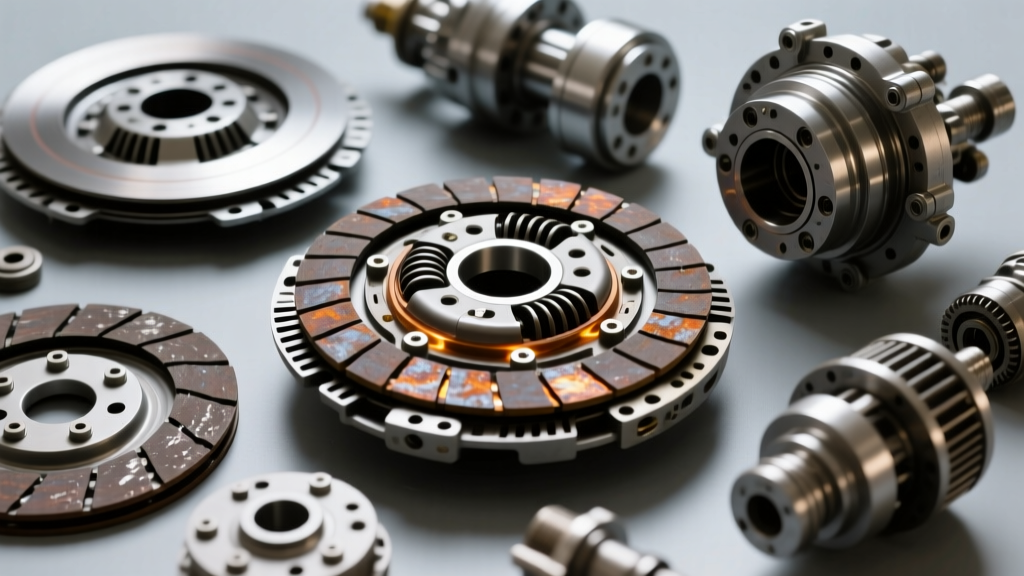
When a driver reports a pungent, acrid odor emanating from the vehicle, it is often the first indicator of severe friction material degradation. A burning smell combined with clutch slip is a critical failure mode that requires immediate diagnostic attention. To understand this symptom, we must examine the composition of the clutch disc. Standard organic clutch facings are manufactured using a composite of fiberglass, Kevlar, and phenolic resins. These resins are designed to withstand operational temperatures up to 400°F (204°C). When excessive clutch slipping occurs, surface temperatures can rapidly exceed 600°F (315°C), causing the phenolic binders to vaporize and produce a distinct, sulfur-like burnt asbestos odor.
Unlike ceramic or sintered iron clutches—which can endure temperatures upwards of 800°F (426°C) and typically fail via mechanical shearing rather than burning—organic clutches will literally cook themselves when subjected to prolonged kinetic energy dissipation. According to engineering data published by Schaeffler (LuK), repeated thermal cycling beyond the resin's glass transition temperature leads to glazing, micro-cracking, and eventual loss of the coefficient of friction (Mu), dropping it from a healthy 0.35 to below 0.15.
Differentiating Clutch Slip from Other Burning Odors
Before tearing down the transmission, it is vital to isolate the source of the odor. A burning smell is not exclusively tied to the clutch assembly. Brake drag, oil leaks onto the exhaust manifold, or degraded transmission fluid can mimic the scent of a failing clutch. Use the diagnostic matrix below to isolate the true culprit.
| Odor Profile | Primary Source | Accompanying Symptoms | Diagnostic Verification |
|---|---|---|---|
| Acrid, sulfur-like, burnt hair | Organic Clutch Friction Material | Clutch slip under load, high RPMs with low vehicle speed, spongy pedal | Stall test, inspecting flywheel for blue heat spots |
| Sharp, chemical, burning plastic | Dragging Brake Caliper / Pads | Pulling to one side, excessive heat at a specific wheel hub | Infrared thermometer on rotors; checking slide pins |
| Heavy, sweet, burnt maple syrup | Coolant Leak on Exhaust | Low coolant reservoir, white smoke, sweet cabin smell | UV dye pressure test of the cooling system |
| Bitter, burnt toast / hot oil | Engine Oil / Power Steering on Exhaust | Smoke from under hood, low fluid levels | Inspecting valve cover gaskets and rear main seal |
Step-by-Step Clutch Slip Troubleshooting
If the sniff test confirms friction material combustion, proceed with mechanical and hydraulic diagnostics to determine why the clutch is slipping.
1. The Hydraulic Free-Play and Pressure Test
Modern manual transmissions utilize a hydraulic Concentric Slave Cylinder (CSC) or external slave cylinder. If the hydraulic system fails to fully retract, the throw-out bearing remains in contact with the pressure plate diaphragm, preventing full clamping force. This guarantees clutch slip and rapid overheating.
- Check Free Play: Measure pedal free-play at the pad. Most OEM specifications (e.g., Honda K-Series, Ford MT82) require 0.5 to 1.0 inches of free-play before hydraulic pressure builds.
- Inspect the CSC: If equipped with an internal CSC (like the LuK 510 0072 10 series), check for external weeping at the bellhousing inspection cover. A leaking CSC contaminates the friction disc with DOT 4 brake fluid, which has a boiling point of 446°F (230°C) and acts as a severe lubricant when vaporized on the clutch disc.
2. The Manual Stall Test
To quantify the severity of the clutch slip, perform a controlled stall test. Find a safe, open area. Engage the parking brake, press the service brake, and shift into 3rd or 4th gear. Slowly release the clutch pedal while applying moderate throttle (approx. 2,000 RPM). If the engine continues to run and does not stall immediately, the clamping load is compromised. Note: Do not hold this state for more than 3-5 seconds, or you will intentionally cause the very thermal damage you are diagnosing.
Mechanical Culprits Behind Overheating and Slippage
When hydraulics are ruled out, the fault lies within the bellhousing. The following mechanical failures are the most frequent causes of clutch burning.
Pressure Plate Diaphragm Spring Fatigue
The diaphragm spring provides the clamping load (often rated between 2,200 lbs and 3,500 lbs for passenger vehicles). Over time, thermal cycling from normal stop-and-go driving causes metallurgical fatigue. The spring loses its tension, resulting in inadequate pressure against the friction disc. According to AA1Car diagnostic guidelines, measuring the height of the diaphragm fingers with a straight edge and feeler gauge can reveal wear; if the fingers are worn down by more than 0.060 inches, the pressure plate must be replaced.
Flywheel Glazing and Hotspotting
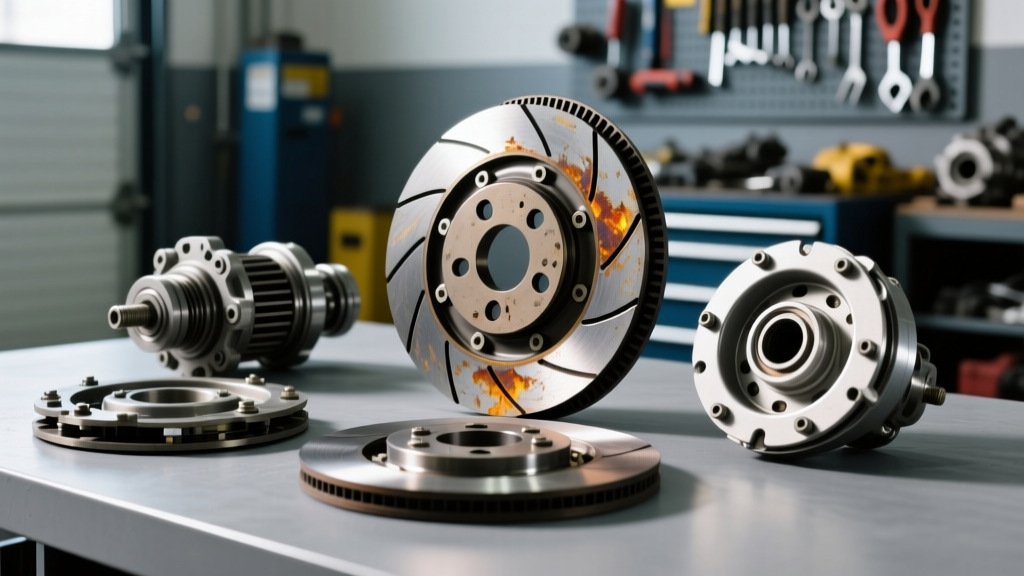
A slipping clutch transfers kinetic energy into the flywheel as heat. This causes localized thermal expansion, leading to 'hotspots'—hardened, bluish areas on the cast iron or steel friction surface. These hotspots have a drastically reduced coefficient of friction. While minor glazing can sometimes be removed with 80-grit sandpaper on a dual-action sander, severe heat checking or warpage (exceeding 0.005 inches of runout) mandates flywheel replacement or professional resurfacing.
Dual-Clutch Transmission (DCT) Considerations
In wet DCT systems (such as the BorgWarner DQ250 found in VW/Audi applications), clutch slip and burning smells manifest differently. The clutches are bathed in specialized fluid (e.g., G 052 182 A2). If the mechatronic unit's solenoids fail to apply correct line pressure, the clutches slip, rapidly degrading the fluid. The resulting smell is closer to burnt gear oil than organic resin. Diagnosis requires scanning the Transmission Control Module (TCM) for clutch adaptation limit codes and checking fluid debris via the magnetic drain plug.
Real-World Replacement Costs and Torque Specifications
Addressing a burnt clutch requires replacing the entire clutch assembly (disc, pressure plate, and release bearing) and resurfacing or replacing the flywheel. Below is a breakdown of expected costs and critical installation data for common platforms.
| Component / Platform | OEM / Aftermarket Example | Est. Part Cost (2026) | Critical Torque Specification |
|---|---|---|---|
| GM LS-Series (T56 Magnum) | Exedy Stage 1 Organic (GM021) | $420 - $480 | Flywheel: 74 lb-ft; PP: 35 lb-ft (Star Pattern) |
| Ford Mustang MT82 | LuK RepSet (07-227) | $350 - $410 | Flywheel: 59 lb-ft + 90°; PP: 26 lb-ft |
| Sub WRX (6-Speed) | Exedy Stage 1 Heavy Duty | $550 - $650 | Flywheel: 69 lb-ft; PP: 28 lb-ft |
| Concentric Slave Cylinder | FTE Automotive / Sachs CSC | $80 - $140 | Bleeder valve: 8-10 Nm (Do not overtighten) |
Labor rates for a standard rear-wheel-drive clutch replacement typically range from 5 to 7 hours. At an average independent shop rate of $130 to $170 per hour, expect total labor to fall between $650 and $1,190, bringing the total out-the-door repair cost to roughly $1,100 to $1,800 depending on the vehicle and flywheel requirements.
Preventative Measures and Proper Break-In
Once the burnt components are replaced, proper bedding is critical to prevent immediate recurrence of clutch slip. New organic facings require a break-in period of 500 to 750 miles of moderate city driving. During this phase, the resins must slowly cure and mate to the flywheel's micro-imperfections. Avoid aggressive launches, towing heavy loads, or 'riding' the pedal on inclines. Furthermore, ensure the clutch pedal stop bumper is correctly adjusted; an over-extended pedal can prevent the master cylinder piston from fully returning to its resting position, blocking the fluid compensation port and causing hydraulic pre-load on the pressure plate.
Expert Insight: 'A burning smell is the clutch system's final warning. By the time the odor penetrates the cabin, the phenolic resins have already suffered irreversible thermal breakdown. Ignoring early signs of clutch slip will inevitably lead to flywheel scoring, turning a $400 parts job into a $1,200 drivetrain overhaul.' - Powertrain Diagnostics Board, SAE International
By systematically isolating the odor, verifying hydraulic free-play, and adhering to strict torque specifications during reassembly, technicians and DIY enthusiasts can accurately diagnose and permanently resolve clutch slip and burning smell symptoms.