When a drivetrain begins to exhibit engagement anomalies, misdiagnosing the root cause can lead to catastrophic financial losses. In 2026, with average transmission R&R (remove and replace) labor rates hovering between $1,200 and $1,800, accurately identifying clutch plate wear patterns before dropping the transaxle or gearbox is paramount. The friction material—whether organic, ceramic, or sintered—dictates not only the torque capacity but also the specific failure modes and diagnostic symptoms the vehicle will present.
As a transmission specialist, you cannot apply a blanket diagnostic approach to every slipping or shuddering vehicle. A slipping organic disc requires a vastly different troubleshooting path than a chattering sintered puck setup. This guide breaks down the symptom diagnosis and troubleshooting protocols for manual and automatic clutch plates based on their friction material composition.
Organic Clutch Plates: Thermal Fade and Glazing Diagnostics
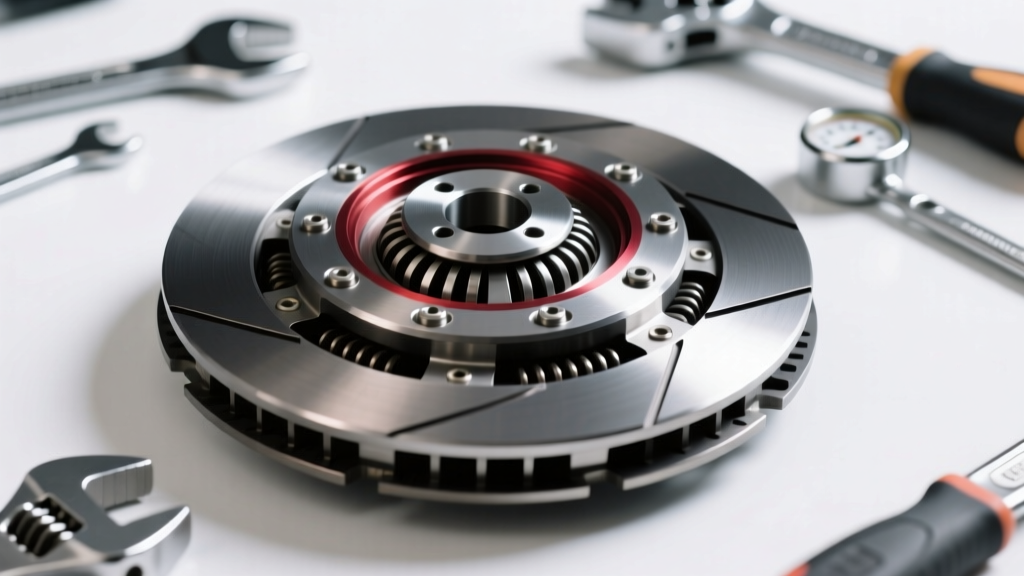
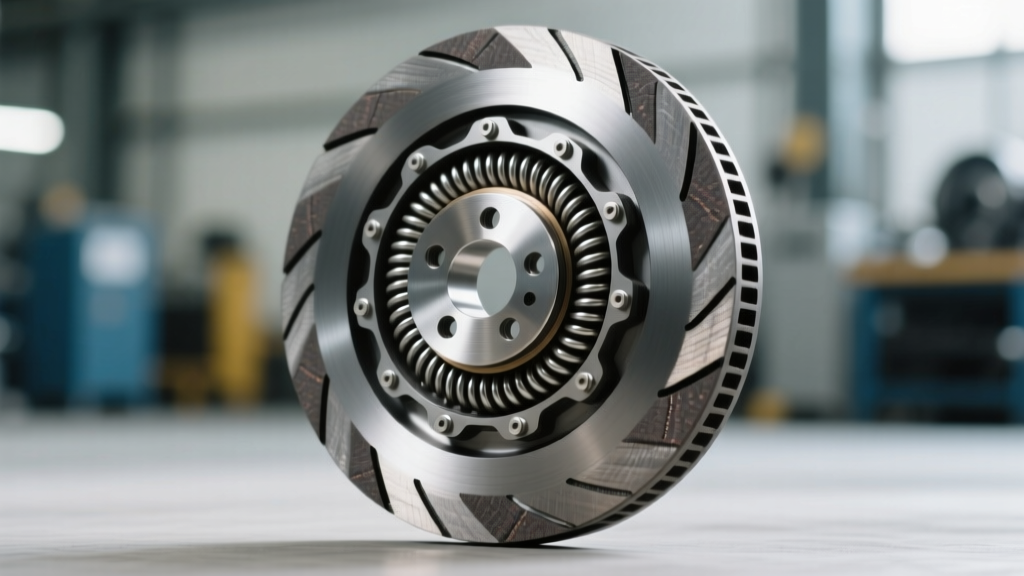
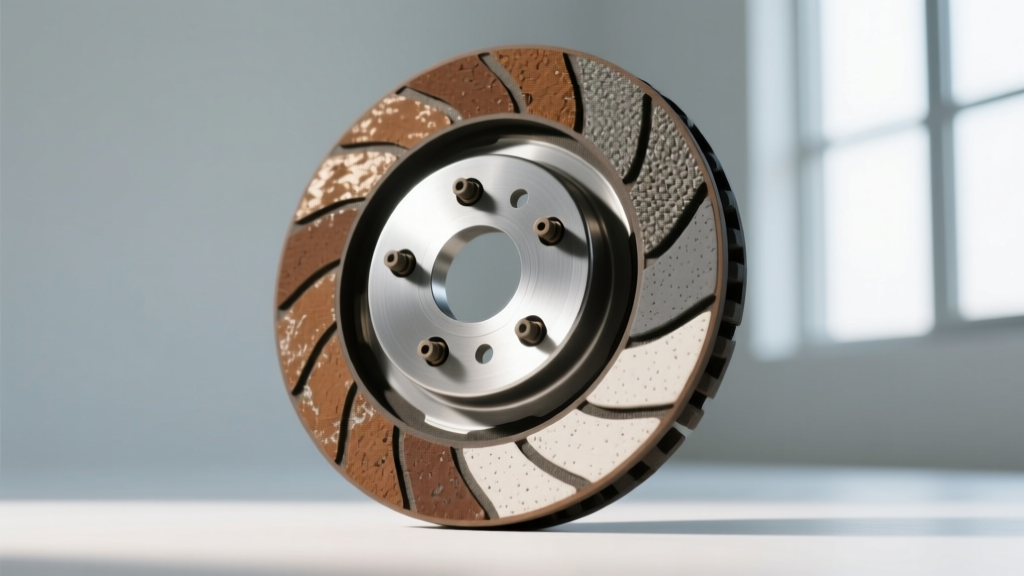
Full-face organic clutch plates are constructed from a blend of phenolic resins, fiberglass, Kevlar, and metallic powders, bonded to a steel backing plate with a marcel (wave) spring underneath. They are designed for smooth engagement and daily drivability. However, their Achilles' heel is thermal degradation.
Symptom Profile
- High-RPM Slip: The vehicle pulls hard in lower gears but the RPMs flare when transitioning to higher gears or under heavy load (e.g., climbing a grade in 5th gear).
- Spongy Pedal Feel: While often a hydraulic issue, a severely glazed organic clutch plate can cause the diaphragm spring fingers to overheat and lose temper, altering pedal geometry.
- Burnt Phenolic Odor: A distinct, acrid smell resembling burning brakes, indicating the resin binders are breaking down (typically occurring when surface temperatures exceed 400°F).
Troubleshooting Protocol
Before condemning an organic clutch plate, rule out hydraulic drag. Check the clutch master cylinder pushrod free-play; there should be 1/16 to 1/8 inch of free-play before engaging the piston. If the pedal is too tight, the throw-out bearing is constantly riding the pressure plate fingers, causing micro-slipping and eventual glazing. If the hydraulics are sound, perform a stall test in a safe environment. Put the vehicle in 3rd gear, hold the brake, and slowly release the clutch. A healthy organic clutch should stall the engine around 1,500–2,000 RPM. If the engine continues to run smoothly without stalling, the organic friction material has lost its coefficient of friction and requires replacement.
Ceramic and Sintered Puck Discs: Shudder and Shock Diagnoses
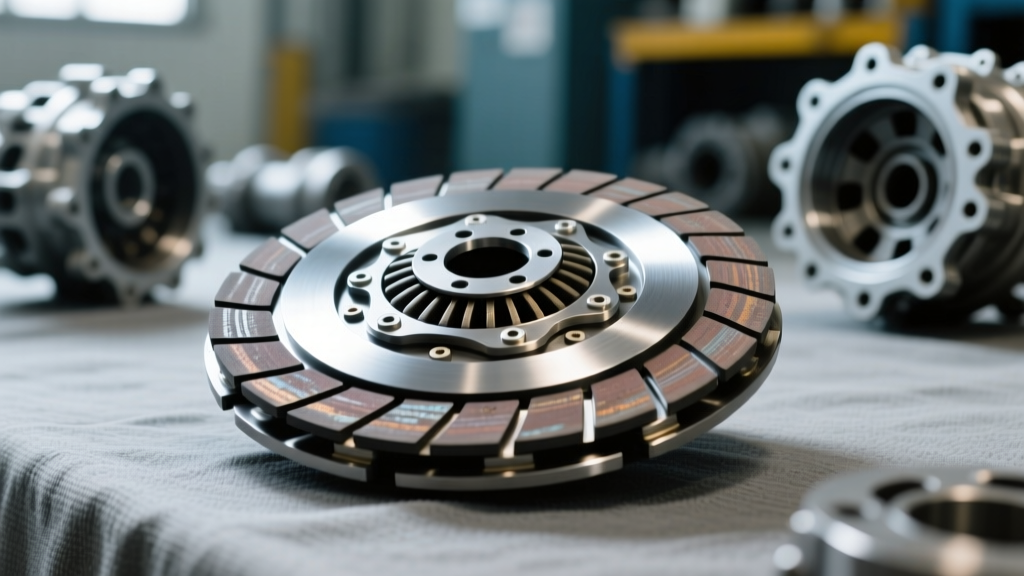
Ceramic and sintered iron/bronze clutch plates abandon the full-face marcel spring design for rigid, segmented 'pucks' (usually 4 to 6 pucks per disc). These materials, championed by brands like Advanced Clutch Technology (ACT) and Exedy Globalparts, offer immense torque capacity (often 800+ lb-ft) but lack the dampening characteristics of organic discs.
Symptom Profile
- Low-Speed Chatter: Violent shuddering when taking off from a dead stop in 1st gear, particularly when the drivetrain is cold.
- Aggressive Engagement: The clutch feels like an on/off switch, making low-speed maneuvering difficult.
- Driveline Shock: Clunking from the differential or transmission mounts upon rapid engagement.
Troubleshooting Protocol
Chatter in a ceramic or sintered clutch plate is rarely a defect in the disc itself; it is almost always a mating surface or harmonic issue. The first diagnostic step is to measure flywheel runout using a dial indicator. Sintered and ceramic pucks have zero compliance. If the flywheel runout exceeds 0.005 inches (0.12mm), the rigid pucks will grab and release the flywheel microscopically during engagement, causing severe chatter.
Additionally, inspect the flywheel friction surface for 'hot spots' (bluish, hardened areas on the steel). Sintered materials transfer heat aggressively into the flywheel. If the previous driver failed to perform the proper bedding-in procedure, localized hot spots will form, creating varying coefficients of friction across the flywheel surface. This requires resurfacing or replacing the flywheel, not just the clutch plate.
Material-Specific Failure Matrix
| Material Type | Primary Symptom | Diagnostic Test | Common Root Cause |
|---|---|---|---|
| Full-Face Organic | High-RPM Slip, Flaring | 3rd Gear Stall Test / Hydraulic Free-Play Check | Thermal glazing, oil contamination, marcel spring collapse |
| Ceramic Puck | Low-Speed Shudder, Chatter | Dial Indicator Flywheel Runout Test (<0.005') | Flywheel hot-spotting, improper bedding, worn engine mounts |
| Sintered Iron/Bronze | Harsh Engagement, Gear Rattle | Visual Inspection of Pressure Plate Fingers | Lack of sprung hub dampening, diaphragm spring fatigue |
Automatic Transmission Clutch Packs: Sintered vs. Organic Frictions
The organic vs. sintered debate extends far beyond manual transmissions. Modern automatic transmissions, such as the GM 6L80/6L90 and the ZF 8HP series, rely on intricate clutch packs utilizing specific friction materials. Diagnosing internal clutch plate failure in these units requires reading transmission fluid analysis and TCM (Transmission Control Module) slip data.
GM 6L80E Organic Paper Frictions
The 6L80 utilizes organic paper-based friction plates (e.g., Sonnax part number 104530-01K for the 3-5-R clutch). When these organic plates fail due to age or inadequate line pressure, they do not shatter; they disintegrate. The diagnostic hallmark is a dark, burnt-smelling Dexron VI fluid with a high concentration of cellulose fiber in the pan. On the scan tool, you will observe TCM slip codes like P0730 (Incorrect Gear Ratio) or P2714 (Pressure Control Solenoid Performance), accompanied by a slow, flaring 2-3 or 3-4 shift.
ZF 8HP Sintered Bronze and Carbon Frictions
High-performance applications and heavy-duty diesel trucks often utilize automatic clutch packs lined with sintered bronze or carbon-fiber composites to handle immense torque loads without burning up. Sintered automatic clutch plates rarely 'burn' in the traditional sense. Instead, they wear down mechanically. When diagnosing a ZF 8HP with harsh, banging shifts (particularly the infamous 2-1 downshift clunk), inspect the fluid for microscopic metallic glitter. Sintered material wear contaminates the mechatronic valve body solenoids, causing erratic line pressures. According to Sonnax Industries, replacing worn sintered frictions without thoroughly flushing the mechatronic unit and replacing the worn valve body sleeve will result in immediate repeat failures.
Installation Edge Cases: Torque Specs and Break-In Procedures
Even the most accurate diagnosis will result in a comeback if the replacement clutch plate is installed incorrectly. Friction material dictates the required break-in procedure and hardware tolerances.
Torque Sequences and Flywheel Mating
When installing a heavy-duty ceramic or sintered clutch, the clamping load of the pressure plate is significantly higher (often exceeding 3,500 lbs). This requires strict adherence to flywheel step heights and torque specs. For example, on a GM LS platform utilizing an M8 pressure plate bolt, the factory specification is 22 lb-ft (30 Nm) plus an additional 50 degrees of rotation. Using a standard torque wrench without the angle gauge will result in uneven clamping, leading to immediate chatter with a rigid ceramic puck disc.
Furthermore, Ford Mustang GT applications (M12x1.75 bolts) require 59 lb-ft. Always use a star-pattern sequence to pull the pressure plate down evenly. If the diaphragm spring is twisted during installation, the clutch plate will drag, making gear entry difficult and causing premature synchro wear.
The Break-In Imperative
Technician Note: Never apply an organic break-in procedure to a sintered disc, and vice versa. Doing so will permanently ruin the friction coefficient.
- Organic Discs: Require 500 miles of varied RPM driving with no wide-open-throttle (WOT) starts or heavy towing. The phenolic resins need time to cure and mate with the microscopic pores of the flywheel.
- Ceramic/Sintered Discs: Require an immediate, aggressive bedding process. Find a safe, empty road and perform 5 to 10 hard accelerations from 20 mph to 50 mph, followed by immediate engine-braking or hard braking to cool the assembly. This 'heat cycles' the metallic compounds, embedding the sintered material into the flywheel surface for maximum bite.
Summary: Matching the Material to the Symptom
Diagnosing clutch plate issues is an exercise in material science. Organic plates fail via thermal degradation and glazing, presenting as high-RPM slip. Ceramic and sintered plates fail via harmonic mismatch and flywheel abuse, presenting as low-speed chatter and driveline shock. In the automatic realm, organic paper frictions disintegrate and cause slip codes, while sintered bronze plates shed metallic particulates that destroy valve bodies. By aligning your diagnostic roadmap with the specific friction material in the bellhousing or transmission pan, you eliminate guesswork, reduce warranty comebacks, and ensure the drivetrain performs exactly as engineered.