The True Cost of a Clutch Plate Change: Why Thickness Specs Matter
When budgeting for a manual or automatic transmission overhaul, the phrase "clutch plate change" often conjures up simple part-swapping imagery. However, as we navigate the 2026 automotive landscape, the reality is far more complex. A clutch plate change is an exercise in precision geometry. The overall thickness of the clutch disc, the friction material composition, and the corresponding flywheel step height dictate the diaphragm spring's operating window. Ignore these specifications, and you will either suffer from premature slippage, clutch drag, or catastrophic drivetrain failure. More importantly, misunderstanding these tolerances is the fastest way to inflate your repair bill by hundreds of dollars in unnecessary machining and diagnostic labor.
This comprehensive cost analysis breaks down the financial and mechanical realities of clutch disc thickness, comparing OEM replacements against performance multi-plate setups, and exploring the hidden costs of automatic transmission clutch pack clearances.
Breaking Down Clutch Disc Thickness Specifications
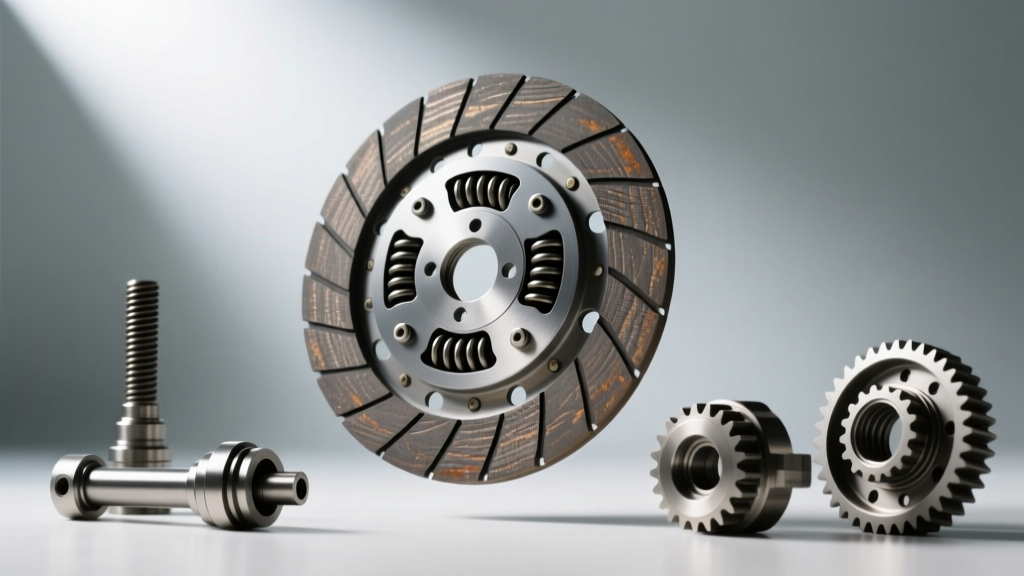
Before evaluating costs, it is critical to understand what you are actually buying. A clutch disc's thickness is not a single, universal number. It consists of the core hub thickness and the friction material thickness. Standard OEM organic discs typically measure between 7.8mm and 8.2mm overall when brand new. As outlined in Exedy's technical documentation, the diaphragm spring in a standard pressure plate is designed to exert optimal clamp load within a specific wear window—usually allowing for 1.5mm to 2.0mm of total friction material wear before clamp load drops off exponentially.
The Hidden Cost of "Thinner" Performance Discs
Many entry-level performance clutches (often labeled as Stage 1 or Stage 2) utilize a thinner steel core to accommodate aggressive ceramic or sintered iron friction pucks while maintaining an overall thickness of roughly 7.5mm. If your flywheel has been previously machined and sits below the OEM step-height specification, installing a thinner disc will result in the pressure plate fingers extending too far forward. This causes the release bearing to over-extend, leading to a heavy pedal feel, incomplete disengagement, and eventual fork pivot ball failure. The cost to diagnose this "dragging" issue often adds 2 to 3 hours of shop labor ($250–$450) before the transmission is even dropped a second time.
2026 Cost Breakdown: Parts, Labor, and Machining
The financial footprint of a clutch plate change varies wildly based on the application and the thickness specifications required. Below is a structured breakdown of current market pricing for common manual transmission applications (e.g., Ford Mustang GT MT-82, Subaru WRX 6-speed, Chevrolet Corvette TR-6060).
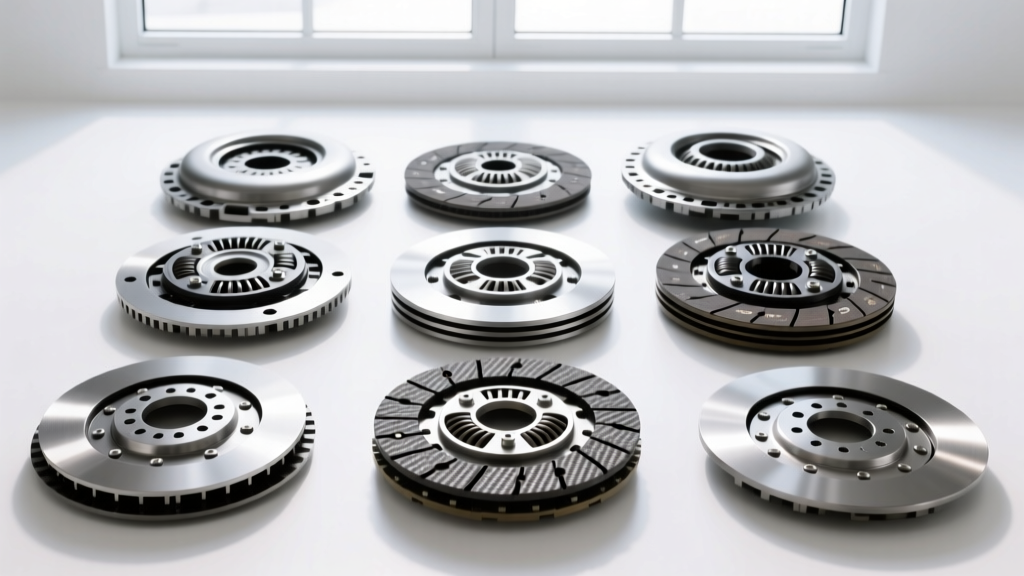
| Clutch Type | Avg. Disc Thickness | Friction Material | Est. Part Cost (2026) | Best Application |
|---|---|---|---|---|
| OEM Replacement | 7.8mm - 8.2mm | Organic | $90 - $180 | Daily Driving / Commuting |
| Stage 1 Sprung Hub | 7.5mm - 8.0mm | Ceramic / Organic Blend | $250 - $450 | Light Track / Aggressive Street |
| Stage 3 Rigid Hub | 6.5mm - 7.2mm | Full Ceramic / Puck | $400 - $750 | Dedicated Drag / Strip |
| Twin-Disc Sintered | 2 x 4.5mm | Sintered Iron | $800 - $1,600 | High-HP Time Attack / Drift |
Labor and Machining Variables
Labor for a standard rear-wheel-drive clutch plate change typically ranges from 4 to 6 hours. At an average 2026 shop rate of $140 per hour, expect to pay $560 to $840 in labor. However, the machining cost is where thickness specs directly impact your wallet.
- Flywheel Resurfacing ($75 - $125): Required if the flywheel is within minimum thickness specs and the step height can be maintained.
- Step Height Correction ($150 - $250): If you are switching from an 8.0mm OEM disc to a 7.2mm rigid hub disc, the machine shop must alter the flywheel's step height to maintain the diaphragm spring's clamp load geometry.
- Flywheel Replacement ($350 - $900+): If the flywheel has already been machined to its minimum thickness stamping, or if it is a dual-mass flywheel (DMF) that cannot be resurfaced, you must buy a new unit. Baseline OEM pricing via RockAuto shows DMF replacements for European models frequently exceeding $800.
Flywheel Step Height: The Geometry of Clamp Load
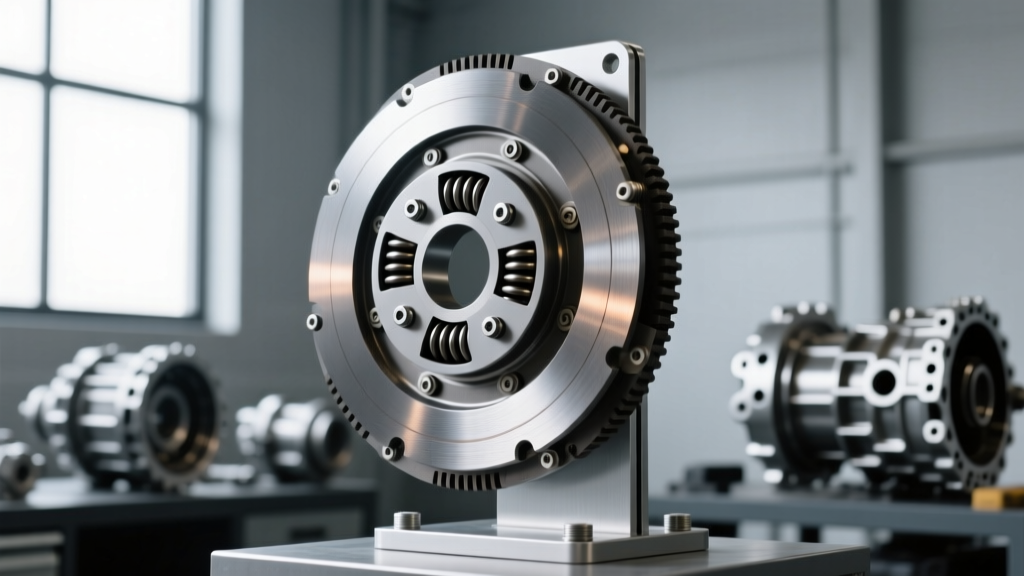
The most overlooked specification during a clutch plate change is the flywheel step height. This is the vertical distance between the friction surface (where the disc rides) and the mounting surface (where the pressure plate bolts down). Step height dictates the installed height of the diaphragm spring.
For example, a Ford 5.0L Coyote engine paired with an MT-82 transmission requires a very specific step height to ensure the pressure plate exerts its rated 2,400+ lbs of clamp load. If a machine shop simply "turns" the flywheel flat without checking the step height with a dial indicator, the pressure plate will sit too low. The result? A clutch that slips under heavy throttle despite having 90% of its friction material remaining. Always mandate that your machine shop measures step height with a dial indicator and matches the pressure plate manufacturer's spec sheet (usually within a 0.005-inch tolerance).
Torque Specifications & Installation Realities
Proper torque sequencing is non-negotiable to prevent flywheel warping, which alters effective disc thickness under load. When performing the reassembly phase of your clutch plate change, adhere strictly to OEM or aftermarket torque specs:
- Flywheel to Crankshaft (GM LS/LT V8): 25 lb-ft, plus an additional 50 degrees of rotation using a torque angle meter.
- Flywheel to Crankshaft (Subaru EJ25 Boxer): 69 lb-ft, plus 90 degrees. (Note: Always use new OEM stretch bolts, which cost about $35 for the set).
- Pressure Plate to Flywheel: Typically 18 to 25 lb-ft, applied in a strict crisscross star pattern to ensure even clamping across the disc's friction surface.
Automatic Transmission Clutch Pack Clearances
While manual transmissions dominate the "clutch plate change" search intent, automatic transmission rebuilds rely entirely on clutch pack thickness and clearance specifications. In automatic gearboxes, clutch plates are stacked in drums, and the overall pack thickness determines the shift timing and firmness.
Take the ubiquitous GM 4L60E transmission as a prime example. The 3-4 clutch pack is notorious for burning up. When performing a clutch plate change in this drum, the builder must measure the total clearance between the top friction plate and the snap ring. According to Sonnax technical resources, the ideal 3-4 clutch pack clearance is between 0.040" and 0.070". If the clearance is too tight because the builder used thicker aftermarket friction plates without swapping the selective thrust washer or backing plate, the clutch will drag, overheat the fluid, and burn out within 500 miles. To correct this, builders must purchase selective thickness snap rings or backing plates ($15–$40 each), proving that even in automatics, millimeter-level thickness variations dictate the success and cost of the repair.
Similarly, in modern ZF 8HP transmissions found in BMWs and Dodge Chargers, the wave plates and friction discs have highly specific thicknesses and orientation requirements. Installing a 2.0mm friction plate where a 1.8mm is spec'd will cause immediate shift flares and trigger transmission limp mode.
Final Verdict: Budgeting Your Clutch Plate Change
A successful clutch plate change in 2026 requires looking beyond the sticker price of the disc itself. Budget at least $800 to $1,200 for a complete OEM-style manual replacement (including labor, fluid, and basic resurfacing). If you are stepping up to a performance ceramic or twin-disc setup, expect to spend $1,500 to $2,800 out-the-door, factoring in the necessary flywheel step-height machining, heavy-duty release bearings, and potential hydraulic slave cylinder upgrades.
Ultimately, the thickness of your clutch disc is the physical bridge between engine torque and transmission input. Respect the dial indicator, verify your step heights, and never let a machine shop guess your tolerances. The upfront cost of precision measurement is always cheaper than the labor cost of pulling the transmission out for a second time.