The Anatomy of a Modern Performance Clutch Kit
As the 2026 aftermarket landscape continues to push the boundaries of horsepower and torque, the manual transmission remains a favorite among purists and track-day enthusiasts. However, transmitting 800+ lb-ft of torque to the ground requires more than just a generic replacement kit. A true performance clutch system is a carefully calibrated assembly of metallurgy, friction science, and precise mechanical tolerances. Whether you are building a Tremec TKX-swapped restomod, tracking a Honda K-series, or prepping a Porsche G50 for endurance racing, understanding the nuance of clutch kit components and adhering to exact clutch plate torque specs is the difference between a bulletproof drivetrain and a catastrophic failure on the starting line.
Friction Disc Metallurgy and Hub Dynamics
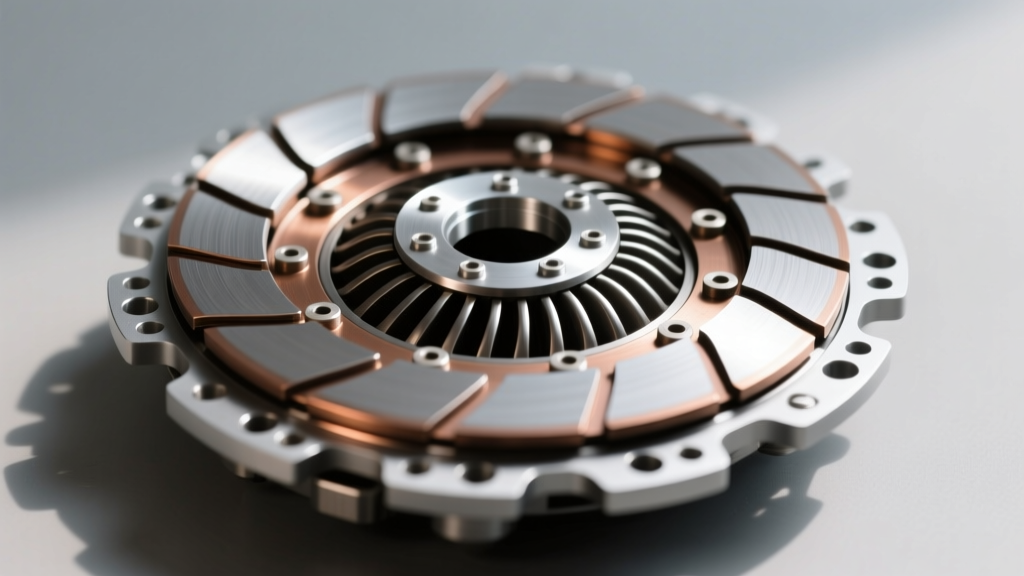
The friction disc is the sacrificial interface between the engine and the transmission. Performance discs generally fall into four material categories: organic, Kevlar (aramid), sintered iron, and carbon-carbon. For high-horsepower street/track builds, sintered iron offers an excellent balance of heat resistance and aggressive bite, though it demands a steel flywheel surface and requires a proper bedding-in procedure to avoid glazing. Carbon-carbon (or carbon-ceramic) discs, like those found in top-tier Tilton or AP Racing kits, operate optimally at extreme temperatures (often requiring 400°F+ to achieve peak coefficient of friction) and are strictly reserved for dedicated race applications.
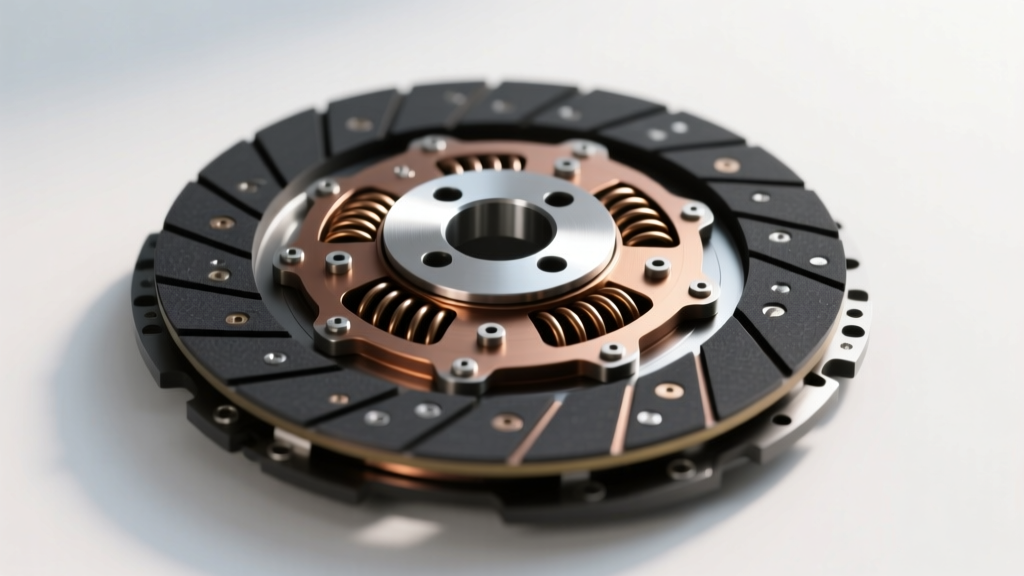
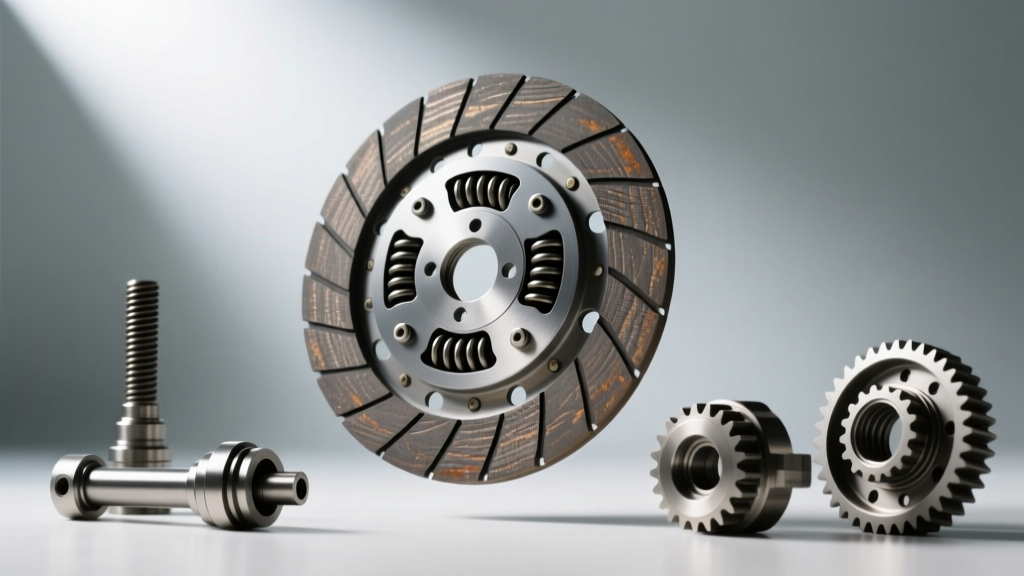
Beyond the friction material, the hub design dictates drivability. A sprung hub utilizes polyurethane dampeners and marcel springs to absorb torsional vibrations from the crankshaft, protecting transmission gears and reducing cabin NVH (Noise, Vibration, and Harshness). Conversely, an unsprung (solid) hub eliminates rotational mass and dampening, offering instantaneous engagement and zero slip for drag racing, but transferring severe shockloads directly into the transmission input shaft and differential.
Pressure Plate Architecture: Clamp Load vs. Pedal Effort
The pressure plate provides the clamping force necessary to lock the friction disc against the flywheel. Modern performance kits predominantly use diaphragm-style pressure plates, which utilize a single conical spring. High-end diaphragm plates (such as the ACT HD or McLeod Soft-Lok) are engineered with optimized pivot rings that maintain high clamp loads (often 3,500 to 4,500 lbs) while keeping pedal effort manageable for street use. Older Borg & Beck (multi-finger) designs are still utilized in some vintage and heavy-duty drag applications, offering immense clamping force but requiring significantly higher pedal effort and frequent adjustment.
Mastering Clutch Plate Torque Specs and Sequencing
The most expensive clutch kit on the market will fail prematurely if installed with improper fastening techniques. Adhering to manufacturer-specified clutch plate torque specs is non-negotiable. The mating surfaces must be surgically clean, and fasteners must be treated according to their specific metallurgical requirements.
Flywheel-to-Crankshaft Fastening
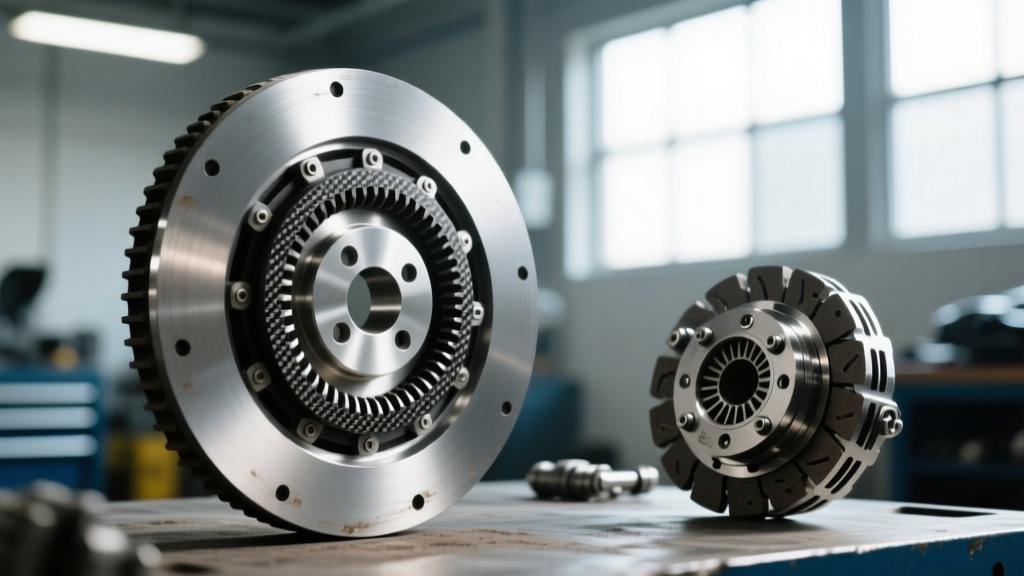
The flywheel anchors the entire rotating assembly to the crankshaft. OEM manufacturers frequently use Torque-To-Yield (TTY) bolts for this application, which stretch permanently upon installation and must never be reused. When upgrading, it is industry standard to switch to high-tensile aftermarket fasteners.
- GM LS-Series (M12x1.0): OEM TTY spec is 74 lb-ft + 50 degrees. When upgrading to ARP 234-2503 chromoly flywheel bolts, the clutch plate torque spec shifts to a static 85 lb-ft using ARP Ultra-Torque lubricant. Never use standard motor oil or Loctite on ARP flywheel bolts, as it alters the friction coefficient and leads to over-torquing and crankshaft flange distortion.
- Honda K-Series (M12x1.0): The OEM flywheel torque spec is 76 lb-ft (103 Nm). If using an aftermarket chromoly flywheel (e.g., Fidanza or Exedy), verify the manufacturer's spec, as some require a slight reduction to 72 lb-ft to prevent stripping the aluminum block threads if a steel thread insert is not present.
- Nissan RB/SR (M10x1.25): Typically torqued to 65 lb-ft (88 Nm) in a crisscross pattern. Thread locker (Red Loctite 271) is highly recommended here due to the harmonic vibrations inherent in inline-six engines.
Pressure Plate-to-Flywheel Torquing
Securing the pressure plate requires a meticulous, multi-pass star pattern to ensure the diaphragm spring is compressed evenly. Uneven torquing will warp the pressure plate casing, resulting in inconsistent clamping, localized hot spots, and severe clutch chatter.
Most performance pressure plates utilize M8x1.25 flange bolts. The universal baseline clutch plate torque spec for these fasteners is 22 to 26 lb-ft (29 to 35 Nm). According to Tremec's official installation guidelines, these bolts should be installed clean and lightly oiled to ensure accurate torque readings. Do not use thread locker on pressure plate bolts; the flange design and precise torque provide sufficient retention, and thread locker can cause hydraulic lock in the blind threaded holes of a steel flywheel, leading to catastrophic thread failure.
2026 Platform Upgrade Matrix: Specs & Component Pairings
Below is a reference matrix for three of the most popular performance platforms in the current restomod and track-build scene, detailing the correct clutch plate torque specs and recommended component pairings.
| Platform / Transmission | Flywheel Torque Spec | Pressure Plate Torque | Recommended Upgrade Kit (Part #) | Est. Price (USD) |
|---|---|---|---|---|
| GM LS3 / Tremec T56 Magnum | 85 lb-ft (ARP) | 25 lb-ft | McLeod RXT Twin Disc (6321-03) | $1,450 |
| Honda K20C1 / OEM 6-Speed | 76 lb-ft | 19 lb-ft | ACT XT/Perf Street (KS2-HDSS) | $680 |
| Nissan RB25DET / FS5W30A | 65 lb-ft | 22 lb-ft | Exedy Hyper Single (NS02SB) | $890 |
Release Mechanisms and Hydraulics
The release bearing (throwout bearing) is the critical link between the hydraulic system and the rotating pressure plate. In modern applications, the Concentric Slave Cylinder (CSC) has largely replaced external mechanical linkages. While CSCs offer self-adjusting capabilities and reduced moving mass, they are prone to failure if the hydraulic fluid is not properly bled or if the piston over-extends due to improper clutch disc thickness.
For high-performance builds utilizing aftermarket multi-disc kits (like the McLeod RST or Tilton OT-II), the stack height of the clutch pack changes. This often necessitates an adjustable hydraulic throwout bearing or a custom machined spacer to maintain the correct air gap (typically 0.050" to 0.080") between the bearing face and the diaphragm fingers. Failure to set this gap correctly will result in the bearing riding constantly on the pressure plate, generating immense heat, melting the bearing retainer, and ultimately destroying the transmission input shaft seal.
Mitigating NVH and Post-Upgrade Chatter
Upgrading to aggressive friction materials and lightweight flywheels inherently increases NVH. However, severe clutch chatter upon engagement is usually a symptom of installation error or component mismatch rather than a normal characteristic of a performance kit. Common culprits include:
- Contaminated Friction Surfaces: Even a single fingerprint's worth of oil on a sintered iron disc can cause localized grabbing and chatter. Always handle discs with clean nitrile gloves and wipe the flywheel surface with acetone or dedicated brake cleaner prior to assembly.
- Incorrect Pilot Bearing Depth: If the pilot bearing or bushing is seated too deeply or shallowly in the crankshaft, it will bind the transmission input shaft, causing the disc to drag and chatter. Use a specialized pilot bearing puller and an installation mandrel to ensure it is seated perfectly flush.
- Driveline Backlash: Lightweight aluminum flywheels (such as those from Fidanza) remove the rotational inertia that masks driveline lash. If your differential gears or axle splines have excessive wear, the sudden engagement of a high-clamp-load pressure plate will cause violent shuddering. As noted in technical bulletins by McLeod Racing, pairing an aluminum flywheel with a sprung-hub disc and a slightly softer engine/transmission mount setup is crucial to absorbing these shockloads in a street-driven vehicle.
By respecting the metallurgy of your chosen friction materials, utilizing high-grade fasteners, and strictly adhering to precision clutch plate torque specs, you ensure that your drivetrain upgrade delivers power reliably, whether you are navigating stop-and-go traffic or staging at the drag strip.