The Hierarchy of Clutch Master Cylinder Brands in 2026
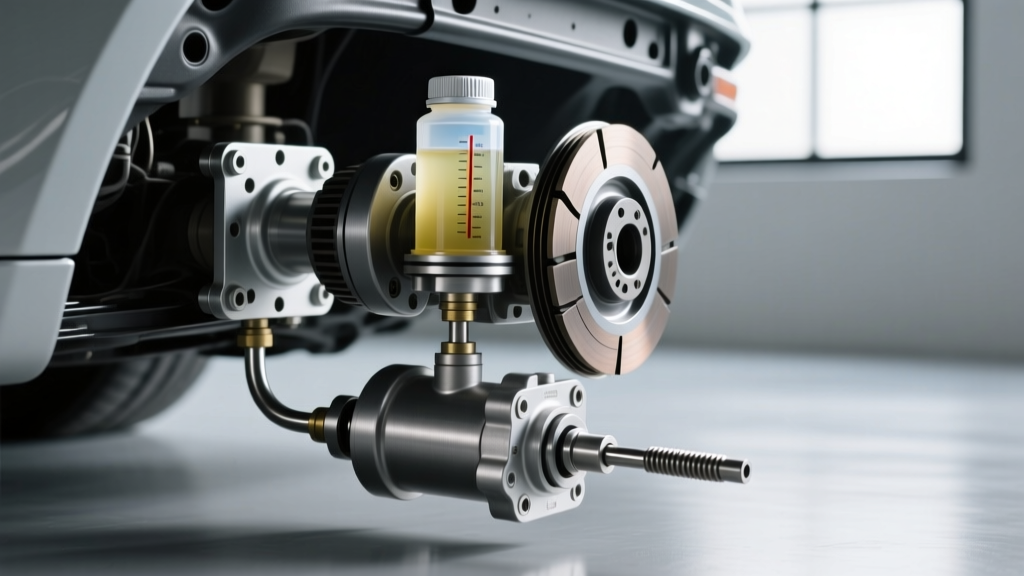
Whether you are executing a complex manual transmission swap into an EV platform, upgrading a Ford MT82, or replacing a failing OEM unit on a daily driver, the clutch master cylinder (CMC) is the linchpin of your hydraulic actuation system. A spongy pedal, delayed disengagement, or catastrophic fluid lock can all be traced back to poor component selection or improper bleeding. As we navigate the 2026 aftermarket landscape, supply chain shifts have introduced a flood of subpar white-label components. Choosing the right manufacturer is no longer just about fitment; it is about internal valve design, bore material longevity, and pedal ratio compatibility.
OEM vs. Aftermarket: The Brand Breakdown
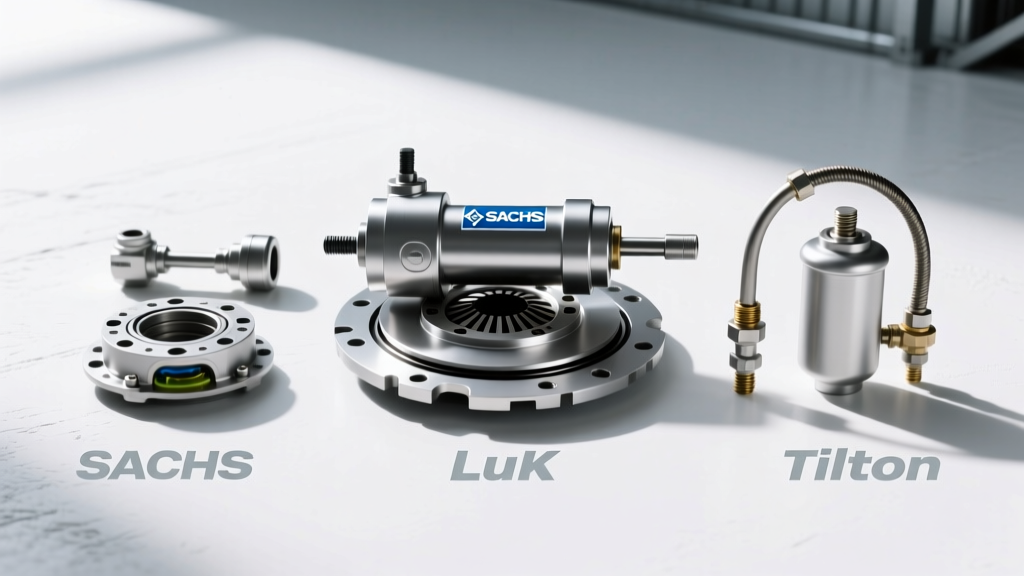
Sachs / ZF Aftermarket (The OEM Gold Standard)
Sachs, operating under the ZF Group umbrella, remains the premier choice for European applications and many domestic light-duty trucks. Sachs CMCs are engineered with precise internal bypass tolerances that prevent fluid trapping during rapid pedal actuation. For GM LS-platform swaps utilizing a Tremec T-56 Magnum, the Sachs SH5123 (or equivalent application-specific part number) provides a linear pedal feel and exceptional seal longevity. Expect to pay between $70 and $120 for genuine Sachs units. Their integrated plastic reservoirs are heat-welded to prevent the weeping issues common in older two-piece designs.
LuK / Schaeffler Group (The Domestic Workhorse)
LuK dominates the North American OEM replacement market, particularly for Ford and GM applications. The LuK LMC series (e.g., LMC450 for various GM truck applications) is renowned for its durable phenolic resin pistons that resist scoring the aluminum bore. LuK units are highly reliable for daily-driven vehicles and moderate towing setups. Priced aggressively between $45 and $90, LuK offers the best cost-to-longevity ratio for standard hydraulic throwout bearing setups like the GM LS1/LS2 internal slaves.
Tilton Engineering (The Motorsport Benchmark)
When building a dedicated track car or a high-horsepower Twin-Disc clutch setup, OEM-style plastic CMCs will flex and fail under extreme line pressure. Tilton’s 78-Series billet aluminum master cylinders are the industry standard for motorsport. Unlike OEM units, Tilton CMCs typically lack an internal bypass valve, requiring an external bypass line or a specifically designed pedal box with a free-play adjustment to prevent hydraulic lock. Priced between $250 and $350, Tilton units offer adjustable pushrods and rebuildable stainless-steel bores.
Dorman and API (The Budget Warning)
While Dorman provides accessible 'Help!' series components for emergency repairs, their CMCs often utilize softer internal seals and less rigorous bypass valve spring rates. In high-heat environments or applications requiring rapid, aggressive shifting (like road racing), budget CMCs are prone to internal bypassing, leading to a pedal that slowly sinks to the floor at stoplights. Use them only for low-budget, low-stress restorations.
2026 Clutch Master Cylinder Brand Comparison Matrix
| Brand | Series / Example Part | Bore Material | Bypass Type | Price Range (2026) | Best Application |
|---|---|---|---|---|---|
| Sachs (ZF) | SH-Series / SH5123 | Anodized Aluminum | Internal | $70 - $120 | OEM Replacements, LS Swaps |
| LuK | LMC-Series / LMC450 | Aluminum / Phenolic Piston | Internal | $45 - $90 | GM/Ford Light Duty Trucks |
| Tilton | 78-Series Billet | Stainless Steel Sleeve | External / None | $250 - $350 | Track Cars, Multi-Disc Clutches |
| Brembo | Rally / Gr.N CMC | Hard-Anodized Alloy | External / None | $180 - $280 | Rally, High-Performance Street |
| Dorman | Help! Series / M-Series | Cast Aluminum / Plastic | Internal | $25 - $55 | Budget Daily Drivers |
The Hidden Trap: Internal vs. External Bypass Valves
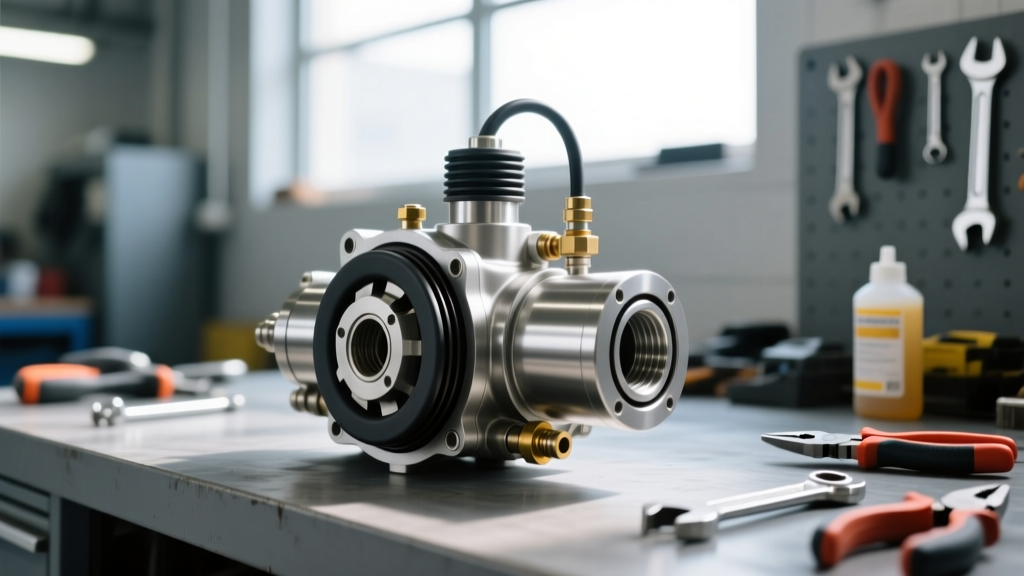
A critical mistake made during manual swaps is mismatching the CMC bypass type to the pedal assembly. OEM vehicles (and units from Sachs or LuK) utilize an internal bypass valve. When the pedal is fully released, the pushrod retracts enough to uncover an internal port, allowing fluid to return to the reservoir and compensating for thermal expansion.
If you install a racing CMC (like a Tilton or Brembo) that relies on an external bypass into an OEM firewall setup without adding a return line or ensuring exact pedal free-play, the fluid will have nowhere to expand as it heats up. This results in 'hydraulic lock,' where the expanding fluid actuates the slave cylinder on its own, dragging the clutch, burning the friction material, and potentially snapping the clutch fork. Always verify your pedal box's pushrod travel against the manufacturer's technical PDF before purchasing a motorsport CMC.
Step-by-Step: How to Bleed a Clutch Master Cylinder
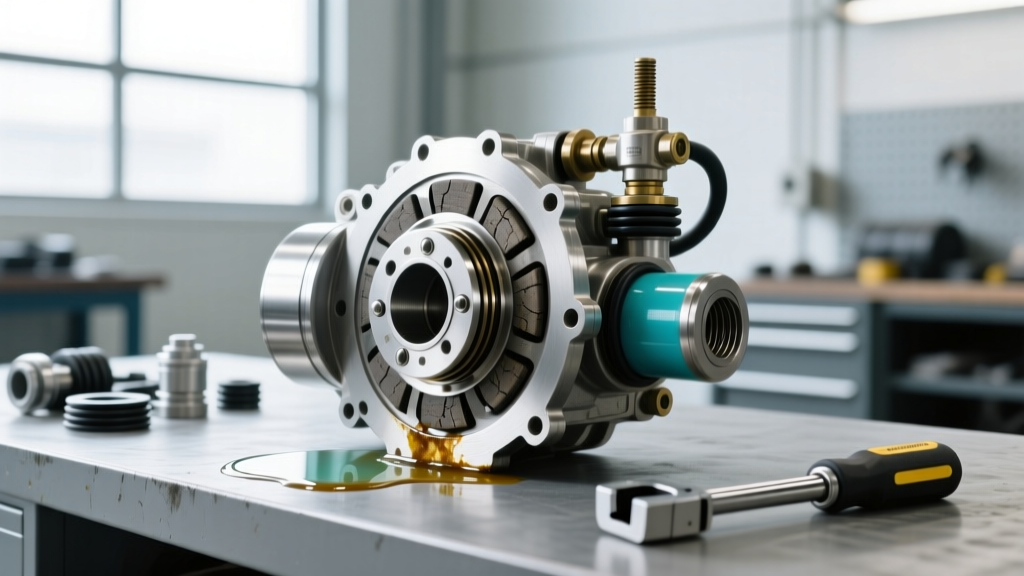
Even a premium Sachs or Tilton CMC will perform terribly if air is trapped in the hydraulic circuit. Learning exactly how to bleed a clutch master cylinder is just as critical as the brand you select. Modern transmissions with internal hydraulic throwout bearings (like the GM LS T56 or Ford MT82) are notorious for trapping air in the slave cylinder's internal annular chamber.
Phase 1: Bench Bleeding the Master Cylinder
Never install a dry CMC directly to the firewall. Bench bleeding ensures the internal valve is primed and prevents pushing massive air pockets down the hydraulic line.
- Secure the CMC in a bench vise using soft jaws to avoid crushing the aluminum or plastic reservoir.
- Fill the reservoir with fresh, high-quality glycol-based fluid. Warning: Use DOT 4 or DOT 5.1. Never use DOT 5 (Silicone), as it is incompatible with the EPDM seals used in 99% of modern CMCs and will cause catastrophic seal swelling and failure.
- Attach a short piece of clear tubing to the outlet port, routing the other end back into the reservoir to create a closed loop.
- Slowly stroke the pushrod with a blunt tool (like a wooden dowel) about 10 to 15 times until no air bubbles emerge in the clear tube.
- Cap the outlet port immediately to prevent fluid loss during installation.
Phase 2: Hard Line Connections and Torque Specs
When connecting the hydraulic line to the CMC, cross-threading or over-torquing is a common failure point.
- M10x1.0 Bubble Flare (Common on GM/Asian imports): Torque the line fitting to 10-12 lb-ft. Over-torquing will crush the bubble flare and cause a slow weep.
- 7/16"-20 Inverted Flare (Common on Ford/Domestic): Torque to 15-18 lb-ft.
- Firewall Mounting Nuts: Typically 8mm or 10mm flange nuts. Torque to 12-15 lb-ft. Over-tightening can warp the CMC mounting flange, binding the internal piston.
Phase 3: System and Slave Cylinder Bleeding
For external slaves (like a Tremec T-56 Magnum F), a standard pressure bleeder set to 15-20 psi works well. However, for internal hydraulic throwout bearings (e.g., GM LS platforms), gravity bleeding or reverse-bleeding (pushing fluid from the slave up to the master) is often required to force air bubbles upward against the natural flow of gravity.
If using a standard gravity bleed, open the slave bleeder screw and allow fluid to flow until it is completely free of micro-bubbles. This can take up to 30 minutes. Pumping the pedal rapidly during a gravity bleed can actually emulsify air into the fluid, creating a 'spongy' foam that is nearly impossible to purge.
Troubleshooting a Spongy Pedal Post-Bleed
If you have followed the bleeding procedure and the pedal still feels soft, investigate the following edge cases:
- Swollen Rubber Flex Hose: The factory rubber flex line connecting the hard line to the transmission can swell internally under high pressure, absorbing pedal travel. Upgrade to a stainless-steel braided PTFE hose.
- Pushrod Free-Play Deficit: There must be a slight amount of free-play (typically 1/16" to 1/8") at the CMC pushrod where it meets the pedal. If the pushrod is pre-loaded, the internal bypass port remains covered, causing fluid aeration and heat buildup.
- Slave Cylinder Stroke Limits: On internal throwout bearings, if the distance between the transmission bearing retainer and the clutch fingers is too great, the slave cylinder will 'bottom out' internally before fully disengaging the clutch, mimicking the feel of air in the system. Verify your air gap and shim the throwout bearing accordingly.
Final Verdict and Sourcing
For 90% of street-driven manual swaps and OEM replacements, ZF / Sachs and LuK remain the undisputed champions of reliability and pedal feel. Reserve Tilton and Brembo for dedicated motorsport applications where external bypass lines and frequent rebuilds are acceptable. Always source your components from verified catalogs like RockAuto or direct from authorized distributors to avoid the rampant counterfeit market that plagues hydraulic components. Pair a quality CMC with meticulous bench-bleeding and precise torque specs, and your hydraulic clutch system will deliver crisp, reliable shifts for years to come.