The Anatomy of Automatic Clutch Slipping Symptoms
When drivers experience RPM flares, delayed engagements, or a distinct burnt odor from their vehicle, they often search for clutch slipping symptoms assuming the issue is isolated to manual transmissions. However, modern automatic transmissions rely on a complex network of internal clutch packs, apply pistons, and hydraulic seals to execute gear changes. When these internal friction materials degrade or hydraulic pressure drops, the resulting clutch slipping symptoms can mimic a failing torque converter or a catastrophic gearset failure.
As of 2026, the automotive aftermarket has developed highly specialized master rebuild kits and friction materials to address the unique failure modes of popular automatic platforms. Whether you are rebuilding a legendary GM 4L60E, addressing the notorious wave-plate failures in the 6L80, or sealing a ZF 8HP mechatronic unit, selecting the correct friction components and understanding precise assembly clearances is the difference between a transmission that lasts 200,000 miles and one that burns up on the test drive.
How Internal Clutch Packs Fail in Modern Automatics
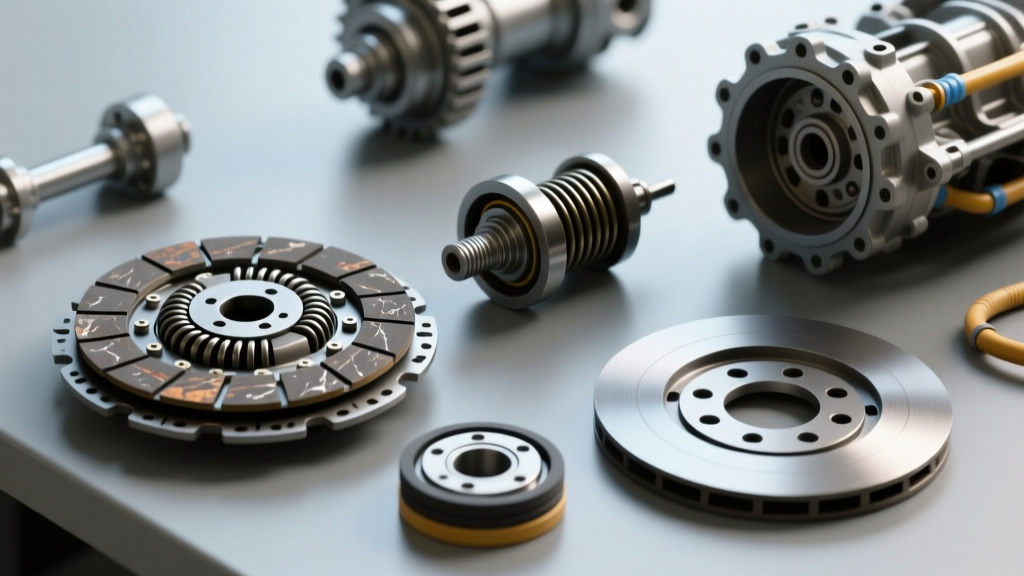
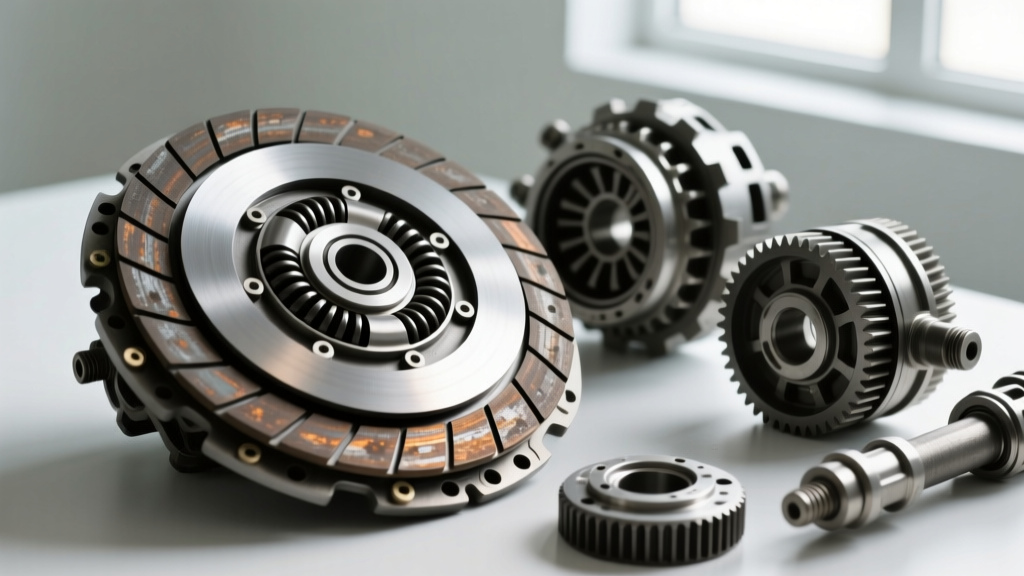
An automatic clutch pack consists of alternating friction discs (splined to the hub) and steel separator plates (splined to the drum). When hydraulic fluid is directed into the apply piston, it clamps the pack together, locking the components to transfer torque. Clutch slipping symptoms manifest when:
- Friction Material Shearing: The paper/ceramic lining on the friction discs glazes or shears off due to excessive heat or incorrect fluid friction modifiers.
- Seal Degradation: The O-rings or molded rubber pistons harden, allowing hydraulic pressure to bypass the apply piston, resulting in a soft, slipping apply.
- Metallurgical Fatigue: Backing plates or wave plates fracture, instantly removing the clamping force from the entire clutch pack.
Diagnostic Matrix: Matching Symptoms to Specific Transmissions
Not all slip is created equal. The gear in which the slip occurs directly correlates to the specific clutch pack that is failing. Use this diagnostic matrix to isolate the fault before ordering your rebuild components.
| Transmission Model | Primary Clutch Slipping Symptoms | Failing Clutch Pack | Common Root Cause |
|---|---|---|---|
| GM 4L60E / 4L65E | RPM flare on 2-3 or 3-4 shift; loss of 3rd and 4th gear | 3-4 Clutch Pack | Apply ring flexing; boost valve wear in pump cover |
| GM 6L80 / 6L90 | Slip or neutral in 4th, 5th, or 6th gear; harsh downshifts | 4-5-6 Clutch Pack | Fatigued wave plate punching through backing plate |
| ZF 8HP (8HP45/70/90) | Harsh engagement followed by slip in 3rd or 5th gear | Clutch Packs C & D | Mechatronic adapter sleeve micro-leaks starving apply circuits |
| Ford 6R80 | Delayed reverse engagement; slip in all forward gears | Forward / Reverse Clutch | Molded piston rubber degradation and check-ball wear |
2026 Buyer’s Guide: Master Rebuild Kits & Friction Solutions
Choosing the right rebuild kit requires balancing OEM replacement standards with heavy-duty aftermarket upgrades. Below is a comparison of the top-tier friction solutions available for the most common slipping automatics.
GM 4L60E: Overcoming the 3-4 Clutch Burn
The 3-4 clutch pack in the 4L60E is infamous for burning up, primarily due to inadequate hydraulic volume and the flexing of the stamped steel apply ring. When sourcing parts, standard OEM paper frictions will simply repeat the failure if the vehicle sees towing or performance use.
- Raybestos Pro-Series Master Kit (Part# R4L60E-PRO): Priced around $380 - $420. This kit includes Raybestos GPZ friction plates, which utilize a proprietary graphite/ceramic compound that increases torque capacity by 35% over OEM. Expert Note: You must pair this with a Sonnax billet 3-4 apply piston and a reinforced 3-4 backing plate to eliminate flex.
- Transtar Industries OEM Master Kit (Part# 74004A): Priced around $240 - $280. Ideal for strictly stock, daily-driver applications where cost is the primary constraint. Includes standard BorgWarner paper frictions.
GM 6L80: Addressing the 4-5-6 Wave Plate Fatigue
If your 6L80 exhibits clutch slipping symptoms in the overdrive gears, the 4-5-6 wave plate (GM Part #24253911) has likely fractured. The sharp edges of the broken wave plate gouge the aluminum drum and destroy the friction discs.
- Raybestos 6L80 GPZ Friction Module (Part# 104750GPZ): Priced at $160 - $190. Because the 6L80 uses a modular clutch design, you can replace just the failing 4-5-6 module rather than buying a full master kit, saving over $300.
- OEM GM 4-5-6 Wave Plate & Backing Plate Kit: Priced at $85 - $110. Mandatory replacement. Never reuse a 6L80 wave plate during a rebuild, even if it appears intact; metallurgical fatigue is invisible to the naked eye.
ZF 8HP: Mechatronic Leaks vs. Physical Wear
The ZF 8HP is an engineering marvel, but its clutch slipping symptoms are rarely caused by worn friction discs. Instead, the plastic adapter sleeve connecting the mechatronic unit to the transmission case cracks, bleeding off line pressure destined for Clutches C and D.
- ZF 8HP Mechatronic Seal Kit (Part# 0501.216.243): Priced at $120 - $150. This includes the updated aluminum-backed sealing sleeves that permanently resolve the hydraulic leak. According to Sonnax technical resources, replacing this sleeve is mandatory for any 8HP exhibiting pressure-loss slip.
- OEM ZF LifeguardFluid 8 (1 Liter): Priced at $35 - $45 per liter. The 8HP requires exactly 9.5 to 10.5 liters for a dry fill. Using generic multi-vehicle ATF will alter the friction coefficient and induce immediate shudder and slip in the lock-up clutch.
Critical Assembly Specs: Clearances and Torque
Even the most expensive 2026 rebuild kits will fail if assembled with incorrect clearances. Automatic transmission clutch packs require precise air gaps to allow fluid to bleed off rapidly during shifts, while maintaining enough clamping force to prevent slip.
Clutch Pack Clearance Specifications
- GM 4L60E (3-4 Pack): Target clearance is 0.040" to 0.060". Use a feeler gauge between the backing plate and the top friction disc. If clearance is too tight, the pack will drag and overheat; if too wide, you will experience delayed, slipping engagements.
- GM 6L80 (4-5-6 Pack): Target clearance is 0.050" to 0.070". Selective thickness backing plates are available in 0.10" increments to dial in this measurement perfectly.
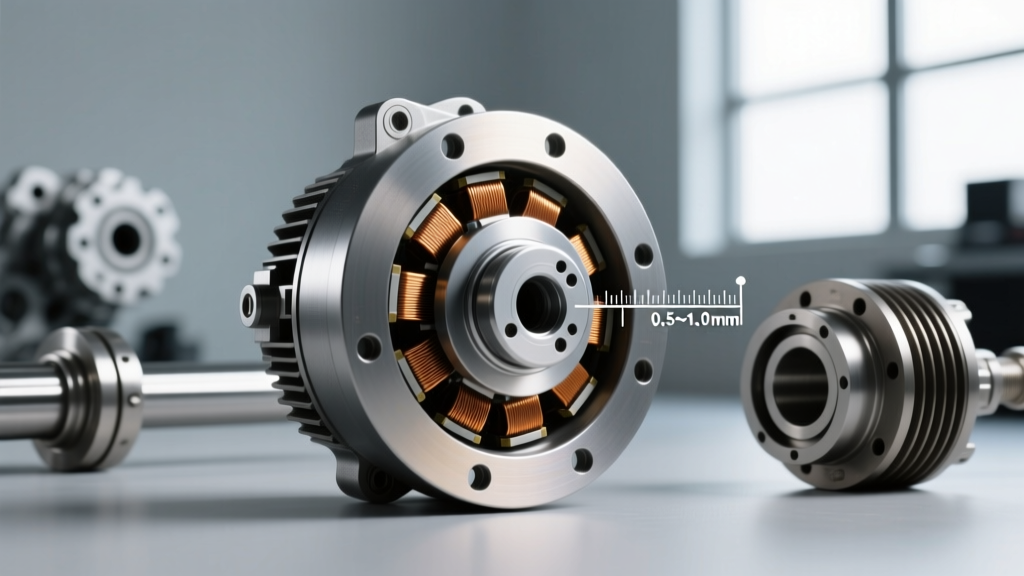
- ZF 8HP (All Packs): Target clearance is generally 0.5mm to 0.8mm per friction disc. ZF specifies measuring total pack travel using a dial indicator and compressed air to simulate piston apply.
Valve Body and Case Torque Specs
Over-torquing valve body bolts will distort the aluminum casting, causing valves to bind and solenoids to misalign, leading to secondary clutch slipping symptoms.
- GM 6L80 Valve Body to Case: 10 Nm (89 in-lbs). Use a calibrated inch-pound torque wrench and follow the exact spiral sequence outlined by the Automatic Transmission Rebuilders Association (ATRA).
- ZF 8HP Mechatronic to Case: 8 Nm (71 in-lbs) for the primary securing bolts. The electrical connector sleeve must be tightened to exactly 2 Nm using a specialized crowfoot attachment.
Expert Builder Tip: Never install dry friction discs. All paper and ceramic-based automatic transmission frictions must be submerged in the exact ATF you plan to use for a minimum of 2 hours prior to assembly. This allows the porous friction material to absorb the fluid's friction modifiers, preventing instantaneous glazing and clutch slipping symptoms upon the vehicle's first start-up.
Fluid Selection and Post-Rebuild Calibration
The final step in eliminating clutch slipping symptoms after a rebuild is the software calibration. Modern transmissions like the 6L80 and ZF 8HP utilize adaptive shift pressure tables. When you install new, high-friction aftermarket materials (like the Raybestos GPZ line referenced by Raybestos Powertrain), the transmission's TCM must relearn the fill volume and apply time for each clutch pack.
Using a bidirectional scan tool, perform a "Transmission Adaptive Pressure Reset" before the first test drive. Drive the vehicle through all gears at light, medium, and heavy throttle openings to allow the TCM to map the new friction coefficients. Failure to perform this reset will result in harsh shifts followed by adaptive pressure reduction, which ironically induces the very clutch slipping symptoms you just spent thousands of dollars to repair.