The Physics of Engagement: Why Performance Clutches Chatter
Clutch chatter is one of the most frustrating NVH (Noise, Vibration, and Harshness) issues encountered in high-performance drivetrains. At its core, chatter is a stick-slip phenomenon. When the friction material engages the flywheel or clutch basket, the coefficient of static friction is momentarily higher than the coefficient of kinetic friction. This delta causes the driveline to rapidly grab, slip, grab, and slip, translating into a violent low-frequency torsional vibration that shakes the entire chassis. In the 2026 performance landscape, as enthusiasts push the boundaries of torque capacity, understanding the root cause of this shudder is critical for both four-wheeled track cars and advanced two-wheeled platforms.
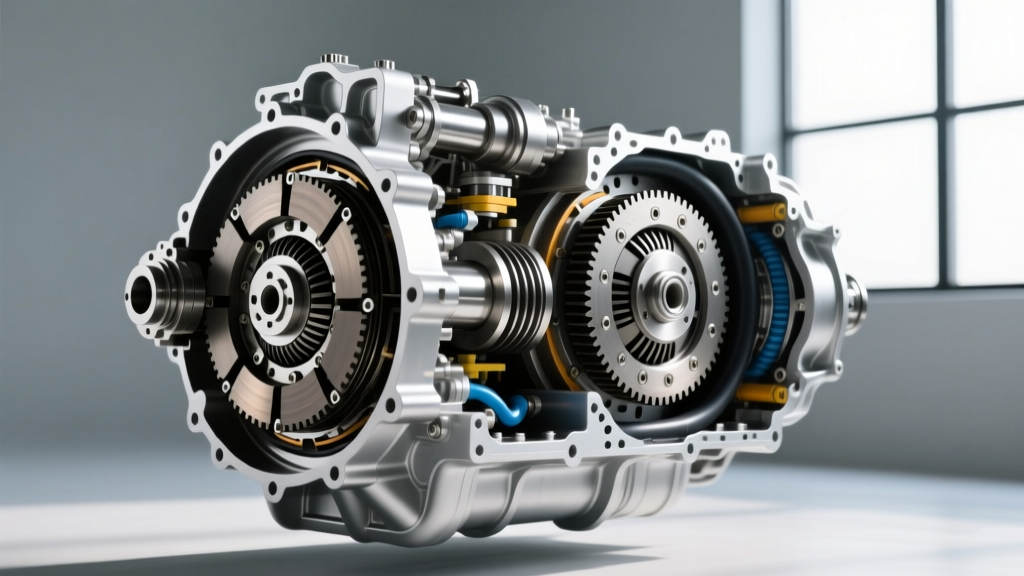
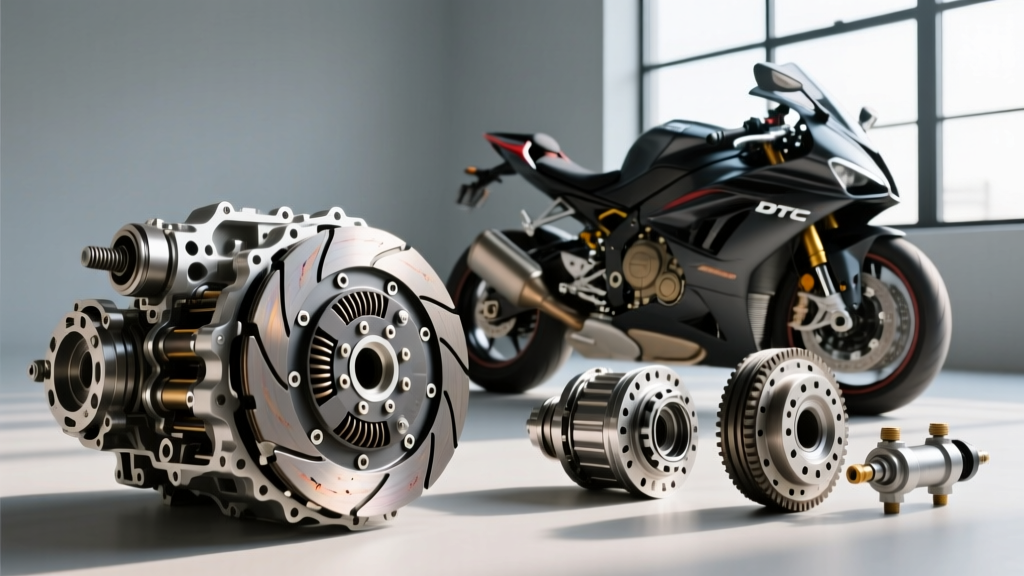
While automotive tuners frequently deal with chatter after installing aggressive unsprung twin-disc setups, a growing segment of the motorsport community is tackling similar issues in motorcycles equipped with automated transmissions. When global riders and tuners discuss the clutch de moto automática, they are typically referring to the sophisticated wet multi-plate Dual Clutch Transmissions (DCT) found in modern adventure and touring bikes, such as the Honda Africa Twin or Gold Wing. Diagnosing chatter across these vastly different platforms requires a nuanced understanding of friction materials, driveline geometry, and fluid dynamics.
Cross-Platform Diagnostic Matrix: Automotive vs. Motorcycle DCT
The manifestation of clutch chatter varies wildly depending on whether the system is a dry automotive single/twin-disc or a wet multi-plate motorcycle DCT. Below is a comparative diagnostic matrix to help isolate the root cause based on your specific drivetrain architecture.
| Drivetrain Type | Chatter Frequency | Primary Culprits | Common Upgrade Fixes |
|---|---|---|---|
| Automotive Dry Twin-Disc (e.g., Tremec T56 Magnum) | Low (10-25 Hz) | Flywheel runout, unsprung hubs, bellhousing misalignment, aggressive sintered iron pucks. | Marcel spring integration, flywheel resurfacing, billet steel flywheels. |
| Automotive Wet DCT (e.g., Porsche PDK, Ford PowerShift) | Medium (25-50 Hz) | Degraded DCT fluid shear stability, mechatronic solenoid lag, warped clutch drums. | High-temp DCT fluid flushes, TCU recalibration, upgraded friction plates. |
| Clutch de Moto Automática (Motorcycle Wet DCT) | High (50-100+ Hz) | Clutch basket notching, oil contamination (glazing), weakened clutch springs, warped steel plates. | Carbon-Kevlar friction plates, billet inner hubs, stiffer heavy-duty springs. |
Step-by-Step NVH Isolation Protocol
Before throwing expensive parts at a chattering drivetrain, you must isolate the vibration frequency and verify the mechanical tolerances. According to SAE International Technical Papers on NVH, up to 60% of perceived 'clutch chatter' in aftermarket automotive setups is actually caused by driveline misalignment rather than the friction material itself.
1. Flywheel Runout and Bellhousing Concentricity
For manual automotive applications, mount a dial indicator on the engine block and measure the flywheel friction surface runout. The maximum allowable runout for high-performance setups is 0.003 inches (0.076 mm). Next, check the bellhousing concentricity. If the transmission input shaft is not perfectly aligned with the crankshaft centerline, the clutch disc will bind during engagement, causing violent shudder. Use a precision dial indicator to verify the bellhousing bore Total Indicator Runout (TIR). The acceptable limit is 0.005 inches (0.127 mm). If it exceeds this, install offset dowel pins (such as those from Lakewood or RobbMc) to correct the alignment.
2. Clutch Basket Notching (Motorcycle DCT)
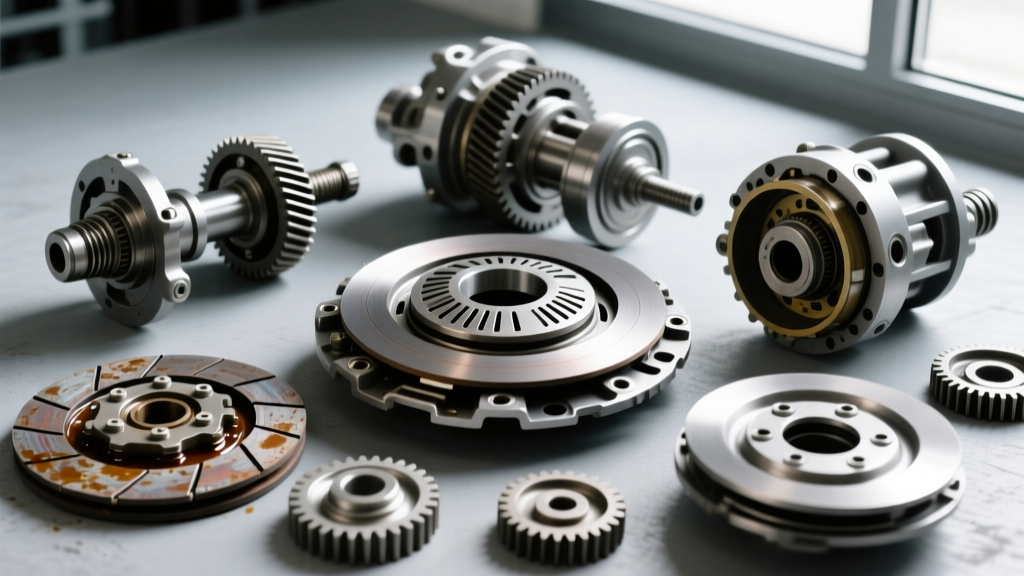
When diagnosing the clutch de moto automática, the primary mechanical culprit for engagement shudder is notching on the aluminum clutch basket fingers. Over time, the hard steel tangs of the friction plates hammer into the softer aluminum basket, creating microscopic grooves. When the clutch is released or engaged, the plates hang up in these grooves and snap free, causing high-frequency chatter. Disassemble the wet clutch pack and run your fingernail across the basket fingers. If you feel distinct ridges, the basket must be replaced with a billet steel or hard-anodized aftermarket unit, or the OEM basket must be carefully filed flat (though replacement is the only permanent 2026-standard fix).
Performance Upgrade Paths: Friction Materials and Marcel Springs
Once mechanical tolerances are verified, the next step in eliminating chatter is optimizing the friction interface. The aggressiveness of the friction material directly correlates to the severity of the stick-slip effect.
Automotive: The Sprung Hub and Marcel Spring Advantage
Many track-focused enthusiasts mistakenly purchase unsprung, solid-hub ceramic or sintered iron clutches for street-driven performance cars. While these offer immense torque capacity, they lack the torsional dampening required for smooth street engagement. Upgrading to a twin-disc system that utilizes 'Marcel springs' (a wavy spring steel layer riveted between the friction pucks) provides a progressive engagement ramp. For example, upgrading to a SPEC Clutch CT12 twin-disc with a sprung hub and Kevlar-carbon composite material drastically reduces chatter while maintaining a 900+ lb-ft torque rating. Kevlar offers a more linear friction coefficient curve compared to ceramic, which tends to 'grab' abruptly when cold.
Motorcycle DCT: Carbon-Kevlar and Spring Rates
In the realm of the clutch de moto automática, the wet clutch environment changes the material science equation. Standard organic paper friction plates glaze easily when subjected to the rapid slip generated by automated DCT mapping. Upgrading to Carbon-Kevlar composite friction plates (such as the Barnett 305-series kits) provides superior heat dissipation and maintains a consistent coefficient of friction even when the oil temperature exceeds 220°F (104°C). Furthermore, pairing these plates with heavy-duty clutch springs (typically 15-20% stiffer than OEM) increases the clamping force, reducing the micro-slip that causes high-frequency shudder during partial-throttle DCT shifts.
Fluid Dynamics and Shear Stability in Wet Systems
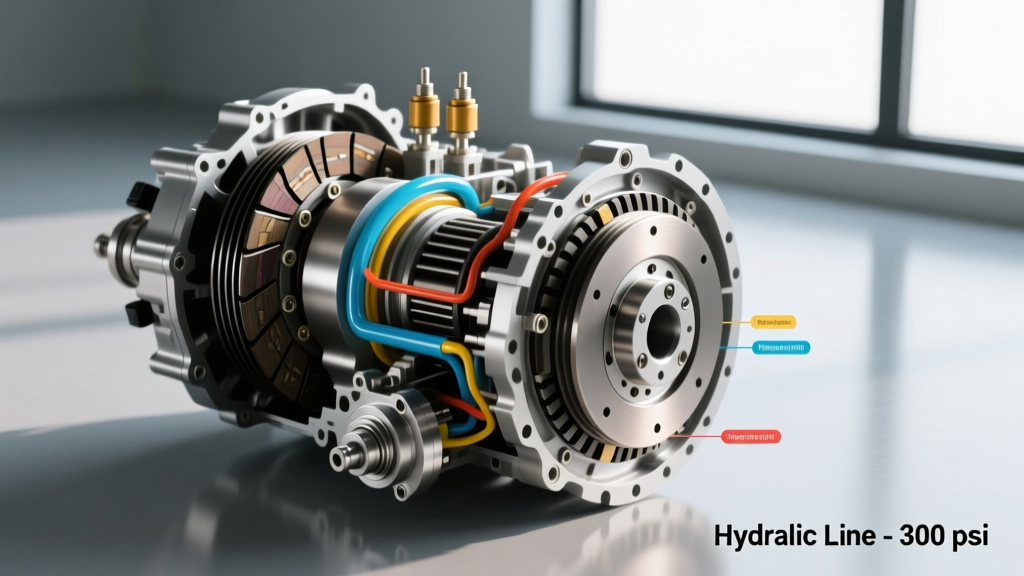
For any wet clutch system, including automotive DCTs and motorcycle automated transmissions, the lubricant is an active component of the clutch pack. The friction modifiers in the fluid dictate how the plates interact. Using an oil with excessive friction modifiers (often found in 'energy-conserving' automotive oils) will cause the plates to slip continuously, leading to glazing and subsequent chatter when they finally do bite.
For motorcycle DCTs, it is imperative to use fluids certified to JASO MA2 standards, which specifically limit the amount of friction modifiers to ensure proper wet clutch lockup. In high-stress performance applications, synthetic 10W-40 or dedicated DCT fluids with high shear stability prevent the fluid from thinning out at high RPMs, maintaining the necessary hydrodynamic film thickness between the steel separator plates and the friction material.
Torque Specifications and Assembly Clearances
Precision assembly is the final barrier against clutch chatter. Below are critical specifications for both automotive and motorcycle performance builds:
- Automotive Flywheel Bolts: When installing an aftermarket billet steel flywheel (e.g., using ARP 200-2806 bolts), torque to 85 ft-lbs using red Loctite 271. Always follow a star-pattern sequence to prevent flywheel warping, which instantly induces runout and chatter.
- Automotive Pressure Plate Torque: Typically 35-45 ft-lbs (depending on the manufacturer) in a crisscross pattern, drawing the pressure plate down evenly to avoid bending the diaphragm spring fingers.
- Motorcycle Wet Clutch Pack Clearance: When rebuilding the clutch de moto automática, the total clutch pack height is critical. For most Honda DCT applications, the service limit for clutch pack thickness is between 1.8 mm and 2.2 mm of free play before the lifter engages. If the pack is too thin, the DCT hydraulic solenoids will over-travel, causing a harsh, chattering engagement. Always measure the total stack height with a caliper and adjust using selective-thickness steel separator plates.
- Clutch Spring Free Length: Measure motorcycle clutch springs with a caliper. If the free length has degraded more than 1.0 mm from the OEM specification (typically around 42-45 mm depending on the model), the springs must be replaced to restore adequate clamping pressure.
By methodically isolating the NVH source, verifying driveline geometry, and selecting the correct friction materials and fluids for your specific platform, you can completely eliminate clutch chatter. Whether you are tuning a 1,000-horsepower manual track car or optimizing the clutch de moto automática on a high-mileage adventure bike, precision diagnosis and quality upgrades are the keys to buttery-smooth, shudder-free engagement.
For further reading on wet clutch friction materials and driveline dampening, consult the Barnett Clutches & Cables Technical Resources archive and your vehicle-specific OEM service manuals.