The Underhood Clutch Confusion: Mechanical vs. Electromagnetic
When drivers experience underhood shuddering, rhythmic clicking, or erratic engine engagement, the immediate assumption is often a failing manual transmission. However, vehicles feature multiple clutch systems that operate on entirely different principles. The most common points of diagnostic confusion lie between mechanical drivetrain clutches—specifically clutch cable problems and adjustment—and the electromagnetic auto air conditioner clutch.
Misdiagnosing these systems is a costly mistake. A slipping A/C compressor clutch bearing can create a drivetrain shudder that perfectly mimics a misadjusted manual clutch cable. Conversely, a stretched clutch cable can cause gear grinding that amateur mechanics mistakenly attribute to internal transmission failure. This 2026 cost analysis and diagnostic guide breaks down the exact repair procedures, part numbers, and pricing for both systems, ensuring you do not pay for a transmission rebuild when a simple cable adjustment or A/C shim is all that is required.
Manual Transmission: Clutch Cable Problems and Adjustment
While modern passenger vehicles largely rely on hydraulic master and slave cylinders, mechanical clutch cables remain prevalent in legacy performance vehicles (such as the Ford Foxbody and SN95 Mustangs), classic imports, and heavy-duty commercial trucks. Understanding the failure modes of these cables is the first step in accurate cost estimation.
Symptoms of a Failing or Misadjusted Clutch Cable
- Failure to Disengage: Grinding when shifting into first or reverse, indicating the cable is too loose or stretched, preventing the release bearing from fully depressing the pressure plate fingers.
- Clutch Slippage Under Load: If the cable lacks free play, the release bearing rides constantly on the pressure plate. This prevents full clamping force, causing the friction disc to slip and glaze under heavy throttle.
- Pedal Sticking or Notchiness: Fraying inside the cable housing or a failing self-adjusting quadrant mechanism (common in 1979-2004 Ford applications) will cause the pedal to bind or fail to return to the top of its travel.
The Adjustment Procedure and Torque Specifications
Addressing clutch cable problems and adjustment requires precision. For vehicles with a manual turnbuckle adjuster at the bellhousing, the target free play is typically 1/2 inch to 1 inch measured at the top of the pedal pad.
If the cable bracket has been removed for service, the M10 mounting bolts securing the bracket to the transmission bellhousing must be torqued to 25-30 lb-ft. Overtorquing can warp the stamped steel bracket, altering the cable geometry and causing premature fraying. For vehicles with self-adjusting firewall quadrants (e.g., Dorman Part #782-100), the plastic teeth frequently strip. Replacement of the quadrant and cable assembly is a 1.5-hour job that requires dropping the steering column lower shroud and accessing the firewall from the engine bay.
HVAC System: Auto Air Conditioner Clutch Diagnostics
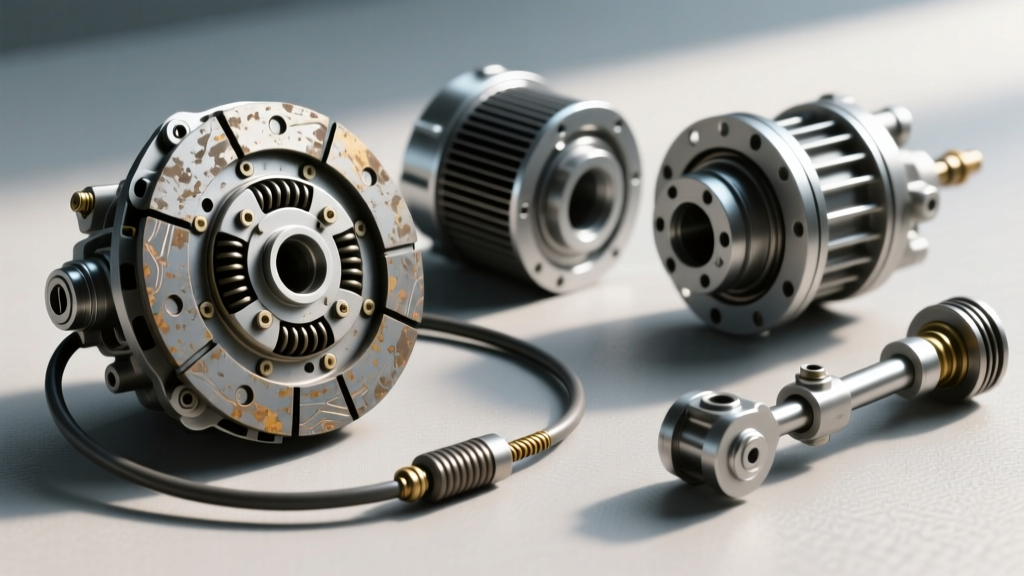
Why is an HVAC component relevant to drivetrain diagnostics? The auto air conditioner clutch is an electromagnetic device mounted to the front of the A/C compressor. When the coil energizes, it pulls the clutch plate against the spinning pulley. When this system fails, it creates mechanical drag and vibration that transfers directly through the serpentine belt to the crankshaft, simulating a dragging or shuddering manual transmission clutch.
Mimicking Drivetrain Issues
According to diagnostic flowcharts from AA1Car, a failing A/C clutch bearing or an excessively wide air gap will cause the clutch plate to slip against the pulley. This slipping generates a rhythmic, chirping shudder that vibrates the chassis. Novice drivers often feel this shudder through the manual clutch pedal and误diagnose it as a warped flywheel or a misadjusted clutch cable.
Testing the Electromagnetic Coil and Air Gap
Before replacing components, verify the electrical and mechanical integrity of the auto air conditioner clutch:
- Air Gap Measurement: Use a feeler gauge to check the gap between the clutch plate and the pulley. Per the Mobile Air Climate Systems Association (MACS), the specification is typically 0.020 to 0.035 inches. If the gap exceeds 0.040 inches, the electromagnetic coil lacks the magnetic force to pull the plate in, causing it to slip and shudder.
- Coil Resistance: Disconnect the clutch wiring harness and measure resistance across the coil terminals. A healthy coil should read between 3.5 and 4.5 ohms at 68°F (20°C). An infinite reading indicates an open circuit; a reading near zero indicates a short.
- Voltage Drop: Ensure the clutch is receiving a minimum of 11.5 volts under load. Voltage drops caused by corroded relay contacts will result in weak magnetic engagement.
2026 Cost Analysis: Mechanical vs. Electromagnetic Repairs
The financial difference between misdiagnosing a manual clutch issue versus an A/C clutch issue is staggering. Below is a comparative price breakdown based on 2026 aftermarket pricing aggregated from RockAuto and national labor rate averages ($100-$150/hour).
| Service Procedure | Part Cost (Avg) | Labor Time | Labor Cost | Total Estimated Cost |
|---|---|---|---|---|
| Manual Clutch Cable Adjustment (Existing Cable) | $0 | 0.3 hrs | $30 - $45 | $30 - $45 |
| Manual Clutch Cable & Quadrant Replacement | $45 - $85 | 1.5 hrs | $150 - $225 | $195 - $310 |
| Auto A/C Clutch Air Gap Shimming | $5 - $15 (Shims) | 0.5 hrs | $50 - $75 | $55 - $90 |
| Auto A/C Clutch Assembly Replacement (e.g., Four Seasons #47181) | $70 - $140 | 1.0 hrs | $100 - $150 | $170 - $290 |
| Full A/C Compressor Replacement (If seized) | $250 - $450 | 2.5 hrs + Evac/Recharge | $350 - $500 | $600 - $950 |
| Manual Transmission Drop & Clutch Kit Replacement (Worst Case Misdiagnosis) | $200 - $400 | 6.0 hrs | $600 - $900 | $800 - $1,300+ |
Expert Decision Framework: Isolating the Shudder
To avoid unnecessary repair bills, follow this isolation framework before authorizing any drivetrain or HVAC teardowns:
Step 1: The HVAC Isolation Test
With the vehicle idling in neutral and the parking brake engaged, turn the cabin climate control to OFF. Rev the engine slightly and engage the manual clutch pedal. If the shudder, clicking, or engine drag completely disappears when the A/C is off, your manual clutch cable and transmission are likely fine. The issue is isolated to the auto air conditioner clutch, compressor bearing, or serpentine belt tensioner.
Step 2: The Pedal Free-Play Measurement
If the shudder persists with the A/C off, grab a ruler and measure the clutch pedal free play. Press the pedal with your finger until you feel the resistance of the release fork. If the free travel is less than 1/2 inch, the cable is too tight, causing the manual clutch to slip. If it exceeds 1.5 inches, the cable has stretched or the adjustment nut has backed off, causing gear clash. Adjusting this takes minutes and costs almost nothing.
Step 3: The Visual Pulley Inspection
Use a mechanic's mirror and flashlight to inspect the front of the A/C compressor. Look for rust dust (a sign of clutch plate slipping) or oily residue (a sign of compressor shaft seal failure). If the auto air conditioner clutch plate is visibly wobbling while the engine runs, the bearing has failed, and the clutch assembly must be replaced before it seizes and snaps the serpentine belt.
Final Thoughts on Underhood Clutch Economics
The terminology of 'clutches' extends far beyond the manual transmission. By understanding the mechanical realities of clutch cable problems and adjustment, alongside the electromagnetic behavior of the auto air conditioner clutch, you can accurately diagnose underhood vibrations and save hundreds, if not thousands, of dollars in misdirected labor costs. Always isolate the accessory drive belt from the drivetrain before pulling a transmission.