The Thermodynamics of Friction: Why Your Clutch Smells Like Burning Brakes
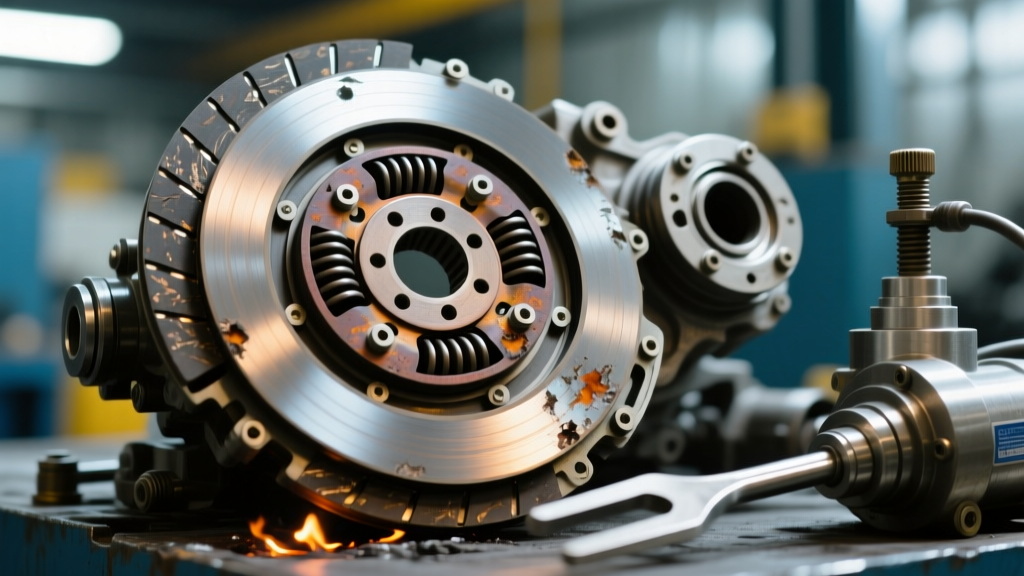
There are few odors more alarming to a driving enthusiast than the acrid, sulfurous stench of a burning clutch. Often mistaken for burning brake pads, this distinct smell is the result of friction material exceeding its thermodynamic limits and vaporizing its binding resins. However, before you immediately order a replacement kit from RockAuto or tear into your bell housing, accurate clutch burning smell diagnosis requires a methodical approach. To understand why this failure occurs, we must first examine the mechanical and thermal principles governing the system.
Understanding How a Manual Transmission Clutch Works
At its core, a manual clutch is a thermodynamic coupling device. When you depress the pedal, hydraulic fluid actuates the slave cylinder, pushing the release bearing against the fingers of the diaphragm spring. This retracts the pressure plate, disconnecting the engine's rotational mass from the transmission input shaft. When you release the pedal, the diaphragm spring clamps the friction disc against the flywheel.
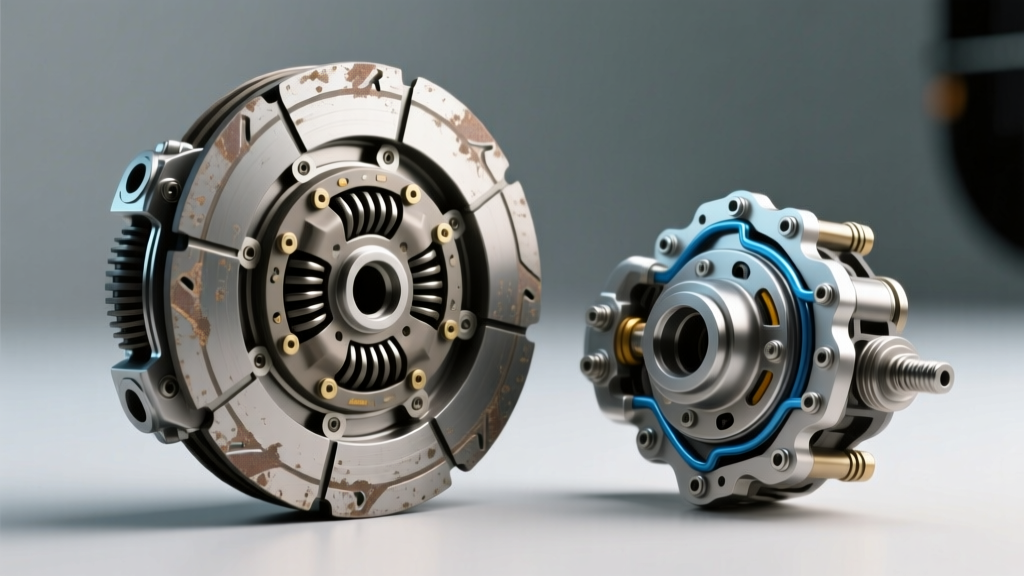
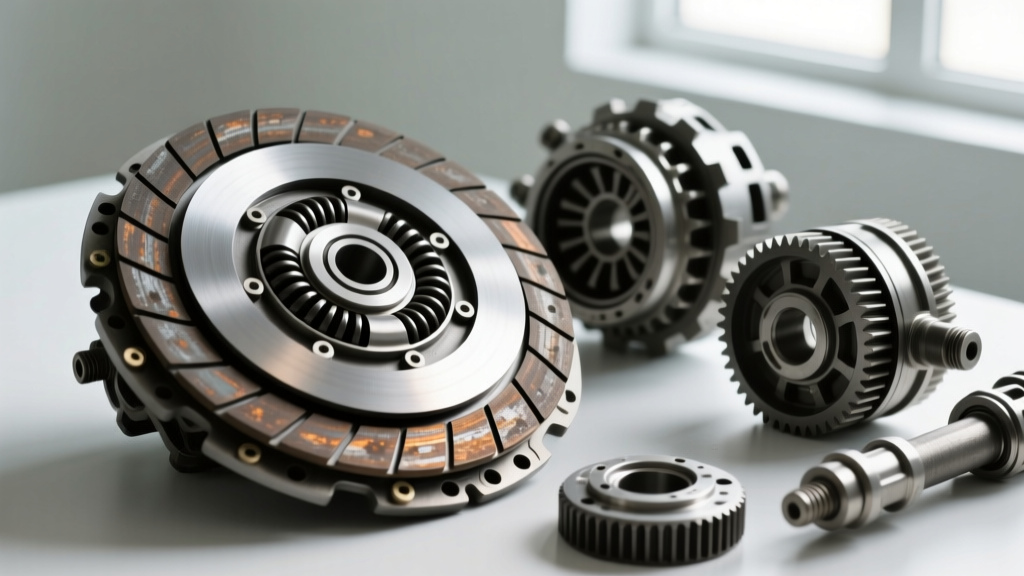
To truly grasp clutch burning smell diagnosis, you must understand how a manual transmission clutch works under load. A standard OEM 9-inch pressure plate generates between 1,800 and 2,400 pounds of clamping force. This force creates the friction necessary to transfer torque without slip. The friction disc itself is a complex assembly: it features a hub with torsional dampers to absorb engine harmonics, a marcel spring wave that ensures progressive engagement, and friction pucks made of organic compounds, Kevlar, or sintered iron. When slip occurs, kinetic energy is converted into thermal energy. If the heat exceeds 500°F (260°C), the phenolic resins binding the organic friction material begin to break down, releasing the unmistakable burning odor. Furthermore, the torsional dampers in the hub are tuned to specific engine firing frequencies; if an aggressive aftermarket clutch is installed without proper damper tuning, the resulting NVH can force the driver to slip the clutch at low RPMs to mask the chatter, inadvertently generating the very heat that destroys the disc.
Diagnostic Matrix: Pinpointing the Source of the Odor
A burning smell does not always mean the clutch disc is destroyed. It can indicate a systemic issue within the hydraulic circuit, the flywheel, or even adjacent seals. Use the following diagnostic matrix to cross-reference your symptoms.
| Symptom Profile | Probable Root Cause | Immediate Action Required |
|---|---|---|
| Smell after hard launch or hill start | Normal thermal overload (temporary glazing) | Allow 30 mins cooldown; test for slip in 4th gear |
| Constant smell during highway cruising | Insufficient pedal free-play or riding the clutch | Measure pedal free-play; adjust master cylinder pushrod |
| Smell accompanied by pedal vibration or chatter | Hot spots on flywheel or broken marcel springs | Drop transmission; inspect flywheel for bluing or cracks |
| Smell with oil dripping from bell housing weep hole | Input shaft seal or rear main seal contamination | Replace seals; clean or replace friction disc |
Top Mechanical Causes of Clutch Overheating
According to friction material research published by SAE International, organic clutch facings begin to experience severe fade and resin outgassing at sustained temperatures above 450°F. Here are the primary mechanical culprits that generate this excess heat:
1. Incorrect Pedal Free-Play and Hydraulic Bypass
The most common cause of a chronically burning clutch is a lack of pedal free-play. If the master cylinder pushrod is adjusted too tightly, or if the hydraulic system lacks adequate return travel, the release bearing remains in constant contact with the diaphragm spring. This prevents the pressure plate from applying its full clamping force, resulting in micro-slip at highway speeds.
Diagnostic Step: Measure the free-play at the clutch pedal pad. Most manufacturers specify between 0.5 to 1.0 inches (12-25mm) of free movement before hydraulic pressure builds. If your pedal is tight against the floor mat or firewall stop, you are cooking your friction material.
2. Dual Mass Flywheel (DMF) Dampener Failure
Modern manual vehicles, especially European diesels and high-torque four-cylinders, utilize Dual Mass Flywheels to isolate drivetrain NVH. If the internal arc springs of the DMF collapse, the friction disc is subjected to violent torsional shocks. This causes the disc to slip erratically, generating massive localized heat that burns the friction material and often warps the secondary flywheel plate.
3. Oil Contamination Masking as Thermal Failure
A leaking transmission input shaft seal or engine rear main seal will weep oil onto the friction disc. As the disc slips on the oil film, it generates intense friction and heat, burning the oil and the clutch material simultaneously. The smell here is often darker and more nauseating than pure resin burn. For example, a common failure on the Subaru WRX 6-speed is the weeping of the OEM input shaft seal (Part # 806733030) at high mileage, which saturates the Exedy organic disc. Inspect the lower bell housing inspection cover for wet, black sludge.
Real-World Troubleshooting: The 4th Gear Stall Test
Before removing the transmission, you must verify if the friction material has permanently glazed or if the odor was a one-time thermal event. Perform the stall test:
- Find an empty, flat road and bring the vehicle to 35-45 mph.
- Shift into 4th or 5th gear (overdrive).
- Apply moderate throttle (around 2,500 RPM) and quickly floor the accelerator.
- Pass: The RPMs and vehicle speed climb together proportionally.
- Fail: The RPMs flare upward rapidly while vehicle speed lags. This confirms the friction coefficient has dropped to near-zero due to severe glazing.
Pro-Tip: If you fail the stall test but the pedal free-play is correct, the diaphragm spring has likely suffered heat fatigue. The metal has lost its temper, and the pressure plate can no longer generate adequate clamp load. The entire assembly must be replaced.
Repair Economics: Parts, Labor, and Torque Specifications
When diagnosis confirms catastrophic friction failure, replacement is mandatory. Based on current aftermarket pricing and Hagerty Media repair tracking data, here is what a proper repair entails in 2026:
- OEM/Organic Clutch Kit (e.g., Sachs, Exedy, LUK): $180 - $350. Includes disc, pressure plate, release bearing, and alignment tool.
- Performance Cerametallic Upgrades: For heavy-duty applications like the Ford Mustang GT (MT-82 transmission), upgrading to a cerametallic disc (e.g., McLeod RST or Ram Powergrip) will increase part costs to the $600-$900 range, but raises the thermal threshold to over 800°F, virtually eliminating resin outgassing during track use.
- Dual Mass Flywheel Replacement: $400 - $850 (Required if equipped; DMFs cannot be safely resurfaced).
- Single Mass Flywheel Resurfacing: $45 - $90 at an automotive machine shop. Must not exceed the manufacturer's maximum material removal spec (usually 0.030 inches).
- Shop Labor: 4.5 to 7.0 hours depending on FWD vs. RWD and subframe removal requirements ($600 - $1,100).
Critical Torque Specifications
When installing the new assembly, precision is non-negotiable. The pressure plate bolts must be tightened in a star pattern to prevent warping the diaphragm spring housing. Typical M8 pressure plate bolts require 18 to 25 Nm (13 to 18 lb-ft). Flywheel to crankshaft bolts often require 60 to 90 Nm plus an additional 90-degree torque-to-yield angle. Always use a fresh alignment tool to ensure the disc is perfectly centered; an offset disc will cause the input shaft to bind in the pilot bearing, leading to immediate dragging and a return of the burning smell.
Final Verdict: Prevention and Maintenance
A clutch burning smell is a distress signal, not an immediate death sentence, provided you catch it before the phenolic resins completely carbonize. By understanding the mechanical forces at play, verifying your hydraulic free-play, and performing rigorous stall tests, you can accurately diagnose the root cause. Treat your left foot with discipline, respect the thermodynamic limits of organic friction materials, and your manual transmission will deliver thousands of miles of seamless, slip-free engagement.